


Six generations of Bulgarians keep alive the memory of those who died in the Russo-Turkish War (1877-1878)
Sunday 3 March 2024 04:35
Sunday, 3 March 2024, 04:35
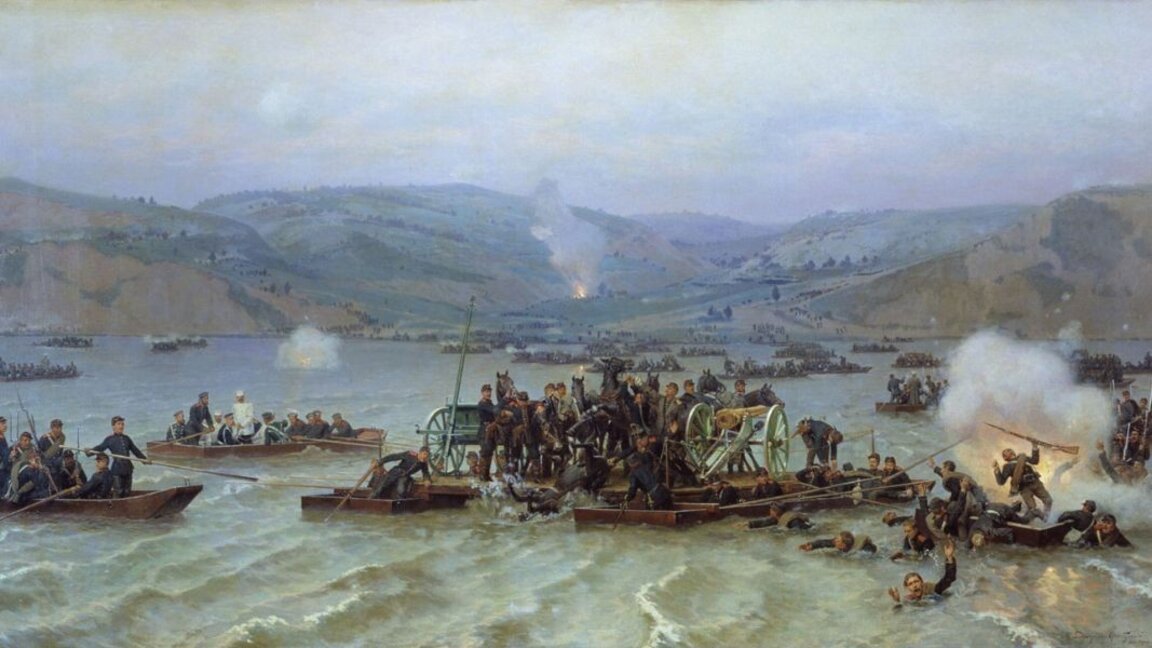
Crossing of the Russian army over the Danube at Svishtov, artist: Nikolai Dmitriev-Orenburgsky 1883
Font size
Monuments keep alive the memory of important events of the past. Most of them tell of human sacrifices, of the land drenched in the blood of heroes who defended the homeland. Chroniclers collect these historical fragments and place them in the broader context of the era. Over the years, depending on political leanings, external influences and bias, interpretations diverge from chronological cause and effect. Some facts are conveniently glossed over so as not to 'offend' certain authority figures. The monuments, however, remain faithful to the facts as inexorable witnesses.
Today, for example, it is very difficult to talk about the liberation of Bulgaria from Turkish rule and the sacrifice of 66,130 Russian soldiers who lost their lives fighting for Bulgaria. The volunteers, including the famous Russian surgeon Nikolai Pirogov and Baroness Julia Vrevskaya, who sold her property to form a detachment of doctors and nurses for the battlefront, are less and less mentioned. The monuments, however, speak volumes about the Bulgarians' gratitude and reverence for their heroism.
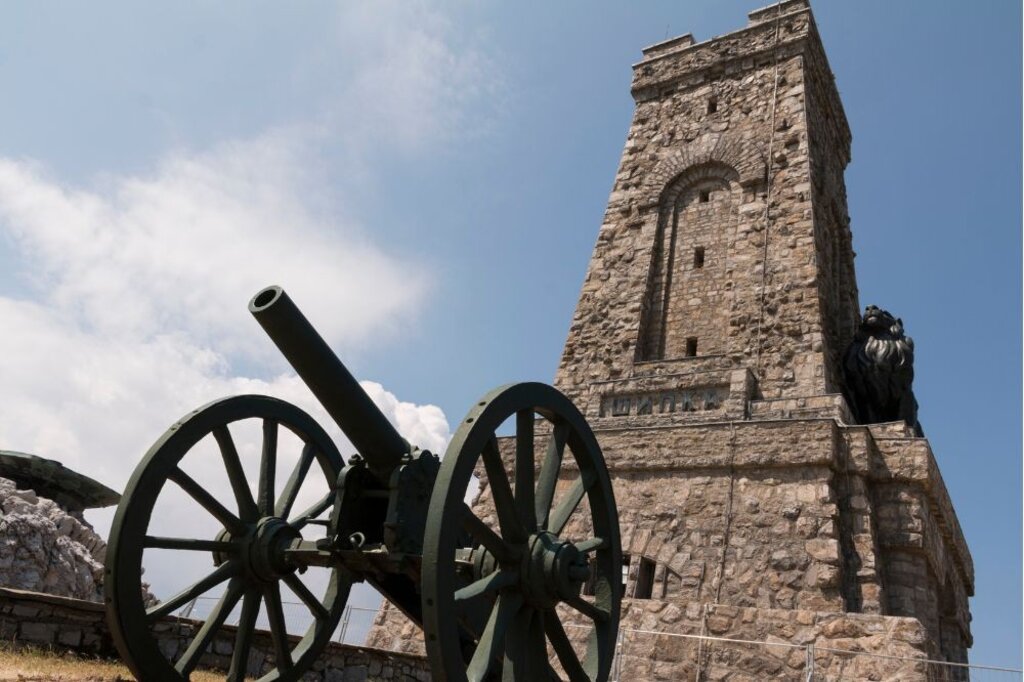
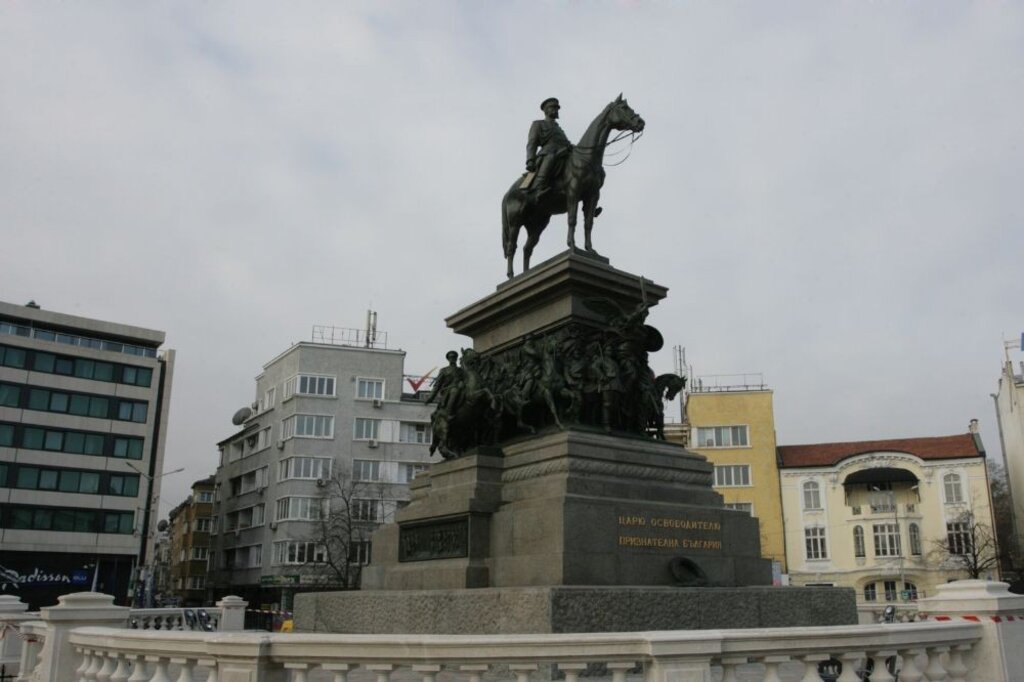
There are more than 400 memorials, some of which mark the places where important military actions took place, such as the memorial on Shipka Peak. Others are built on the graves of war heroes. There are also a number of monuments erected by the Bulgarian government and grateful citizens, the most striking being the monument to Russian Emperor Alexander II, popularly known as Tsar Osvoboditel ("The Liberator King"), in the heart of Sofia. It was this respect for the memory of those who died in the Russo-Turkish Liberation War of 1877-1878 that attracted the attention of historians Svetlana and German Shakarbiev, who were impressed by the impeccable preservation of the monuments for over 147 years.
"We couldn't believe it was possible," says German Shakarbiev in an interview with Radio Bulgaria. - We asked ourselves who these people were, the preservers of the monuments. We are amazed every time we meet them. In reality, they come from different social strata. There are pensioners, foresters, hunters, doctors, engineers, businessmen".
While travelling around the country and researching monuments, Svetlana and German Shakarbiev decided to organise the exhibition "People and Monuments" as a token of gratitude to the six generations of Bulgarians who have preserved the memory of the events and heroes of the Russo-Turkish War of 1877-1878. With their own resources they made 12 panels telling the story of the monuments and the people. They have also made two documentary films and this year they are bringing together their research in a bilingual publication, People and Monuments, with detailed descriptions of the events.
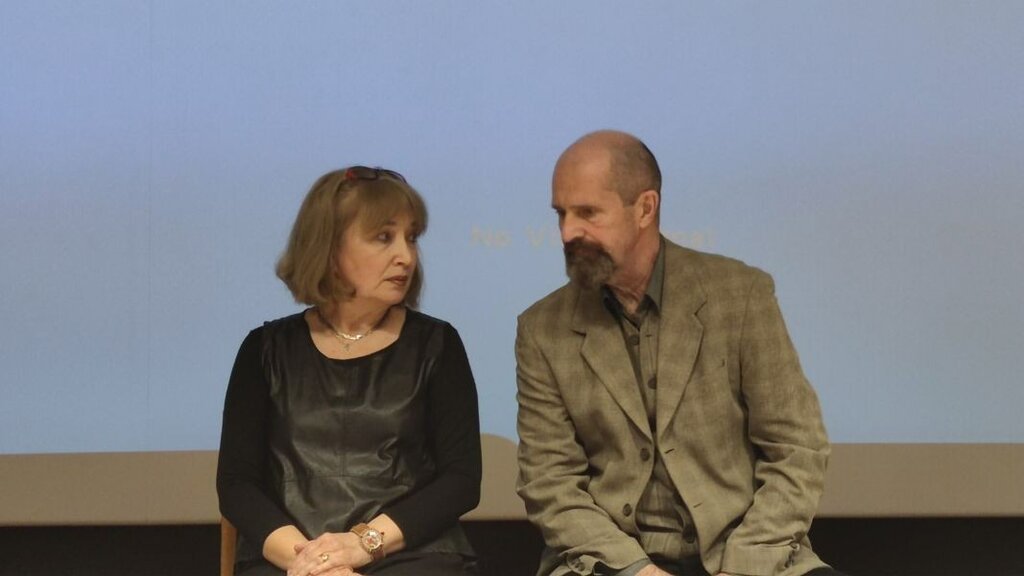
PHOTO Дарина Григорова
"In these difficult times, history is often subject to fabrication," Svetlana notes. "There are numerous attempts to manipulate historical facts, and monuments serve as priceless artefacts. Every monument has its own story to tell. Those dedicated to the preservation of monuments play a crucial role in ensuring that history is told in an unbiased manner. It is this attitude of Bulgarians towards monuments that deserves deep respect. They preserve the memory of foreign soldiers who died on the battlefield, and this should be noted".
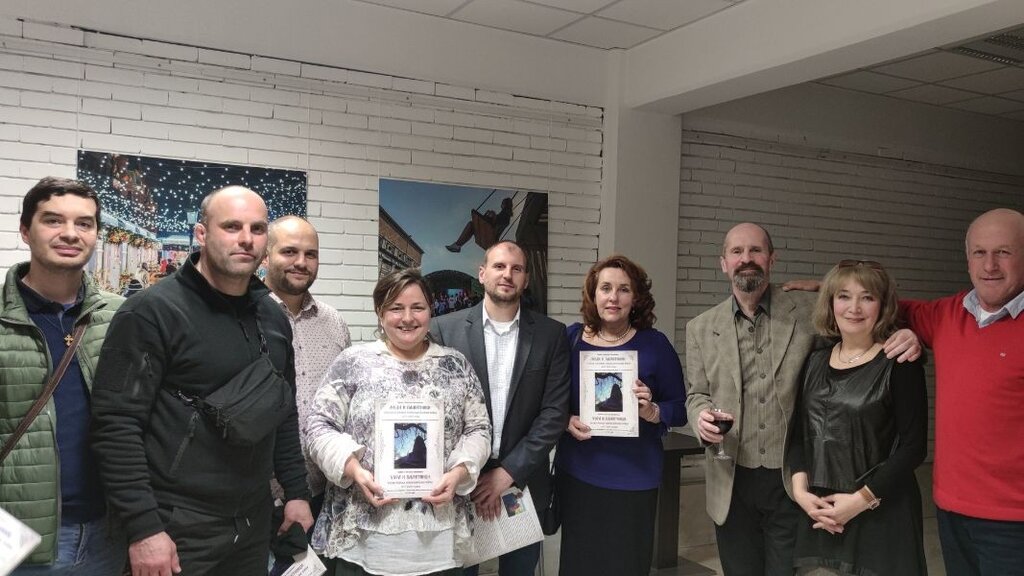
Светлана и Герман Шакарбиеви при представянето на книгата „Хора и паметници“ в Руския културен институт на 29.02.2024 г.
PHOTO Дарина Григорова
Both German and Svetlana are aware of the importance of the monument keepers and are grateful to them. They have become friends with some of them. One is Lilko Georgiev. He is the president of the hunting club in the village of Boykvets. Lilko tells Radio Bulgaria:
"In our region we have five monuments from the Russo-Turkish Liberation War. We have taken on the responsibility of cleaning and maintaining them, because as Bulgarians it is a deep-rooted sense of duty for us". "People sacrificed their lives and we are grateful to them," says Lilko. - In our region, the people helped the Russian soldiers to transport cannons through the Balkans, especially through the Zlatishki Pass. In the harsh winter conditions, about 800 people from Etropole and the surrounding area tirelessly cleared paths through deep snowdrifts and dug out the buried cannons. These are men who deserve to be remembered. A people that does not preserve its history is not a people!
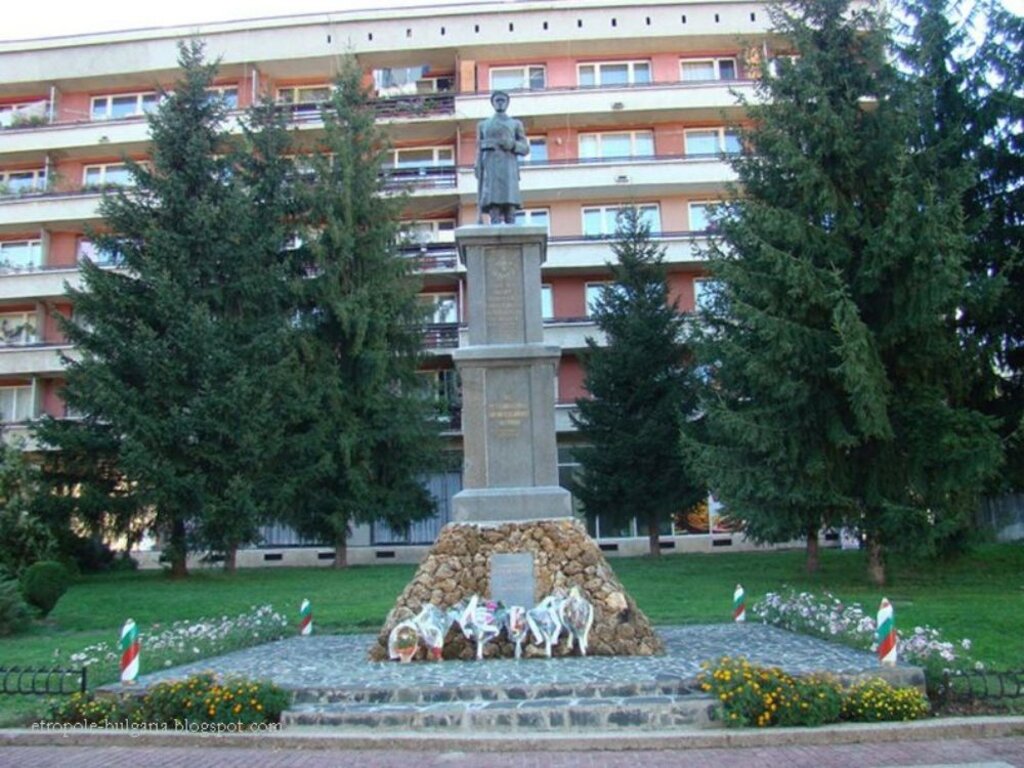
Паметник на освобождението в Етрополе
PHOTO Facebook /Етрополе
So Lilko and his followers pass on history to their children, just as they learned it from their ancestors - the ones who built the monuments.
Some of the heaviest fighting during the war took place near Stara Zagora, where the Bulgarian volunteer militia fought selflessly for their freedom alongside the Russian soldiers. Today the monuments in the town and its surroundings are maintained by the young members of the Patriotic Movement "Ivan Vazov" - Rodina.
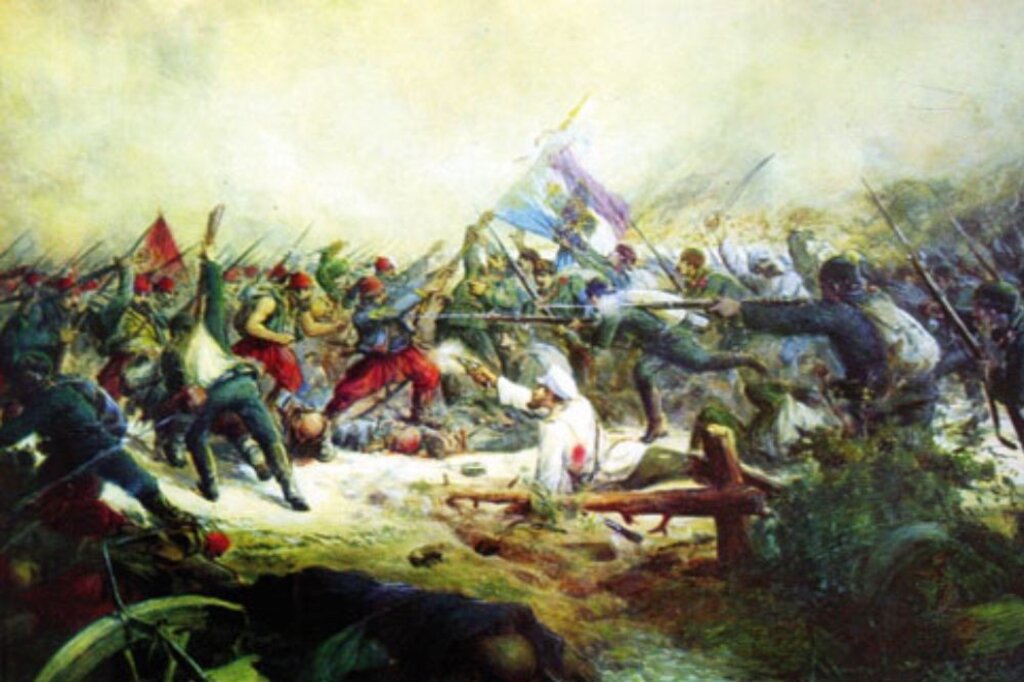
Боя за Самарското знаме. Художник Петър Морозов
PHOTO bulgarianhistory.org
Stanimir Petrov is one of them. "Our movement was created to preserve the historical memory of Bulgarians - he notes - and it is no coincidence that we chose the patriarch of Bulgarian literature, Ivan Vazov, as our patron. He clearly defined the concept of Bulgarian identity and nation immediately after the liberation from the Turkish yoke - a concept we all share. As people interested in politics, we have understood that history is extremely important for the development of politics and the shaping of our future.
Photos: pirogov.eu, Russian Cultural and Information Center in Sofia, BGNES, Darina Grigorova, Facebook / Etropole, bulgarianhistory.org
Translated and posted by Elizabeth Radkova
This publication was created by: БНР екип