


News
Tirana has announced updated official data on Bulgarians in Albania
Friday 15 November 2024 11:57
Friday, 15 November 2024, 11:57
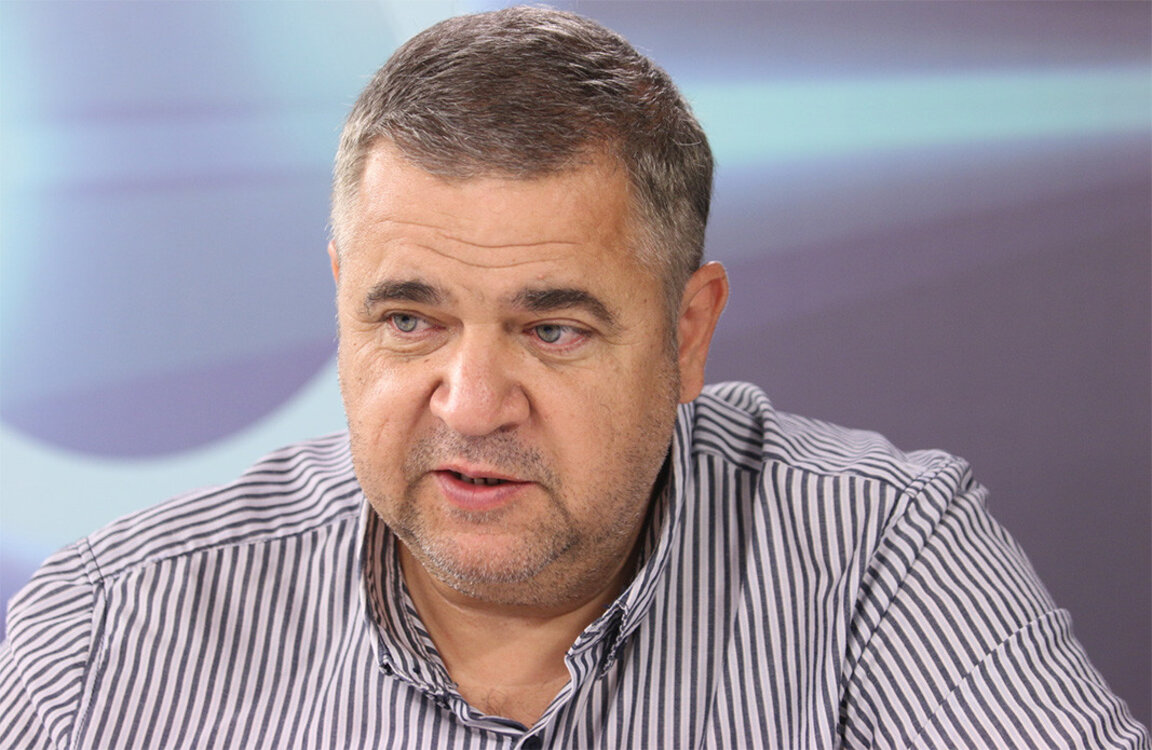
Associate professor Spas Tashev
PHOTO BGNES
Font size
In 2023, the first population census was held in Albania after the official recognition of the Bulgarian national minority in 2017, and 7,057 people identified themselves as Bulgarians.
"Two weeks ago, the Albanian Institute of Statistics published more detailed data, which are not yet available to the general Bulgarian public," Assoc. Prof. Spas Tashev from the Institute for Population and Human Studies at the Bulgarian Academy of Sciences has told the BNR Horizon program. The largest number of Bulgarians is in the Kukuska Gora region – 2174 people. The region is located near Kosovo and is known in Bulgarian history as Shar Mountain. Over 90% of the inhabitants of this region are Muslims with Bulgarian identity," the scientist said.
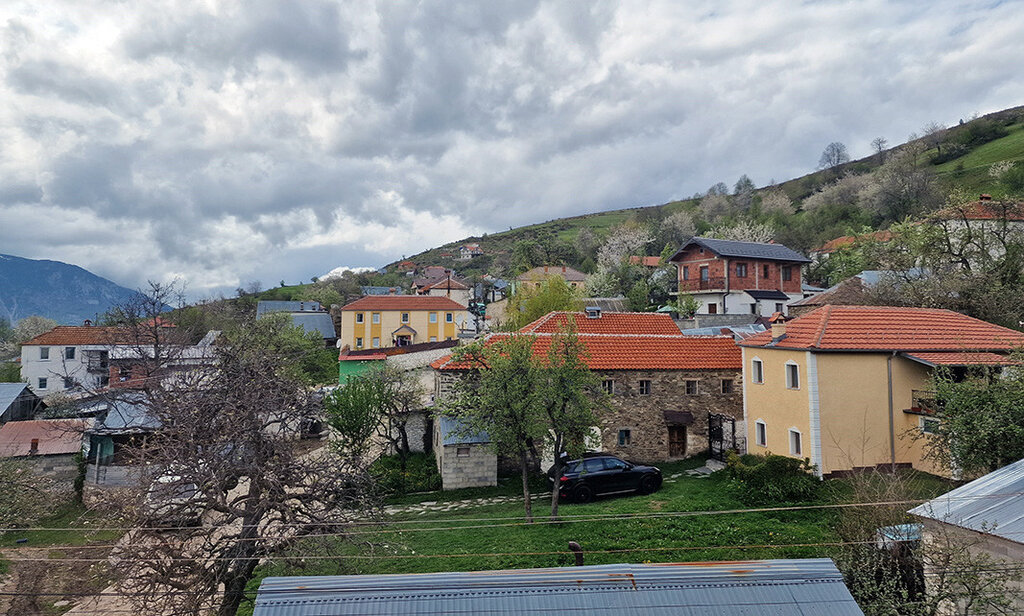
Village of Borje, Kukuska Gora, Albania
PHOTO BTA
The next most significant region in which there are Bulgarians is Golo Brdo with 1,736 Bulgarians or over 65% of the population. They are also Muslims. In the Korca region, which also includes the area of Mala Prespa, 511 people have registered as Bulgarians, or 20% of the population and they are mostly Christians.
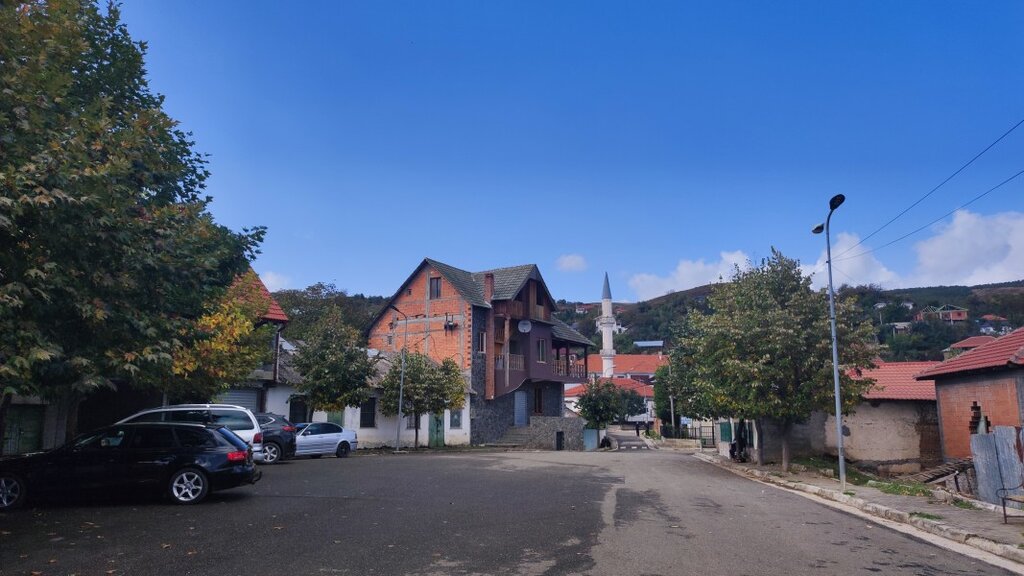
Golemo Ostreni village, Golo Brdo, Albania
PHOTO Krasimir Martinov
Religion in no way affects the identity of Bulgarians in Albania, the researcher points out. Their identity is defined above all by their language and traditions. In the interior of the country, there is an increase in the number of Bulgarian Sunday schools, created precisely by migrants who came from the border regions of Albania.
The Bulgarians in Kukuska Gora and Golo Brdo live in mixed municipalities. It is expected that all Bulgarian settlements will be united into independent Bulgarian municipalities and all public signs in them will also be written in Bulgarian in addition to Albanian. It is planned that the Bulgarian language will be studied in the Albanian schools in these municipalities. "We have a cultural reserve that has preserved the Bulgarian identity over the centuries," Prof. Tashev also says.
This publication was created by: БНР екип