


News
Earthquakes, water shortages, wind generators… eco-challenges unite students from Bulgaria, Italy and Denmark
Maya Padeshka: These projects are important because the younger generation will have the difficult task of solving some serious problems in the future
Monday 3 February 2025 11:22
Monday, 3 February 2025, 11:22
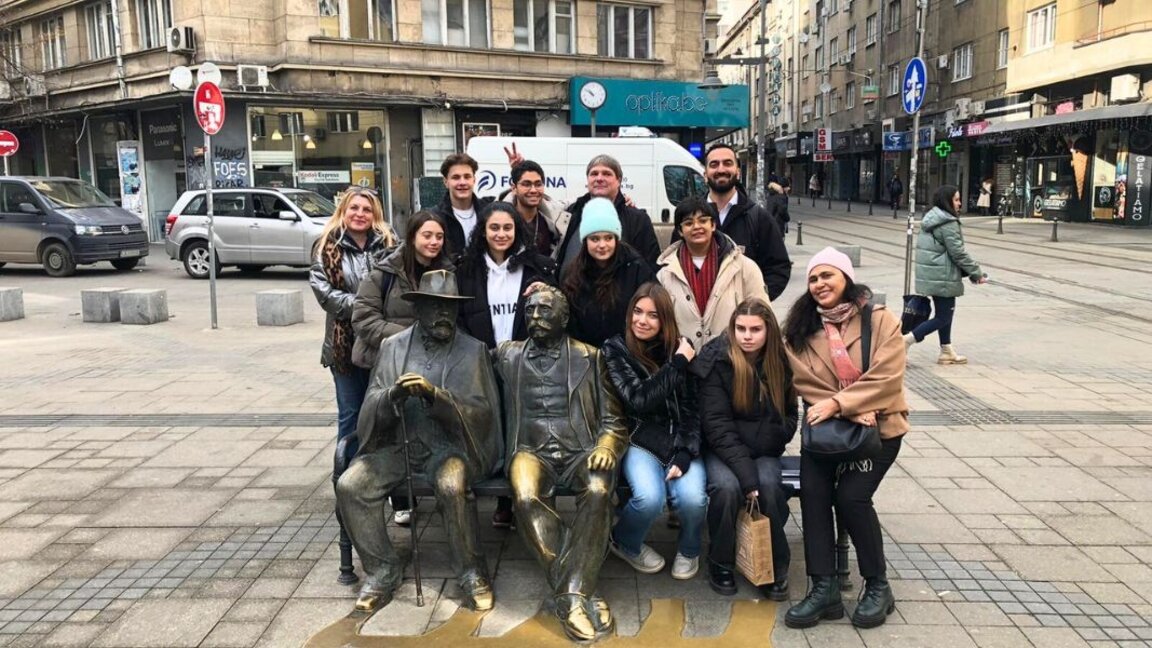
Photo: Bulgarian Sunday School "Assen and Iliya Peykovi" in Rome
Font size
Topics related to renewable resources and natural disasters united students from the Bulgarian Sunday School "Assen and Iliya Peykovi" in Rome, the First English Language School in Sofia and the Greve High School near Copenhagen. The project aims to highlight pressing environmental problems and follow the initiatives that are implemented in the three countries.
"Here we are again in Sofia for Erasmus! This time the topic is a little more complicated. Another adventure awaits us," Veneta Nenkova, the founder of the Bulgarian Sunday School in Rome, shared on Facebook a few days ago.
The first stage of the project brought together Bulgarians from Italy and Bulgaria, who worked on the territory of the First English Language School in Sofia over the past week. The challenges they faced ranged from research to getting to know each other and finding their way to each other in order to work most effectively as a team.
About these first steps, Maya Padeska - director of the Bulgarian school in Rome and one of the project leaders, says:
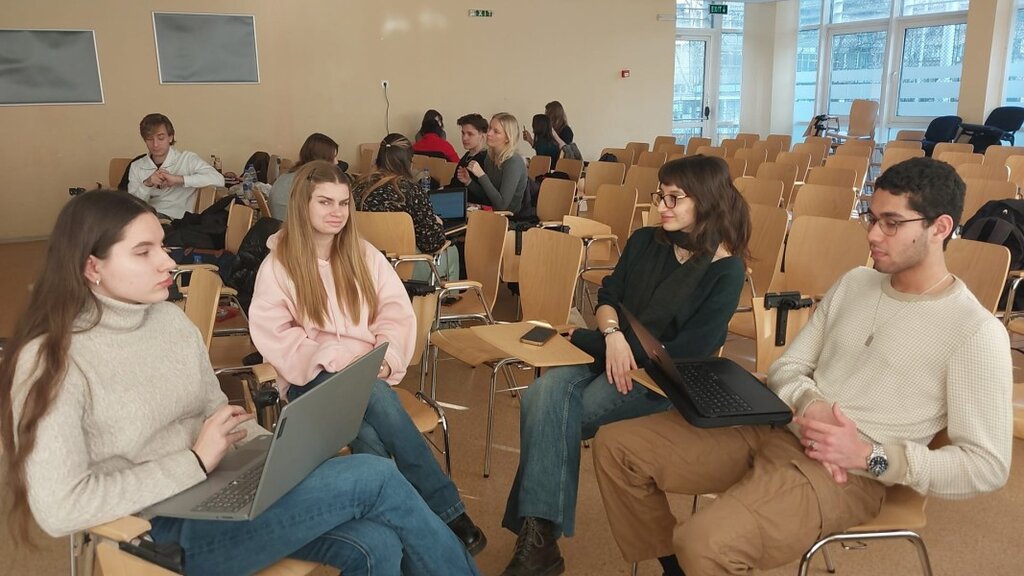
PHOTO Българско неделно училище Асен и Илия Пейкови в Рим
"On the first day, the children from each country formed working groups and shared their knowledge on the topics. They compared how things are in Bulgaria, Italy and Denmark in terms of drinking water protection, energy sources, laws and policies of the countries in terms of environmental protection. They work in groups and with computers, search for information on the problem and then present it in the form of concrete results. One has to really observe this dynamic when starting work on such a project. On the fourth day of work, we can already see how these young people are getting to know each other more and are starting to think in a common direction. These projects are extremely important for thinking together in Europe and for children to have a common consciousness and goal. Because the younger generation has the difficult task of solving some difficult problems."
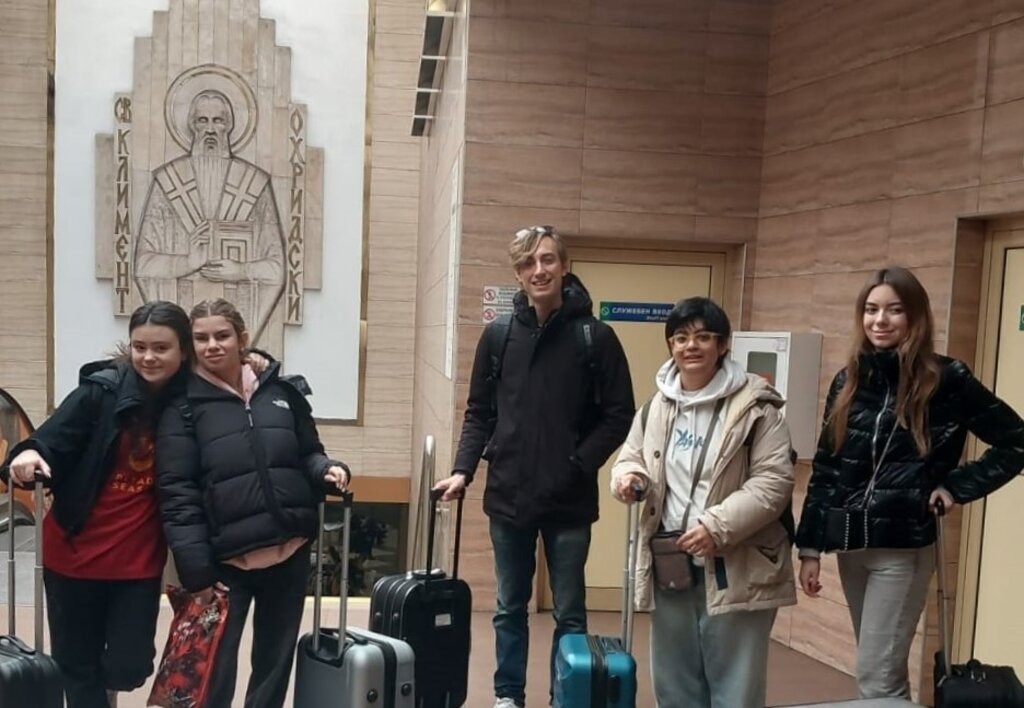
PHOTO Българско неделно училище Асен и Илия Пейкови в Рим
To learn about nuclear energy, the students attended a lecture at the Faculty of Physics of Sofia University "St. Kliment Ohridski", which helped them with one of the tasks related to analyzing public attitudes and awareness of innovations and the right actions during natural disasters. Amira Kacharova, a student from the Bulgarian school in Rome, shares:
"My group and I decided to talk about earthquakes by interviewing people in Sofia. The young people we interviewed said they had not experienced one, but it was different when we asked the older ones. They knew how a person feels in such a situation. We were interested in the psychological side and how people react to an earthquake."
Giulia Netti - also from Rome, adds:
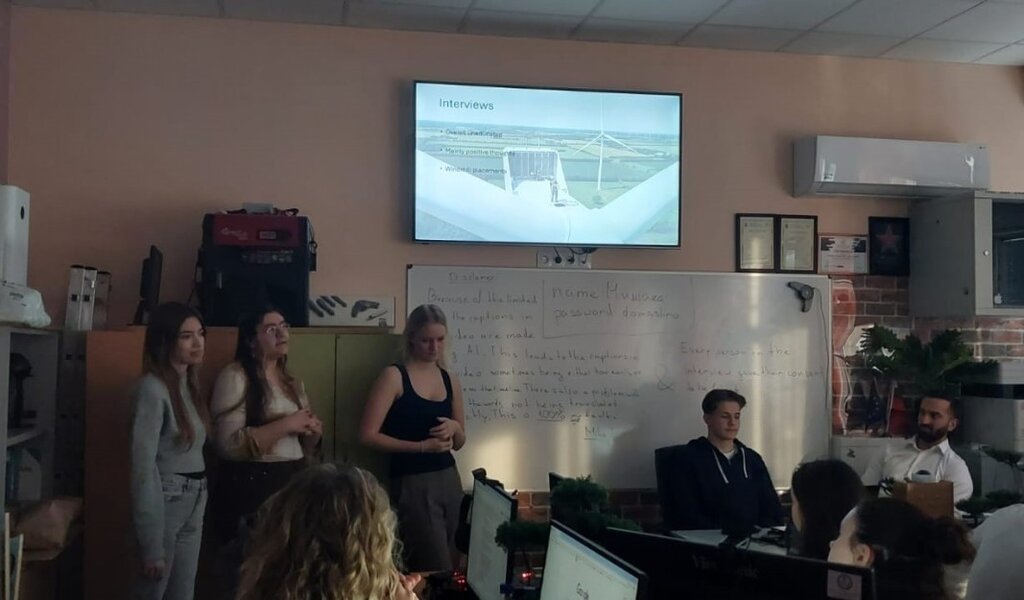
PHOTO Българско неделно училище Асен и Илия Пейкови в Рим
"The topic of my group was wind generators. It struck me as quite surprising that most people had no idea about the topic and were not well informed."
Her classmate at the Bulgarian Sunday school in Rome, Yoanna Kostova, is convinced that we need to talk about and take measures to address environmental issues, otherwise the future will certainly not be good. Giulia Netti shares her personal observations that the change in seasons is obvious, and Mira Kacharova is convinced that pollution of nature can be controlled by using recycled products. And she gives an example of the changes in nature that she personally witnesses:
"Every year I go to Turkiye to the seaside and I notice that the water is getting dirtier, and in Pamukkale it is gradually disappearing. This makes me very sad, because in the future children will not be able to see the beauty of the world as we see it now."
And while discussing the topics of environmental protection and preserving the balance in nature, the young Bulgarians learned another lesson - that kilometers do not determine the closeness between people. Alessandro Massacci, who is currently helping with the project, a former student of the school in Rome and a graduate actor, says that the work creates friendly relations:
"We still maintain contact with the people from the previous project 6 years ago, we write to each other, we call each other and share ideas. These projects are very useful. We are together almost all day. You are surrounded by a nice energy that remains in the years to come."
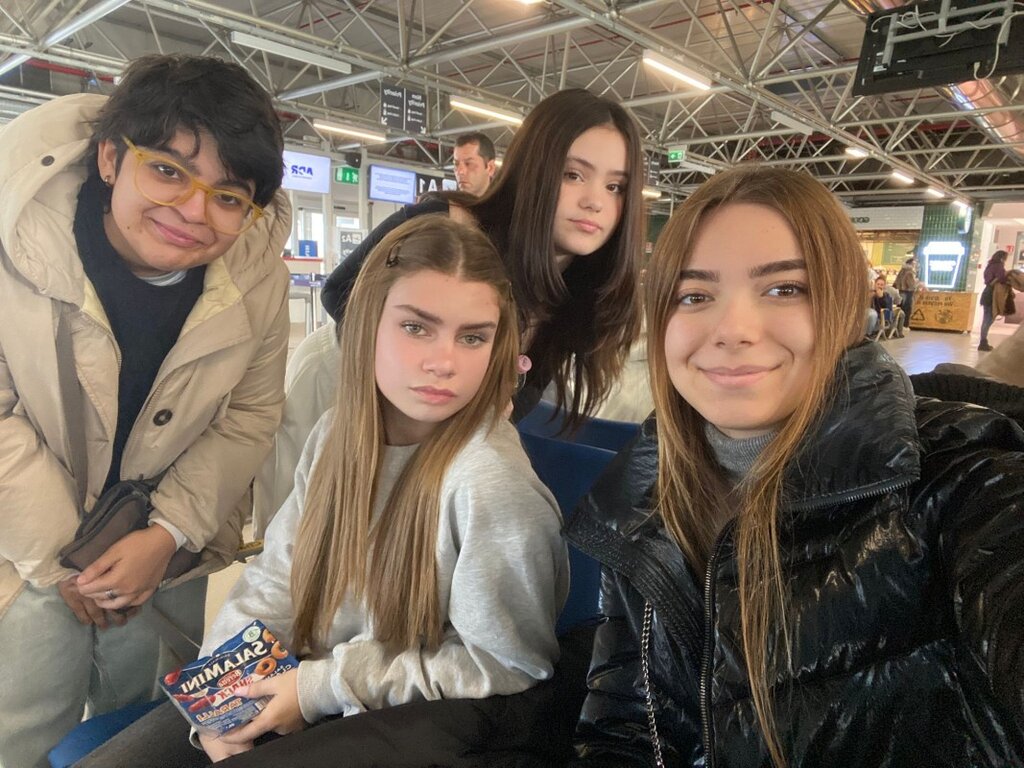
And Elitsa Pavlova from the First English High School in Sofia told Radio Bulgaria how they get together after work, talk about their impressions of the day, but also about life in Italy and Bulgaria. "Communicating with them is extremely interesting," shares the student from Sofia and adds her impressions of communicating with peers from Rome:
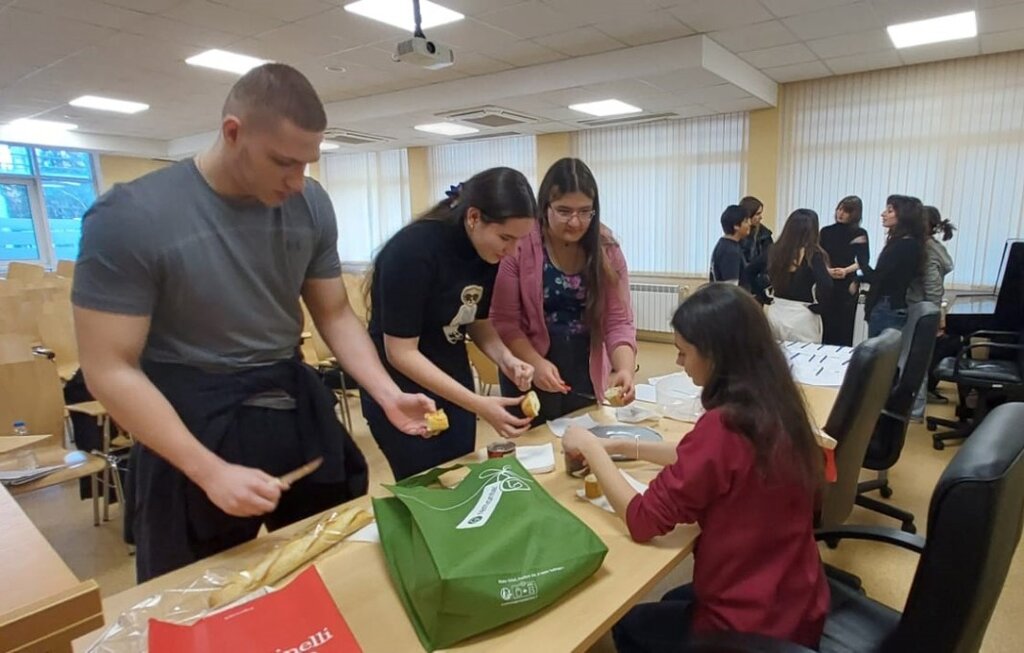
"We find a lot in common. We asked them what their favorite Bulgarian foods are - they love yogurt and make mekitsi with white cheese for breakfast. They carry a Bulgarian identity inside of them and it is very interesting to see that even abroad they live like us and like the same things."
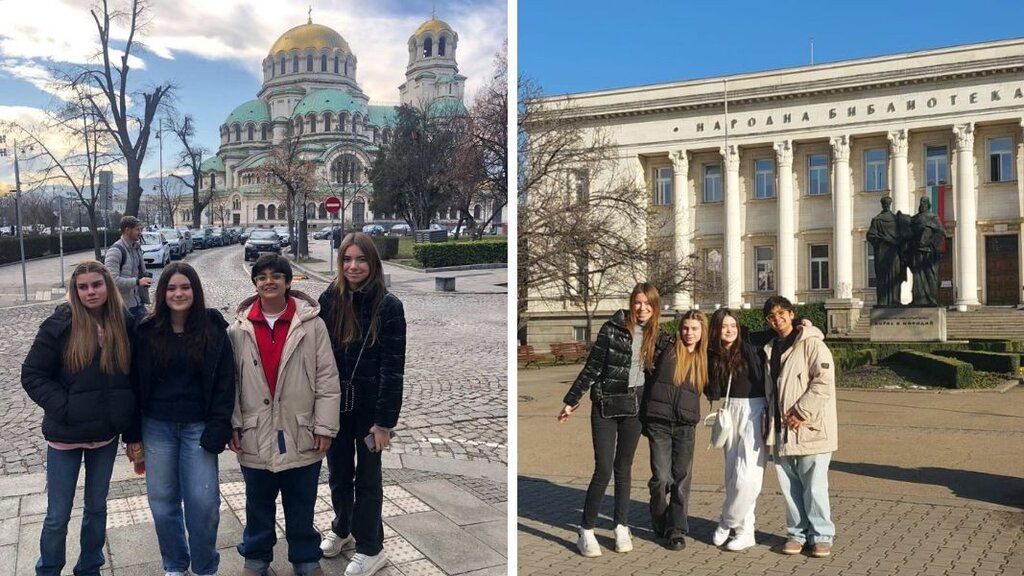
Bulgaria is not foreign to the Bulgarian children from Rome, although many of them were born outside of this country. However, returning here is always emotional, providing them with the opportunity to communicate in Bulgarian, to create new friendships and unforgettable memories. The group from the Bulgarian Sunday School "Assen and Iliya Peykovi" has already returned to the Italian capital, but the next challenges of the project, which will take them to Copenhagen, are lying ahead.
Read also:
- Bulgarian pupils in Rome revive the memory of the first Bulgarian school in Chiprovtsi dating to 1624
- Students from Bulgarian schools in Italy pubish atlas about Saints Cyril and Methodius
- Assoc. Prof. Natalia Nyagolova from Rome: In Italy, there is interest in studying the Bulgarian language
- Bulgarian schoolchildren from Rome learn lessons while making a film, RAI TV reports on the film
This publication was created by: БНР екип