


News
Four generations of talent or how the folk arts school in Kotel preserves the Bulgarian spirit
Wednesday 12 February 2025 09:38
Wednesday, 12 February 2025, 09:38
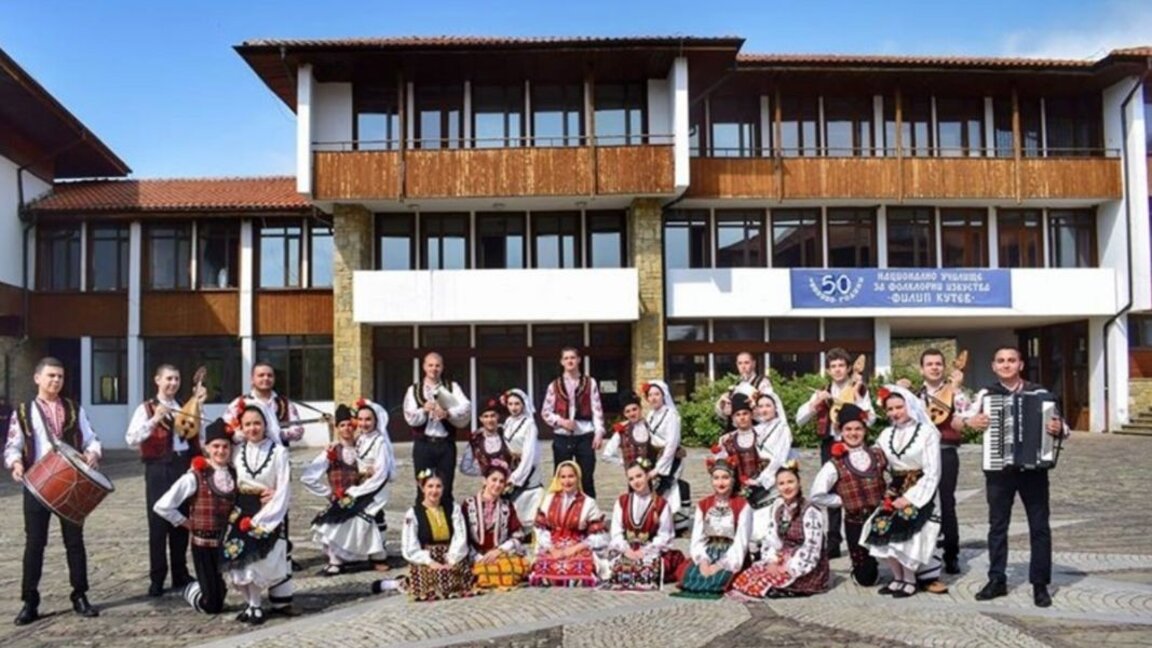
PHOTO Photo: Radio Stara Zagora
Font size
The Philip Koutev National School of Folk Arts is not just any school - it is a talent laboratory. It is the first school not only in Bulgaria but in the Balkans for professional study of folklore. It is located in the heart of the beautiful town of Kotel, which was declared an architectural and historical reserve for its authenyic Rennaissance athmosphere.
Currently, 280 children from all over Bulgaria are trained in the school. They study Bulgarian folk instruments - kaval, bagpipe, gadulka, tambura - folk singing, Bulgarian folk dances, and accordion.
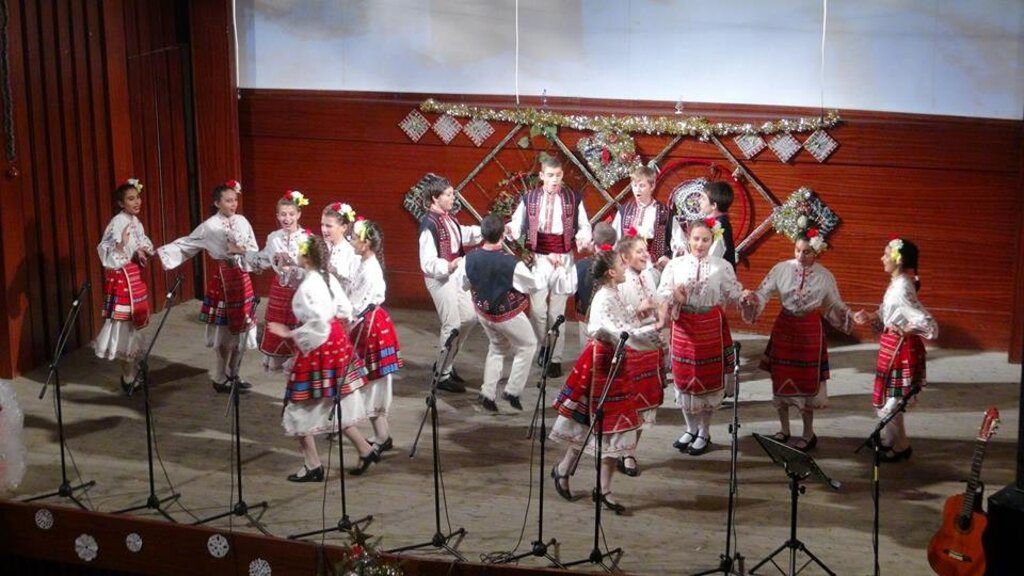
PHOTO Национално училище за фолклорни изкуства Филип Кутев
Maria Gradeshlieva has been a head of the the educational institution for 25 years now. For that time the school has become a home for talented children drom across the country. In an interview with Radio Bulgaria, she tell us how the school manages to attract more and more young people to folklore, to inspire in them a love of tradition and a desire to preserve our Bulgarian identity:
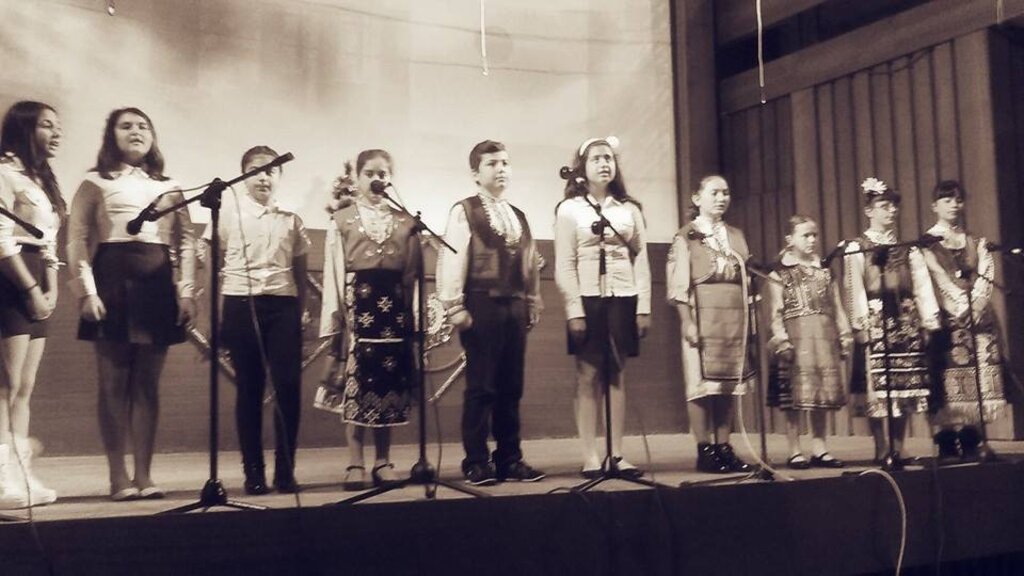
PHOTO Национално училище за фолклорни изкуства Филип Кутев
"The school was founded in 1967. The first 27 talented children who enrolled came from all over Bulgaria to learn to play folk instruments.
The first class of folk singers was admitted in 1977, but over time we added new specialities such as lutherie, folk dancing, accordion, etc," says Maria Gradeshlieva about the school's history.
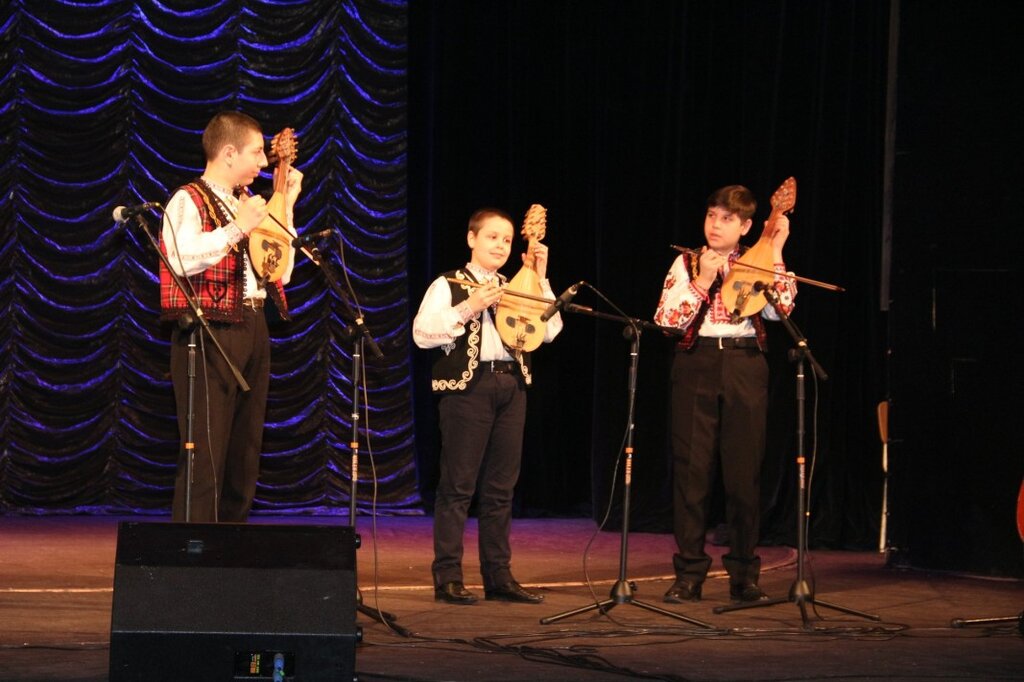
PHOTO Национално училище за фолклорни изкуства Филип Кутев
So far, more than 2,300 people have graduated from the school - that's four generations of Bulgarians, she notes. Many of them now work in professional ensembles, music schools and teach in folklore schools in Bulgaria. Among the school's graduates are famous musicians such as the famous kaval player Teodosii Spasov, the composer and conductor of the Bulgarian National Radio Folk Orchestra Dimitar Christoff, the conductor Colonel Radi Vassilev, etc. Now, the children and grandchildren of our graduates share the same love for Bulgarian rhythms and come to study at the school in Kotel and devote themselves to our folklore. There is a spirit of brotherhood and artistic cooperation in the school, says Maria Gradeshlieva, adding:
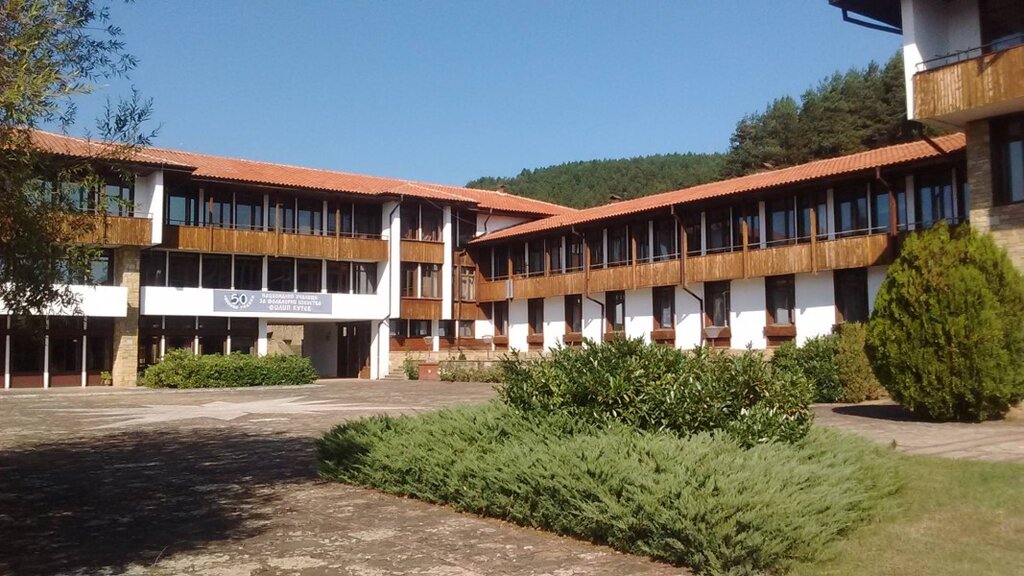
PHOTO Национално училище за фолклорни изкуства Филип Кутев
"We have a dormitory with 120 beds, so it's a closed-loop system. The dormitory and the school are in the same building. We have a canteen where everyone eats together. And it creates a home-like and creative environment at the same time, because in the evenings the kids come together. The bond between them is very strong - they socialise all day, they play together, they make art together, which is more than just a learning process - it's a lifestyle," says Maria Gradeshlieva.
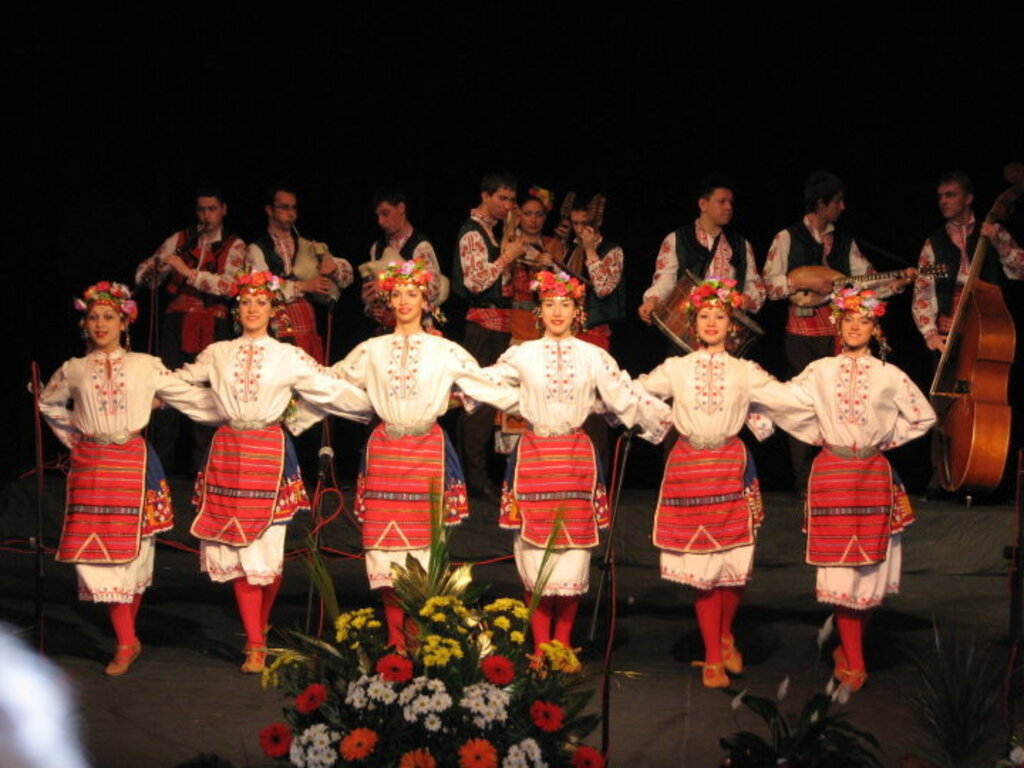
PHOTO Национално училище за фолклорни изкуства Филип Кутев
Despite the advent of the internet and modern technology in our modern world, young people continue to discover the magic of Bulgarian folklore and traditions. According to the headmistress, one of the main things that attracts them to folklore is continuity, because children see how generations change, but folklore remains constant and powerful.
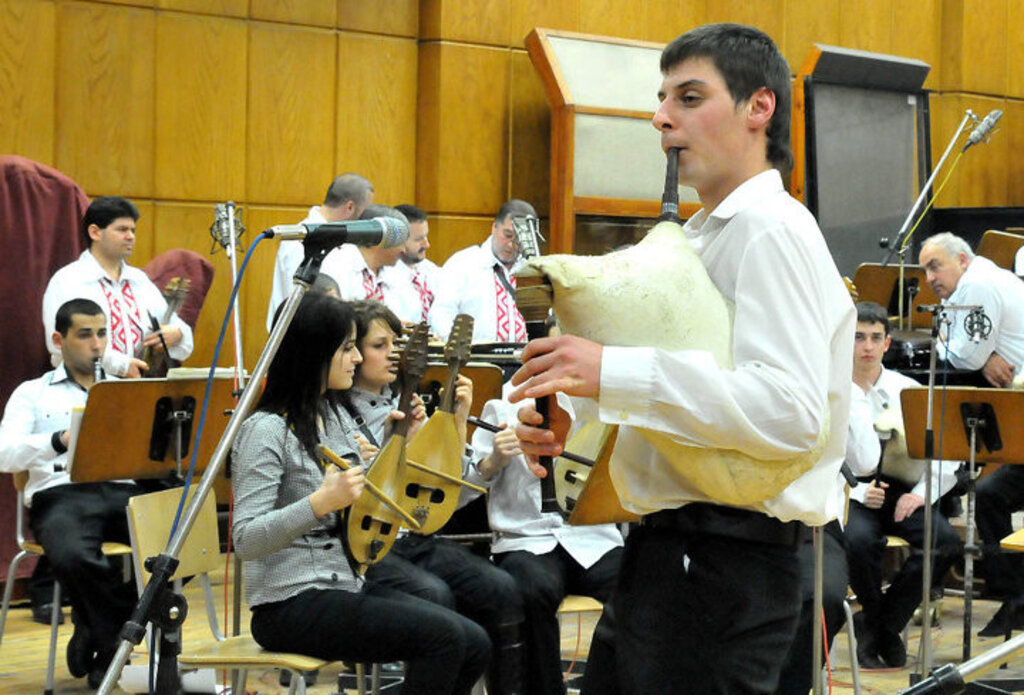
One of the most in-demand disciplines at the moment is folk dance and accordion, driven by the proliferation of dance clubs and schools across the country and the growing need for choreographers and accordionists. Bagpiping is also in high demand among future professional musicians.
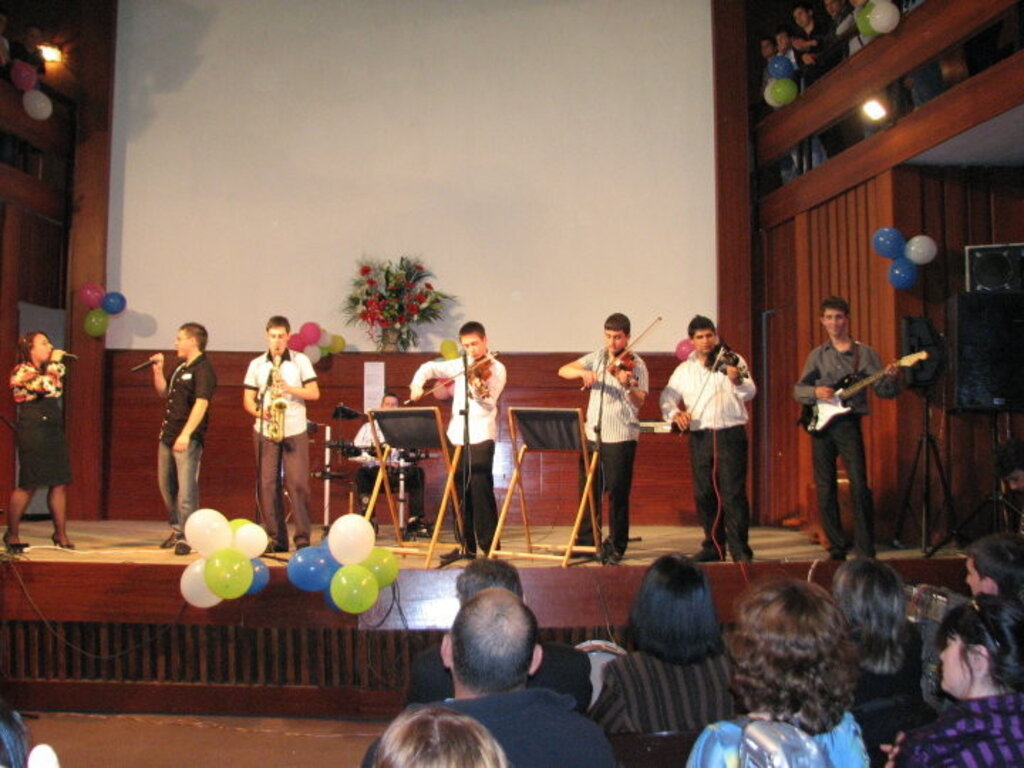
PHOTO Национално училище за фолклорни изкуства Филип Кутев
"We have 42 bagpipes in the school. People are most interested in this instrument. The reason, I think, is that Bulgarians like to play the bagpipes on happy occasions - at weddings, baptisms, parties. Parents also appreciate having a bagpiper in the family when their child is talented. It is a powerful-sounding instrument that can be heard from afar.
"Every month the school organises productions where young musicians can show their skills in front of an audience. Students regularly take part in concerts and tours abroad, winning prestigious international awards and spreading the fame of Bulgarian folklore around the world.
Further reading:
Photos: Philip Koutev National School of Folk Arts
Posted in English by E. Radkova
This publication was created by: БНР екип