


On the sacrifice and redemption in the Ilinden-Preobrazhenie Uprising
Sunday 20 July 2025 06:43
Sunday, 20 July 2025, 06:43
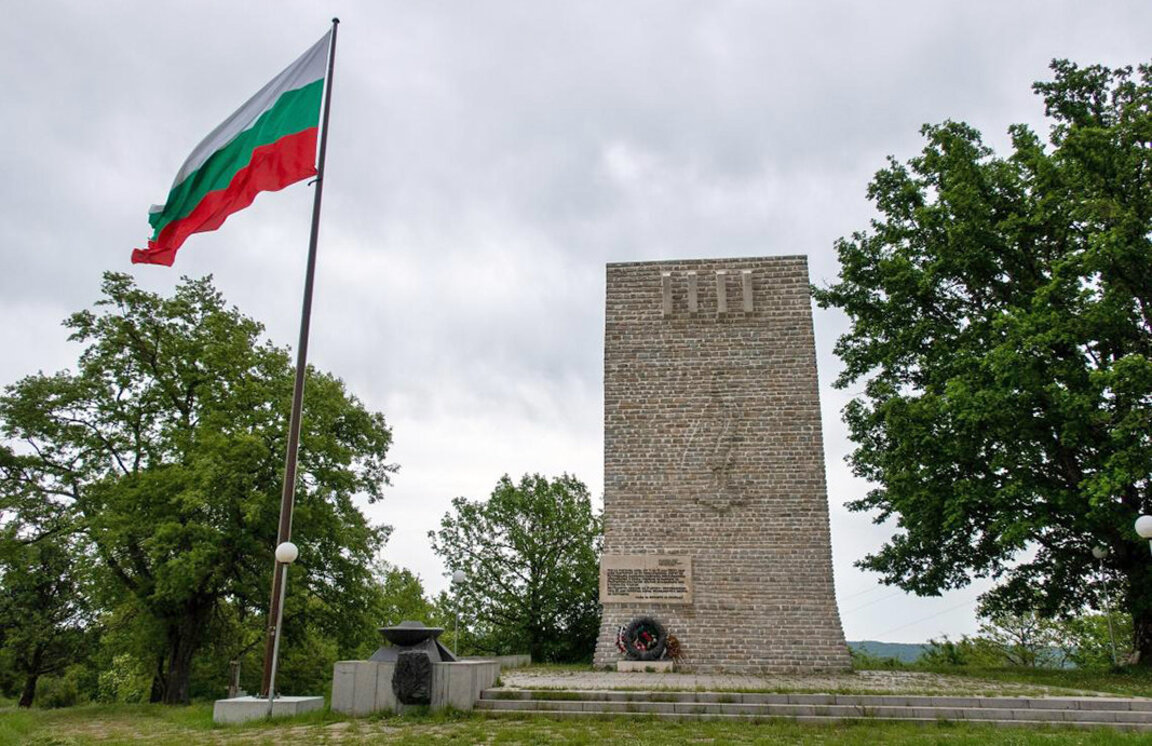
The monument at Petrova Niva in Strandzha in honor of the heroes of the Ilinden-Preobrazhensko Uprising
PHOTO © Wikimedia Commons
Font size
The revival of Bulgarian statehood after five centuries of Ottoman rule is connected with the April Uprising of 1876 and the Internal Revolutionary Organization previously created by Vasil Levski. After the Treaty of Berlin of 1878, the Bulgarians lived divided in the Principality of Bulgaria which was in a vassal dependence on Turkey, in the autonomous region of Eastern Rumelia, and under full sultanic rule in Macedonia and Edirne Thrace.
Again with the help of internal revolutionary committees, the military intervention of the Principality, and international diplomacy, in 1885 the Principality of Bulgaria was united with Eastern Rumelia.
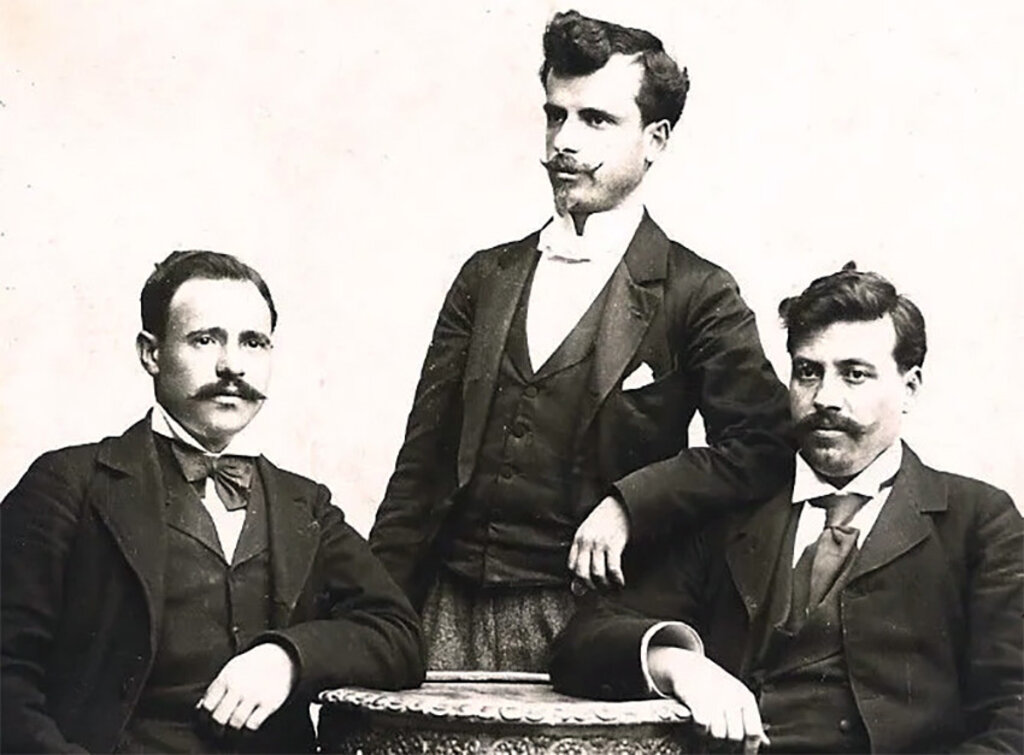
Трима от най-известните дейци на ВМОРО (от ляво на дясно): Ефрем Чучков, Климент Шапкарев и Гоце Делчев, 1902 г.
PHOTO historymuseum.org
In 1893, in Thessaloniki, the Bulgarians from Macedonia and Edirne created their Internal Macedonian-Edirne Revolutionary Organization – VMORO. Ten years later, the organization raised the largest uprising in Bulgarian history in terms of territorial scope and mobilization (over 26,000 rebels fought against 350,000 Ottoman military forces). The aim of the uprising was to implement Art. 23 of the Treaty of Berlin and to grant autonomy to the Bulgarians in the Ottoman Empire, as a step towards unification with Bulgaria.
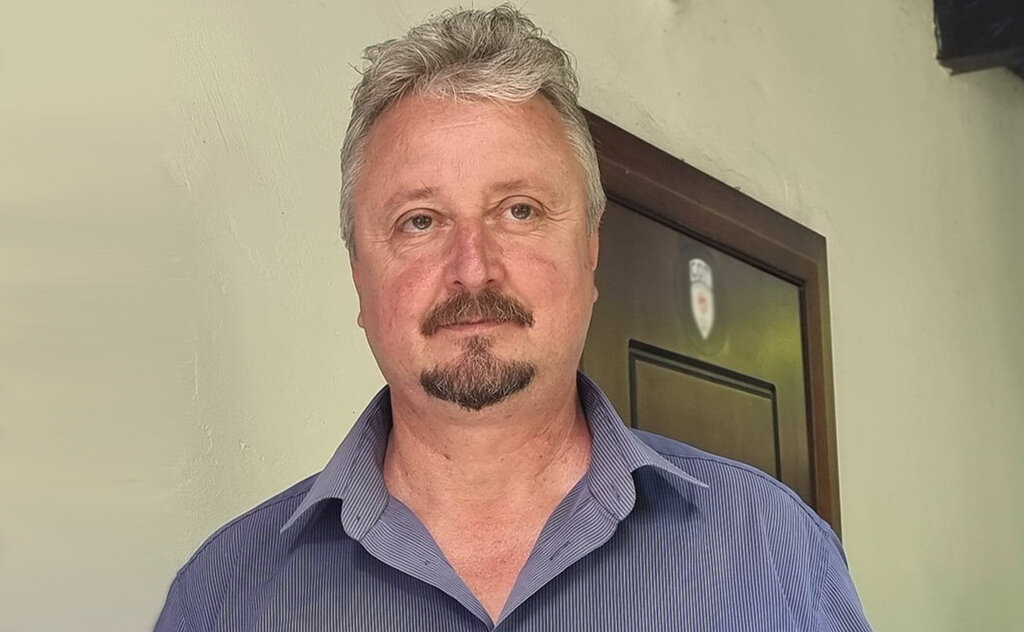
Доц. д-р Ангел Джонев
PHOTO БТА
“The situation in Macedonia at the beginning of the 20th century became very complicated,” Assoc. Prof. Dr. Angel Dzhonev from the Institute for Historical Research of the Bulgarian Academy of Sciences told Radio Bulgaria. “The population was subjected to great terror and this can be traced in a number of documents, which state that if the terror continues, the population of Macedonia will largely change its ethnic characteristics, since the Bulgarians are subjected to permanent destruction.”
On January 4, 1903 in Thessaloniki, in the absence of many of the leaders of the VMORO, a decision was made to organize an uprising. Gradually, the discussions on whether or not to have an uprising shifted to the question – if there was an uprising, what should it be?
"The prevailing idea was that since the insurgent forces were not significant, partisan tactics would have to be followed. Where possible, there should be larger insurgent actions. And where the population was not prepared – to resort to separate actions. Therefore, the main part of the insurgent efforts were directed mainly to the west of the Vardar River, where it was believed that the Bitola region was best prepared," says Assoc. Prof. Dzhonev.
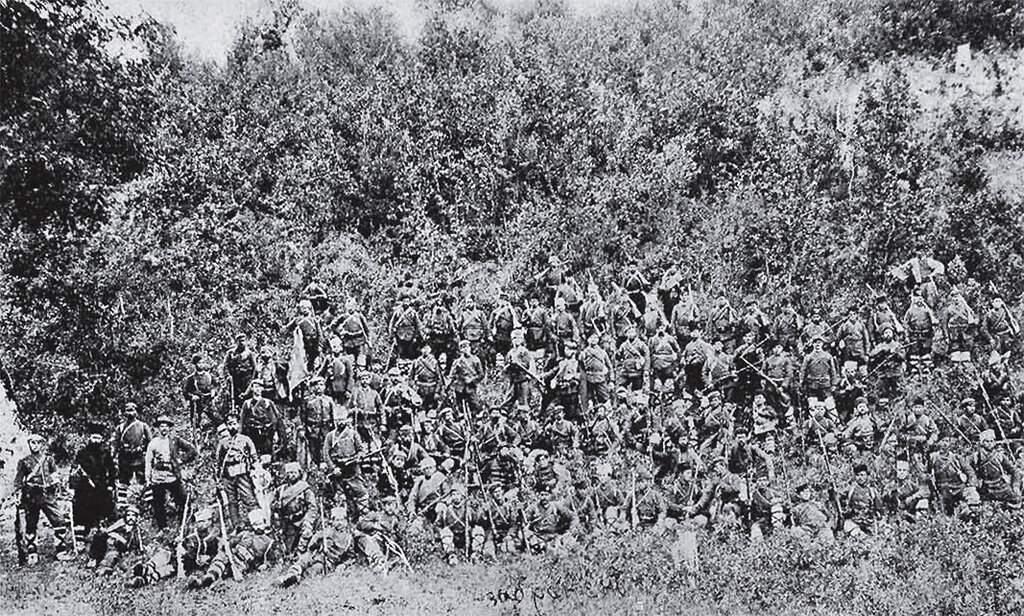
Чети на ВМОРО в Одринска Тракия преди началото на въстанието
PHOTO bg.wikipedia.org
Following the partisan tactics and in order to save forces in the event of a longer duration of the uprising, it began on different dates in the individual revolutionary districts – on July 20 (Ilinden) in Bitola, on August 6 (Preobrazhenie or the Day of the Transfiguration) in Edirne and on September 15 (Krastovden) in Pirin and the region of Sjaar.
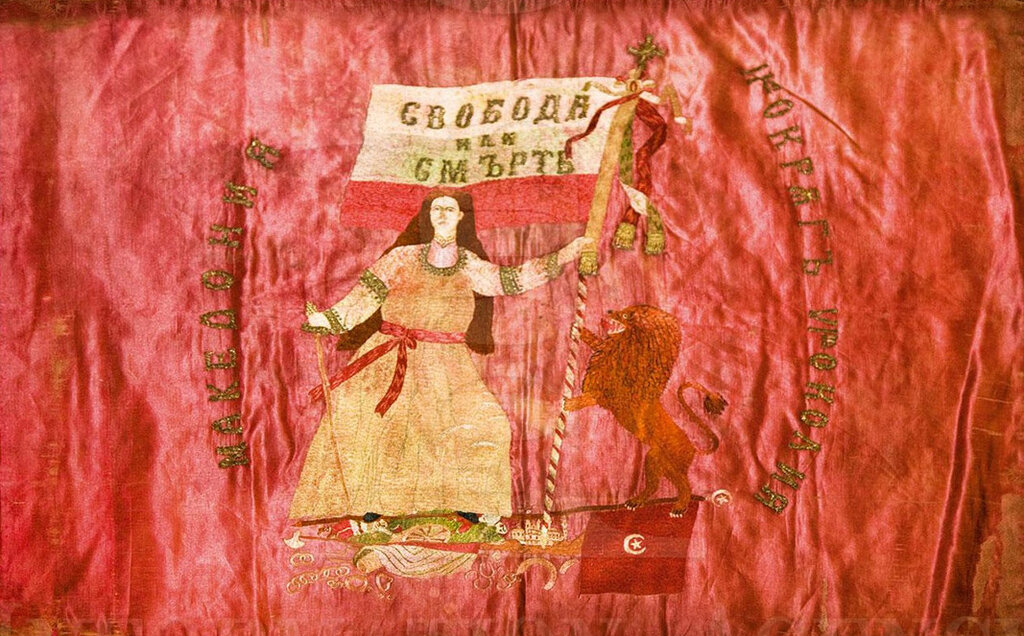
Извезано от учителки от Охрид знаме на въстаниците
PHOTO bg.wikipedia.org
"When the uprising began to die out in Bitola, it was already in full swing in Edirne and at its beginning in the Pirin region. It was precisely when it was officially to break out in the Pirin region on September 15 that the General Staff decided to gradually cease its active activity and for the insurgent units to be demobilized. What is remarkable here is that in the Bitola district we can speak not of a pogrom, but of demobilization, of collecting weapons, of storing weapons and of legalizing part of the mobilized local population in the fighting units," explains the researcher.
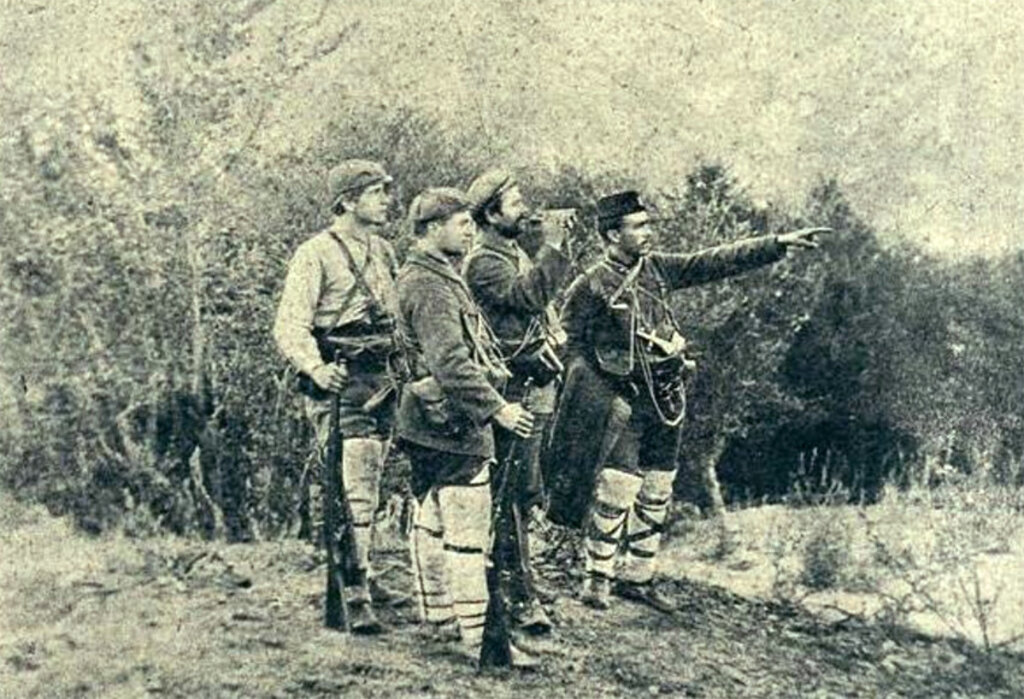
Щабът на четата на Христо Чернопеев, 1903 г.
PHOTO bg.wikipedia.org
The scholar considers the partial reforms undertaken by Austria-Hungary and Russia in Macedonia as an undisputed success of the Ilinden-Preobrazhenie Uprising.
"Not only was the issue internationalized, but literally in the physical sense of the word, representatives of the Great Powers, and military representatives through the Mürzsteg reforms, began to observe the situation of the Christian population in the three provinces of Macedonia."
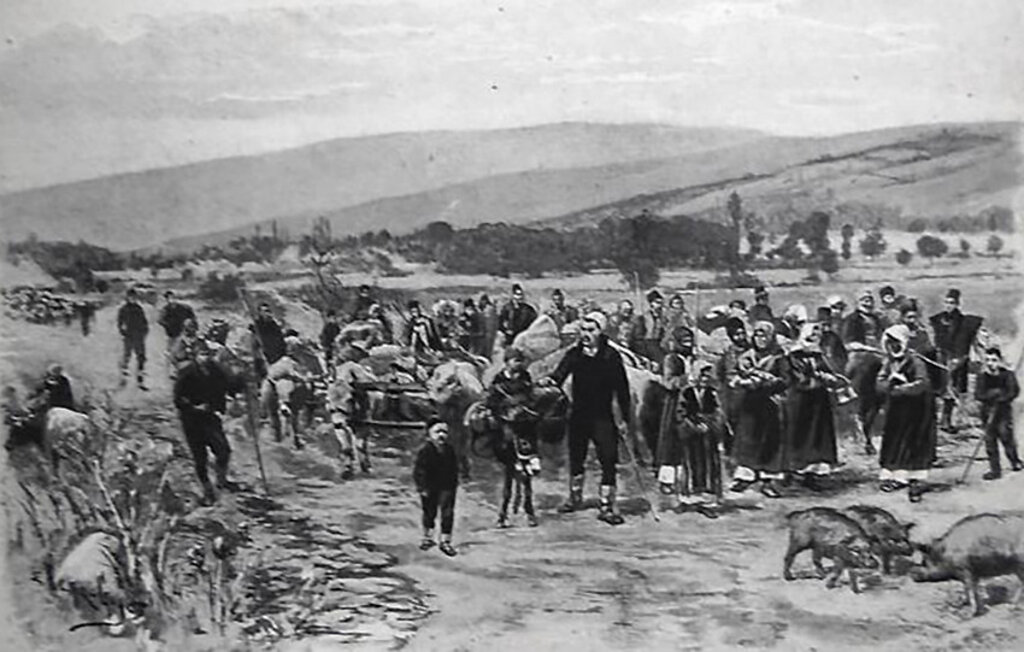
Бежанци от Македония преминават в Княжество България
PHOTO bg.wikipedia.org
122 years ago, despite the sacrifice of the rebels, the unequal battle was ended. The remaining unresolved Macedonian question would lead to the Balkan Wars and the final division of the region after 1919. In addition to the few representatives of other nationalities in Macedonia who participated in the uprising, the majority of participants in the drama of 1902-1903 explicitly declared their Bulgarian nationality. But in North Macedonia the same heroes are today declared "Macedonians". In Skopje, they categorically refuse joint celebrations of the common history of the two countries, even though this is explicitly stated in the Treaty of Friendship, Good Neighborliness and Cooperation between Bulgaria and North Macedonia from 2017.
English publication: R. Petkova
Photos: BTA, historymuseum.org, bg.wikipedia.org
Photos: BTA, historymuseum.org, bg.wikipedia.org
This publication was created by: БНР екип