


In the footsteps of medieval monks – the hidden face of the Ivanovo Rock Monastery
Sunday 31 August 2025 08:35
Sunday, 31 August 2025, 08:35
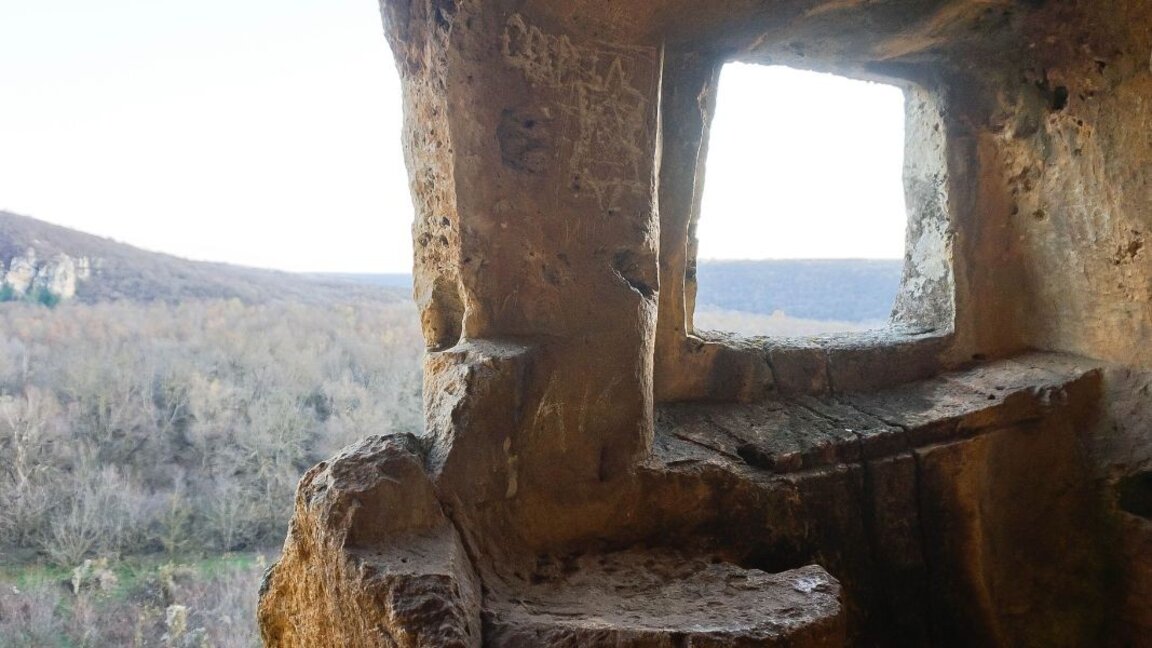
PHOTO Milen Yordanov
Font size
High in the canyon of the Rusenski Lom River lies one of the most impressive spiritual centers of Bulgaria. It is a complex of dozens of rock-hewn cells, chapels and churches carved on both sides of the river, which came to life in the 13th century as part of the Ivanovo Rock Monastery "St. Archangel Michael".
The most impressive rock church in the area is the Church to the Holy Theotokos (Mother of God) included in the UNESCO World Heritage List with frescoes dating to the 14th century. What tourists see, however, is only a small part of the once vast monastery. The majority of the churches are located in the "Pismata" area on the right side of the Rusenski Lom River.
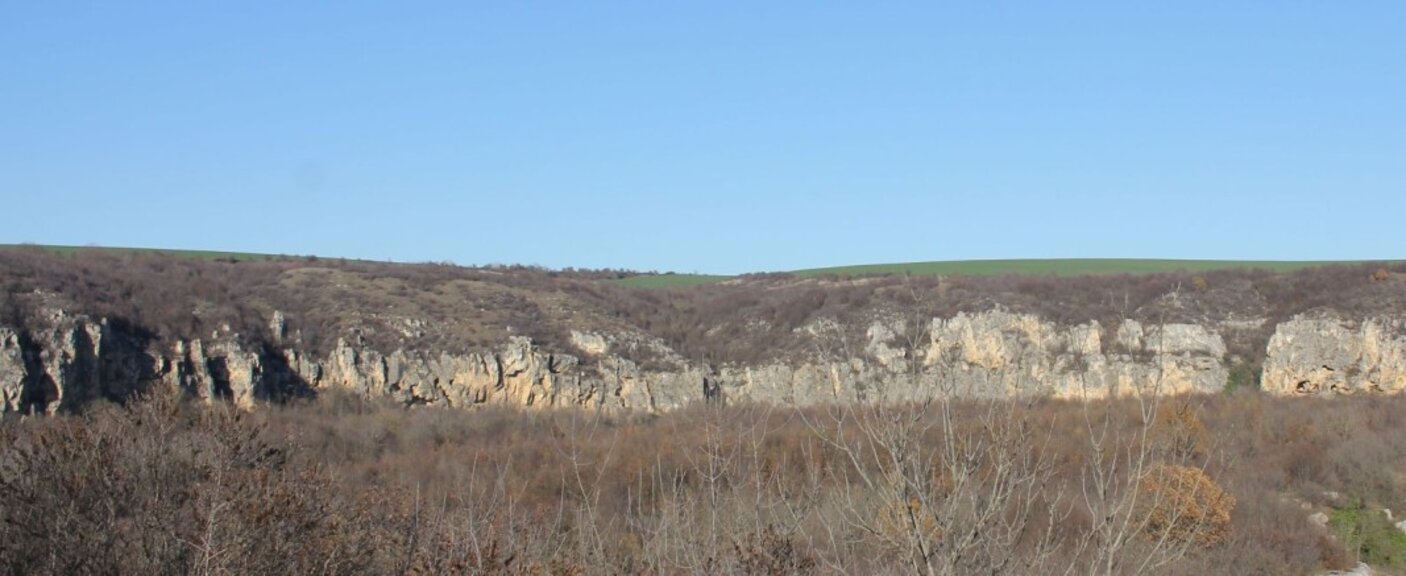
Местността „Писмата“, в която е разположена по-голямата част от Ивановския скален манастир „Св. арх. Михаил“
PHOTO Милен Йорданов
The Regional History Museum in the nearby town of Ruse organizes special tours with an expert guide that take curious travelers into the heart of the spiritual history of the Second Bulgarian Kingdom (1185 – 1396). Evgeni Georgiev, curator at the museum and guide of these tours, explains more in an interview for Radio Bulgaria:
"This tour is more like a tourist hike, with walking in the Rusenski Lom valley and visiting the monastery parts themselves. But we walk along paths, some of which are steeper in places, we climb wooden stairs. It is necessary for participants to be dressed appropriately for such short hikes, to bring water, a hat, etc. and to be careful, in view of which it is desirable that these groups do not exceed 15 people. The duration is relative and depends on the group and the people, but is around 3-4 hours."
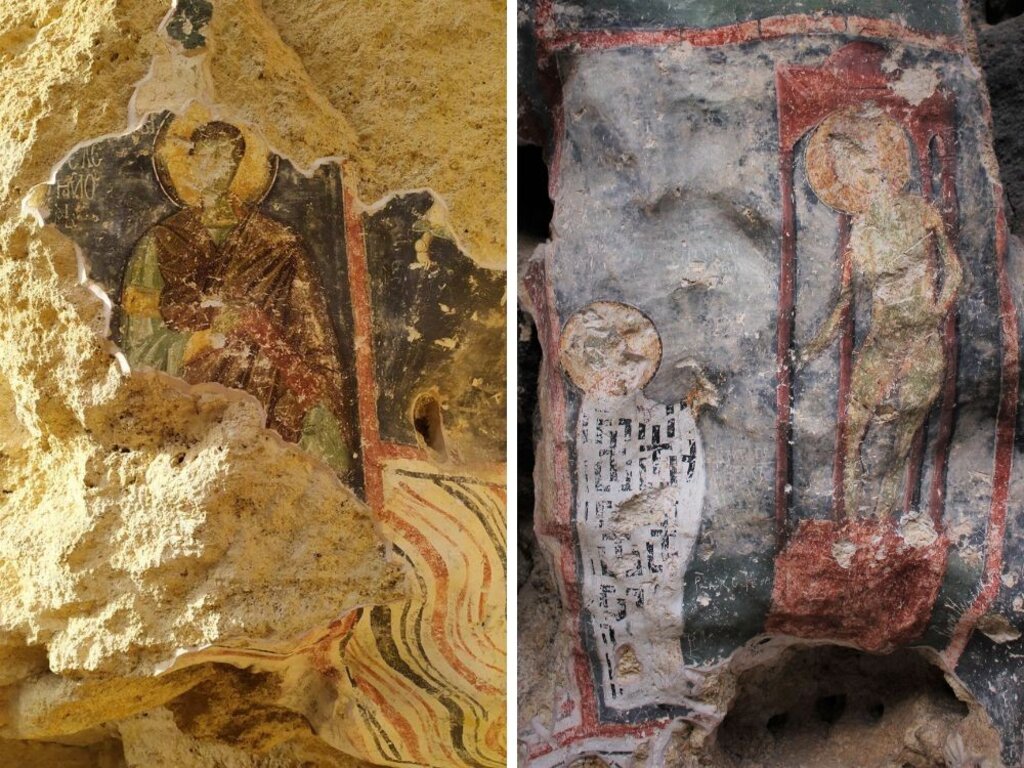
PHOTO Милен Йорданов
The passage through the rock massif, all "pierced" with churches, chapels and cells, requires good physical condition. Evgeni Georgiev leads the groups to some of the eight main complexes, chosen specifically for the frescoes preserved in them, which tell the story of the flourishing of the Ivanovo Rock Monastery between the 13th and 14th centuries:
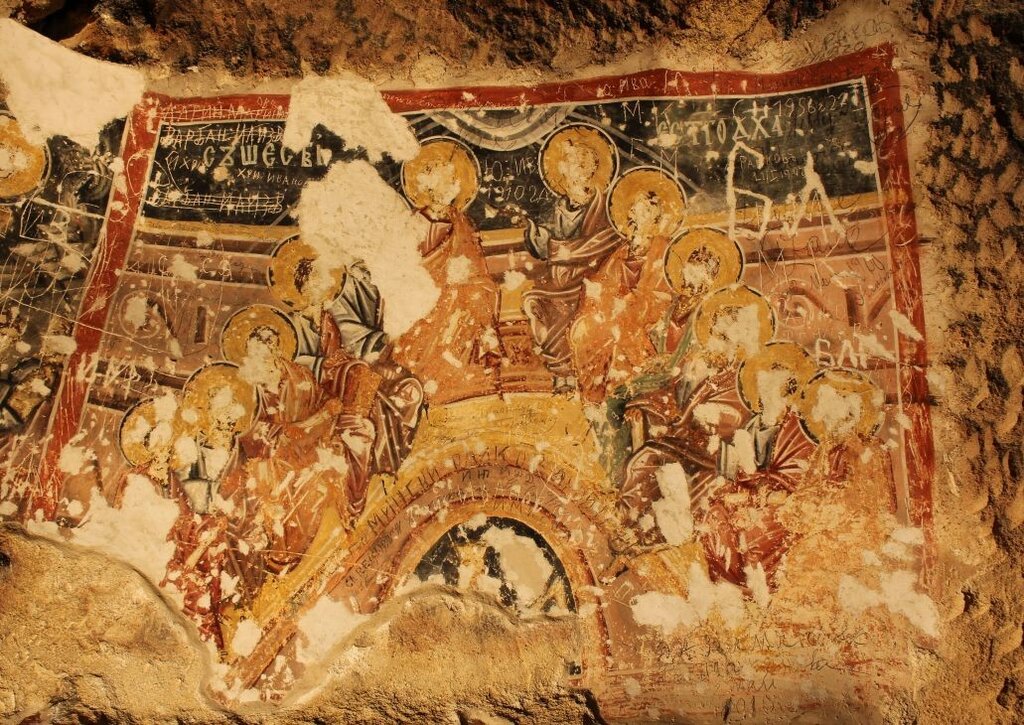
Фреската „Съшествие на Св. Дух над апостолите“
PHOTO Милен Йорданов
"The first monastery to be examined is the complex at the Buried Church, where the very beginning of the monastery was laid by Patriarch St. Joachim I (editor's note: the future first Patriarch of Tarnovo (1235 – 1246)), after returning from Mount Athos with a donation from Tsar Ivan Asen II. This Bulgarian saint served in the church as the first abbot of the monastery. There are two preserved churches with frescoes here, and in one of them there is also a donor composition, which depicts the donor – the Bulgarian Tsar Ivan Asen II, presenting a model of the temple of St. Archangel Michael."
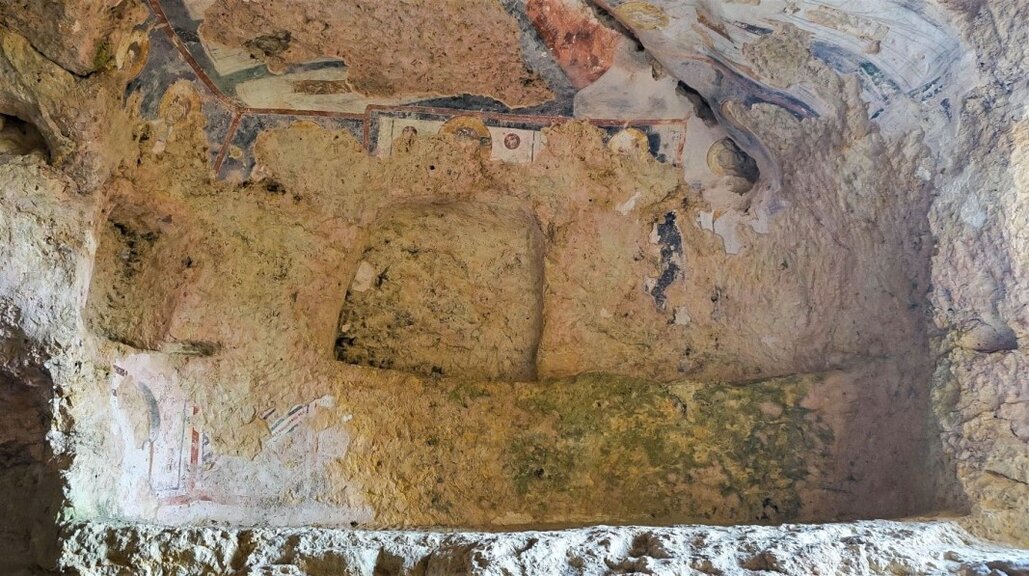
Олтарната част на храма в „Господев дол“
PHOTO Милен Йорданов
The route continues to other notable places such as the "Baptismal" church and the "Gospodiev Dol" (God's ravine) locality named so because of the image of Christ that guards the valley. Along the way, the "Voshkini" rock formations, resembling honeycombs, testify to the symbiosis between man and nature. The culmination is in the easternmost chapel, dedicated to St. Theodore Tyrone and Theodore Stratilates, where the frescoes date to the 14th century. And there we have another donor image of St. Theophana presenting the model of a three-story building to her two heavenly patrons.
For Evgeni Georgiev, the true value of this journey is not only in the artistic masterpieces:
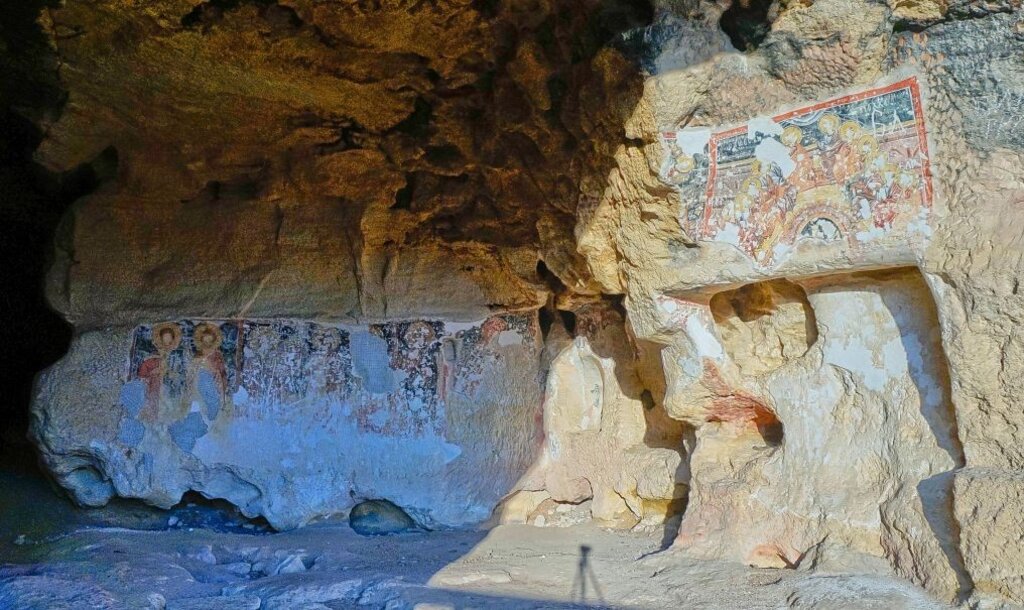
„Съборената църква“
PHOTO Милен Йорданов
"In my opinion, the most valuable thing in this case is this time transfer to a long-gone era. Because we really see the monasteries as they were in the 13th – 14th centuries. This is not something transferred to a museum, but we see it on site, as it once was. The valuable thing here is that unlike the masonry churches that our archaeologists discover – usually these are only their foundations during excavations, here we have a completely preserved interior. And when we come across the preserved frescoes, this time transfer is quite striking," tour guide Evgeni Georgiev concludes.
Read also:
Photos: Evgeni Georgiev
English: R. Petkova
English: R. Petkova
This publication was created by: БГНЕС