


Article
Will Bulgaria enter the Eurozone without approved 2026 budget?
Next year’s budget will be revised; the opposition is organizing a “warning” protest
Monday 1 December 2025 12:02
Monday, 1 December 2025, 12:02
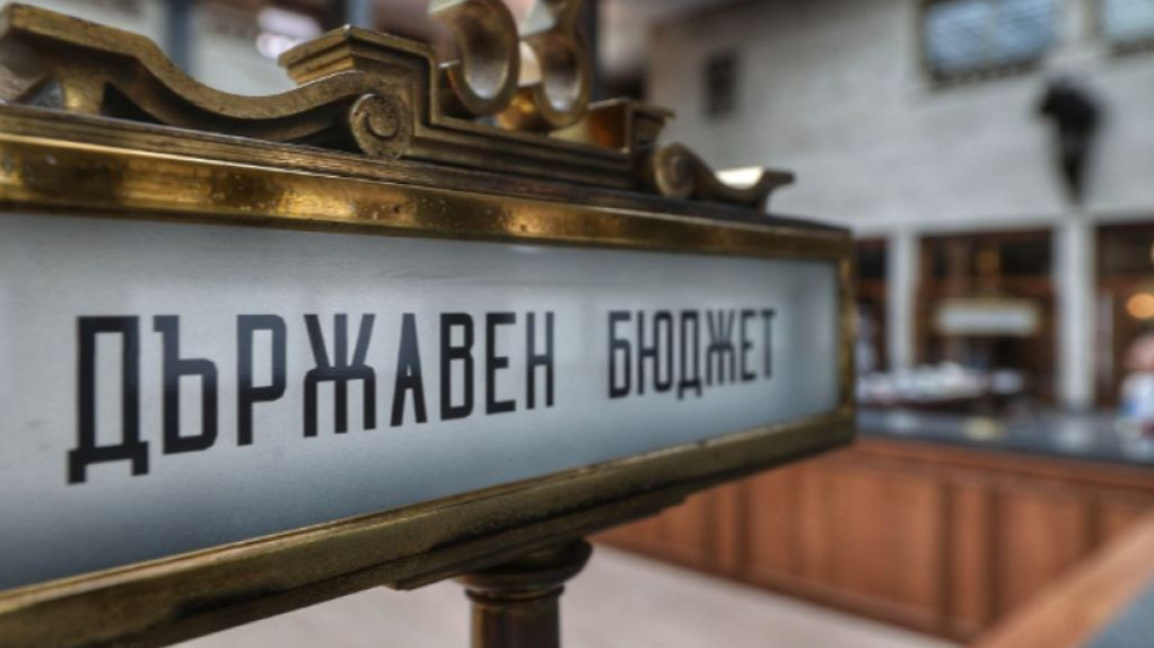
PHOTO BTA
Font size
Public discontent and parliamentary procedures may delay the adoption of the Bulgarian state budget, and there is a possibility that Bulgaria could step into the eurozone without a voted budget for 2026. The draft budget proposed by the Bulgarian government brought thousands of citizens out in the streets of central Sofia on November 26, protesting against what they described as unfair allocation of public resources and expressing overall disgust with the political situation in the country. In response, Boyko Borissov, leader of the mandate-holding party GERB, halted the procedure for the second reading of the budget bill in Parliament, while the prime minister announced the restoration of dialogue with employers’ organizations and trade unions.
After massive protest in front of parliament building the ruling coalition freezes budget for 2026
Under the motto “We will not let them deceive us,” the opposition—represented by the coalition “We Continue the Change - Democratic Bulgaria” is organizing another protest in Sofia and several regional cities on December 1. Acad. Nikolay Denkov, former prime minister and current deputy chair of “We Continue the Change”, described it as a warning protest meant to remind the government that the proposed budget is expected to be withdrawn and fundamentally revised.
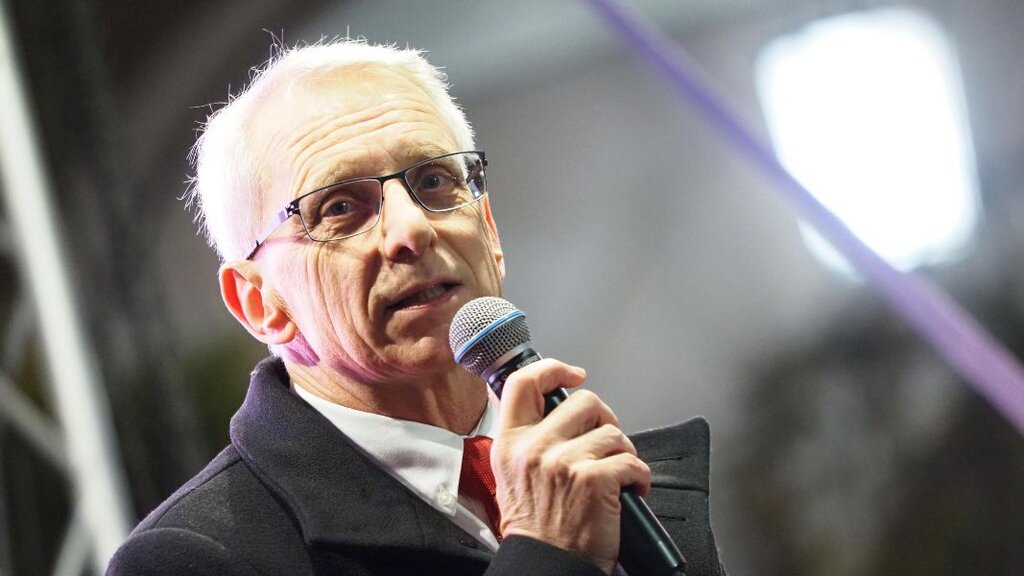
Nikolay Denkov
PHOTO BGNES
“Reworking the budget cannot be done in the plenary hall; the process must be restarted. We have time until New Year - if necessary, we will work through the holidays, but we must have a proper budget in which everything we vote on is coordinated and corresponds to what businesses and citizens expect regarding their income,” Denkov said in an interview for BNT.
Prime Minister Rosen Zhelyazkov urged the public not to confuse the procedure for adopting the budget with the philosophy and the parameters embedded in it. He clarified that, according to parliamentary rules, the budget can only be withdrawn after its first reading through a decision of Parliament.
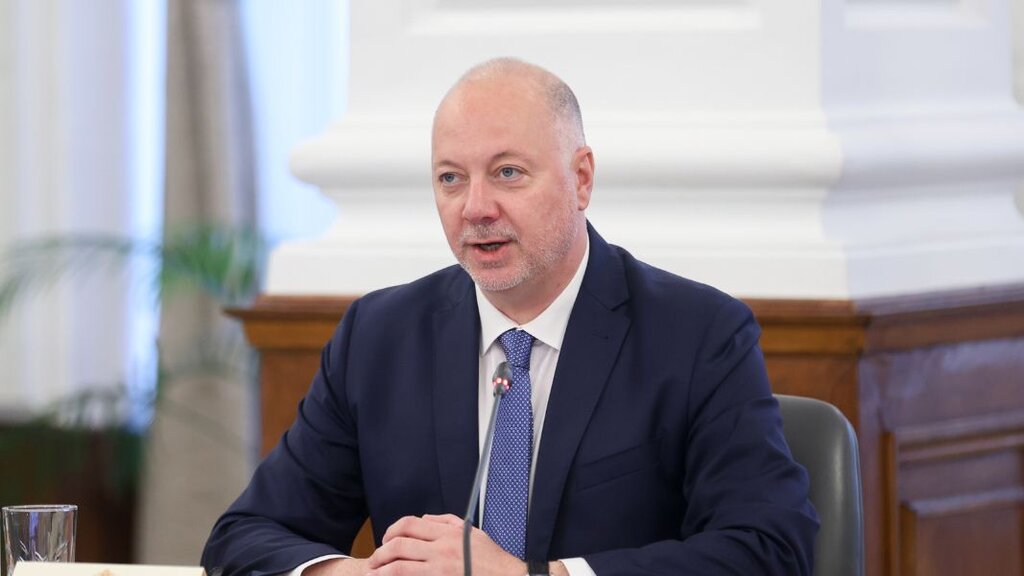
Rosen Zhelyazkov
PHOTO BTA
“If the procedure starts from the beginning, we will lose around two months solely on procedural steps. This would require us to prepare an extension budget to be applied in 2026. That means the 2025 budget - already converted into euro under the Public Finance Act - would operate during the most complex period of the year, when the dual circulation of the lev and the euro will be in effect in January. This is a systemic risk. That is why our view is that we can achieve a more optimal budget through amending reports between the first and second readings, provided that the Tripartite Council - government, unions, and employers - reaches agreement on the main parameters.”
If all current demands are incorporated, this would mean lower revenues and higher expenditures, Zhelyazkov emphasized, adding that discussions with employers and unions are ongoing, and a compromise must be reached. “We will see whether that consensus will also satisfy the political ambitions of the opposition,” he said. According to the prime minister, these are the first protests in history against a budget containing significant increases in social spending:
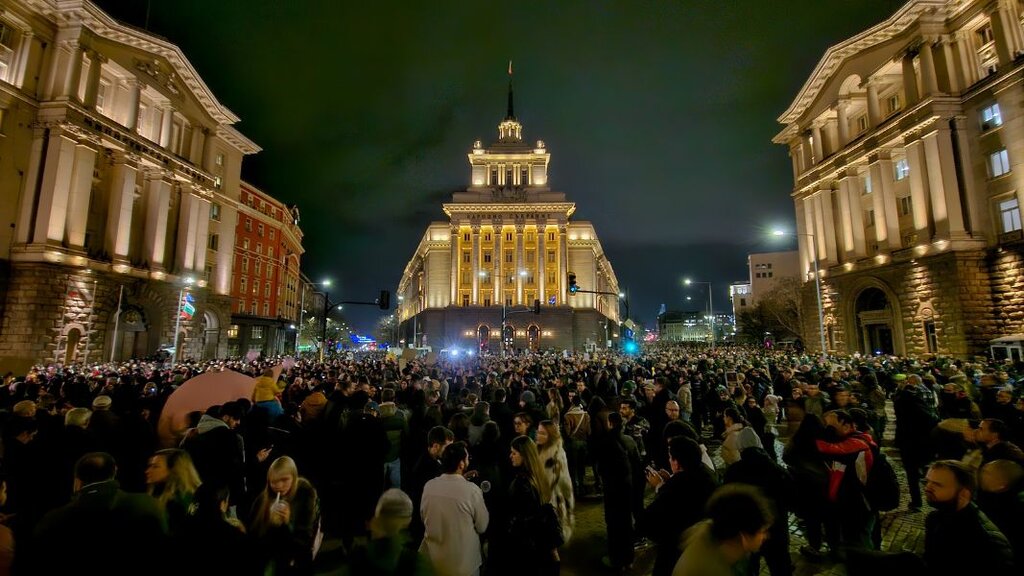
PHOTO BTA
“These are not social protests like those of 1996–1997, when the expectation was for more spending and social protection. Budget 2026 is neither leftist nor rightisst. … The protests united many incompatible groups: people protesting against the euro, people demanding more Europe and more liberalism, others demanding more conservatism, some calling for systemic policies and others for anti-systemic ones. There are also generational differences - young people protesting as a typical generational outburst against the status quo or conservatism. There are groups that are simply there because they dislike the government as such. This discontent must be addressed so that a response can be given. And if we assume that the budget is the address for these demands, then it must be revised - but within certain limits. If the consensus is to work with an extension of the 2025 budget, and if that is more acceptable, this is also an option.”

PHOTO Pexels
The ratio of GDP to debt is rising because expenditures are increasing - mainly due to social payments, the prime minister noted. He also commented on proposals by economists to consider raising VAT:
“We absolutely cannot allow that in 2026, because it would trigger inflationary processes. We will hear all proposals that can secure revenue increases, but I do not think society is currently willing to accept cuts to the budget’s spending side,” Zhelyazkov said, adding:
“We cannot expect that a budget, which is the financial framework of the state but also expresses the views of the governing majority, must receive full parliamentary support, including from the opposition - such a budget has never existed in Bulgarian history. This will be a budget meant to inspire some sense of solidarity given the difficult year ahead. And it will be difficult because of two key markers: one political - the upcoming presidential elections - and the other socio-economic, namely the smooth transition to the euro. All this must be considered when drafting the new budget parameters,” stated Prime Minister Rosen Zhelyazkov in the BNR current affair program “Sunday 150” on Horizon channel.
Edited by Elena Karkalanova
English version by Rositsa Petkova
This publication was created by: Rositsa Petkova