


Author
Desislava Shapkarova
Article
Bulgarian schools in UK insist on giving Bulgarian matriculation subject status
Tuesday 2 December 2025 13:06
Tuesday, 2 December 2025, 13:06
PHOTO Archive
Font size
A new trend is emerging among Bulgarian schools abroad: unification of educational centers by country. In September, the first joint meeting of the schools in Austria was held; in October - in England; and in November - in Germany. It is notable that these meetings are initiated by the Bulgarian diplomatic missions in the respective countries, with a focus on Bulgarian language education and the status of the Bulgarian language within local educational systems.
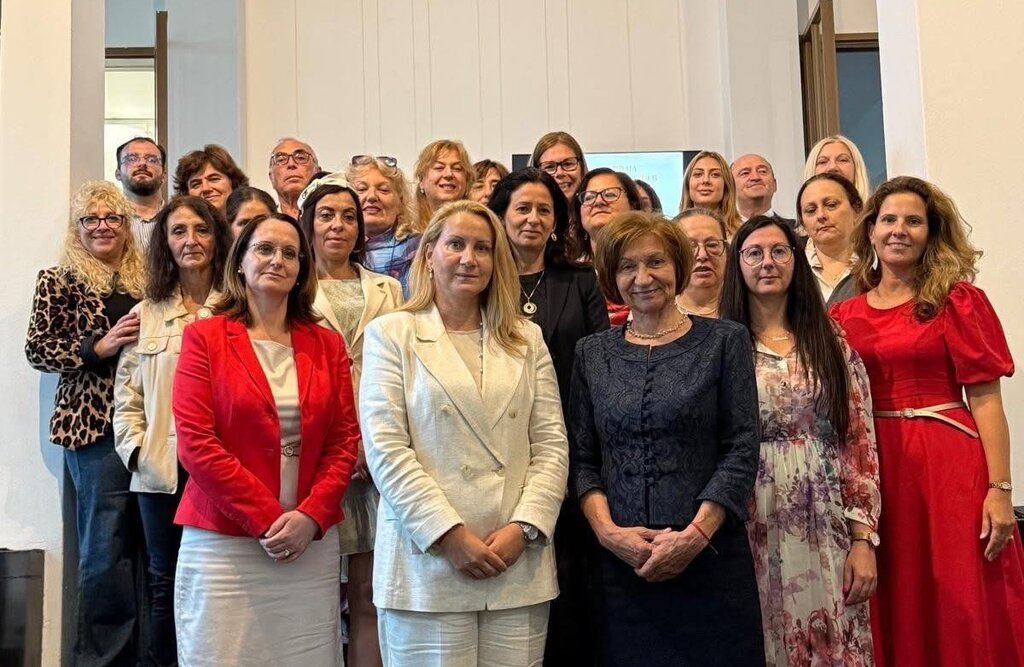
The first meeting of the five Bulgarian schools in Austria
PHOTO Association of Bulgarian Schools Abroad
On 21 October in London, the organization United Bulgarian Schools (UBS) was formed, with the goal of jointly achieving the introduction of Bulgarian language and literature matriculation exams in the UK educational system. At this stage, the association covers only England, but it is planned that, in time, Bulgarian educational centers offering primary, lower secondary and upper secondary education in Wales, Scotland and Northern Ireland will also join.
“In the USA, success has already been achieved - Bulgarian schools there are officially recognized by their educational systems. We believe the next step is for this to happen in Europe as well,” says Grigor Grigorov, chairman of UBS, co-founder of the Bulgarian school “Bukvaran” in London, Manchester and Liverpool. He adds:
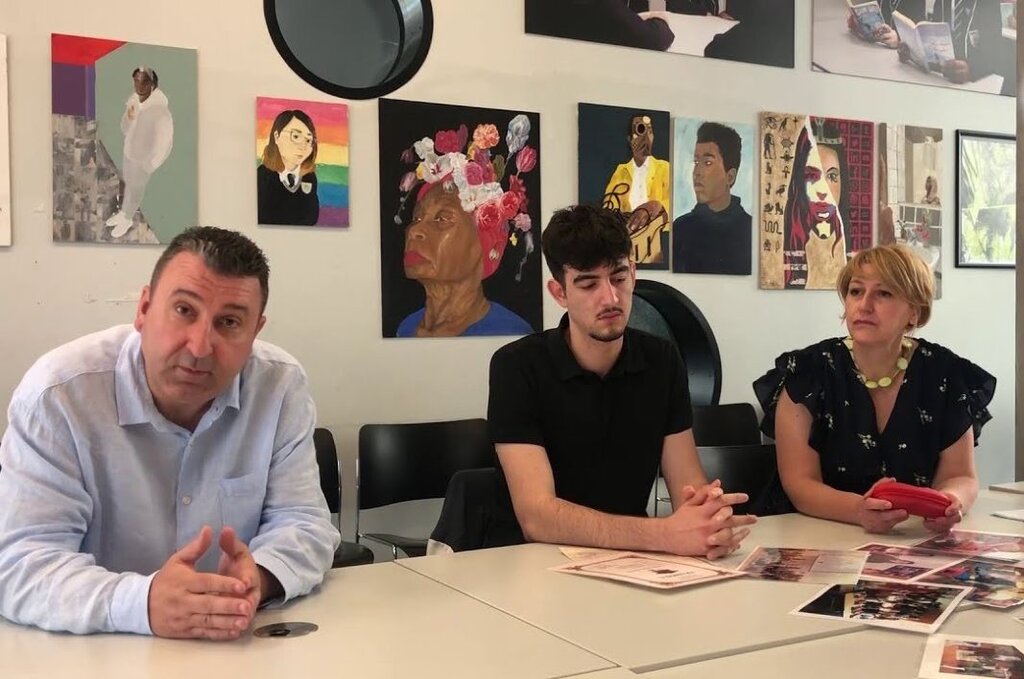
Grigor Grigovor (left)
PHOTO BTA
“To reach the finish line - that is, to create our organization - I must speak about the long-standing efforts made by the Bulgarian school community in the UK, especially in England, in fighting for the recognition of the Bulgarian language by the British education system. Everything began with the first Bulgarian school, led by Mrs. Snezhina Mecheva, established at the Bulgarian Embassy in the UK. Over the years, with the support of the Ministry of Education and Science, new Bulgarian schools were founded - first in London, then in other parts of the UK. Today, there are already 43 schools. We certainly have the largest number of Bulgarian students here, because our community is large - the UK was a preferred destination for Bulgarians before Brexit.
It is time to achieve in Europe the same success Bulgarian schools in the USA have already reached. We even reached the European Parliament, where a petition on small languages received support for Bulgarian from Spain, Portugal, and even Romania, which is fighting a battle similar to ours. The Association of Bulgarian Schools Abroad (ABUCH) was established, and many schools became members, but no matter what efforts were made locally, the response was always the same: ‘Your numbers are too small for us to give this the attention you seek.’”
However, when schools unite, the picture changes. Additional confidence and support also come from the Bulgarian state, which, according to Grigor Grigorov, has recognized this cause as a priority:
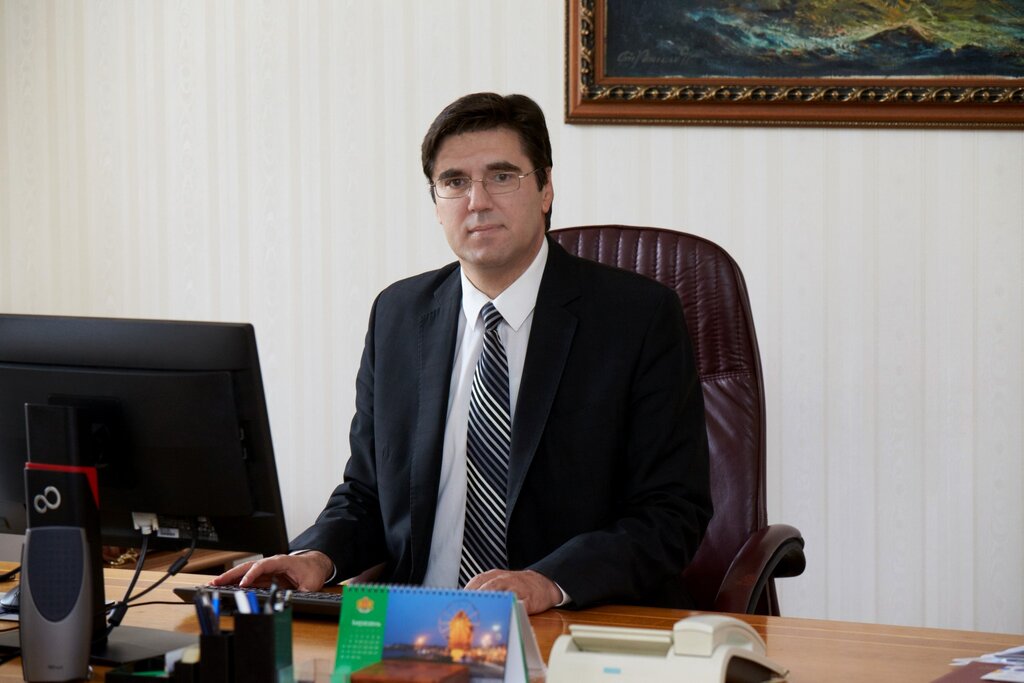
Ambassador Tihomir Stoytchev
PHOTO bulgaria-embassy.org
“I want to express my gratitude to Ambassador Tihomir Stoytchev, who is extremely committed to the process of obtaining recognition for the Bulgarian language from the British institutions,” said the UBS chairman. He also highlighted the contributions of Prof. Halacheva from the Department of Language Training at Sofia University “St. Kliment Ohridski,” as well as all governmental and non-governmental organizations supporting the cause.
Besides Grigor Grigorov, the UBS leadership includes: Nina Borisova - administrative coordinator from the Bulgarian School “St. Ivan Rilski” in Cambridge, Peterborough and Spalding, and member of the ABUCH board; Dr. Yordanka Velkova - professional advisor to UBS and longtime Bulgarian language lecturer at UCL (University College London)
The newly formed association has already submitted letters to the four UK institutions responsible for education. Its chairman emphasizes:
PHOTO UBS
“In this entire effort, absolutely everyone is important - school principals, the work of the Ministry of Education and the Ministry of Foreign Affairs, the support of Sofia University, and the professionals on our team, such as Mrs. Mecheva, who is the doyen of Bulgarian schools and teachers in the UK. We are all united by a single goal, and we are all equal.”
Grigorov added that if they do not succeed in breaking through the British system, teachers will continue their work as before, because their mission is to preserve the Bulgarian language, culture, and traditions outside the borders of Bulgaria. But he concluded:
“We are united - the state, the schools, the institutions - and I hope these efforts will lead to the result we are striving for!”
English version: R. Petkova
This publication was created by: Rositsa Petkova