


Author
Yoan Kolev
News
Urban environment: Accessible for some, a prison for others
Actress Iva Sveshtarova: People with disabilities deserve to be a more visible part of society
Wednesday 3 December 2025 10:15
Wednesday, 3 December 2025, 10:15
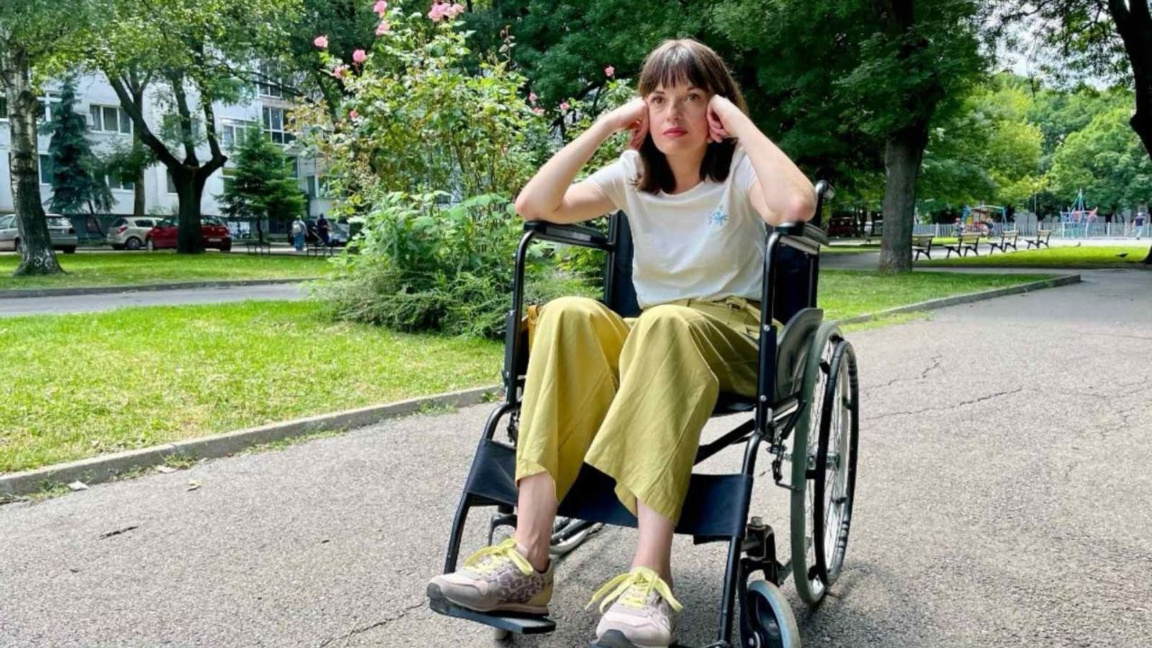
PHOTO Personal archive of film director Petya Andreeva
Font size
3 December is the International Day of Persons with Disabilities, a reminder that accessible urban environments are a necessity, not a nicety.
In Bulgaria, this issue remains painfully relevant. According to data from the National Centre for Public Health and Analyses, between 2005 and 2020, over 654,000 people in the country were living with permanent reduced working capacity or a recognised degree of disability. More than 22,000 of these people are children. These are people we rarely see on the streets, in public transport, or in shops, because urban environments are often not adapted to their needs. In reality, accessibility affects everyone, including parents with pushchairs, older people and anyone who may find themselves temporarily limited.
So why is it so difficult for people in disadvantaged positions to get around in Bulgarian towns?
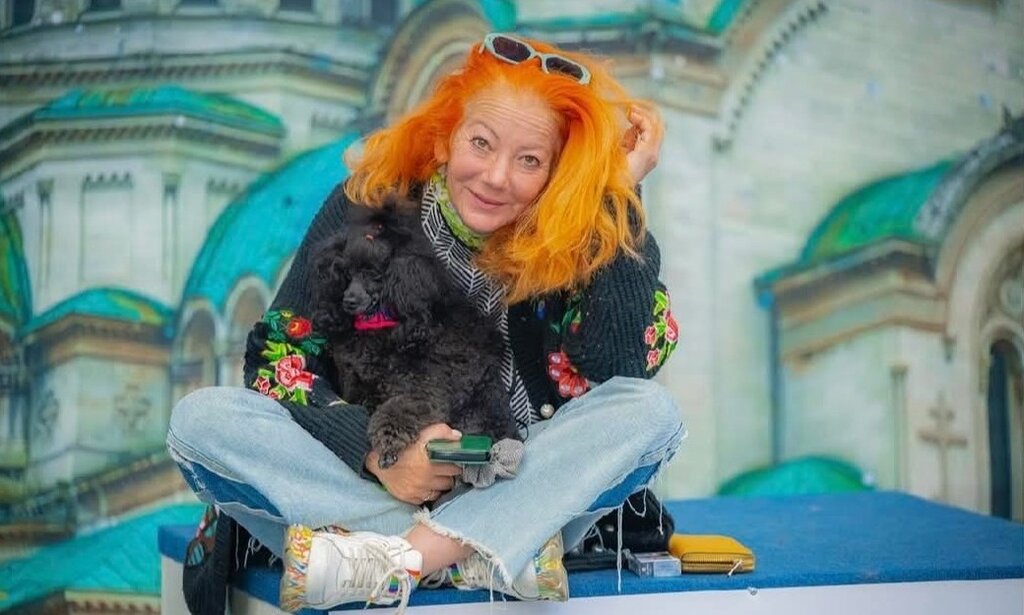
Adelina Banakieva
PHOTO Personal archive of Petya Andreeva
'Sofia is basically an inaccessible city,' says Adelina Banakieva, a volunteer and civic activist who has spent years campaigning for equal access to public spaces and a dignified life. She gives an example:
'Serdika metro station, just metres from St Nedelya Square in the centre of Sofia, still has a side-mounted mirror on its lift that prevents a wheelchair from fitting by about a centimetre. The lift is the only way in, and aside from it, the station is completely inaccessible from all directions.' On the side facing the Palace of Justice, ramps have been installed at an extremely steep angle, making it absurdly difficult for a wheelchair user or a parent with a stroller to pass. Installing these so-called ramps merely to meet regulations, without considering their slope, is incredibly offensive to disabled people."
In Europe, the lack of ramps is often compensated for by external or internal lifts. According to Banakieva, this would be perfectly feasible in Bulgaria too.
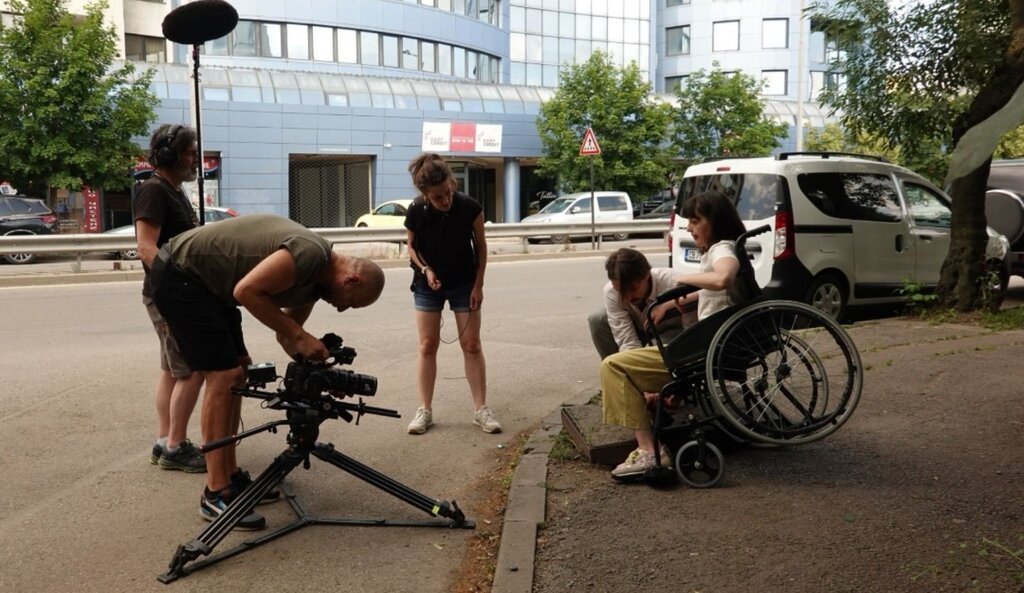
PHOTO Personal archive of Petya Andreeva
'In Bulgaria, we discussed at length with representatives of the Association of Lift Importers and Manufacturers the possibility of installing lifts anywhere – either inside or outside. It can be installed as a standalone unit and reinforced. While it is not an impossibly expensive addition to a public space, it simply isn’t done.'
Another serious problem is that installing a ramp at the entrance to a residential building requires the consent of all the co-owners.
“As unpleasant as it is to say, Bulgarians tend to think these ramps will get in the way or spoil the building's appearance. However, they should be installed everywhere because this is a regulation that applies to all buildings with more than three households,” comments Banakieva.
Using art to shine a light on the issue
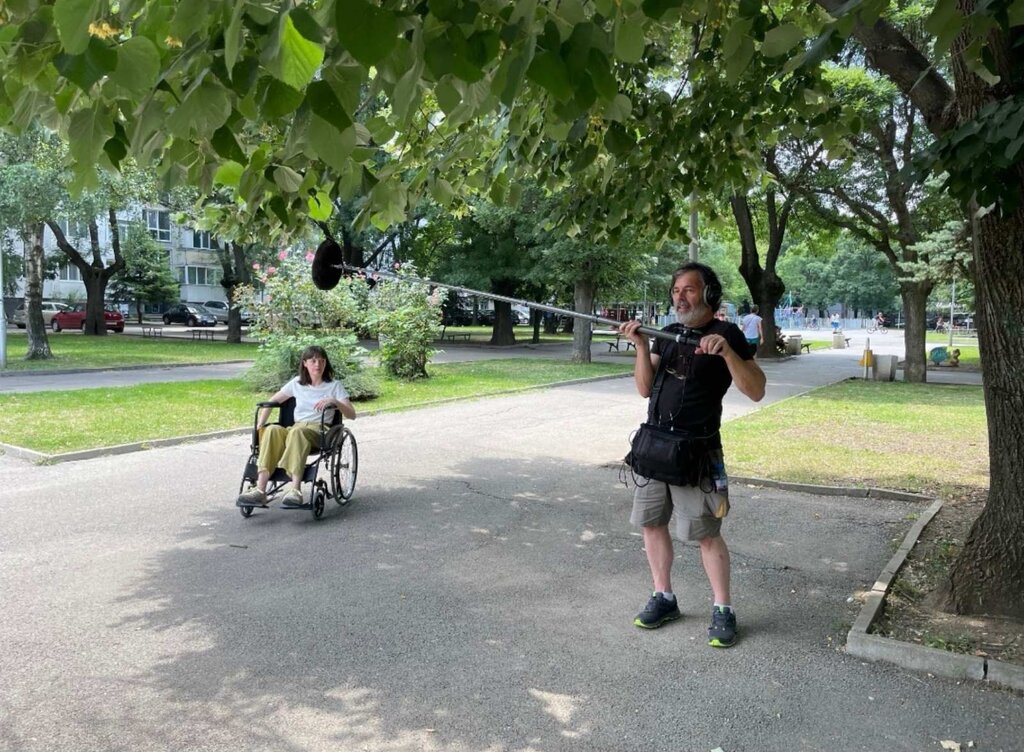
PHOTO Personal archive of Petya Andreeva
Actress Iva Sveshtarova puts herself in the shoes of people with mobility difficulties, learning to move around in a wheelchair:
'The first time I sat down, I admit I was quite anxious. It felt strange, and I immediately started thinking about how people survive moving through this terrible infrastructure, not just in Sofia, but across the country.'
Iva plays the lead in Bright City, a film by Petya Andreeva that draws attention to the issue of inaccessible urban environments. Andreeva was inspired to address this important social issue through art after a chance encounter with a wheelchair user. This gave her a new perspective on the obstacles these people face daily.
'This topic really troubles me because people with limited mobility in Bulgaria are, in effect, prisoners. The film has participated in various festivals, and after every screening we hold discussions with the audience. Unfortunately, there is still no response from the authorities. I’ve noticed they tend to respond more to videos online, but even then it’s usually only ‘because a fuss was made,’ and afterwards, everything carries on as before.'
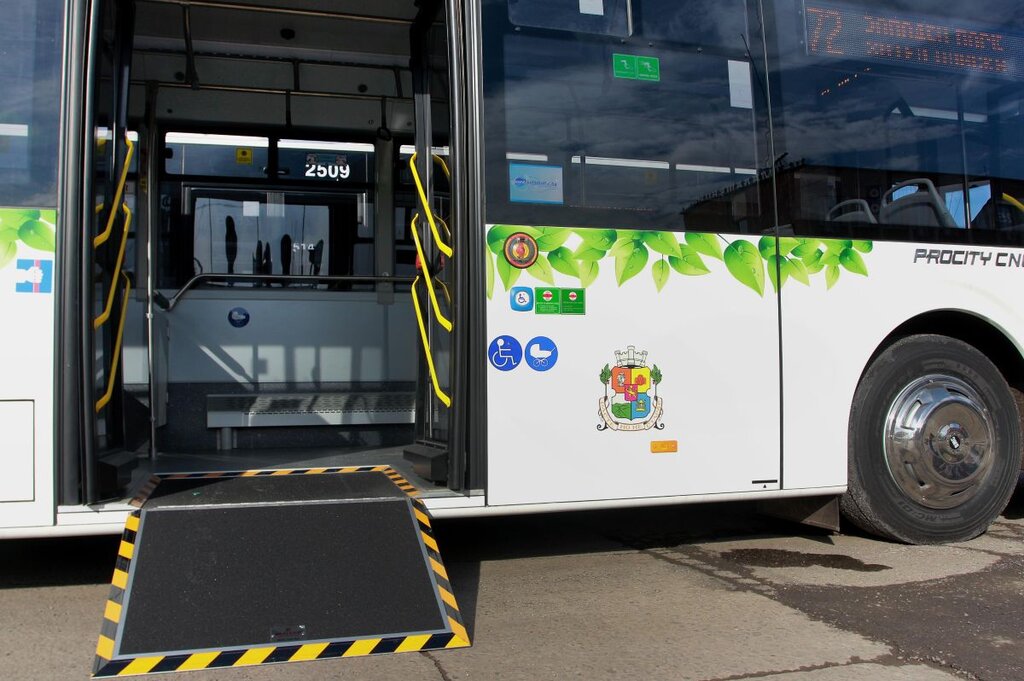
PHOTO stolica.bg
She notes that Sofia has become more accessible over the past 20 years: public transport has been renewed and more low-floor vehicles have been introduced. But another problem remains: attitudes.
'I’ve seen it happen right in front of me – I was pushing a stroller when a family with two children parked on the pavement. They have children; they know passing is difficult, yet they still set a bad example for their offspring. I’ve even seen a learner driver's car parked on the pavement during lessons.'
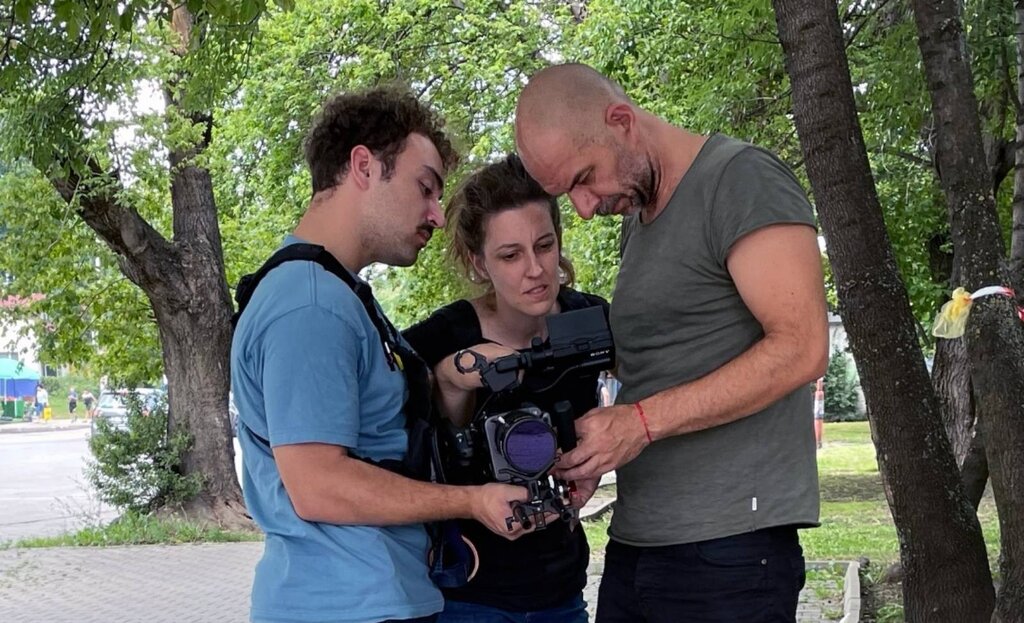
PHOTO Personal archive of Petya Andreeva
Therefore, change in the urban environment is a matter of both personal and public responsibility. This is also the message of Iva Sveshtarova:
'I sincerely hope that institutions will finally take responsibility and start doing their job properly. The quality of life of many people depends on them. I also hope that people with physical disabilities will become more visible members of society, just as they are in countries with well-developed infrastructure.'
Editor: Elena Karkalanova
Posted in English by E. Radkova
This publication was created by: Elizabeth Radkova