


Author
Gergana Mancheva
Article
Prošek Brothers – Czechs who linked their lives with Bulgaria
Wednesday 3 December 2025 09:46
Wednesday, 3 December 2025, 09:46
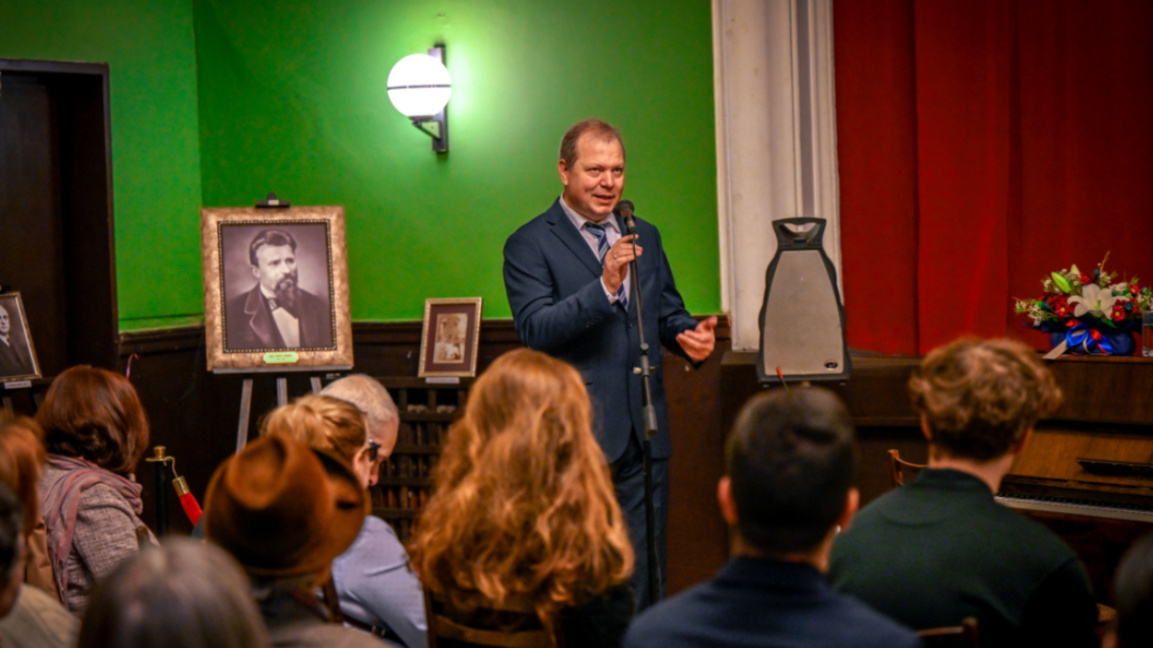
PHOTO mzv.gov.cz/Ivan Shishiev
Font size
Brothers Jiří and Bogdan Prošek are famous Czech engineers who came to Bulgaria in the mid-19th century and left their hearts forever in this country. It is amazing how great the contribution of these two people to the modern appearance of Bulgaria is, which we recalled during a special event in Sofia dedicated to the 120th anniversary of their death. The brothers died too young and in the same year, leaving many of their deeds for the benefit of Bulgaria unfinished.
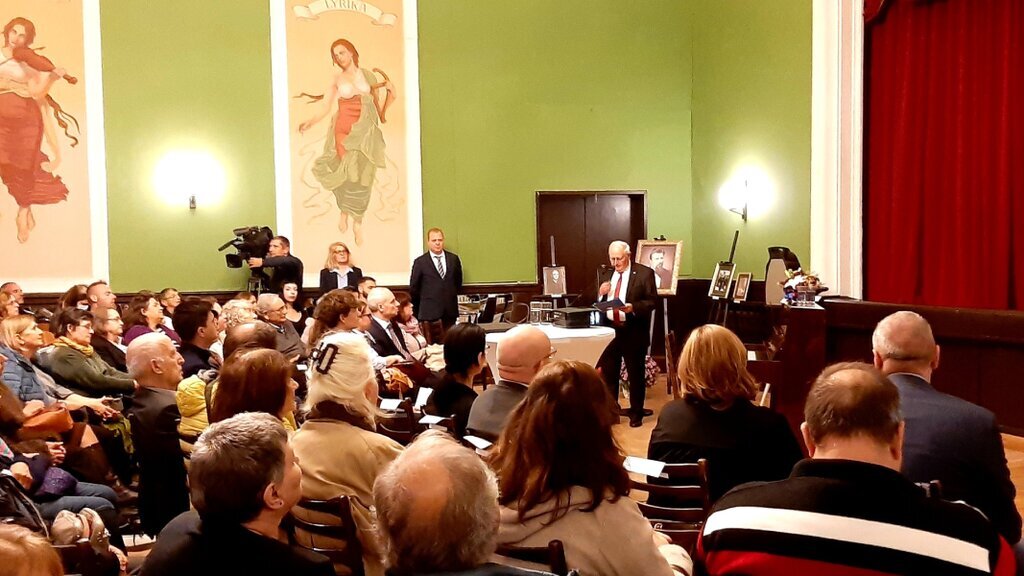
PHOTO Embassy of Slovakia in Bulgaria
The event was organized by their heirs. Although they do not bear the
Prošek surname today, they guard the family memory and study in
detail the life and work of their prominent predecessors. The
ambassadors of the Czech Republic and Slovakia responded to the
invitation to the commemorative ceremony in November, which included
a documentary screening and Czech beer.
The brothers Georgi and Bogdan Prošek were remarkable personalities
- builders, cultural and economic figures, public figures, who chose
Bulgaria as their second homeland and the fate of the Bulgarian
people as their personal destiny. They are also among the few
foreigners who left a lasting mark on Bulgarian history and even
changed their names to Bulgarian ones: Jiří became Georgi, while
Theodor became Bogdan.
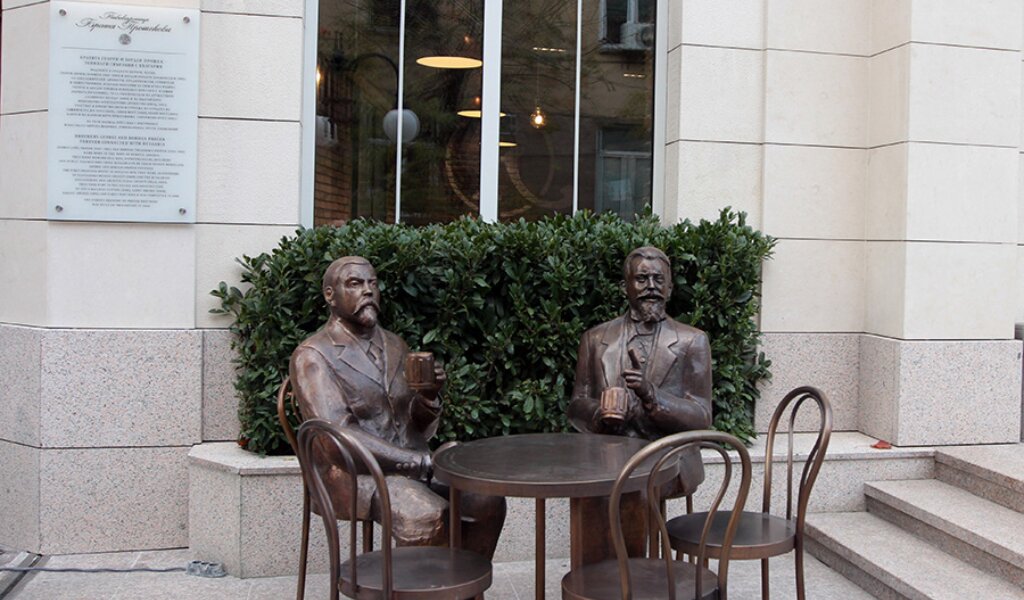
PHOTO sanstefanoplaza.com
In 1869, Georgi Prošek arrived in Bulgaria and at the age of 23
joined as an engineer in the construction of the railway in Thrace -
part of the "Eastern Railways". He settled in the village
of Almali (today's Yabalkovo) together with other Czech and Polish
engineers. In 1871, after becoming close to the local revolutionary
committee, he founded the "Slavic Home" and under the guise
of educational activities, created the first international secret
revolutionary committee. In Almali he met Vasil Levski and that
connected him even more closely with the liberation struggles. In
order to support the cause, he delivered weapons on the pretext of
guarding the railway and also carried the secret mail of the
revolutionaries.
"I know about the family history from various sources. I learned
a lot from the archives, which I researched thoroughly in the 1990s.
I read everything that could be found in the State Archives and the
old court archives. This was related to the possibility of restoring
ownership of the properties nationalized after 1944," Nikola
Tsokev said in an interview with Radio Bulgaria. He is one of the
relatives and heir of the younger brother - Bogdan Prošek:
"The Prošek brothers, despite their 10-year age difference,
were inseparable. They also had a sister, who stayed in Czechia, got
married and went to the United States. Jiří Prošek came before the
Liberation. When he was a student he met Ivan Drasov, brother-in-arms
of Hristo Botev, who told him about the national liberation movement
and the ideas of Rakovski and the Bulgarian Revolutionary Central
Committee. This motivated him and he arrived in Bulgaria already
informed about the struggles here. Unlike him, his brother Bogdan
came after the Liberation. In the village of Yabalkovo, a street is
still named after the Prošek Brothers, there are memorial plaques
and people keep the memory of them alive."
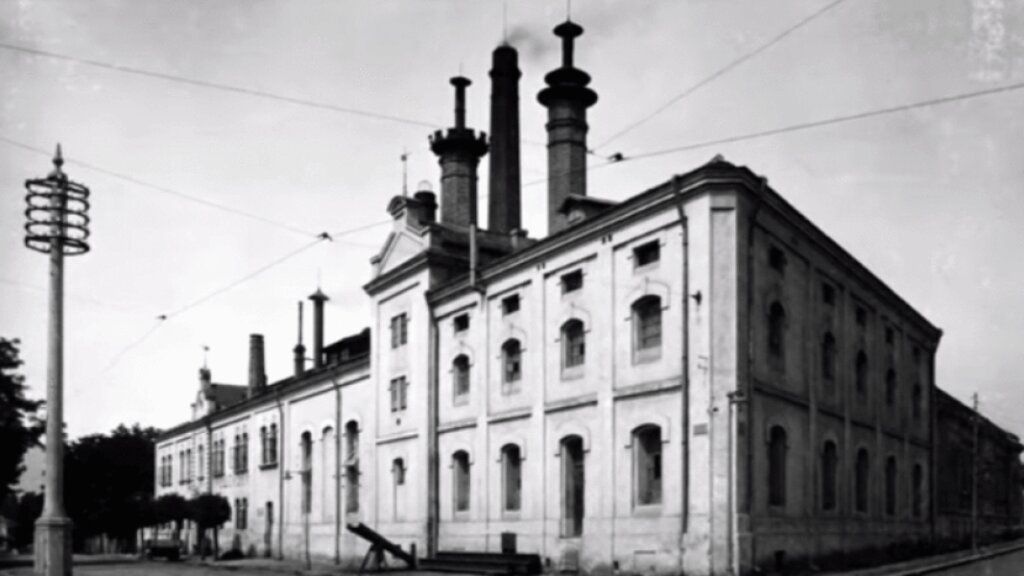
The Prošek Brothers' brewery in Sofia, 1912
PHOTO Archives State Agency
The Union of Brewers in Bulgaria has great respect not only for the
Prošek brothers, but also for Czechs in general as entrepreneurs.
"The Czech master craftsmen made the first beer in the country
and for years trained a large part of the Bulgarian brewers and
passed the craft into their hands," the heir to the Prošek
family tells us. The chairwoman of the union, Ivana Radomirova, told
us more:
"It is much more important to know that they actually brought a
new, different European culture to Sofia, which immediately after the
Liberation was a small city of only 10,000 people. And in fact,
Georgi and Bogdan brewed the beer that many people assume at that
time created a new modern urban culture, similar to that in Western
Europe and especially in the Austro-Hungarian Empire. But no less
important is that they were among the builders of a new Bulgaria -
the Prošek brothers did a lot for the city in terms of architecture.
It is no coincidence that the author of both the Lion's Bridge and
the Eagle's Bridge - emblematic of Sofia, is from the same family."
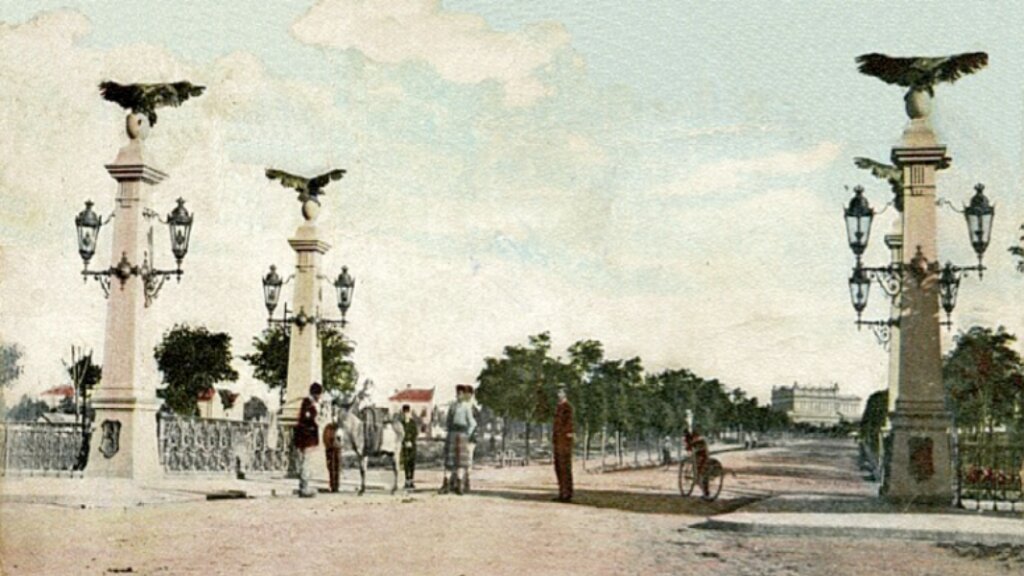
Eagles' Bridge
PHOTO Proshek.com
Photos: mzv.gov.cz/Ivan Shishiev, Embassy of Slovakia in Bulgaria, sanstefanoplaza.com, State Archives Agency, proshek.com