


Article
Bulgaria after the protests – cabinet withdraws budget, citizens demand values
Wednesday 3 December 2025 13:23
Wednesday, 3 December 2025, 13:23
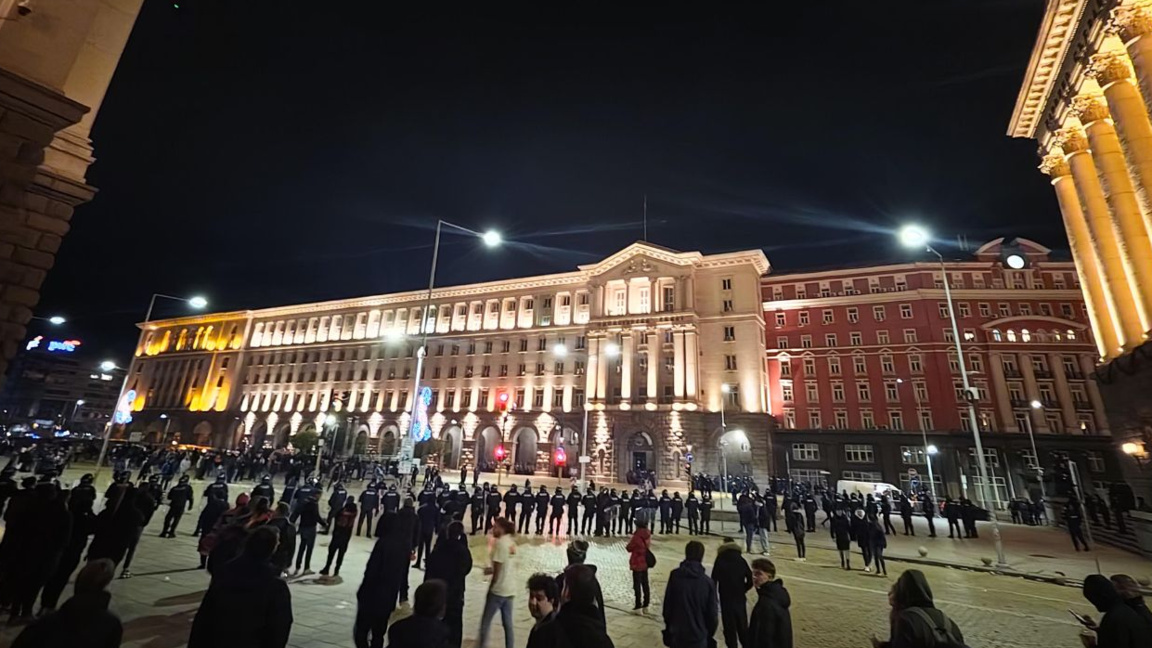
PHOTO BGNES
Font size
In recent days, Bulgaria has become the scene of mass civic protests – tens of thousands took to the squares in the capital Sofia and cities across the country on November 26 and December 1 in reaction to the draft state budget for 2026 proposed by the government, but also in response to accumulated public discontent that goes far beyond the framework of financial disputes.
Thousands go out on protest in Sofia and major cities across Bulgaria
Thousands protest in Sofia and across the country demanding an end to corruption
The largest rallies in years have evolved into a protest for values, social justice, and democratic principles. As a result, the government withdrew its proposed financial framework for 2026 – the year Bulgaria will join the Eurozone – resumed negotiations with social partners, and analysts began to speak of snap parliamentary elections as inevitable.
Leading world media comment on large-scale protests in Bulgaria
President Rumen Radev also entered the debate, stating in an emergency address to the nation yesterday:
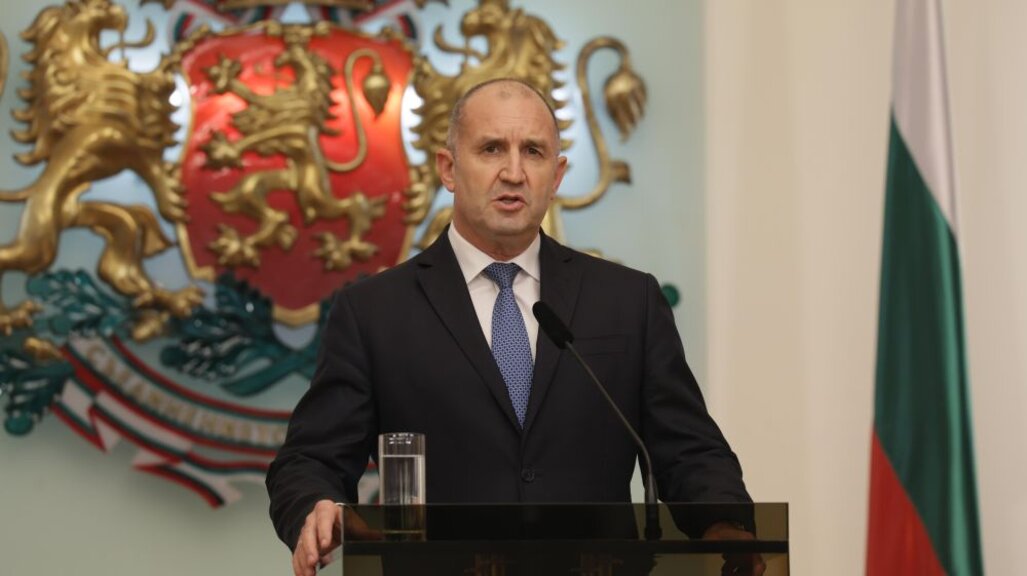
President Rumen Radev
PHOTO BGNES
“Attempts to present the protest as a revolt against the budget underestimate the event itself. Claims that this is solely a youth revolt belittle the process, because the square was filled with people of all generations. Bulgarians raised their voices against a hijacked state, against corruption, lawlessness, and the refusal of the political class to hear them,” said Radev, adding that early elections are the only way forward.
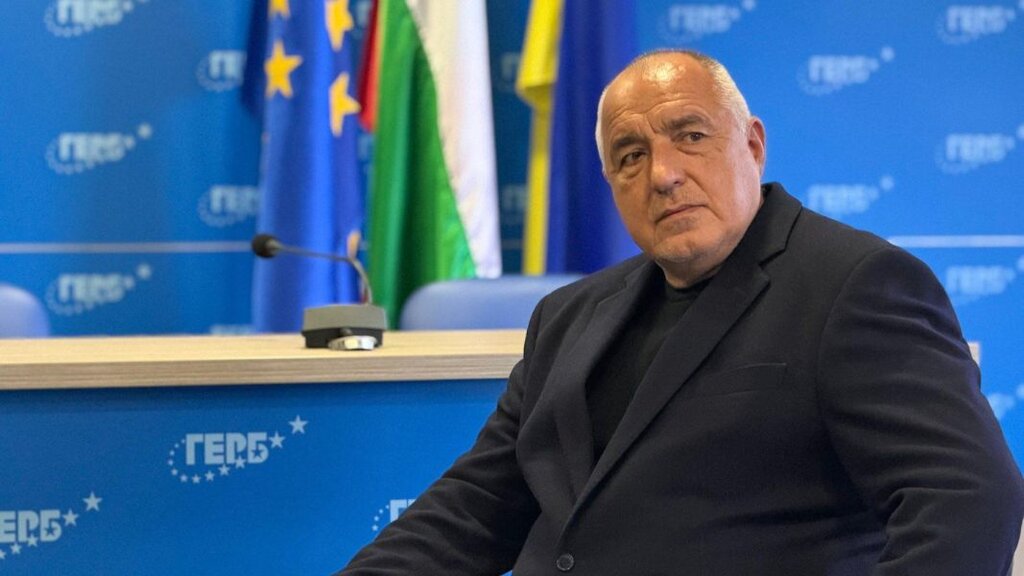
GERB leader Boyko Borisov
PHOTO BGNES
“The government should not resign,” responded Boyko Borisov, leader of GERB, the party holding the mandate.
For their part, the organizers of the protests – the opposition coalition “We Continue the Change - Democratic Bulgaria” – announced that by the end of the week they will submit a motion of no confidence in the government, and during the debate they are planning a new protest in front of the Parliament building.
The authorities can no longer ignore the public reaction, and the scale of the protests may grow significantly, said Assoc. Prof. Todor Yalamov, Deputy Dean of the Faculty of Economics at Sofia University: “If yesterday 100,000 protested, tomorrow there may be 200,000,” he stated in an interview with BNR, stressing that the draft budget sent bad signals to young people and entrepreneurs:
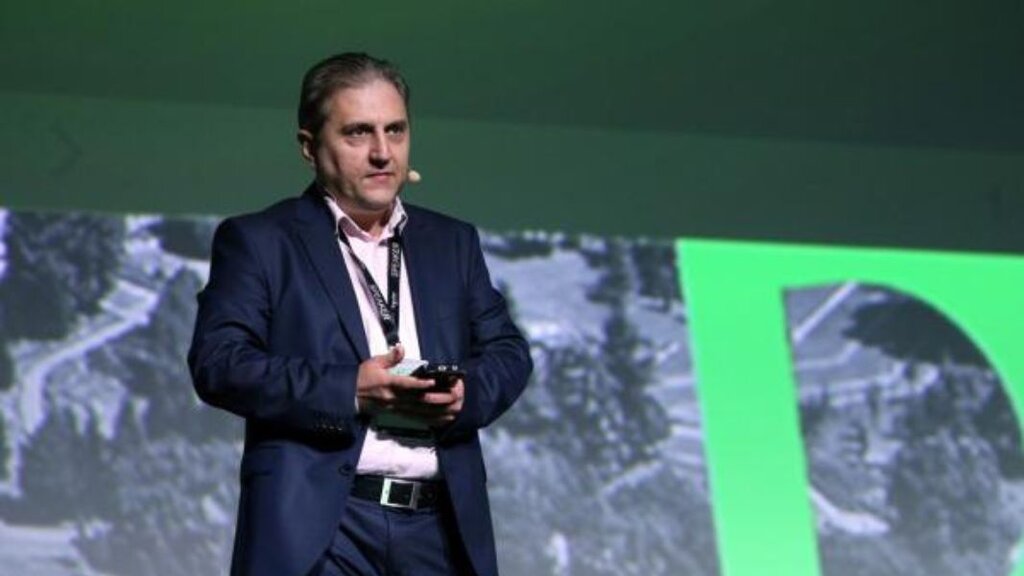
Todor Yalamov
PHOTO Sofia University
“This budget should have been a celebration of our entry into the Eurozone – to show stability, thinking about the future, about what will make young people stay in Bulgaria and do business. The key problems of the budget directly hit the wallets and plans of young people,” he summarized, adding that the middle class remains undervalued despite being the backbone of the economy.
Lawyer and leader of “Movement 21” Tatyana Doncheva links the escalation of thee protests to an accumulated sense of impunity in power:
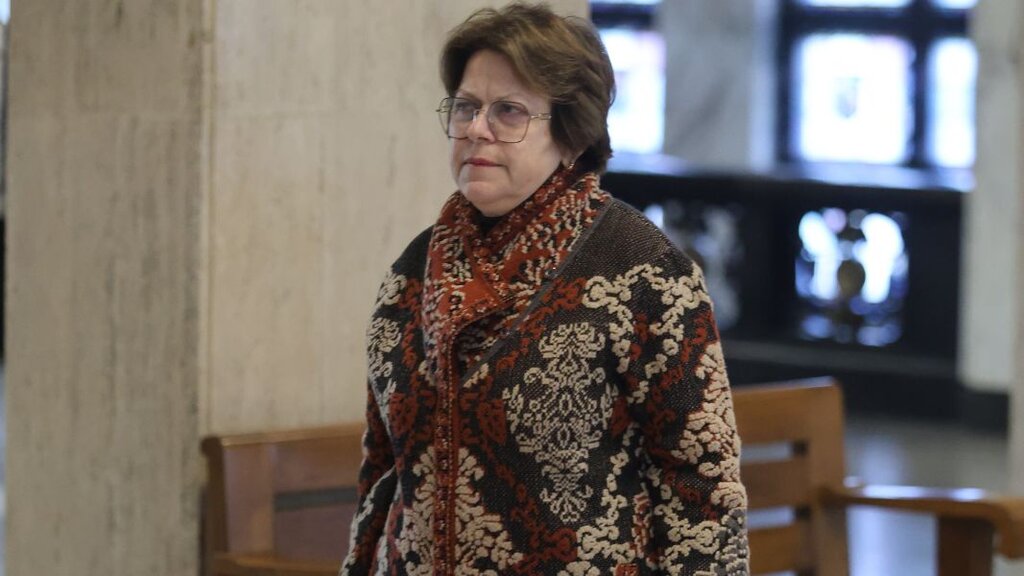
Tatyana Doncheva
PHOTO BGNES
“The government keeps pressing the pedal of insolence. Since autumn, this has reached outrageous proportions,” Doncheva said in an interview with BNR. She described the political environment as “confused, blurred,” dominated by improvisation and emotion. According to her, the discontent may lead to another election cycle if the government fails to restore public trust.
sociologist Dobromir Zhivkov of “MarketLinks,” the protests are not merely a reaction to specific decisions, but a deep value-based confrontation: “This is a values-based protest… Bulgarian citizens are reacting to the threats to democracy posed by the ruling majority,” he told the Bulgarian National Radio. He warned that inadequate institutional responses could lead to dangerous consequences – the destruction of statehood and the emergence of a new “savior figure,” who could be extremely radical.

Dobromir Zhivkov
PHOTO BNR
However, the socio-economic motive behind public discontent should not be dismissed, the sociologist adds: “There are people who dislike this budget – with taxes, with pressure on businesses, with increasing state spending and state intervention at levels we haven’t seen in many years.” He compares today’s civic energy to the situation in 2020, when mass protests demanded a change in the political model in Bulgaria and abroad, where Bulgarian communities also rallied.
“But the social tension we saw on the squares five years ago failed to achieve its reform goals, especially regarding functioning anti-corruption institutions, a prosecutor’s office, and a judicial system – around 75% supported these demands back then, but they did not materialize. This energy continued to smolder, even though it was scattered over years of numerous election campaigns.”

PHOTO BGNES
“I believe we will have early elections within a year, considering last week’s events. We are monitoring political radicalization, which has risen significantly, especially among progressive-liberal voters – this energy will not be lost. And there is a new candidate for a savior of Bulgaria from this political crisis – I mean President Rumen Radev – who could bring normalization, because that is at the core of the protests: a demand to normalize the state, to have functioning institutions, independent and expert-based regulators.
” The withdrawal of the 2026 draft budget shows that the government senses the increasing pressure. It remains unclear whether this is a reconsideration or a temporary tactical retreat. Public tension, however, continues to grow, and it is increasingly evident that the protests reflect a drive for deeper systemic change, not just a temporary political correction – the reaction of the majority is categorical, real, and conscious. At the forefront stands the young generation of Bulgarians, uncompromising toward the political status quo and the rhetoric of the political elite. It is important, however, that this protest energy be channeled into political participation when the next parliamentary elections take place.
Edited by Elena Karkalanova
English version: R. Petkova
This publication was created by: Rositsa Petkova