


Author
Diana Tsankova
Tuesday 9 December 2025 14:52
Tuesday, 9 December 2025, 14:52
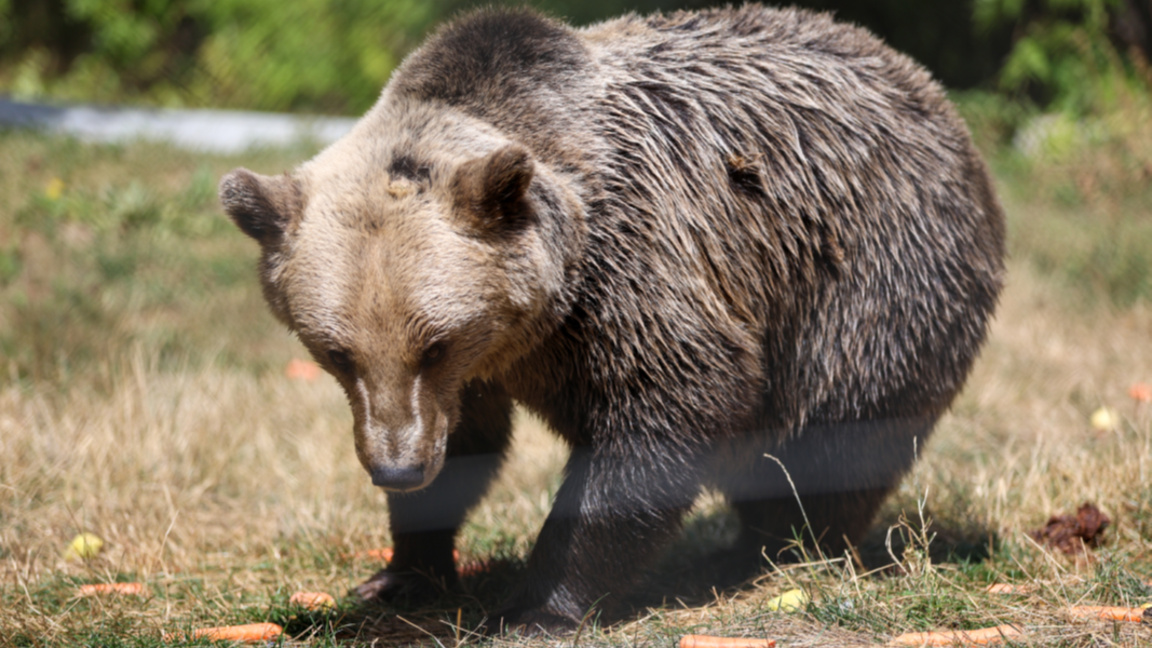
PHOTO BTA
Font size
Kalinka, Stefcho and Malinka were once forced to walk on heated metal sheets, their convulsive movements from the pain mistaken by onlookers for a dance. For years, so-called “dancing bears” were a common attraction. The practice was abolished only in 2007, and its last victims were taken in by the sanctuary established for them in Belitsa.
This year, the Bear Sanctuary in Belitsa, a town in the Rhodope Mountains, marked its 25th anniversary. The protected site, which offers rescued animals a chance at a new life, is a joint project between the Brigitte Bardot Foundation and the animal welfare organisation Four Paws.
Today, across 12 hectares of natural forest, 17 bears from Bulgaria, Serbia, Albania, the Czech Republic and Ukraine have found refuge — and are now deep in hibernation.
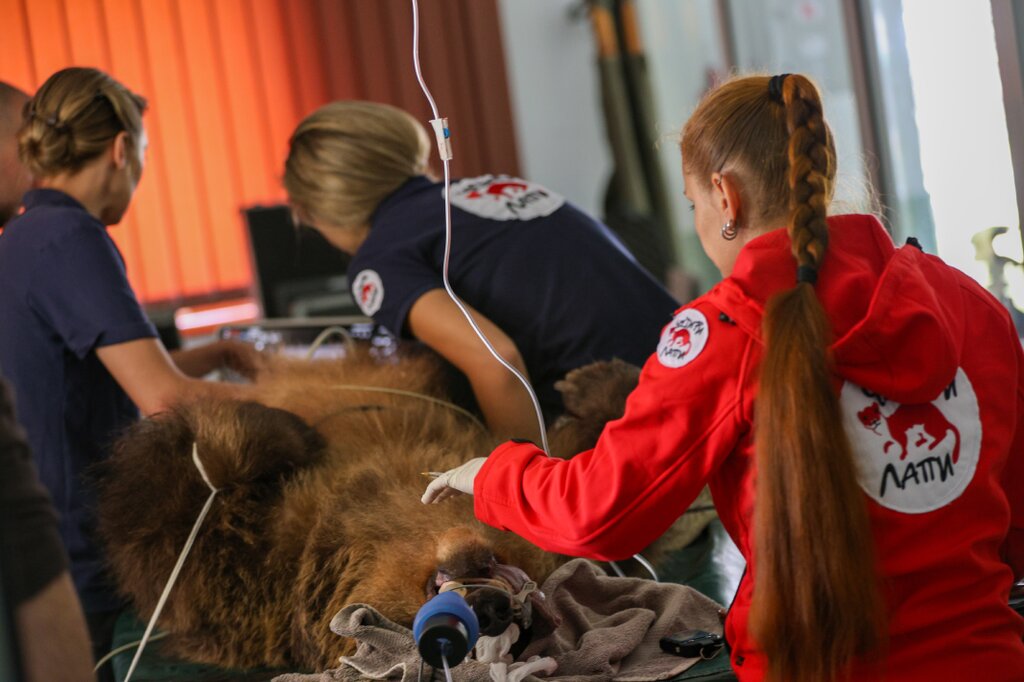
PHOTO BTA
“The park was established to highlight the abusive practice of using ‘dancing bears’ and the need to end it,” says the park's director Nikola Popkostadinov. “We located, purchased and rescued every bear that had lived in captivity. They are all here as the park’s first residents. Adjusting to their new environment was extremely difficult given the harsh conditions they had endured. The bears had been kept on chains, deprived of hibernation and proper nutrition, tormented and beaten, with claws and teeth removed — some had even been forced into alcoholism.
“Recovery is never easy, but with care from Four Paws — including veterinary treatment, tailored diets, environmental enrichment and training — we work to eliminate, or at least reduce, the repetitive behaviours caused by years of exploitation for circus tricks or tourist attractions. It is a complex process, but step by step we are helping the bears to feel well again.”
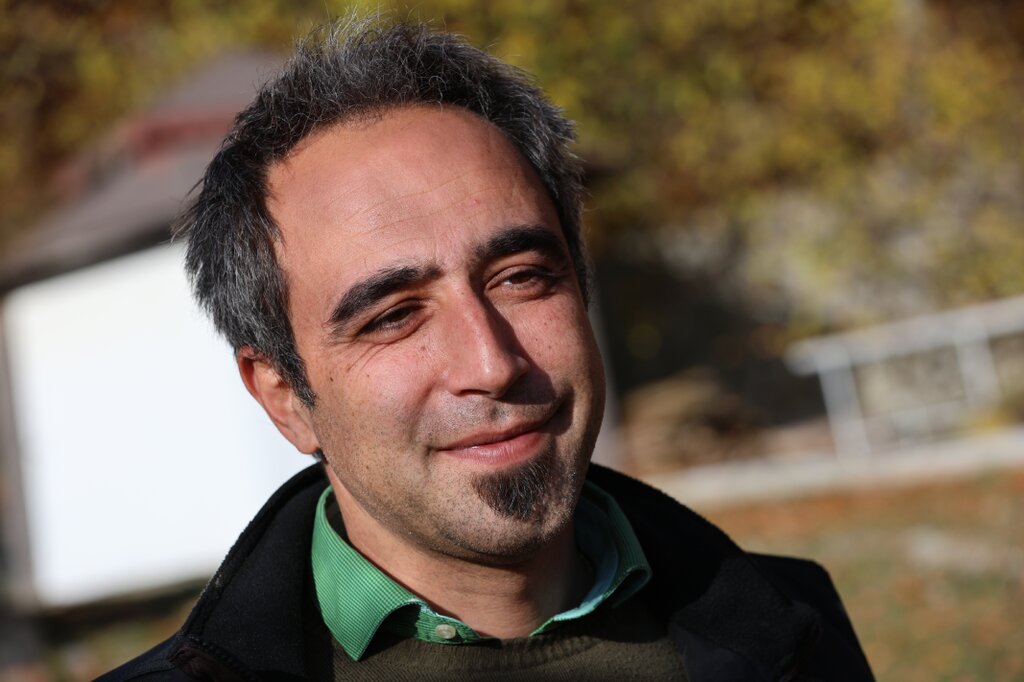
Nikola Popkostadinov
PHOTO BTA
“It’s a myth that bears can dance. They simply learn to respond to the tug of the ring in their nose, the most sensitive part of their body,” explains Nikola Popkostadinov. “They try to alleviate their pain by anticipating every movement of the person holding the bow of the instrument — the same hand that holds their chain. While it may look as if the bear is keeping time with the music, in reality it is attempting to avoid the pain.”
Today, six former dancing bears live in Belitsa: Marinka, Dana, Svetla, Mima, Rada, and the blind Seida, rescued from Serbia, where dancing bears were also exploited. The other residents were raised in zoos or private captivity, kept in cramped enclosures or unnatural conditions, or by owners who kept wild animals for amusement — such as Monty, a bear that lived in a hotel room in the Czech Republic and was used as an attraction.
The newest additions are seven-year-old siblings Frol and Frosia, who also have a touching story. In 2020, they were rescued by Four Paws from a restaurant in Ukraine that had a small zoo. As the local Domazhir sanctuary had reached maximum capacity, they were later transferred to Bulgaria
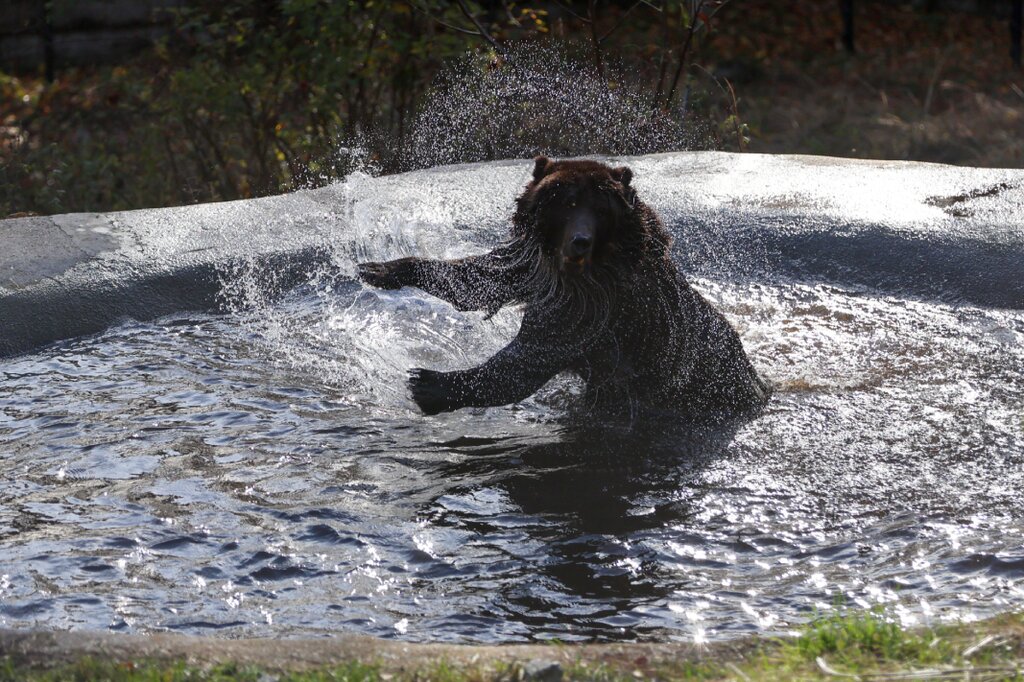
PHOTO BTA
The Bear Sanctuary in Belitsa also attracts many visitors, who can enjoy views of the surrounding mountains and forests and observe the bears in conditions close to their natural habitat.
“Visitor numbers and interest have been exceptionally high over the past year,” says Nikola Popkostadinov. “The park is especially busy on weekends and public holidays, and visitors often have to wait in long queues. I’m pleased that our information centre is now open, providing a place to wait for the next tour. Its highlight is a VR experience titled Home — for the first time, visitors can see the world through a bear’s eyes, from life in the wild to captivity. Alongside learning about the history of dancing bears and the work of Four Paws, visitors can also enjoy the panoramic view from our terrace, with the Rila Mountains on one side and the Pirin Mountains on the other, as well as parts of the park and the bears themselves.”
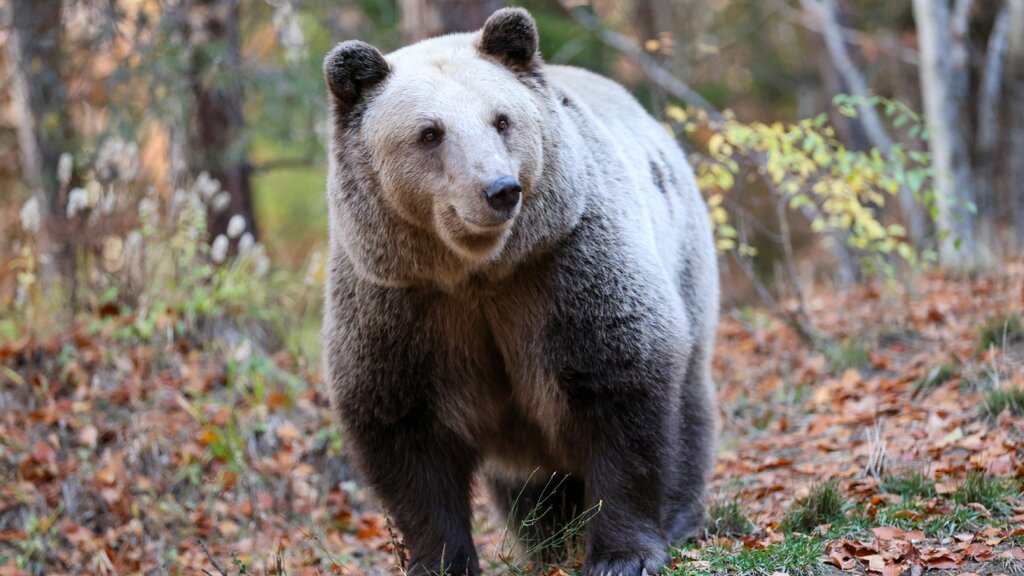
PHOTO BTA
Popkostadinov also advises people not to seek contact with wild bears, as they are territorial and potentially dangerous.
“If we think bears may be nearby, it’s a good idea to turn on a loud radio or speak loudly if we are in a group,” he says. 'This way, the bear knows from a distance that a human or another creature is approaching. It will then never attack or cross our path.”
The director of the Belitsa Bear Sanctuary also sends a broader message: to be conscious of, and care for, all living beings — especially animals. “Let us be their voice,” he adds.
Editor: Elena Karkalanova
Posted in English by E. Radkova
This publication was created by: Elizabeth Radkova