


Paid Publication
EUFestByala 2025: The Impact
How the small Black sea town Byala created big impact through sport, culture, and community
Thursday 18 December 2025 15:52
Thursday, 18 December 2025, 15:52
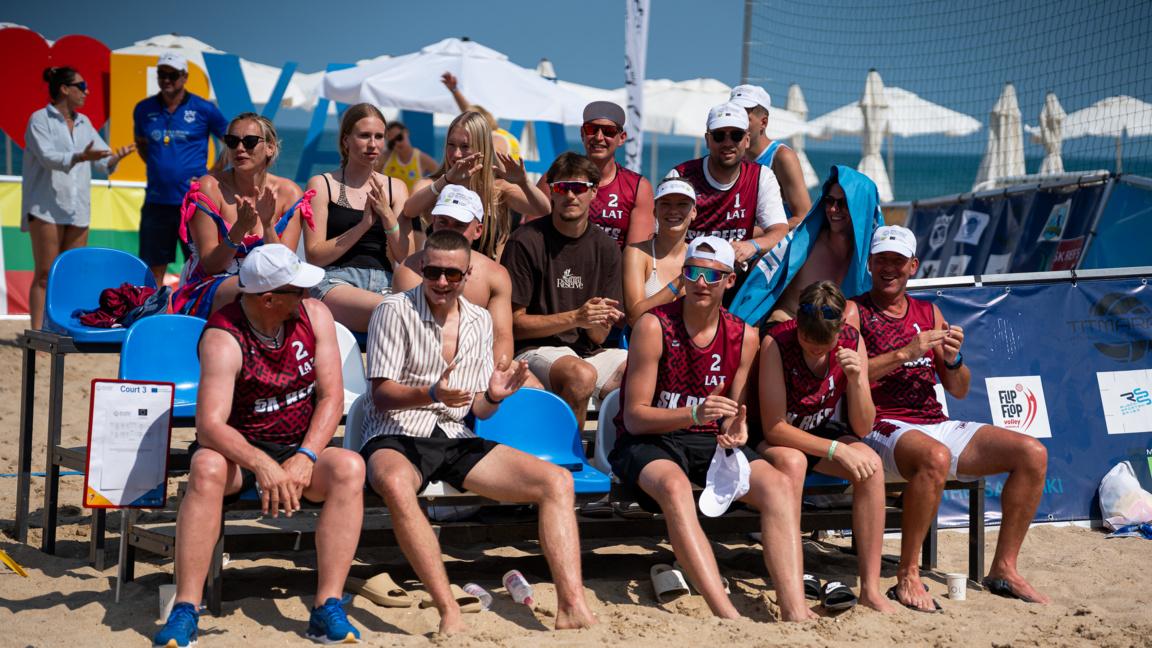
PHOTO EUFestByala
Font size
Byala, a small resort on Bulgaria’s Black Sea coast, became the heart of international beach sports enthusiasm this summer when it hosted the EUFest Byala — an innovative, community-driven sports event that brought together hundreds of participants, volunteers, spectators, and international partners. The initiative quickly grew into a powerful demonstration of how sport can unite people, inspire healthier lifestyles, and create long-lasting connections across cultures.
A Festival That Went Beyond Sport
While the Fest offered dynamic competitions, beach sports, training sessions, and workshops, its true success lay in its broader impact on the people of Byala and its international guests. The Fest made a measurable difference in awareness, motivation, and community spirit.
Over 90% of participants reported learning more about the importance of physical activity and healthy living.
Nearly all respondents said the Fest motivated them to become more active in their daily lives.
Social cohesion strengthened significantly, with almost every participant forming new connections and gaining a stronger sense of belonging.
A Boost for a Small Coastal Community
For Byala—a town that enjoys busy summers but quieter off-season months—the Fest brought life, energy, and visibility. Visitors commented that the event “showed a different side of Byala,” proving the town can host modern, high-quality sports experiences comparable to larger destinations.
Cultural Exchange Through Play
One of the Fest’s most appreciated features was the programme of traditional games presented by the partners from 10 countries. These sessions bridged cultural differences through simple, joyful play. Participants not only learned new games but also discovered the stories and values behind them — creating a unique atmosphere of openness, curiosity, and mutual respect.
Building Capacity and Stronger Organisations
Amateurs’ sports clubs, volunteers, schools, and municipal structures gained hands-on experience in planning, delivering, and managing a large-scale event. Partners highlighted how the Fest strengthened their organisational capacity and increased their confidence in participating in future European sports initiatives.
The Fest also created lasting networks — both locally and internationally — which partners plan to use for future collaborations.
The Fest Know-How Manual: A Legacy That Travels Further
One of the project’s major achievements is the Fest Know-How Manual, a practical guide documenting the entire organisational process. This manual turns the Fest into a transferable model that can be adopted by other towns, regions, and countries.
The Manual now serves as a:
· resource for future volunteers and organisers
· toolkit for municipalities wanting to host similar events
· reference for clubs and schools
· bridge for international replication among project partners
This ensures that the impact of the Fest extends far beyond 2025 — and far beyond Byala.
A Shared Vision for the Future
Across all participants, one message was clear: the Fest should become an annual tradition. Nearly everyone — participants, spectators, volunteers, and partners — expressed strong desire to see it return.
The Fest showed how sport can transform communities, inspire healthier habits, and overcome cultural barriers. It turned a small coastal town into a vibrant hub of cooperation and joy.
As Byala looks toward the future, the Fest stands not just as an event, but as a movement — one that continues to grow, connect, and inspire across borders.
The project EUFestByala, No 101183736 has been funded with support from the European Commission.
Views and opinions expressed are however those of the author(s) only and do not necessarily reflect those of the European Union or the European Education and Culture Executive Agency (EACEA). Neither the European Union nor EACEA can be held responsible for them.
This publication was created by: Екип на БНР