Author
Vladimir Mitev
News
The memory of an “invisible” village
Winter traditions of Bulgarians in the Romanian village of Izvoarele
Tuesday 23 December 2025 07:00
Tuesday, 23 December 2025, 07:00
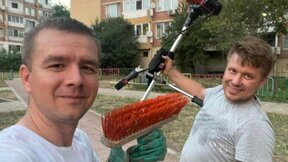
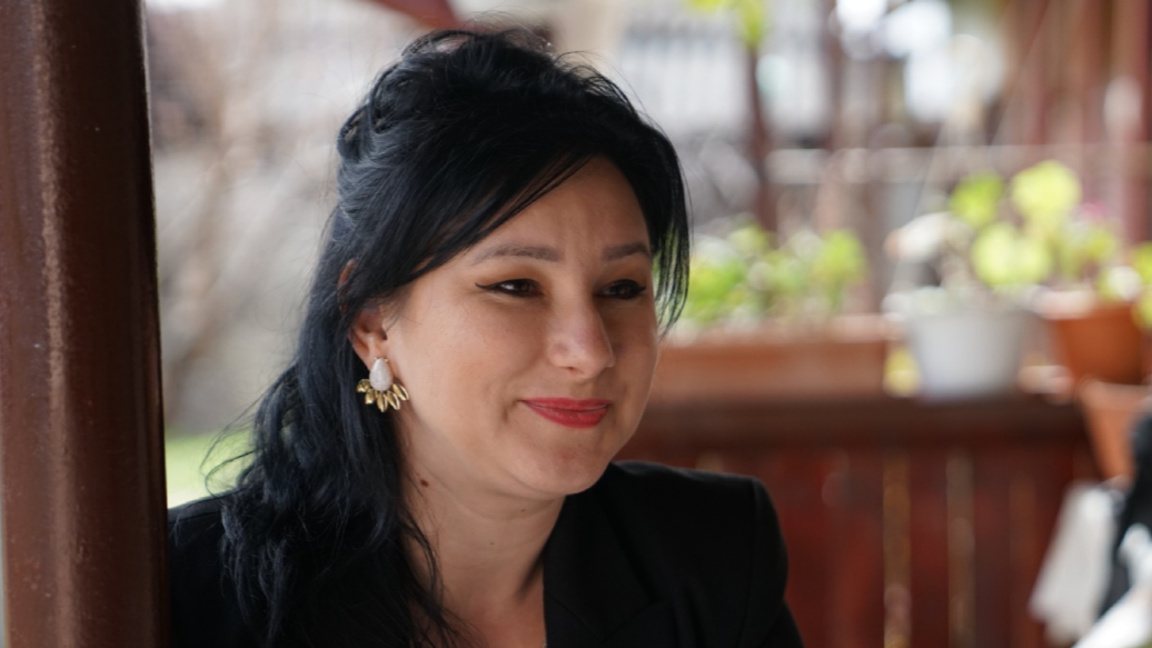
Bianca Vasile
PHOTO Private archive
Font size
In the heart of Romania’s Teleorman county, hidden in a valley that remains almost unnoticed by travelers on the main road to Zimnicea, lies the village of Izvoarele. This geographical seclusion once served as a refuge for Bulgarian settlers who, more than two hundred years ago, laid the foundations of one of the most distinctive and well-preserved communities in southern Romania.
Today, Bianca Vasile, a profound connoisseur of Bulgarian traditions in the region, speaks about the history, spirit, and specific winter customs of this place, where time seems to have preserved the archaic Bulgarian language and the Balkan-Bulgarian attitude to life.
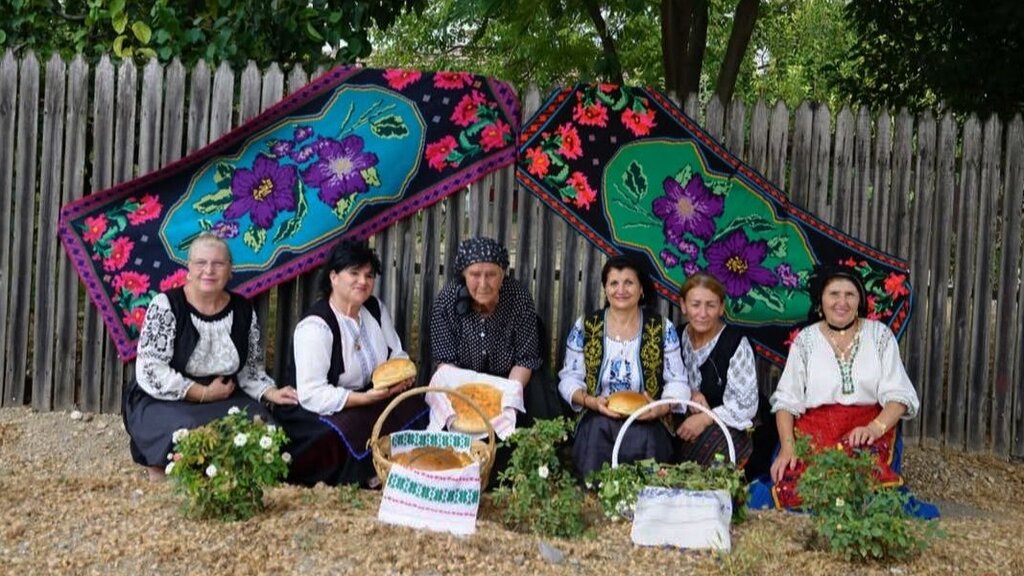
PHOTO Florenza Dana
The history of a “hidden” hearth
The village, whose old name is Gauriciu, is first mentioned in documents from 1533. Bianca Vasile explains that its modern appearance took shape at the end of the 18th and the beginning of the 19th century. A key figure in the history of the community is Cherniya Popovich, a merchant from Bulgaria’s Plovdiv, who in 1817 brought 82 Bulgarian families to restore the village after it had been devastated by a fire in 1788. Gradually, they were joined by emigrants from various parts of Bulgaria - from the regions of Pleven, Gabrovo, Silistra, and Sofia.
Over the years, Izvoarele developed as a closed community, which, according to Vasile, is the main reason for the preservation of the local identity. Until 1990, mixed marriages were rare. The inhabitants are known throughout the county for their exceptional industriousness - there was even a humorous stereotype that becoming a son-in-law in Izvoarele was a challenge, because work there never stops.
Today, locals speak an archaic Bulgarian dialect (the Nikopol dialect) and keep centuries-old folk costumes, sukman dresses, and aprons in their chests.
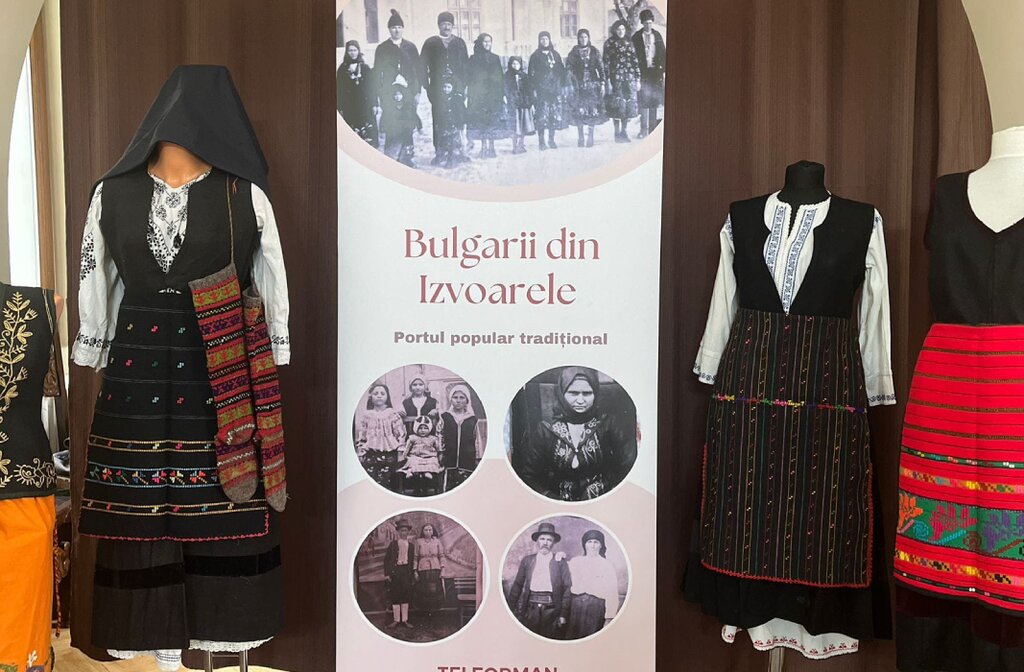
PHOTO Bianca Vasile
The winter festive cycle: between mysticism and everyday life
The winter holidays in Izvoarele are a complex weave of Christian spirituality and pagan fertility rituals. Bianca Vasile describes the preparations for them as a process of “purification” - of both the home and the soul through fasting.
One of the most curious customs is performed on December 19 on the eve of Ignazhden (Saint Ignatuis Day). Women prepared a basket with soil and onions, which they placed behind the door, and the children had to “cluck like hens.” The ritual had a magical purpose - to ensure a large production of domestic poultry in the coming year. The feast of Ignazhden itself (on December 20) was marked by strict prohibitions - visiting others was forbidden so that good luck would not be “taken away.” If a guest did come, he or she had to sit down and imitate the sounds of chickens, for which the guest was treated to boiled pumpkin and wine, with the blessing: “May our chickens live and be healthy!”
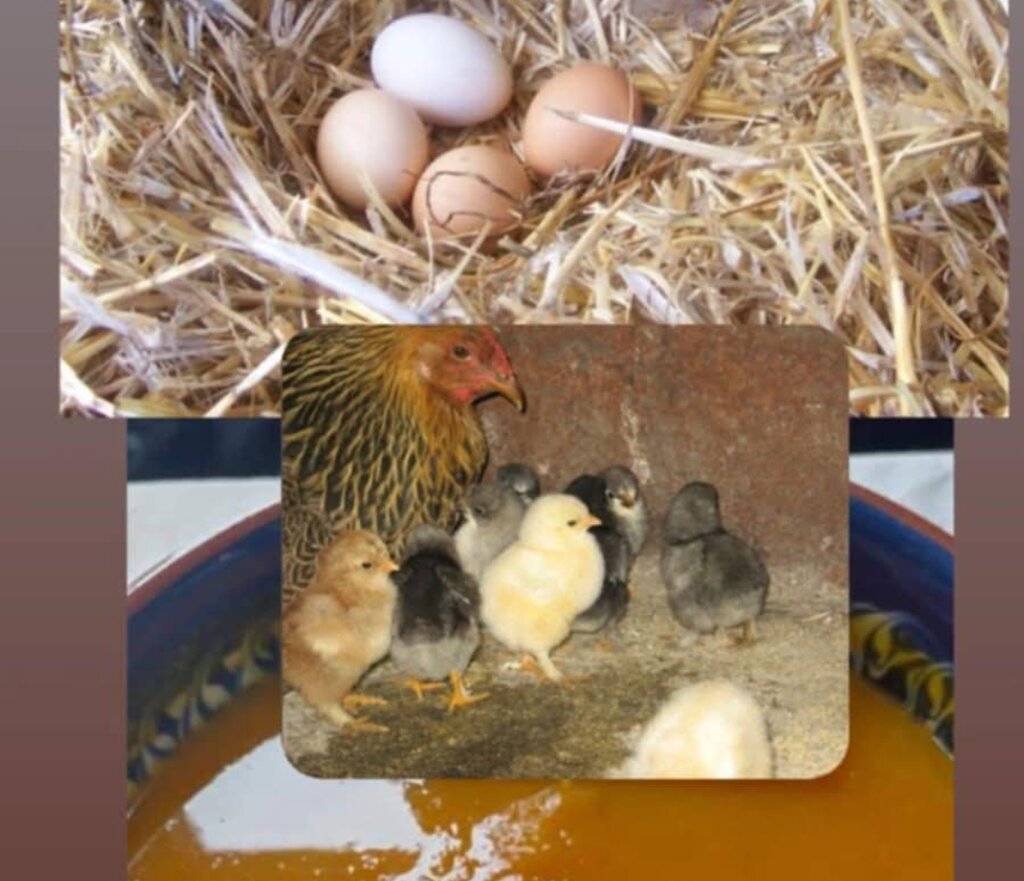
PHOTO Konstantina Varban
Christmas Eve (on December 24) began with the preparation of ritual round loaves (kolatsi). Around noon, the boys set out caroling, known as “Miu.” They carried sticks with red tassels and shouted loudly under the windows. Characteristic of Izvoarele is a ritual in which the children struck with their sticks a trough filled with grain (corn, wheat, millet) prepared by the host. The symbolic “crushing” of the grain foretold a double harvest. In the evening, groups with the so-called “star” decorated with garlands and bearing an icon of Jesus Christ in the center, went out into the streets to announce the Nativity.
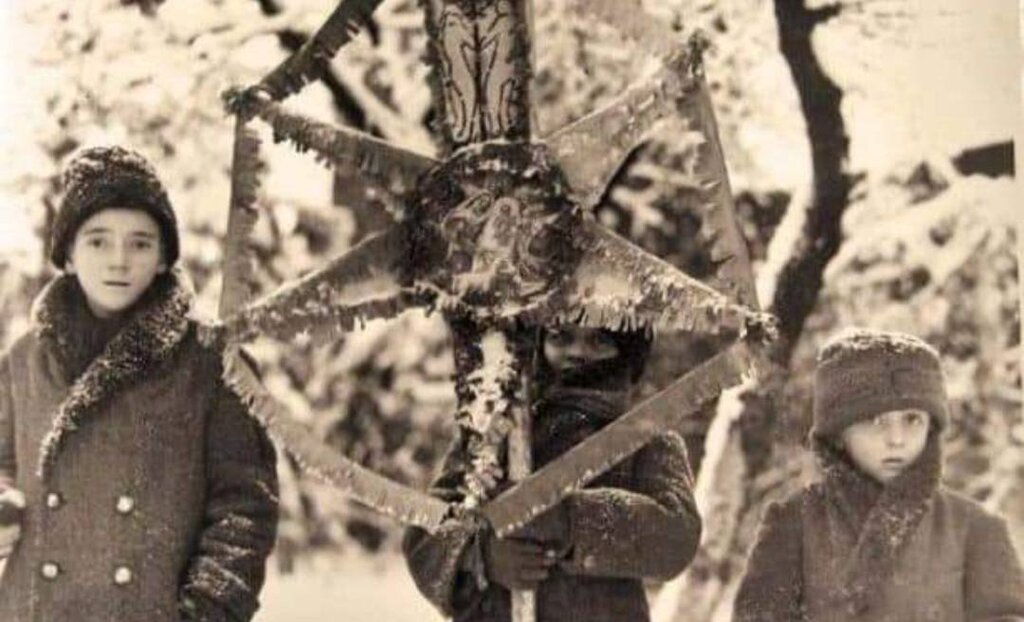
PHOTO Bianca Vasile
Christmas and the cult of the pig
Christmas in Izvoarele also has its specific culinary rituals. Bianca Vasile recounts an interesting tradition - the hunting of sparrows on Christmas Eve. The birds were cleaned and roasted for Christmas, and every family member had to taste them “so that the year would be light for them.” Thus, the fast was broken by eating sparrow meat.
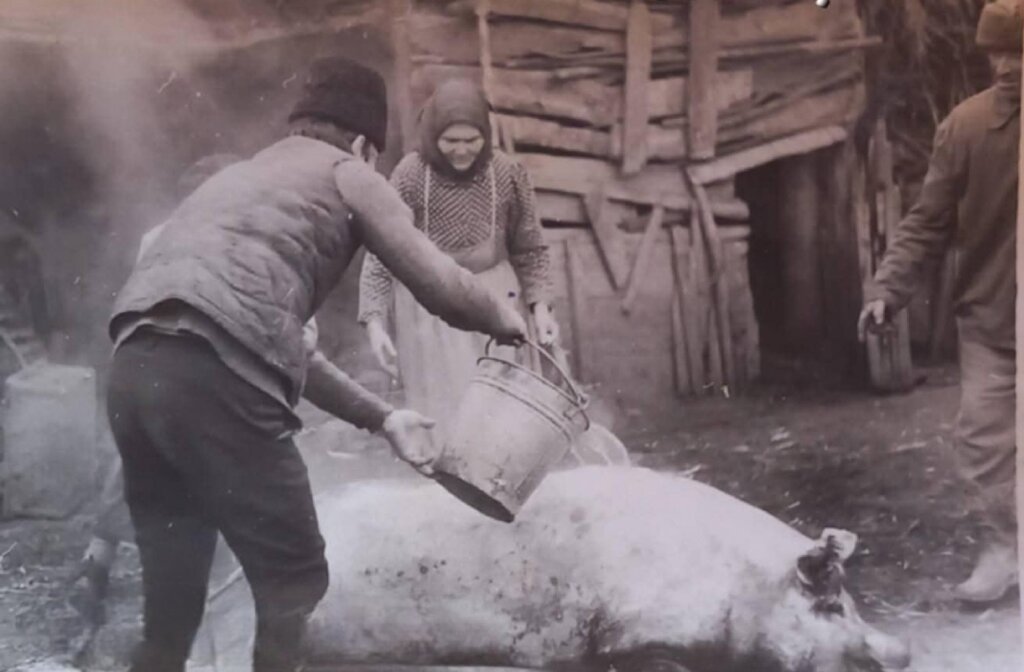
PHOTO Florenza Dana
On the next day, December 26, the whole village echoed with the sharpening of knives - the great pig slaughter began. This was a time of communal sharing; men were treated to mulled rakia, and women distributed prisnina (fresh meat and bacon) to neighbors who did not have a pig. The thickness of the bacon was the pride of the homeowner and a measure of his prosperity.

PHOTO Konstantina Varban
New Year Masquerades and “Irod"
The transition to the New Year was marked by “plugushor” on the evening of December 31. A plow, drawn by white oxen and accompanied by a plowman and whips, passed through the village. On January 1, children would go out with the "sorkova" (a ritual New Year’s stick, "survaknitsa" in modern Bulgarian), and in the afternoon appeared the so-called “silikika” - a person masked as a goat, accompanied by musicians and a “donkey” that collected gifts in saddlebags.
The most spectacular, but now vanished, custom is the so-called “Irod.” The carolers, dressed in national costumes with wooden sabers in their hands, often engaged in real clashes if two groups met on the same territory. Bianca Vasile shares with regret that today these complex rituals have been simplified or forgotten, but she and the local women are making great efforts to revive holidays such as “Babinden” and “German”, so that they do not remain present only in linguistic studies.
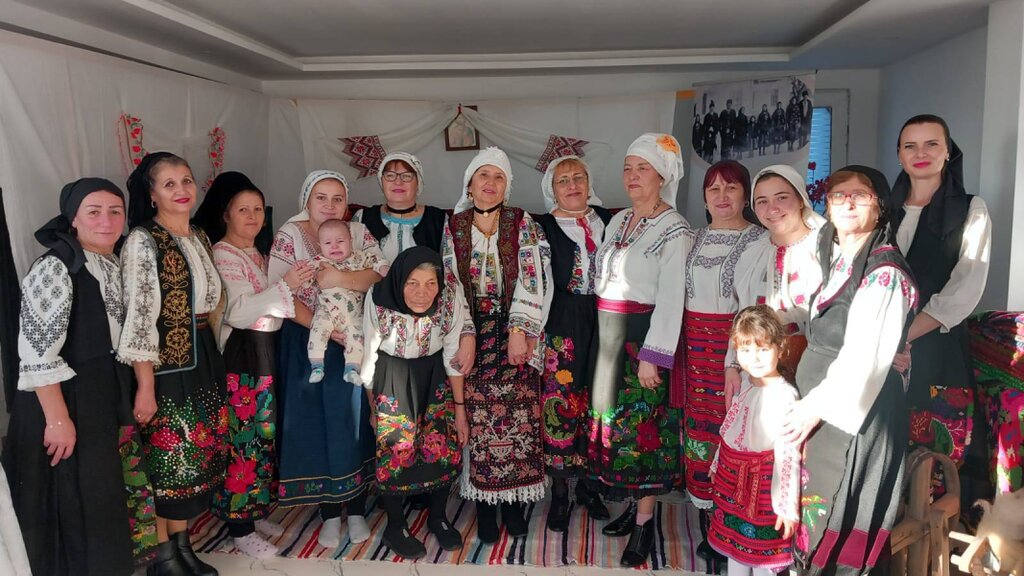
PHOTO Bianca Vasile
Linguistic insularity and Balkan unity
Despite Romanian influence in gastronomy and the adoption of some holidays such as Drăgaica (Enyovden/Midsummer Day), Izvoarele remains a “linguistic island”. Bianca Vasile emphasizes that while the world is globalizing, in their village people still prepare lyutika (lyutenitsa - a type of pepper spread) and the traditional ribnik (fish pie) for St. Nicholas’ Day. She expresses pride that the community has “pressed the gas pedal” to bring back to life traditions remembered now only by the most elderly residents.
In conclusion, Bianca Vasile sends her greeting to all Bulgarians, first in the authentic dialect of her village, and then in standard Bulgarian:
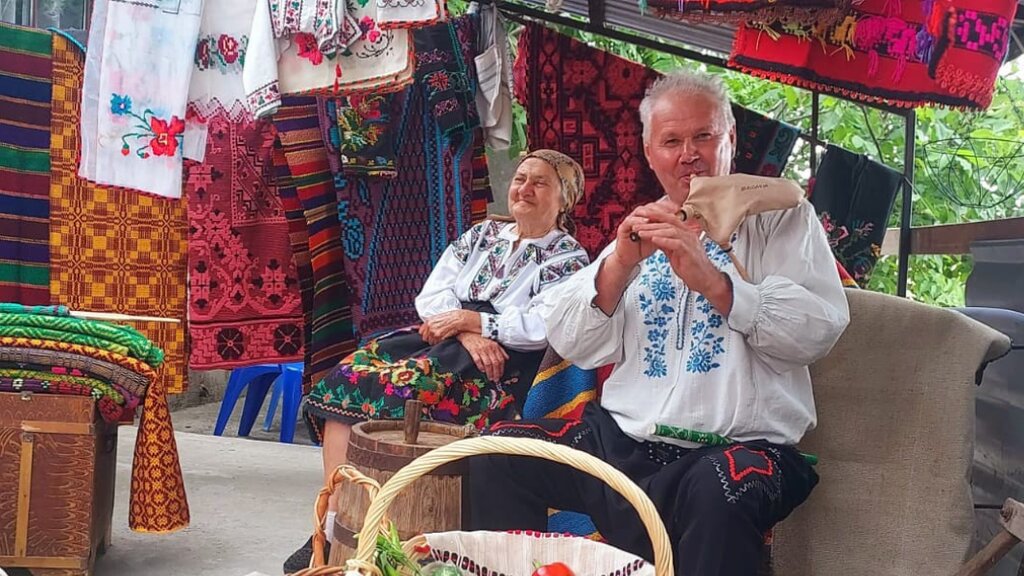
PHOTO Bianca Vasile
"Nie faf Izvoarele si urtim nasie izik naucin ut maică i taică, mamă i tatko. Prikazvami balgarki cughi utfaami na pazara, cughi cupuvami neasto i znaim neacolcu pensni. Mlogu se radvame ce iskate da ciuite ca urtim. Za Kolida i nuvata gudina vi izpraștam mlogu zdravi i vi ciacam faf nastu selu".
“We, in Izvoarele, learn our language as taught by our mother and father, mom and dad. We speak Bulgarian when we go to the market, when we buy something, and we know a few songs. We are very happy that you want to hear how we speak. For Christmas and the New Year, I send you much health and expect you in our village.”
Much health and happiness! May you have peace and love at home! Happy holidays and a Happy New Year!
Read also:
New cultural-gastronomic center shows Bulgarian culinary tradition in Romania
English version: R. Petkova
This publication was created by: Rositsa Petkova