


Author
Darina Grigorova
News
Bulgarian Iron Church St. Stephen – symbol of the Bulgarian identity in Istanbul
Saturday 27 December 2025 12:05
Saturday, 27 December 2025, 12:05
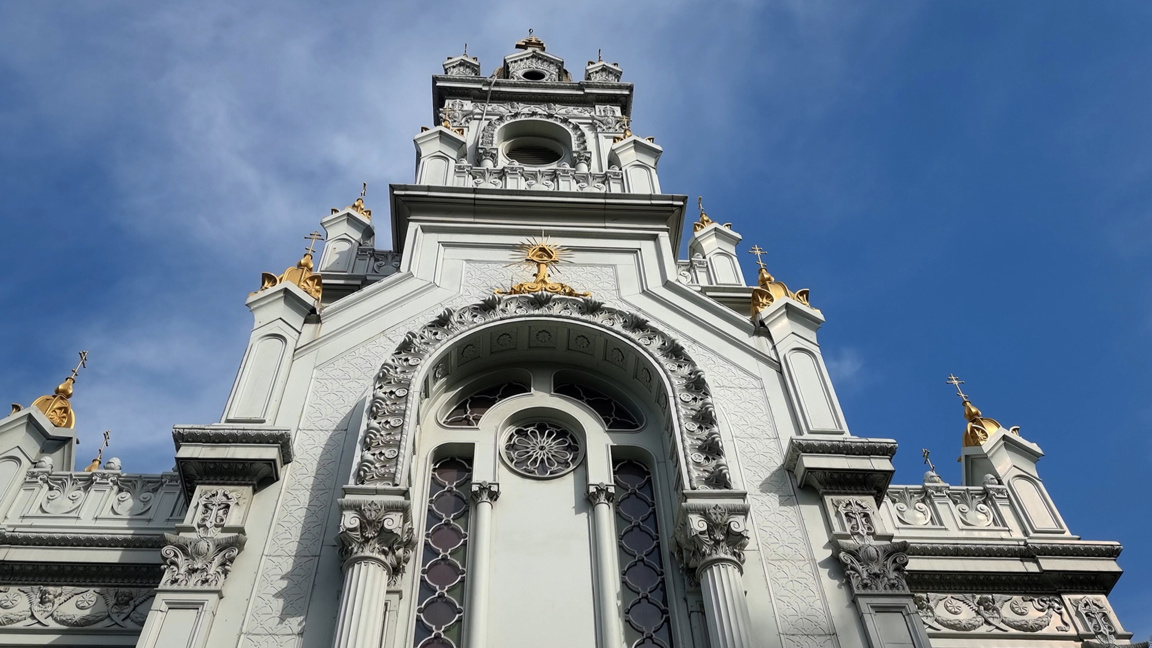
PHOTO BTA
Font size
The Bulgarian St Stephen Church in Istanbul (also known as the Bulgarian Iron Church), associated with the fight for church independence that started back in the 1930’s and the 1940’s, is the world’s only iron Orthodox Church. It is 20 meters tall, including the bell tower. The Bulgarian Orthodox temple was built over 500 square meters. It is a three-nave cross-shaped basilica. It was made of pre-fabricated cast iron elements. The altar faces the Golden Horn and a 40 meter high beautiful belfry.
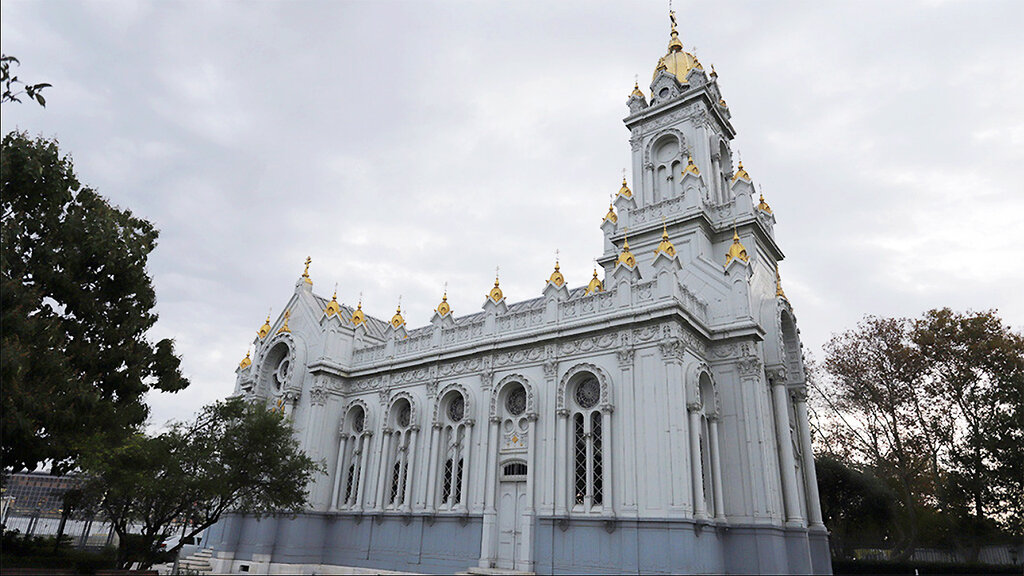
PHOTO BGNES
The Bulgarian Iron Church was built at
the end of the 19th
century when the Bulgarian community in Istanbul (then Tsarigrad)
amounted to 50,000 people. In 1849 statesman Stefan Bogoridi donated
a plot of land with several buildings-a wooden and two stone houses
situated in Fener district in Istanbul. The wooden house was later
reorganized as wooden church.
On
October 17, 1849, an Ottoman royal decree allowing the Bulgarians to
have their own religious temple was issued. Then, the ground floor of
the wooden house donated by Stefan Bogoridi was turned into a
temporary chapel. Later, it became a separate church named after
First Martyr and Archdeacon St Stephen in honor of benefactor Stefan
Bogoridi. The temple was known at that time as the Wooden Church.
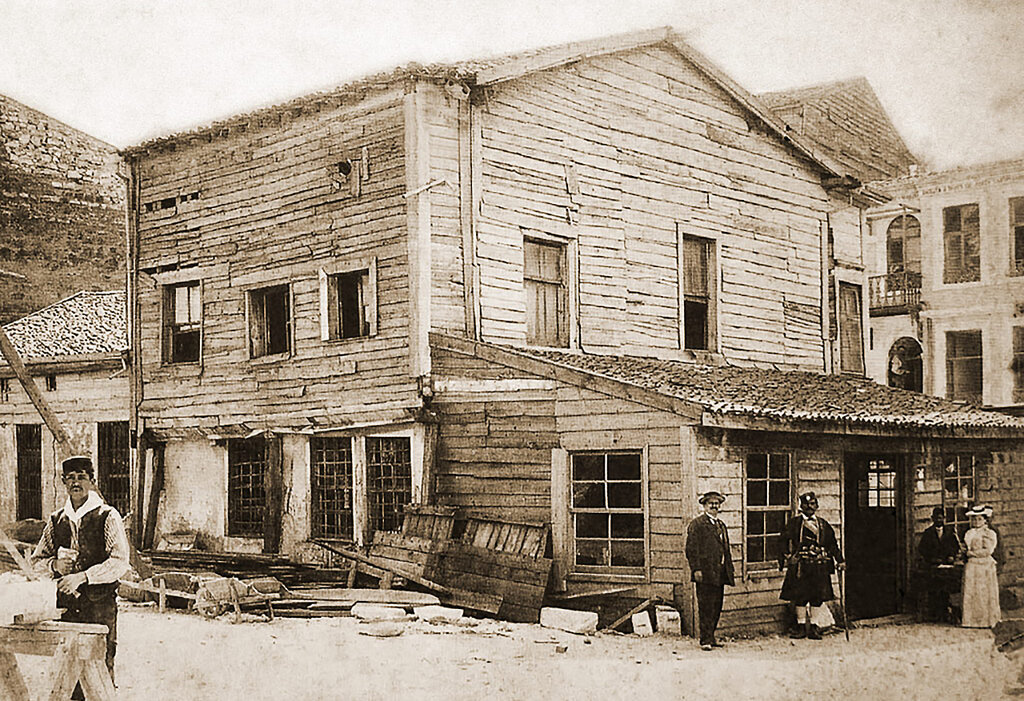
The wooden house donated by Stefan Bogoridi for Bulgarian church
PHOTO library
In 1850 the stone buildings in the church yard were demolished and later a three-story building, known as the Convent, was built instead. It became headquarters of the Bulgarian Exarchate, established on February 27, 1870. The Bulgarian Exarchate functioned in Istanbul even after Bulgaria’s liberation- until the Balkan War in 1912.
On June 25, 1890 an Ottoman royal decree allowed the Bulgarian Exarchate to build a new church on these premises. The new church was inaugurated by Exarch Joseph. An iron frame was preferred to concrete reinforcement due to weak ground conditions. The construction plans of the Iron Church were prepared by the Ottoman Armenian Architect Hovsep Aznavur.
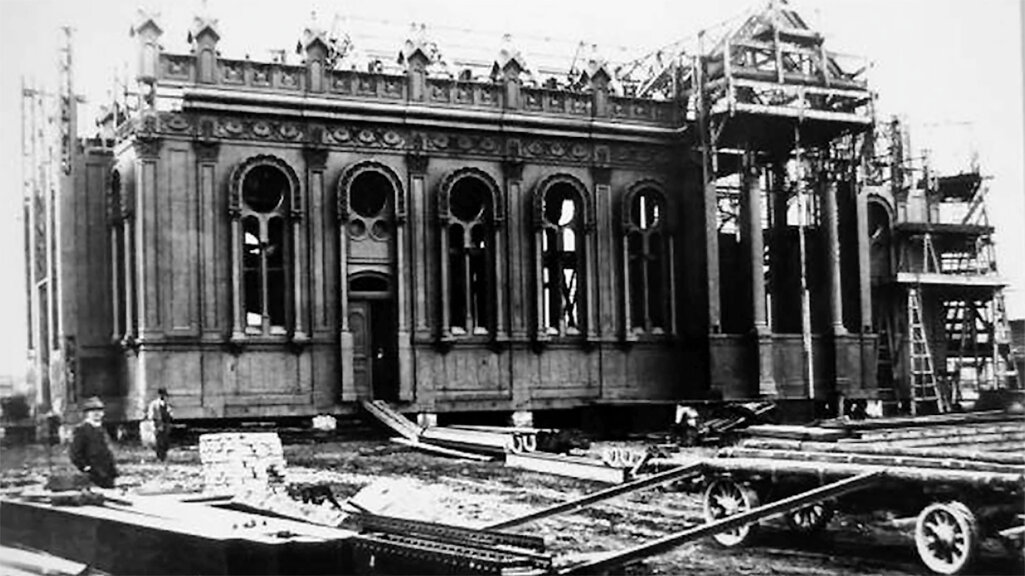
Assembling of the church
PHOTO library
The pre-fabricated iron elements weighing 500 tons were made in Vienna and transported to Istanbul (Tsaribrod) by ship through the Danube and the Black Sea. The main skeleton of the Iron Church was made of steel and covered by metal boards. It was completed on July 14, 1896.
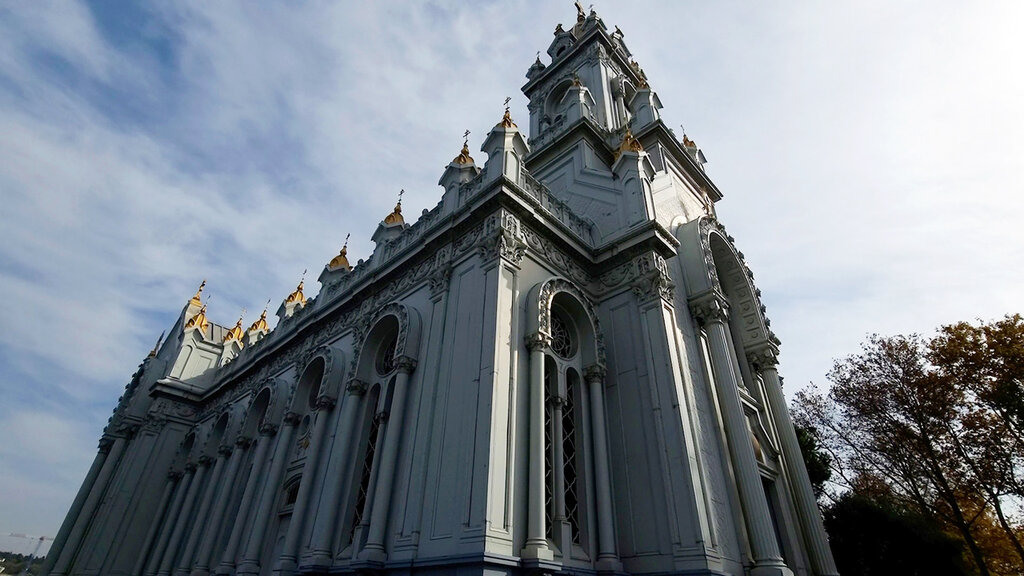
PHOTO BTA
In terms of architecture, the Iron Church combines Neo-Gothic and Neo-Baroque influences. The icons were painted by a Russian artist and the six church bells were also cast in Russia. Two of them are still in use.
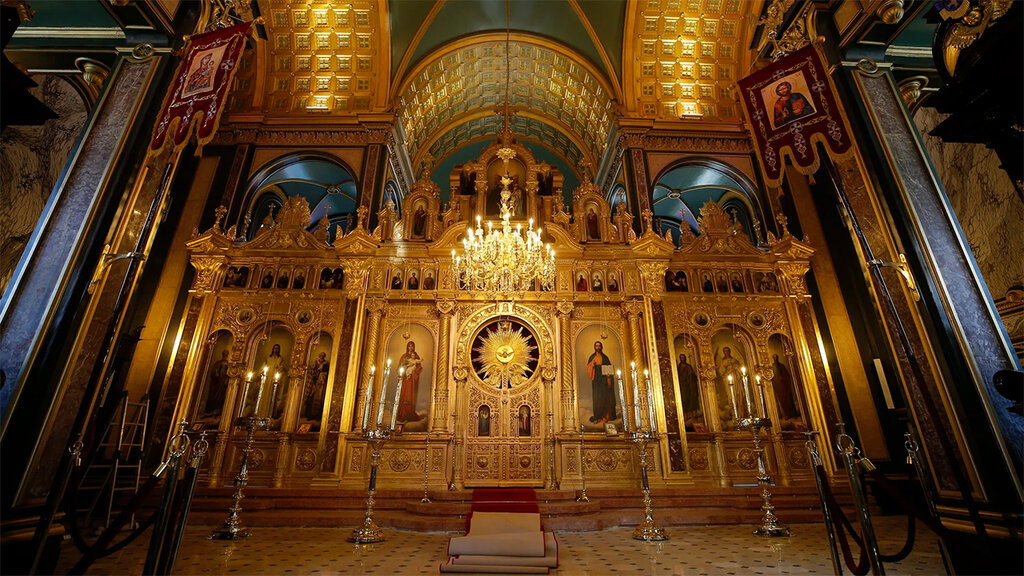
PHOTO AP
The official inauguration of the new St Stephen Church was made by Exarch Joseph on the Nativity of Mary feast on September 8, 1898. Today, the St. Stephen church is one of the world’s few metal churches.
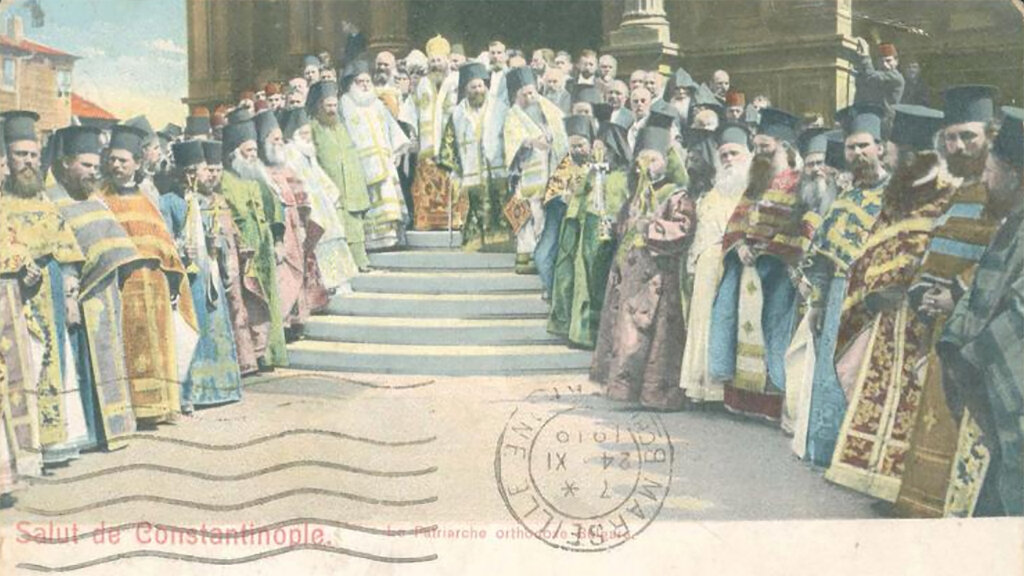
Dedication of the church in 1898, Ottoman postcard
PHOTO library
Bulgarian church figures such as
Ilarion of Makariopol, Avksentiy Veleshki, Maletiy Veleshki and
Paisii of Plovdiv were buried in the church yard.
The
St. Stephen Church which marks its 120 anniversary in 2018 is regarded
the most-valuable monument of the Bulgarian historical and cultural
heritage in Turkey and abroad.
Photos:
BTA, BGNES, AP, archive
This publication was created by: Alexander Markov