Author
Desislava Shapkarova
Article
Christmas Eve and Christmas according to traditionalists and Gen X, Y, Z, Alpha
Wednesday 24 December 2025 12:35
Wednesday, 24 December 2025, 12:35
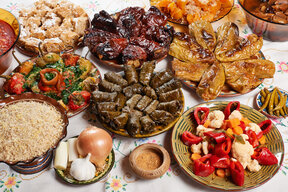
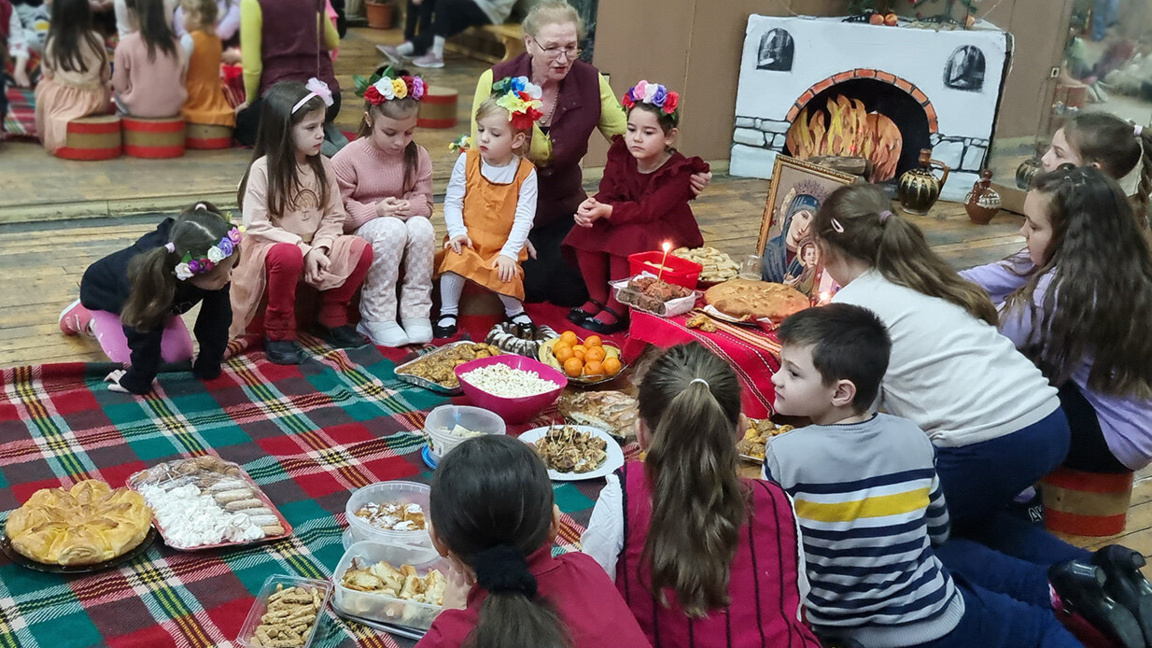
PHOTO BTA
Font size
“We don’t eat meat and then Jesus Christ is born” – this is how a child's voice describes Christmas Eve – the holiday which, with its abundance of symbols, wishes and blessings, gathers families so they can, in the silence of the night, remember humility, welcome hope, and immerse themselves in the love and support that each one of us receives from their loved ones.
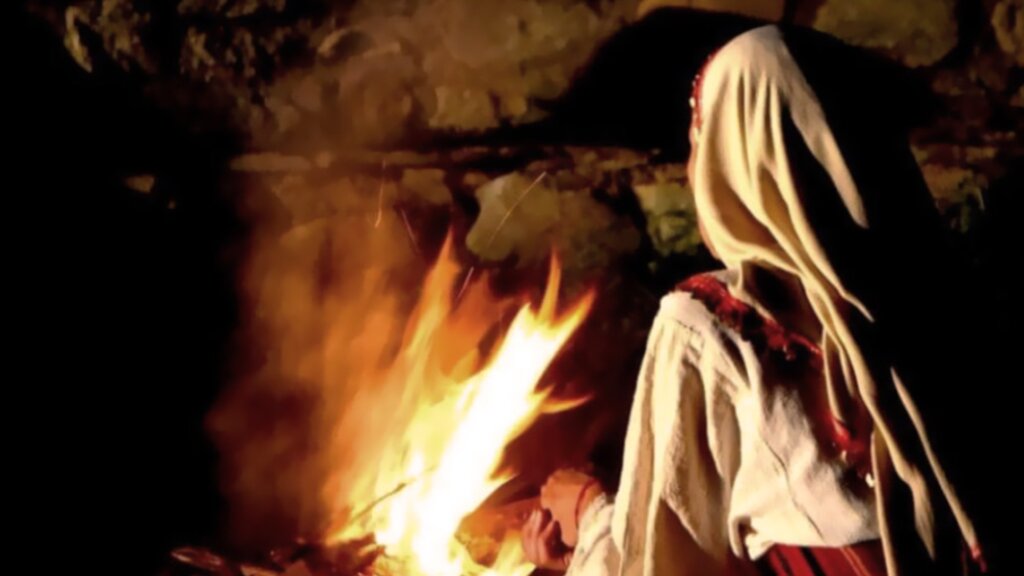
PHOTO Dr. Anelia Ovnarska
With the warmth of the burning Yule log and in anticipation of Nativity, traditions, culture and spirituality have traveled through the centuries to reach the 21st century – the one in which online spaces have become a source of support, artificial intelligence promises to do everything for us, loud advertisements push us toward almost hypnotic shopping, and values change their parameters every passing day.
Facing the possibility of losing ourselves in a world rushing toward something unknown, we tried to look through the eyes of different generations to understand how they perceive Christmas Eve and Christmas today.
More than a decade ago, grandmother Zhivka from the Sofia village of Breze returned to her childhood and told the Bulgarian National Radio about the Christmas Eve tradition:
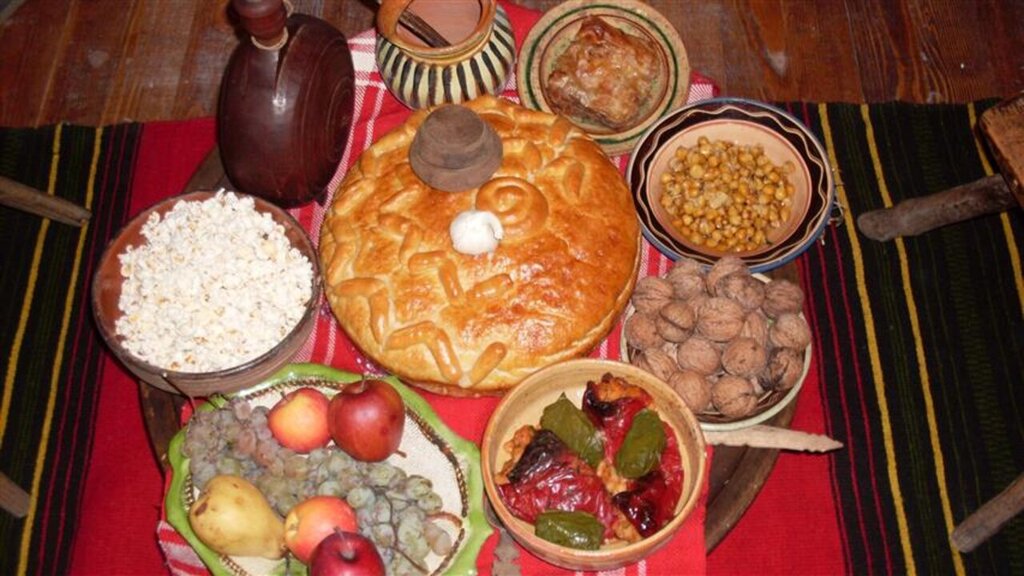
PHOTO Radio Vidin
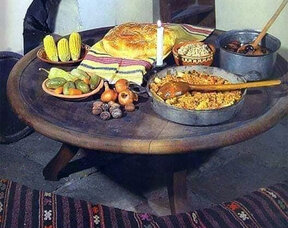
“They bring straw, put it on the ground, then a tablecloth, we place the dishes and all sit around on the floor. There were plums, beans, cabbage, and a round bread kneaded with a coin in it – to see who will get it. When we clear the straw, we put it over the plum trees – to bear fruit! Everyone is with their family and at home. As a child I was joyful and now I am very joyful too!” – this is how the holiday is described by a representative of the traditionalists, i.e., those born between 1925 and 1945.
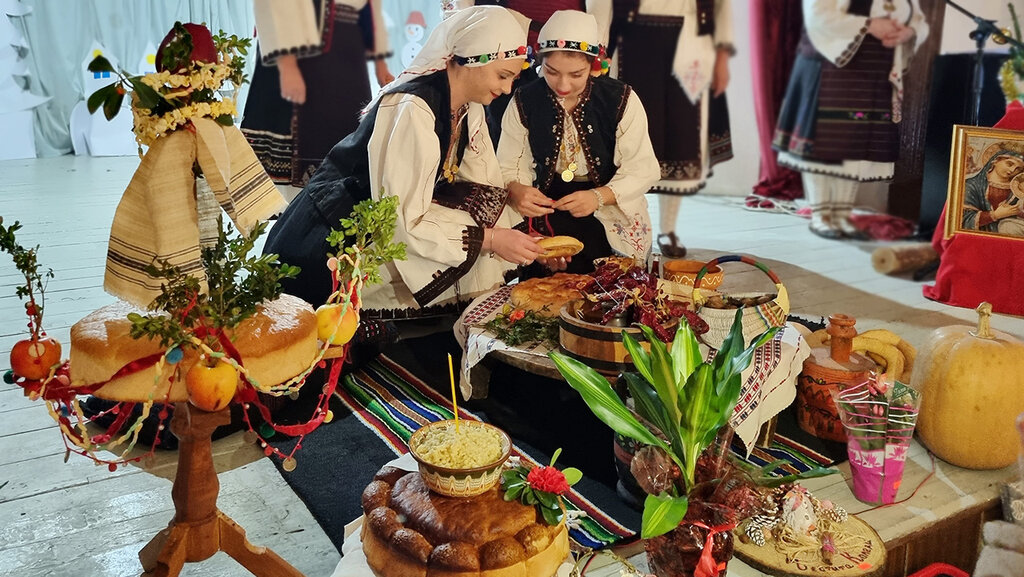
PHOTO BTA
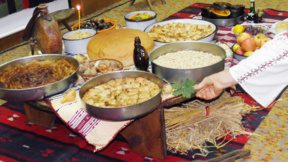
Nearly a century later, members of Generation Alpha, born after 2012, also sit at the Christmas Eve table that is laid out only with lean meatless dishes.
“We knead bread, we don’t eat meat and then Jesus is born”…”We make banitsa with fortunes and one coin inside, and the oldest person in the house must break the bread into two parts”… “Only meatless dishes are eaten… beans. We celebrate” – say pupils from Sofia’s 97th School “Bratya Miladinovi,” mixing festive rituals and symbolism.
A gift for a gift – ritual breads and an odd number of dishes on Christmas Eve
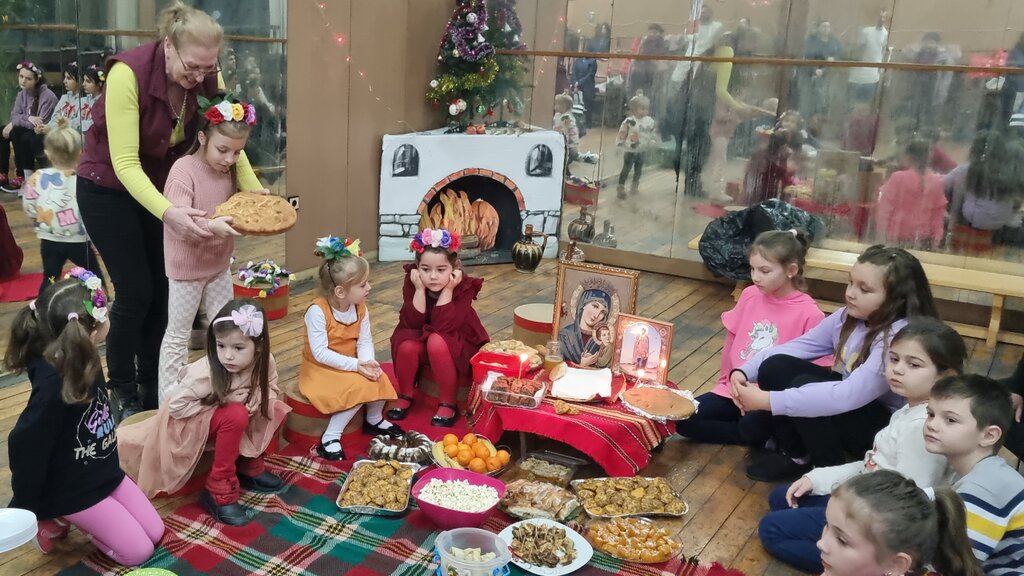
PHOTO Veneta Nikolova
Different generations interpret holiday symbols in their own way, and these perceptions are often completely opposite. Only two years ago, representatives of Generations X, Y, and Z (born between 1965 and 1996) “blew up” social networks with discussions about the white-bearded Santa Claus and his, according to some, “socialist duplicate” Father Frost. A BNT investigation at the time, citing ethnologists and historians, managed to ease tensions with evidence that the character from the early 20th century is not connected to the image later imported from the Soviet Union.
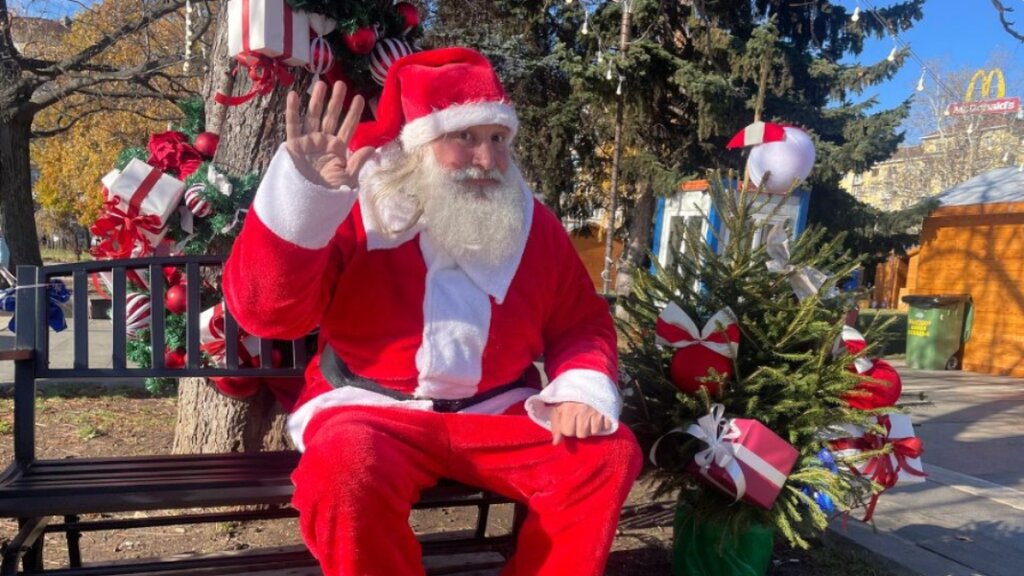
PHOTO Veneta Nikolova
Today, some members of Generation Alpha may not have heard of Father Frost, but they care deeply about the tradition of the white-bearded old man bringing presents to children at Christmas and eagerly share their wishes – toys, a gaming console, a book, a soccer ball… They joyfully list their favorite things about the holidays:
“I like the stuffed cabbage rolls the most” – says one of the children at “Bratya Miladinovi” school, while others add: “And that you spend the holidays with family!”… “That I can ski” … “I like that I go to bed at 11 p.m. and I can do almost whatever I want – almost, because because of my mom I can’t play on the PlayStation if I haven’t read or finished my homework…"
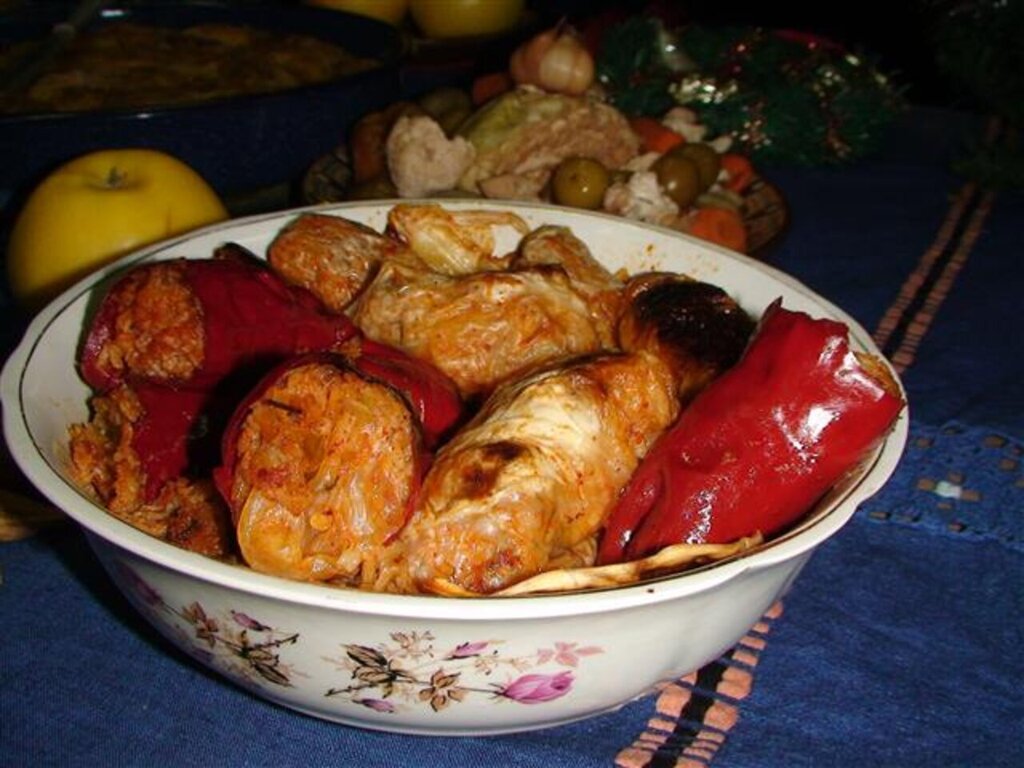
PHOTO Vanya Mineva
On the other hand, in online platforms, users from Generations Y and Z share that they celebrate Christmas Eve and Christmas with their older relatives. Not rarely, the holidays are a time for a bit of healthy laziness after the hectic weekdays. There is also nostalgia for the past, when Christmas in Bulgarian lands was synonymous with a thick snow blanket, smoking chimneys, sledding and joy. That is why we should not be surprised by comments on social media:
“Since the climate changed, my Christmas spirit is gone. I remember how magical it felt looking at the sparkling snow on Christmas night, the warm clothes, the coziness at home, and we children made garlands and lanterns from coloured paper. The excitement is gone, that feeling in your stomach is gone…”
And today’s children from Generation Alpha also dislike certain aspects of the holidays:
“That the teacher will give us a lot of homework”… “I don’t like that there are children who don’t get presents!”… “I don’t like the horo dance” … “And I don’t like that we don’t eat meat”… “I don’t like Christmas because when everyone talks, nobody pays attention to me!”
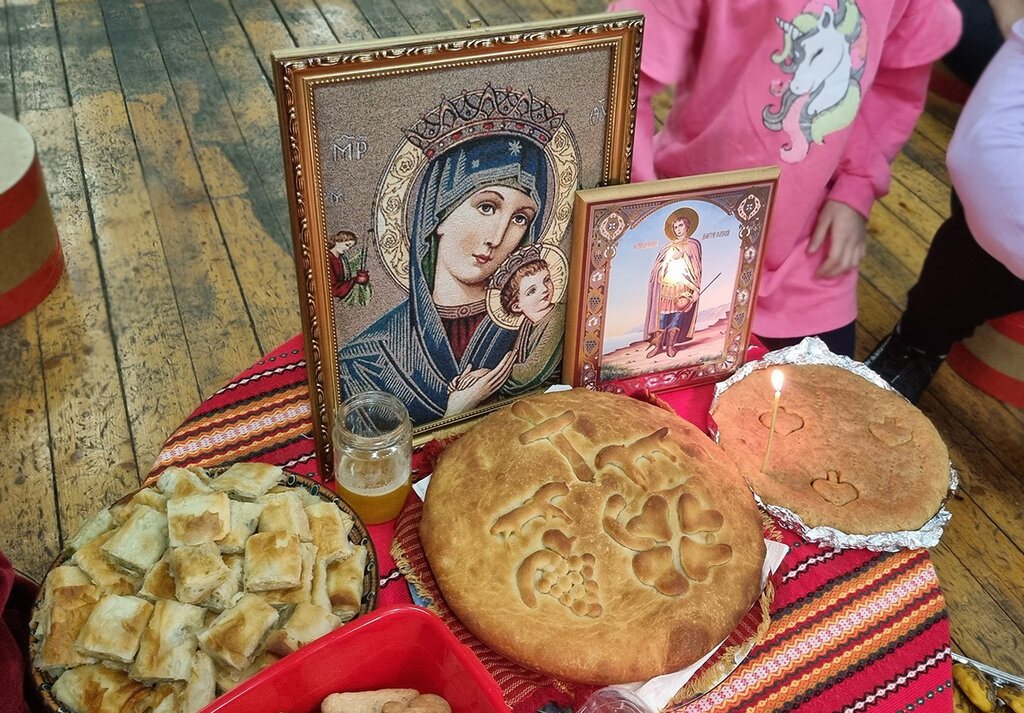
PHOTO BTA
And if different generations have different views on holiday traditions and their place in life today, hope for a better future is what unites them. We understand this from the wishes for Christmas Eve and Christmas, which seem to remain unchanged through the centuries. And the children from the 97th school “Bratya Miladinovi” enthusiastically send them to their peers around the world:
“My wish is that they are very kind and happy and have many wonderful moments in life!”… “That they get many presents and have a great time with their parents!”… “I wish them to be alive and healthy and God to protect them!”… “To have no homework and most of all not to fall and not break their legs and arms!”… “To be noble!”… “To spend the holidays very nicely!”
Awaiting Christmas, we cannot go wrong by noting that the tradition of the holiday is still very much “alive,” and that the wishes always carry the spark of Christmas magic which promises to make them come true. So be it!
Read also:
"Come down, Dzherman, and dine!" – the lost magic of Christmas Eve
Christmas Eve blends Christian and pagan rituals in the expectation of Christ’s Nativity
English version: R. Petkova
This publication was created by: Rositsa Petkova