


Author
Albena Bezovska
News
“May you be alive and well until next year" - New Year's wishes in Bulgaria
Thursday 1 January 2026 02:00
Thursday, 1 January 2026, 02:00
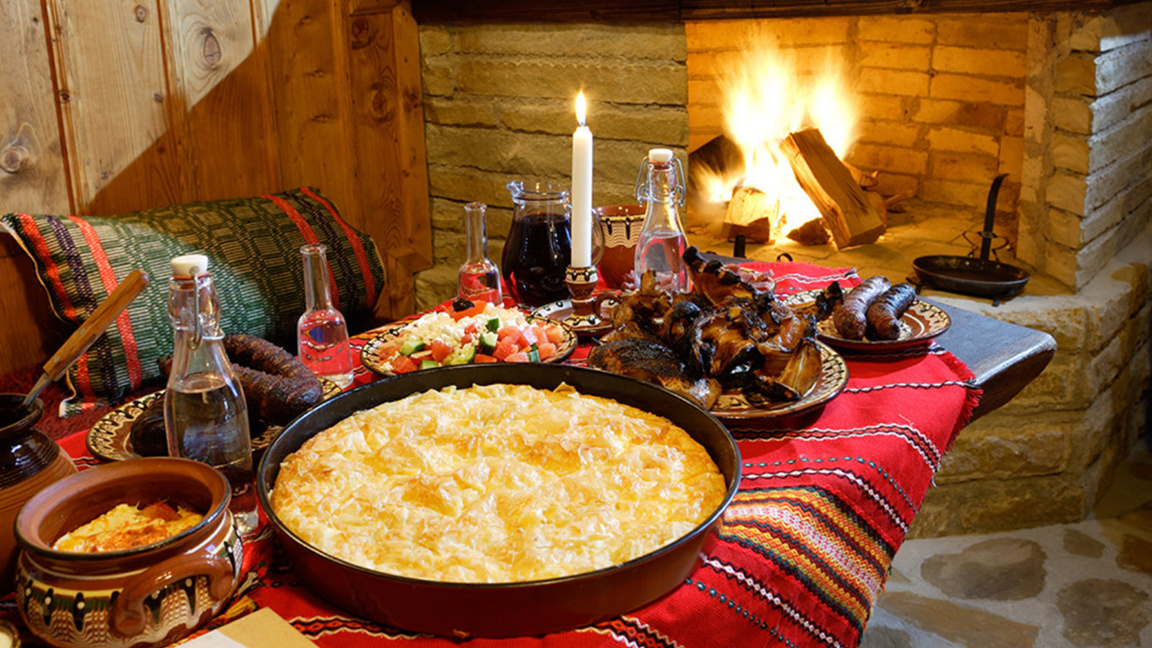
PHOTO Archive
Font size
For centuries, welcoming the New Year has been among the most important moments in Bulgarian tradition. It is not merely a change of the calendar, but a boundary that must be crossed through a colorful sequence of rituals and customs. These begin on the last day of November and continue almost until the end of January - a period understood as a transition from darkness to light, from chaos to a new order.
On the first day of January, Orthodox Christianity celebrates the Circumcision of the Lord as well as the memory of Saint Basil the Great. In Bulgarian tradition, the first day of the year is known by several names - Vasil, Vasilovden, Surva, Surovaki. Those celebrating a name day include Vasil, Vasilka, Vasilia, Veska, Veselin, Veselina, and other derivatives of the saint’s name.
On the eve of the holiday comes the last censed supper. But unlike Ignazhden (Saint Ignatius Day) and Badni Vecher (Christmas Eve), when only meatless food is served, the New Year’s table in the past was required to include a pig’s head or some kind of aspic prepared from the Christmas pig. This is the only occasion on which pork is a ritual food. In some parts of the country, usually in rural areas where people raise animals, this custom is still observed today.
The other foods that usually appear on the table largely repeat the Christmas Eve meal - wheat, fruits and vegetables, walnuts, stuffed cabbage leaves and stuffed peppers (often with meat). It is believed that the richer the table, the greater the abundance the coming year will bring. The banitsa with fortunes, prepared in the old year, is cut in the first hours of the new one. In the past, women would place broken cornel-tree twigs—one for each member of the family—dedicating each of them with a wish: for health, love, marriage, and so on.
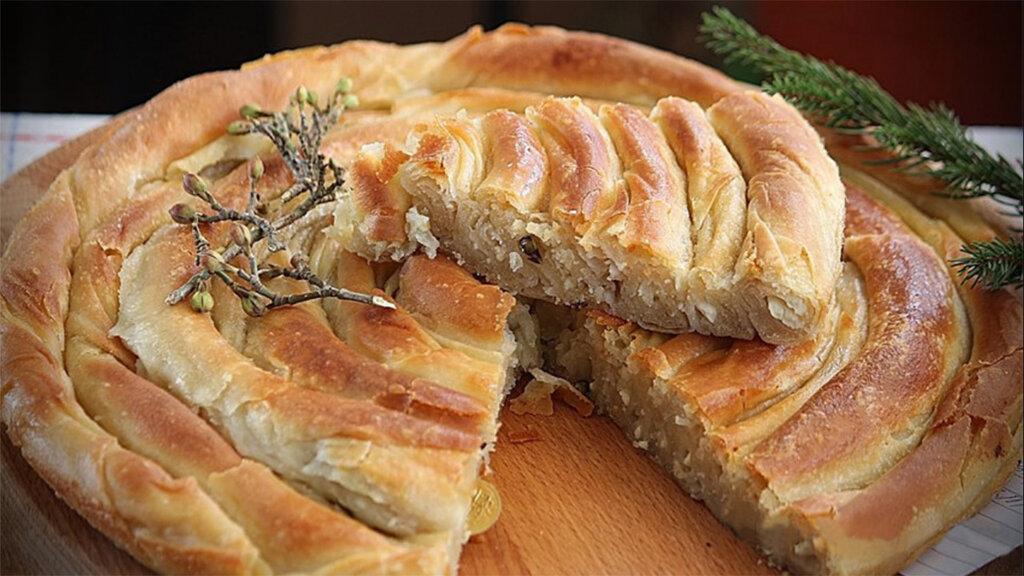
PHOTO Archive
As with all transitional moments in the folk calendar, divinatory practices are performed on Vasilovden. A widespread custom is laduvane - a ritual in which young girls foretell whether they will marry in the new year and whom they will marry. Bouquets with rings tied to them are left overnight in a vessel filled with “silent water.”
In the morning, the girls gather, take out the bouquets one by one, and sing short ritual songs describing various occupations and professions. For example, “White paper, black ink” means the future groom will be a teacher; “Golden bracelets clinking on the bed” means a goldsmith, and so on. Interestingly, this custom has been preserved in many villages and is practiced even today - of course, more as a cheerful continuation of the holiday and an effort to preserve our ancient traditions.
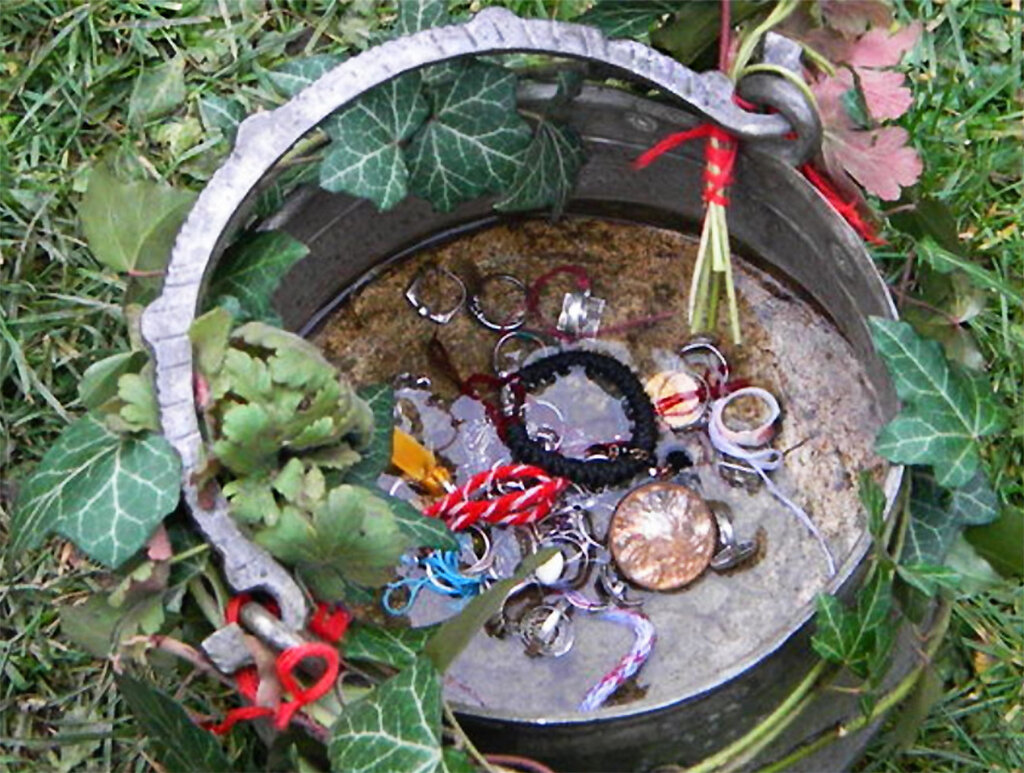
PHOTO Archive
Perhaps the most enduring festive ritual is "survakane", which has never ceased to exist. Passed down from antiquity, it carries deep symbolism. Regardless of certain colorful details specific to particular localities, survakane across the country shares similar features and is typologically equivalent to Christmas caroling. As in many ancient cultures, in traditional Bulgarian beliefs the circle is a symbol of the sun, of God, and has protective functions. The survakari (like the carolers) symbolically form a circle around the village and visit every home.
According to historians, in the past the survakari were married young men. Over the years this practice changed, and in the last century survakane has been performed by boys - from about 4-5 to 10-12 years of age. After midnight on December 31 into January 1, dressed in new clothes, they begin to chant blessings for health and fertility.
They carry cornel twigs cut the previous day (raw cornel twigs). Hence the name surovachka or survachka (from the Bulgarian word for raw "surov"). In folk beliefs, the cornel tree is a symbol of resilience, health, and longevity. Touching this “iron” tree conveys a wish for equally iron health and good fortune. Today ready-made survachki can be bought, but many mothers and grandmothers prefer to make them themselves. What is needed are multicolored woolen threads - red ones are a must - as well as a red apple, popcorn, and dried fruits.
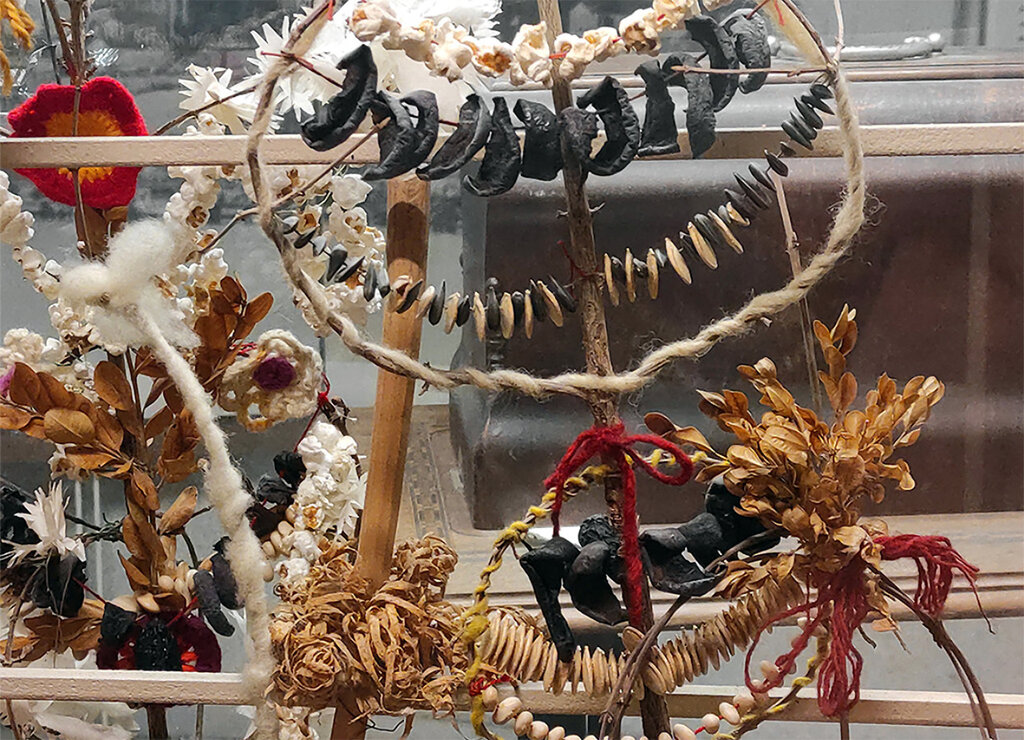
PHOTO knigovishte.bg
In some villages and smaller towns where everyone knows each other, groups of survakari go around on New Year’s night, but more often children perform the survakane custom with close relatives, family, and neighbors, who reward them with money, fruit, and the like. Depending on the region, the blessings vary in wording, but everywhere the meaning of the custom is the same - to bring health and prosperity. Tapping gently with their decorated dogwood sticks, the survakari recite:
Surva, surva year, joyful year,
Golden ear in the field, red apple in the garden,
Yellow corn on the stalk, big cluster on the vine,
Full beehives with honey, little chicks everywhere!
May the New Year be happy for you, until next year, until amen!
There is also another blessing, especially fitting for our times:
Surva, joyful year!
May your back be strong!
Be alive, be healthy!
Until next year, until amen!
And here is one of the most widespread versions of a survakari song:
Oh granny, granny,
Get up, master,
Open the door,
Give me two loaves,
Reach into your pocket,
Take out a coin,
Give it to the boy…
English version: R. Petkova