


News
Bulgarian village enters the Eurozone without a bus, post office, and ATM
For years, the village of Emen in Veliko Tarnovo region has had no public transport, no post office branch and no bank
Monday 29 December 2025 12:45
Monday, 29 December 2025, 12:45
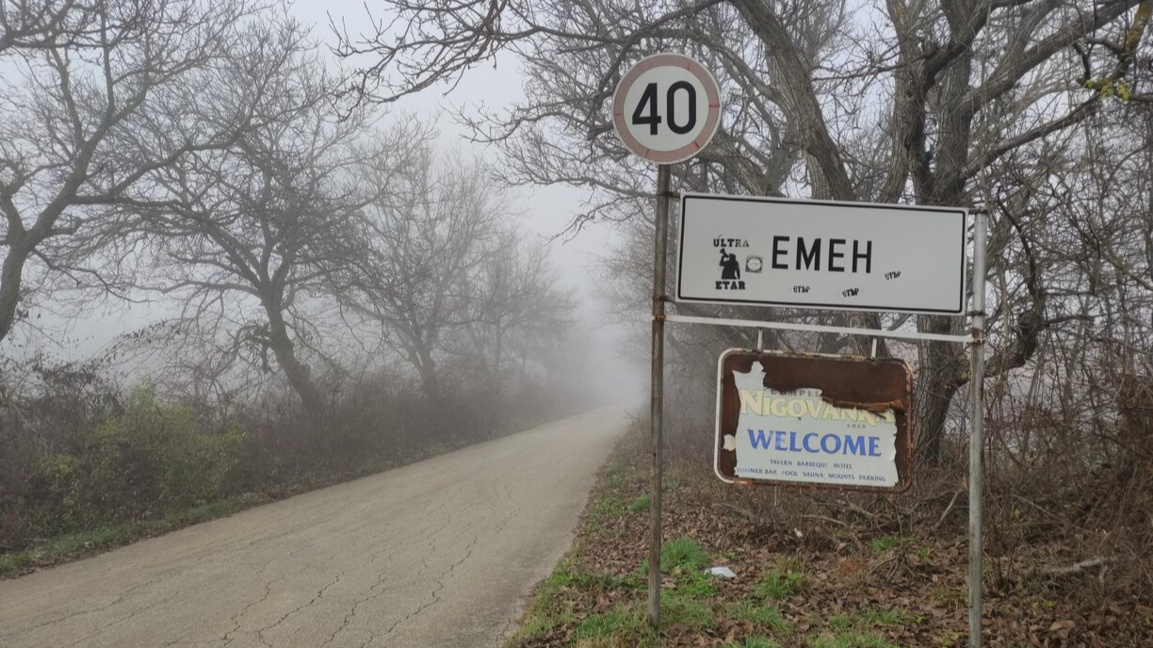
PHOTO Zdravka Maslyankova
Font size
Problems with the transition to the euro are expected in small settlements in Bulgaria that lack post office branches. One of them is the village of Emen in the region of Veliko Tarnovo, where some twenty elderly people live.
Without a bus service, a post office, a bank, and based on the principle of “everyone for themselves and however they can manage,” is how the village will "welcome" the euro. Emen is a local tourist destination, with a considerable number of guesthouses, but it has no mobile phone coverage, and reliable internet access is still considered a luxury. For the roughly twenty permanent residents of Emen, the euro remains an unknown.
For years, the village of Emen has had no public transport, no post office, and no ATM, which makes the transition from the lev to the euro quite a difficult process.
Meteorologist Krasimir Stoilov is now a retired citizen. The 66-year-old man says that in order to exchange his savings into euros or receive his pension, he has to travel - not to the municipal center of Veliko Tarnovo, but to the nearer town of Pavlikeni - and he is not optimistic about a smooth and trouble-free transition from the lev to the euro from the New Year.
“It's total poverty - this village is dying. Those who have relatives will rely on them; those who don’t - may God help them. In practice, I’m left without funds. The closest place that can save me is Pavlikeni, where I can go to an ATM. That’s 17 kilometers away. To get there, I need money for diesel or gasoline.”

PHOTO Zdravka Maslyankova
The only shop in the village of Emen operates for just an hour or two a day. It still hasn’t stocked euros. The shopkeeper, Ivanka Yordanova, isn’t worried that she will initially receive Bulgarian leva from her elderly customers but will need to return the change in euros:
“There are few people here who shop, about 20. On Mondays and Fridays, we deliver bread. The exchange rate is in front of me, I divide it by 1.95583, and it works out exactly. People buy basic necessities – bread, milk, and a bit of sausage. I have salt, sugar, vinegar, oil, lyutenitsa, a few candies. I’m not worried about giving the change. Scams may happen. Just like they’re tricked with leva, they’ll be tricked with euros. There’s no guarantee.”
The village mayoral deputy hasn’t even thought about talking to the residents about possible scams with currency exchange and how elderly people could become easy targets for dealers of counterfeit euro banknotes:
“I don’t believe it. I haven’t even thought about training them. We’re 23 people here, we all know each other. Who is going to trick whom?” commented Vladimir Stoyanov.
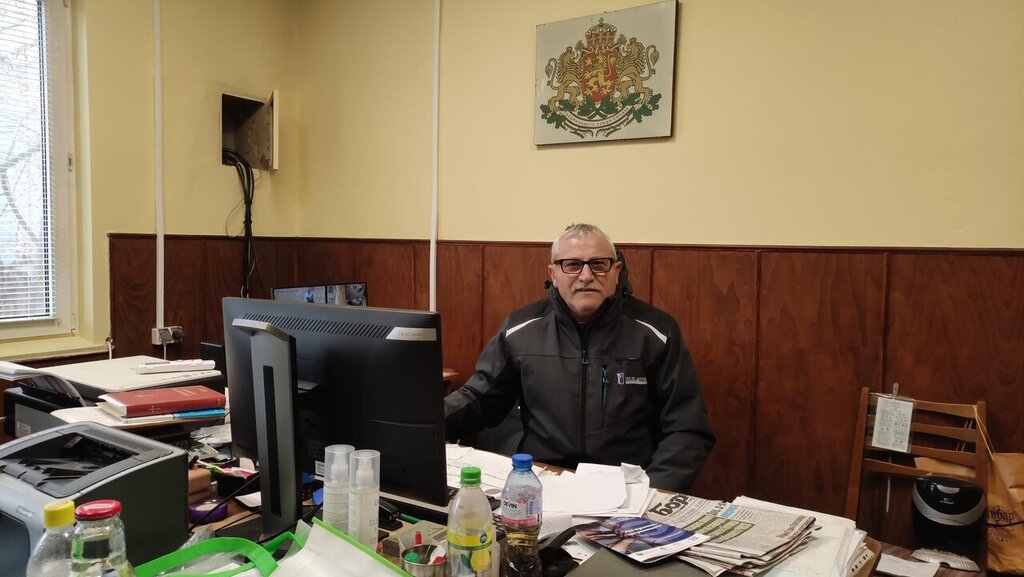
PHOTO Zdravka Maslyankova
In villages without a post office branch, mayors will provide transportation to municipal centers for exchanging leva for euros, according to the regional administration. However, for Emen, this is impossible, says the village mayoral deputy, Vladimir Stoyanov:
“What transport should I organize? I’ll have to drive one or two people in my car. The people are elderly, everyone has managed to get by, everyone has made their own arrangements. I pay with a card, and I will make sure to have just a small amount of Bulgarian leva.”
The mayor’s deputy has a car and receives his salary and pension via card, so traveling to either Pavlikeni or Veliko Tarnovo is not a problem for him. The shop in Emen does not have a payment terminal for card transactions. The elderly people pay in cash, and they will likely see their first euros when they receive their January pensions. How they will exchange their savings, as many have "saved white money for dark days" or at least for their funeral, is still unclear for Emen.
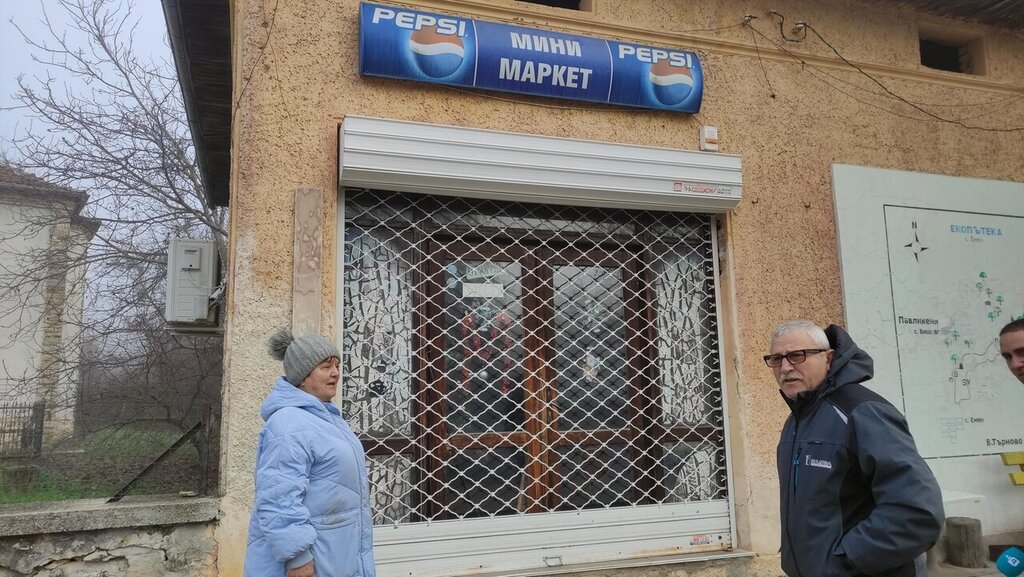
PHOTO Zdravka Maslyankova
Photos: Zdravka Maslyankova
English version: R. Petkova
This publication was created by: Rositsa Petkova