


Author
Yoan Kolev
News
Political 2025: Protests and government in resignation before eurozone entry
Monday 29 December 2025 13:46
Monday, 29 December 2025, 13:46
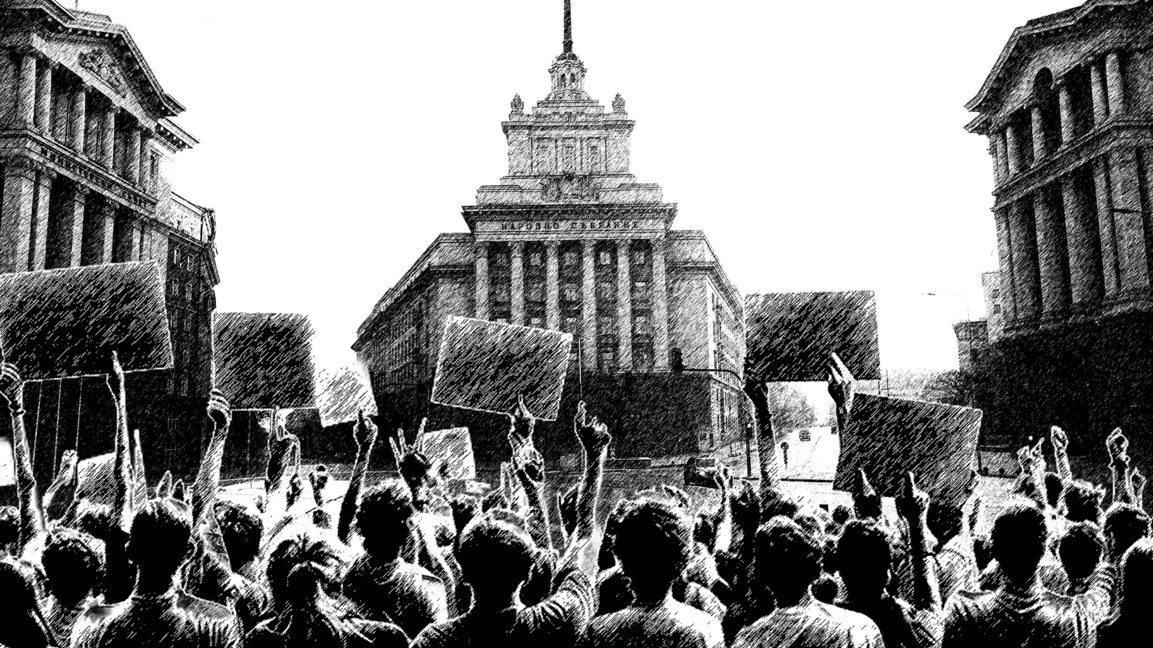
PHOTO Photo collage - BGNES
Font size
The cabinet of Prime Minister Rosen Zhelyazkov lasted 11 months and 10 days. Bulgaria's 105th government was voted into office in January 2025 after long and difficult negotiations between mandate holders GERB-SDS and the smaller parliamentary parties – BSP, ITN and the Alliance for Rights and Freedoms /the members of parliament who remained loyal to Ahmed Dogan during the split in DPS/. In mid-April, at a time when the country was making efforts to receive a positive convergence report on its accession to the eurozone, the coalition around the former honorary chairman of the DPS withdrew its confidence in the cabinet. However, it continued to work, receiving support from DPS-New Beginning formation, headed by Delyan Peevski.
In the middle of the year /on June 4/ it became clear that Bulgaria would be granted the right to adopt the euro as its currency on January 1, 2026. The news was followed by six votes of no confidence within six months, in which the government survived, but resigned after mass protests provoked by the proposed budget for 2026. The protests passed under the motto of changing the governance model, nicknamed "Borissov-Peevski".
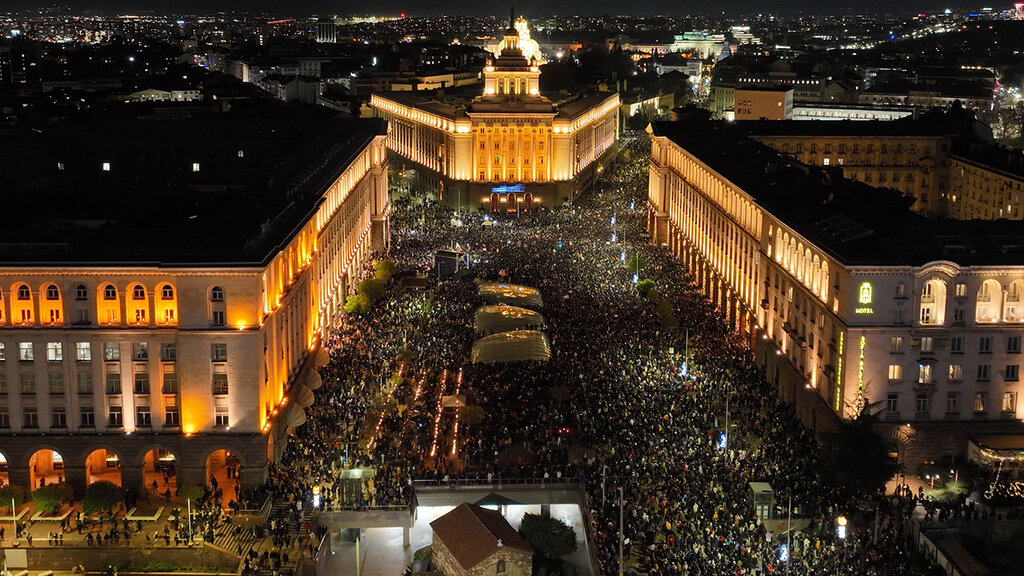
PHOTO BTA
2026 begins with political turmoil because of the completion of Bulgaria's European integration process and the protests caused by the mistakes and scandals of the government. These are the events that mark the political year 2025, says Svetlin Tachev, a political scientist of the "Myara" agency.

PHOTO Personal archive
"This government had a chance to govern as much as it wanted, without any particular problems, as long as it did not make mistakes and cause scandals. However, it did not manage to do so. The fact that the draft budget managed to cause this wave of protests shows that the accumulated dissatisfaction was indeed great. In a normal political situation, such a topic could only cause minimal tension, as it happens with every budget. This time, however, it brought hundreds of thousands of young and old, with different political beliefs, to the streets. These protests continue a transformational process that began with the dissatisfaction of 2020 and is going through different stages, and we are yet to see what it will lead to," the analyst says.
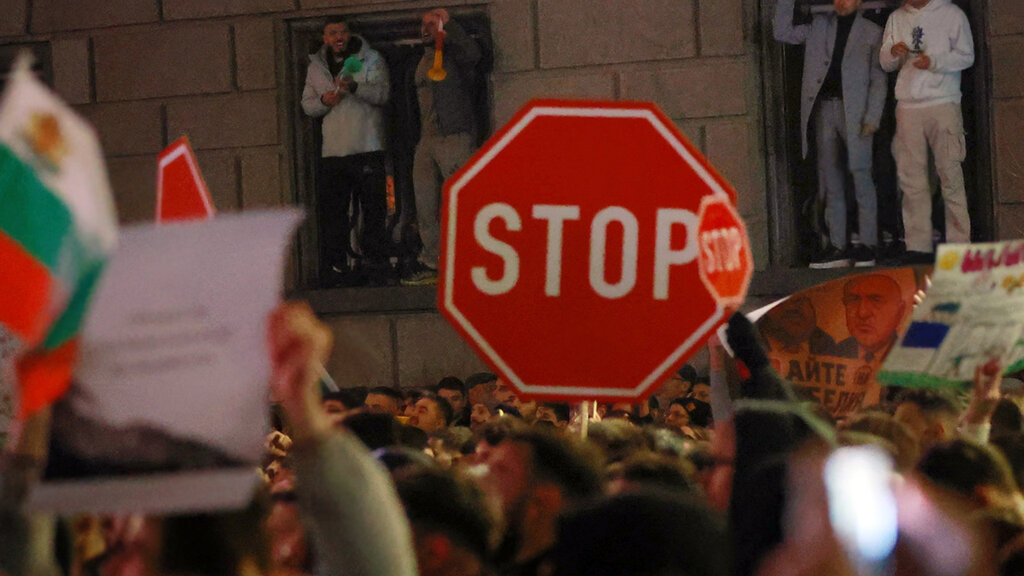
PHOTO BTA
One of the mistakes the government made was the arrest of Mayor of Varna Blagomir Kotsev, preceded by that of Sofia Deputy Mayor Nikola Barbutov. The two events seriously shook the opposition coalition PP-DB and almost led to its collapse after co-chair and former Prime Minister, Kiril Petkov, resigned and left the parliament.
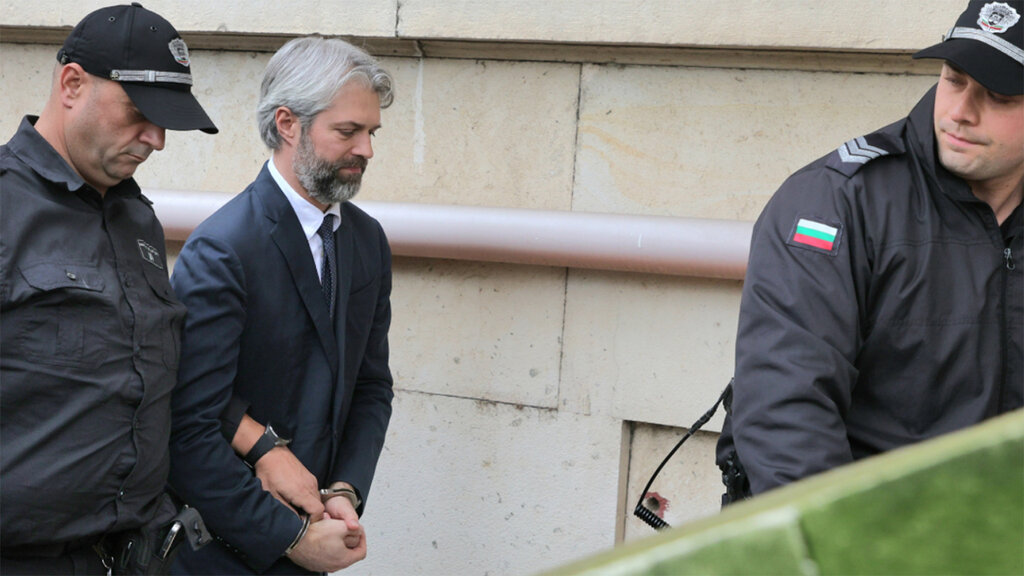
Blagomir Kotsev
PHOTO BTA
The second largest parliamentary coalition managed to unite and
mobilize its voters. The reason is that they managed to change the
focus of the previous model of opposition "East - West", to
that between the status quo and change, which provided an opportunity
for mobilization at a supra-party level.
The passing year
2025 was a breath of fresh air for voters, who needed a break after
the series of 7 early elections. A time during which they lost their
guiding point, political scientist Tatyana Burudzhieva says.
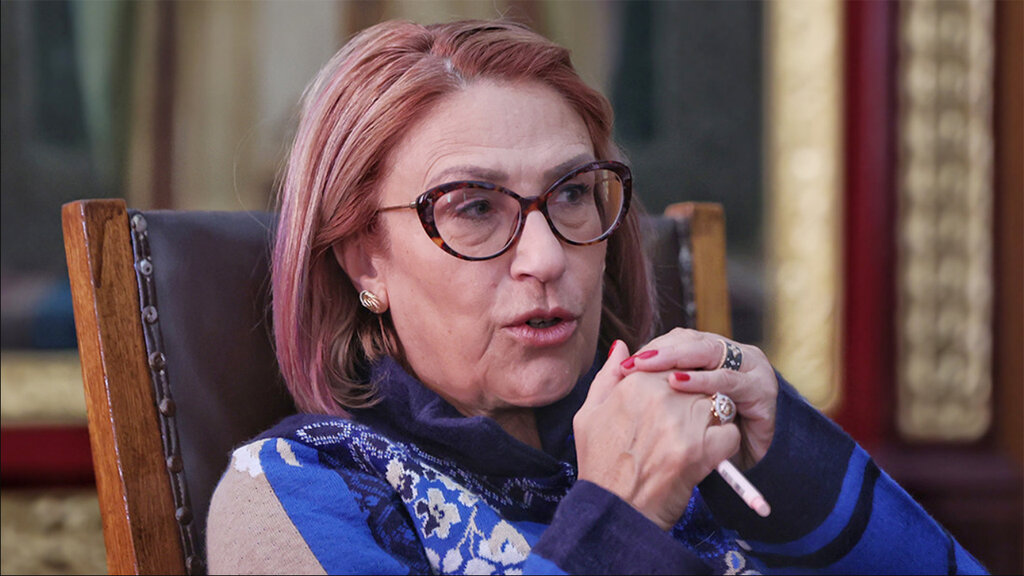
PHOTO BTA
"The guiding point is related to goal setting. If I can set a goal that I can start fulfilling, this is the thing that allows me to have an assessment and reaction to every action or move of politicians. If their move works for my goal, I will support them, and if not – I will look for others who are closer to fulfilling my goal. Since we allow ourselves to be turned into fan clubs and a crowd, we allow ourselves to miss the important things. That is why I think that the fans at football matches are a good expression of what we have become and we can see ourselves if we look at their actions."
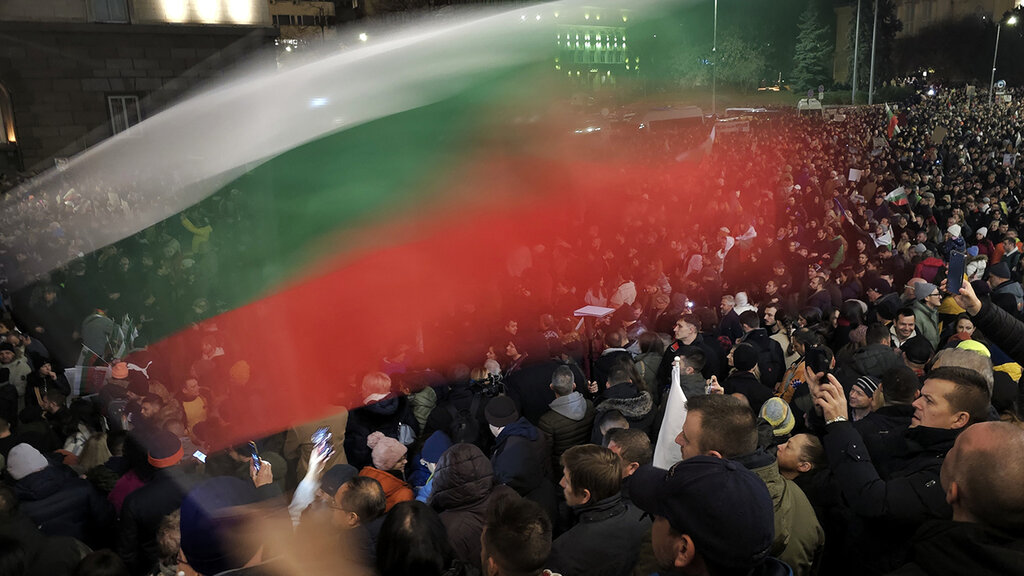
PHOTO BTA
According to her, there is nothing wrong with the fact that there are
protests, while representative democracy creates less of the feeling
among citizens that they are included in the decision-making
processes and that those who do not like political decisions are a
minority. The situation is rather the opposite - political decisions
are made by a minority, which creates tension and grounds for
protests. It becomes increasingly difficult to convince the majority
that the decisions should be followed:
"In politics,
it is very important, when we talk about democracy, that power comes
from the people. The less people have the feeling that power comes
from them and the more they are convinced that everything is decided
during backstage games, as our parliament demonstrated this year, the
more certain they are to be part of a very low-quality amateurism in
politics. Therefore, 2025 will rather be classified as the year in
which Bulgarians were made to believe that they were carrying out
historical deeds, while politicians tried to get a shift in power,
and the business behind them – a breath of air before the
introduction of the rules related to membership in the eurozone.
This, of course, will happen sooner or later, but it is another thing
to live a few more years the way we are used to."
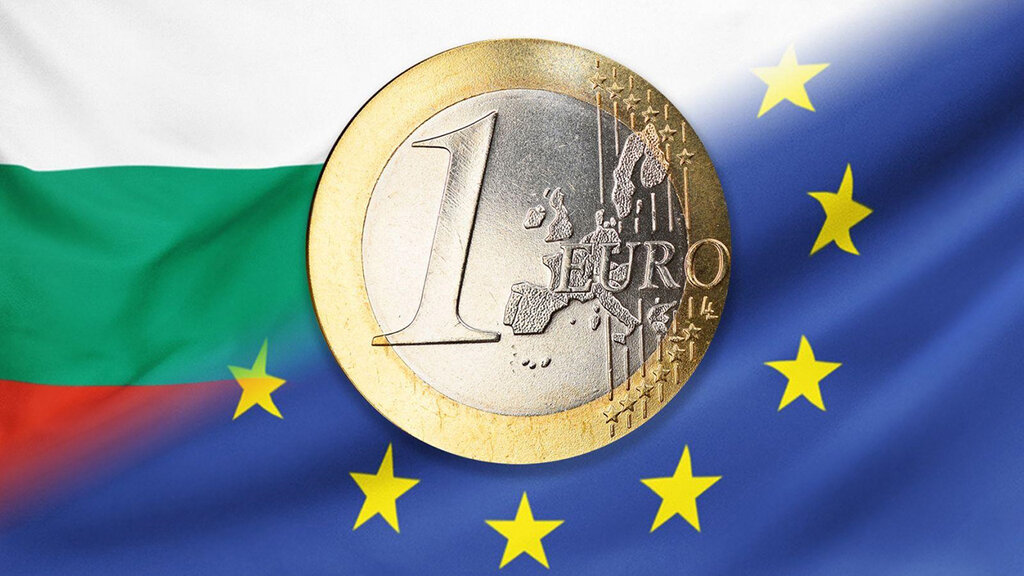
PHOTO BGNES
As a significant shortcoming in the work of the government of Prime
Minister Rosen Zhelyazkov, both political scientists report the lack
of a timely and active explanatory campaign related to the upcoming
replacement of the Bulgarian lev with the euro from January 1, 2026:
"The government
was very late with this action and started doing it in the last
moment. Naturally, the fears of Bulgarian citizens more or less
remained because they did not understand the process. Moreover, we
went through a period of time in which it was said that just by
entering the eurozone, we automatically become part of the Club of
the Rich. However, this was only the positive story. As the end of
the year approached, the other story began to be told – that we
need to slow down a bit and tighten our belts, because turbulence is
possible. Apart from this, we are witnessing the rhetoric that the
control bodies are fighting speculation, which certainly exists, but
in practice, they do not seem to be doing much. All this, along with
the traditional increase in the prices of goods and services during
the winter months, may lead to an escalation of social discontent,"
Svetlin Tachev says and adds that the processes that are coming up in
the first months can tell us a lot about what 2026 will be.
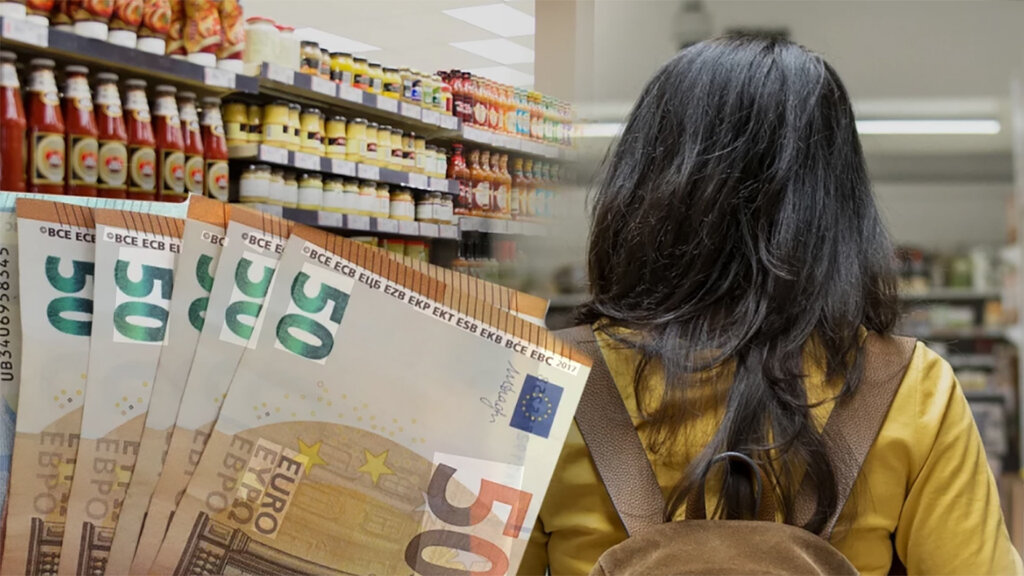
PHOTO library
The political scientist expressed hope that the country's entry into the eurozone under the conditions of a prolonged budget, instead of a regular one, will not have a particularly negative impact on our daily lives and economy, but will certainly be actively used as something negative during the upcoming election campaign.