


Author
Gergana Mancheva
News
On the first day of the New Year – young and old seek their luck in the banitsa
Little survakars enter homes with blessings
Wednesday 31 December 2025 15:20
Wednesday, 31 December 2025, 15:20
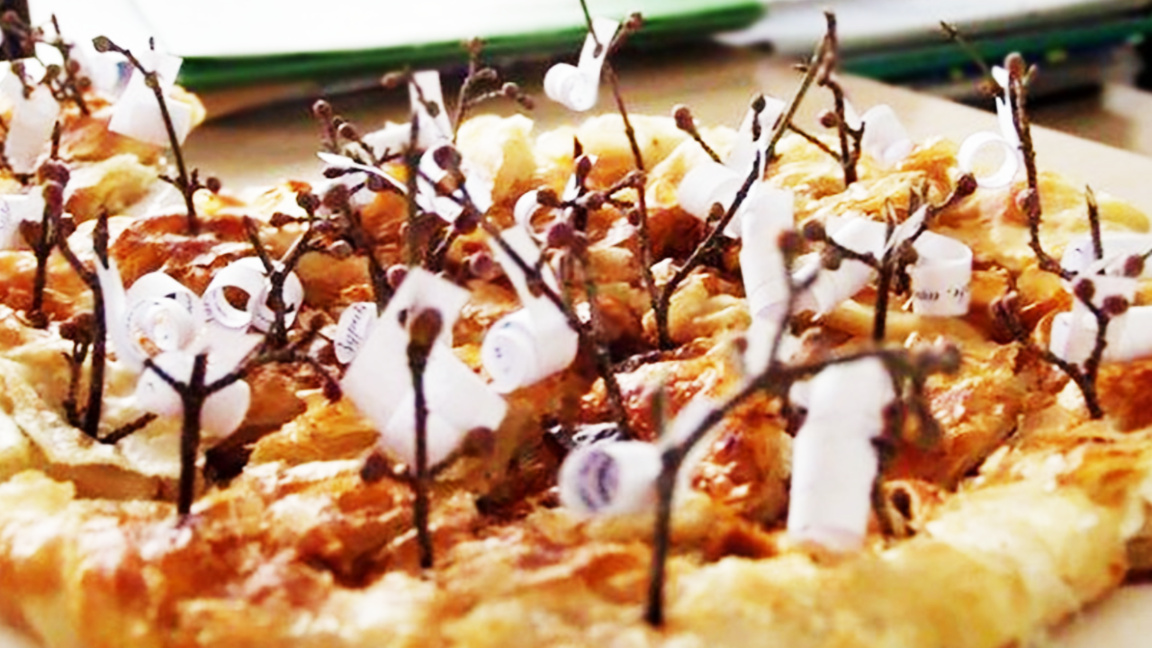
PHOTO library
Font size
January 1 is a turning point in nature – it marks the beginning of
the new solar year. This is a great winter holiday, called Surva by the
Bulgarian people. It is also known as Vasilitsa or Vasilyovden, as it
is celebrated on the day of the Christian saint Basil the Great of
Caesarea – one of the great theologians and opponent of the Arian
heresy.
Traditionally, on
the eve of the holiday, the second /after Christmas Eve/ dinner
is blessed with incense in a close family circle. The table
on the day of Surva itself is very rich and it includes meat dishes.
Boiled wheat, walnuts, onions, garlic, and honey are also present. A
special ritual role is assigned to the banitsa on St. Basil's Day, in
which "luck" is placed - traditionally these are various
marks, dogwood branches, and sometimes even money. The tray with the
banitsa is turned three times and everyone takes the piece that is in
front of them. Pieces are also left for those who cannot attend the
table.
The first day of the
new year passes festively. In the past, a village-wide horo dance was
performed on the square. Traditionally, engaged and newlyweds visit
the best men and bring them bread, boiled chicken and wine. St.
Basil's Day is also celebrated by people named Vasil, Vasilka and
their derivative names, as they welcome guests with a rich meal.
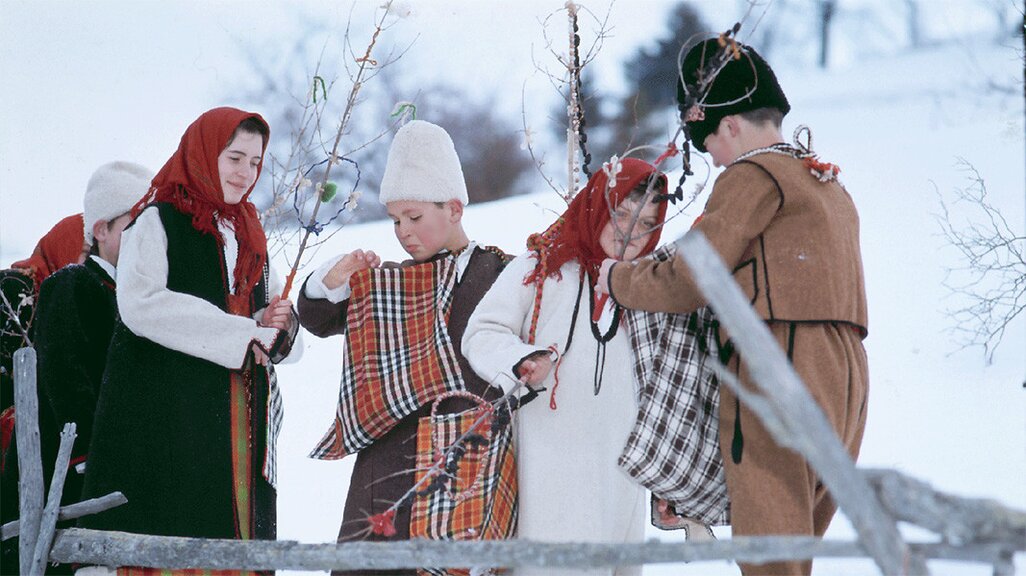
PHOTO library
On January 1, one of the customs closest to the heart of Bulgarians is also held – survakane for health. Survakars are usually children and adolescents who go around the homes in the city or village and pat the backs of each of the owners. For the ritual, they use a dogwood branch, specially decorated with woolen threads, dried fruits, popcorn and everything that can serve as decoration. To each of the owners, the survakars say special wishes for health, happiness and fertility in the new year.
These wishes are symbolic and are passed down from generation to generation, which keeps the tradition and the connection with the past alive, says Senior Assistant Professor Dr. Iglika Mishkova. The Deputy Director of the Institute of Ethnology and Folklore Studies with National Ethnographic Museum at the Bulgarian Academy of Sciences notes that the tradition is preserved everywhere in the country, although it is modernized:
PHOTO IEFSEM – BAS
"I will recall that our people celebrated the beginning of the new year on slightly different dates in the past, but nowadays, of course, the new year usually begins on January 1st, and this coincides with the day of St. Basil the Great. The most distinctive thing about this day is the survakane. In the past, children aged 3-4 to 15-16 years old participated in it, while today the age limit has shifted to young children. Naturally, the main attribute of the survakars are fresh dogwood sticks, which are richly decorated. The dogwood tree was not chosen by chance - it has great strength. It also blooms the earliest and sets fruit the latest.
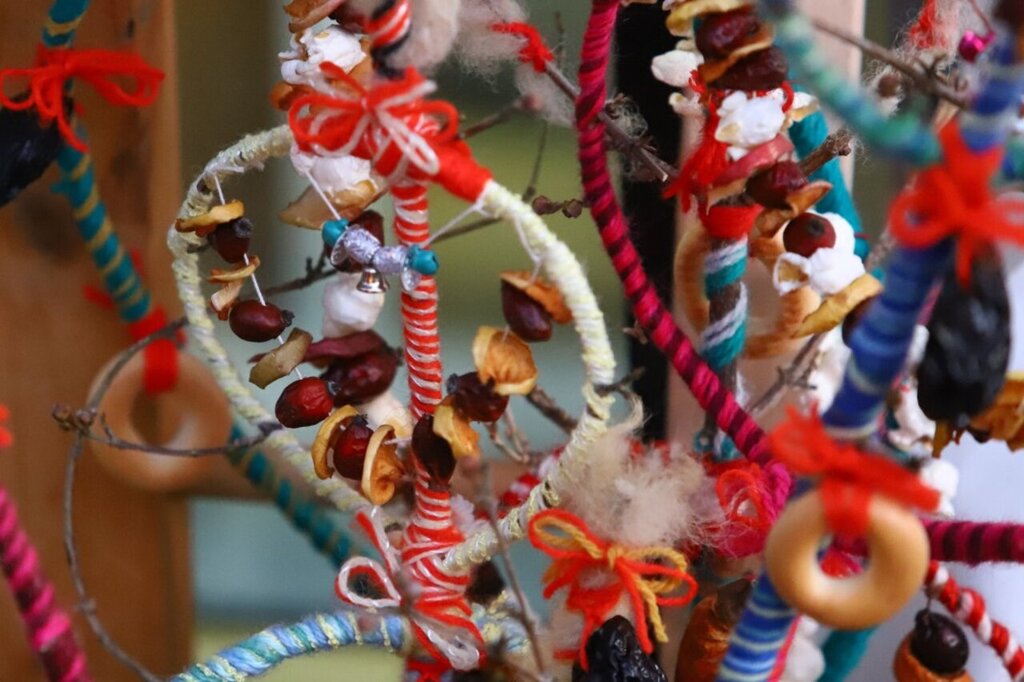
PHOTO BGNES
The care for the decoration of the survachkas once fell to mothers, grandmothers, sisters, who made the strings of popcorn, money, and bread, prepared especially for the survachkas. But nowadays, most families buy survachka for their children from the market, if they do not make them themselves,” says the researcher of Bulgarian traditions and reminds that the most important thing about the ritual is the blessing. It is passed down from generation to generation and its use is truly alive, although a large part of the things it talks about are not decisive for people's happiness and prosperity these days. It begins like this: "Surva, a Happy New Year, a golden wheat-ear in the field, a red apple in the garden, yellow corn off the woods, large grapes on the vine, a purse full of coins... Good life and health during the whole year and beyond!”. Of course, health is the most important wish in this blessing, but the first wish is associated with the presence of bread. We know that bread has been one of the most important elements of the table in the past, especially in traditional society and to this day. The Rhodope survakars are especially interesting because they also carry a heavy stone with them, which they leave in each house, so that goodness will remain in this way in this home. This is something interesting that distinguishes the tradition in the Rhodope Mountains."
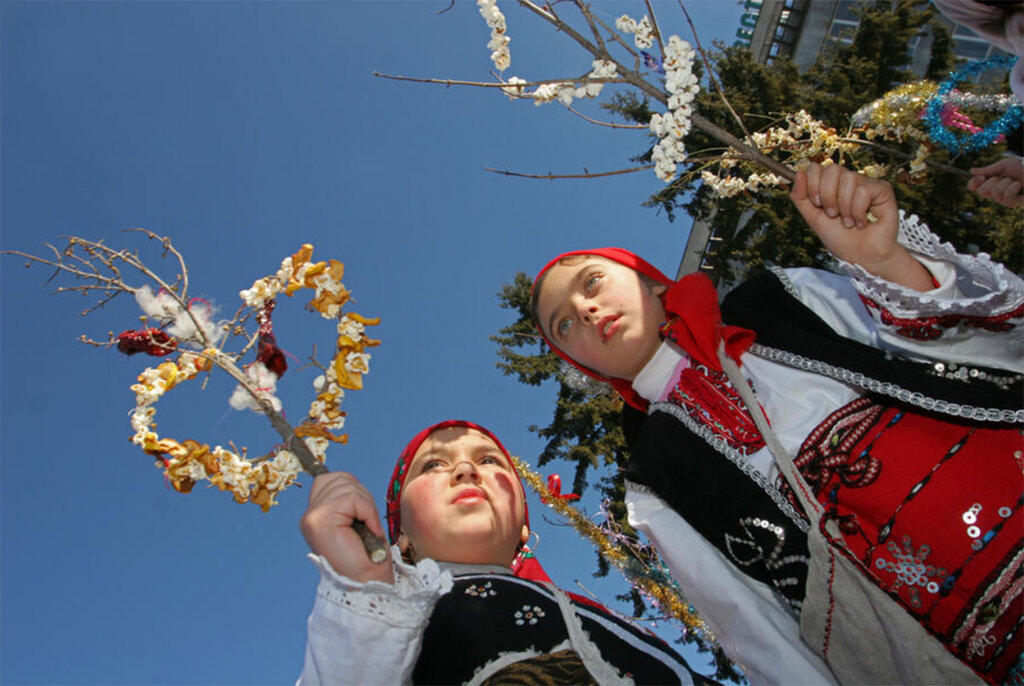
PHOTO duhovno.bg
The
meaning of holidays, such as January 1, is that they bring together
the
family
and
relatives, who have the opportunity to spend some time together. This
is very important, because immersed in everyday life and in this
endless cycle of work, we very often fail to pay attention to our
closest ones, Dr. Iglika Mishkova says
and adds:
"The
children in a family give the true meaning to this holiday - unlike
in the past, when children visited absolutely every home, today the
survakars mainly bless their relatives. Survakane
will always be there, because everyone would like to hear these
sacred words from their closest child, to have their backs tapped
with wishes for health. It is believed that for everyone who
has been visited by survakars and has heard their wishes,
the year will be full of health and success."
As
a sign of gratitude, the survakars receive small gifts or coins,
which they happily collect in their piggy banks, Senior Assistant
Professor Dr. Iglika Mishkova says
and
sends wishes for health in 2026.