


Author
Desislava Shapkarova
News
Bulgarians, business opportunities, and the UK’s migration policy
Interview with Lyudmil Grigorov from London
Tuesday 6 January 2026 16:16
Tuesday, 6 January 2026, 16:16

PHOTO Lyudmil Grigorov's private archive
Font size
Tightening of migration policy, cutting or completely stopping benefits for migrants, facilitating deportations, as well as changing the conditions and timeframes for obtaining permanent residence status (indefinite leave to remain) are among the most discussed measures in the proposals to change policy toward people arriving from other countries to the Island. The United Kingdom remains among the preferred destinations for Bulgarians for education and work, although in the years after Brexit this interest has declined. According to data from the Daily Mail, Bulgarians rank third among those leaving over the past year - around 11,000 Bulgarians have returned to their homeland, while fewer than 4,000 have gone to the United Kingdom, the publication notes.
Lyudmil Grigorov from London, who owns a company and has lived and worked in the United Kingdom for 25 years, believes that Bulgarians should not worry about the upcoming serious reforms in the country’s migration policy, adding: “Quite a few people around me are running their own businesses, and a large part of them are quite successful!”
“Although in recent years there has been talk of a downturn in business, it is still possible for a person to manage. It is not necessary to get rich unless someone has such ambitions, although there are Bulgarians who do—and they achieve it! I know at least a few who have had really serious success in recent years, and this certainly proves the thesis that anyone who has the desire to adapt to the local environment - because this is one of the most important parameters - could succeed!”
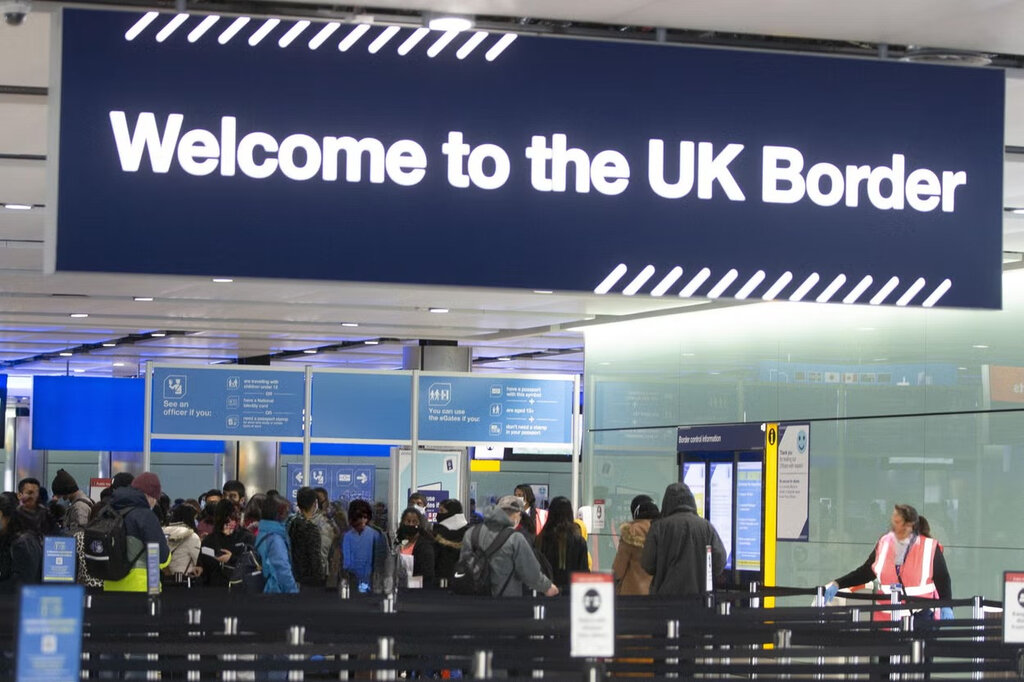
PHOTO independent.co.uk
Lyudmil Grigorov operates in the field of security systems - access control, alarm installations, fire detection, and CCTV (video surveillance systems), and his company is a subcontractor to a large firm based in the United Kingdom. According to our compatriot, the political reforms are not related either to restrictions on the labor market or to an increase in the cost of living in the country, but rather to the migrant wave which in the United Kingdom has triggered protests provoked by anti-migrant sentiments in society.

PHOTO reuters.com
“I can definitely say that such sentiments are being observed, especially perhaps in the last two years, but this is quite a serious problem. I don’t know how it could be resolved, but I hope there will be some way out, because things are happening that should not be happening in the 21st century. I would be glad to live to see that moment and see that there are changes in this direction.”
Grigorov is convinced that Bulgarians with temporary residence status will not be affected by the new reforms in the United Kingdom’s domestic policy and continues:

PHOTO visanews.co.uk
“For those who intend to come here - and there may be fewer such people, but there still are - there may be some obstacles, but they would not be as great as about 20 years ago, when in order to open a bank account you had to have other documents, which in turn, to have them, you needed to have a bank account. Exactly ‘Catch-22’!”
The Bulgarian adds that the labor market is large enough and every compatriot, regardless of whether they want to be an employee or to develop their own business, can find their niche. Grigorov also shares his observations from recent years, in which many of Bulgarians have returned to Bulgaria, others after some time have moved again to the Island, and some have sought their home in other European countries. According to him, the reason for this movement is not political-economic or social - because Bulgarians are quite adaptable - but is rather related to the climate, to which a large part of us find it difficult to adjust. He concludes the conversation with his observations that regardless of living far from Bulgaria, most of our compatriots speak Bulgarian with their children and insist that they are well acquainted with Bulgarian traditions:
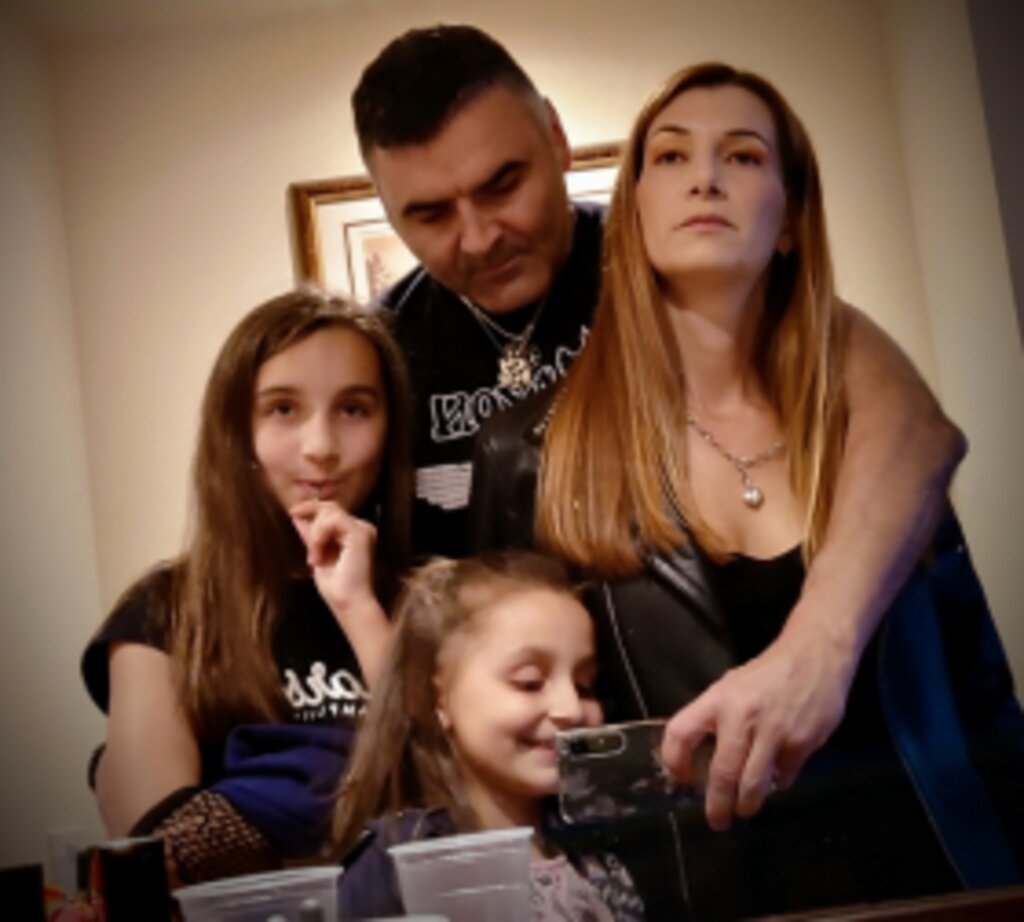
PHOTO Lyudmil Grigorov's private archive
“Personally, in my family the Bulgarian language is absolutely mandatory - at home and wherever there are Bulgarian-speaking people around us. Of my two daughters, the younger attends a Bulgarian school to this day, and the older was not enrolled, but we made a serious effort to make up for this in a home environment. I dare say that both have quite solid preparation in the Bulgarian language, even if it sounds immodest. Most of the families I know manage to do the same with their children. There are also those who prefer to speak to them in English, but they are few. I dare say that the children of 95% of the Bulgarians around me speak very good Bulgarian.”
English version: R. Petkova
This publication was created by: Rositsa Petkova