


Author
Veneta Nikolova
News
From Royal Retreat to Ski Resort
Borovets at 130: history, snow and adrenaline in Bulgaria's oldest resort
Saturday 10 January 2026 11:35
Saturday, 10 January 2026, 11:35
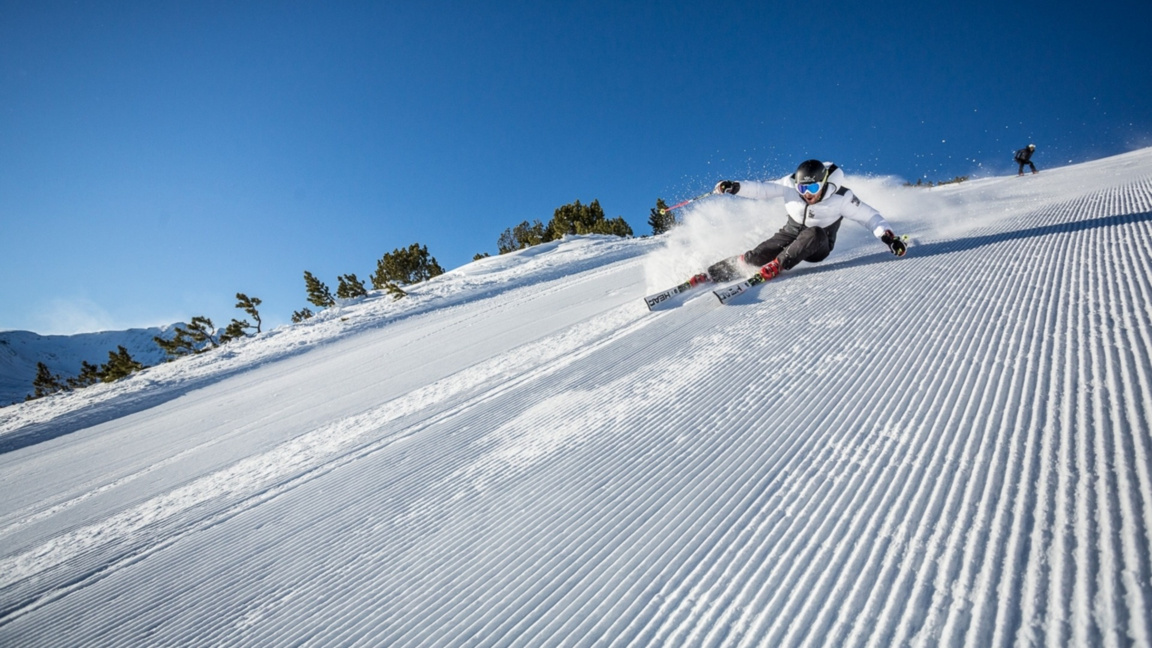
PHOTO borovets-bg.com
Font size
This year, Borovets is celebrating its 130th anniversary by officially opening the ski season with a packed entertainment programme and plans for new winter sports facilities and tourist services. Bulgaria’s oldest mountain resort began life in the late 19th century as Chamkoriya, a retreat nestled among the pine forests for Prince Ferdinand and Sofia’s elite. Over time, the resort on the steep slopes of the Rila Mountains became a symbol of Bulgarian tourism.
Borovets' story mirrors Bulgaria's own history — from royal hunting lodges to mass tourism in the socialist era and on to today's modern, market-driven model. Its anniversary is a chance to reflect, and also to look forward. Ivaylo Tsvetkov, CEO of Borospot, the company that manages the resort, explains:
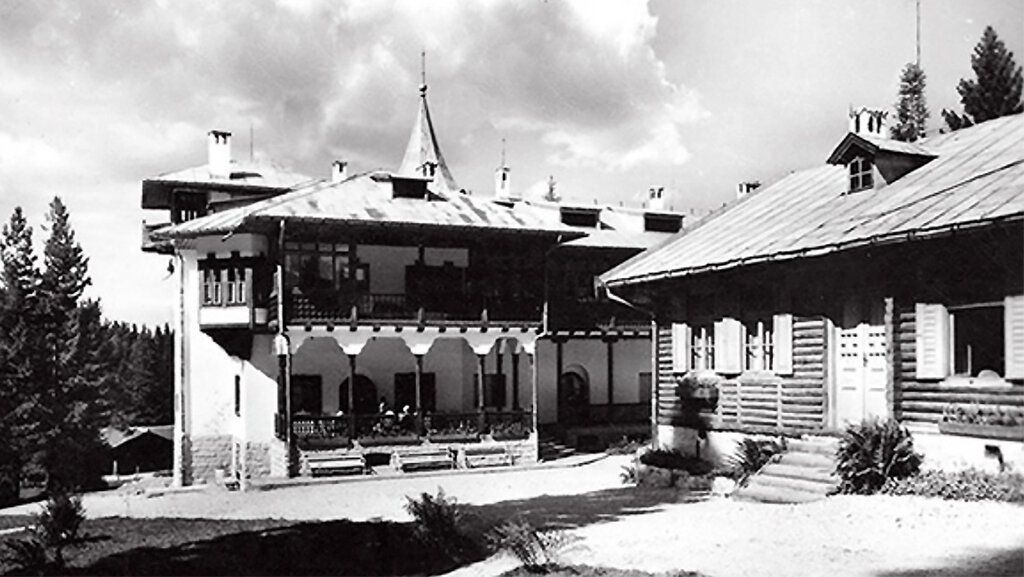
Tsarska Bistritsa palace
PHOTO borovets-bg.com
‘Borovets began its journey in 1896, when Prince Ferdinand discovered the beauty of the Rila Mountains and built his summer residence, Tsarska Bistritsa. Soon, members of Sofia’s bourgeoisie followed suit, building summer villas of their own. Originally a summer retreat, Borovets embraced winter tourism in the 1930s when skiing, imported from Austria, became popular. By 1930, the resort hosted its first alpine skiing competition."
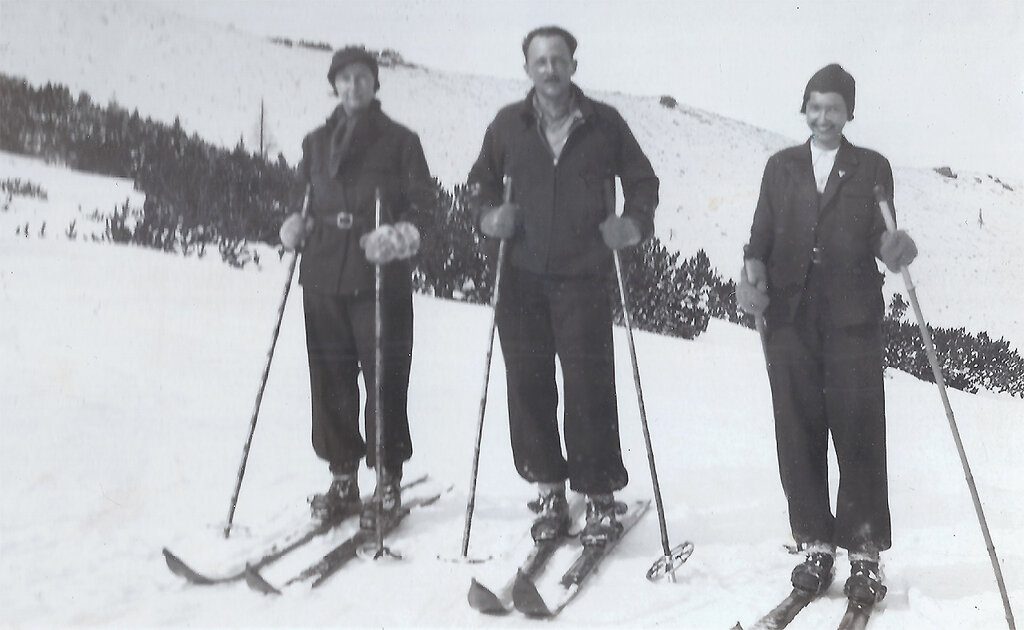
PHOTO borovets-bg.com
After World War II, Chamkoriya was renamed Borovets and quickly became one of the Balkans’ premier ski destinations. Ski lifts and cable cars were installed, wide pistes were carved into the mountains and a series of Alpine-style hotels and restaurants modelled on those in French resorts began to take shape. The resort first appeared on the International Ski Federation's (FIS) Alpine calendar in 1974.
'Petar Popangelov Sr. and his son Pepi Popangelov — Bulgaria’s most successful skier — played a key role in this achievement,' says Ivaylo Tsvetkov.
The 1990s, however, brought the inevitable challenges of Bulgaria’s post-socialist transition, with uncertainty and a search for a new direction.
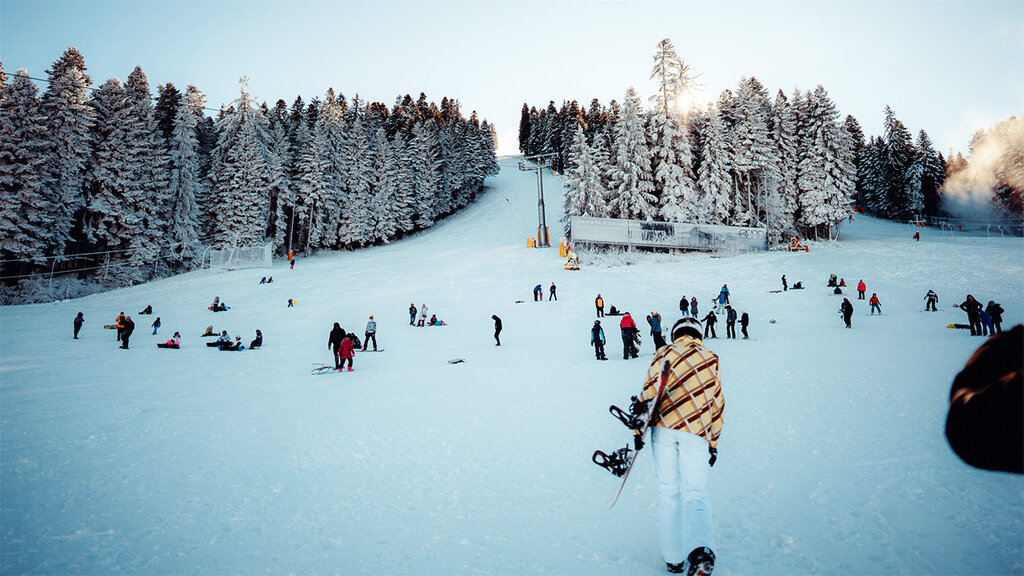
PHOTO borovets-bg.com
'Borovets has changed dramatically over the past twenty years,' explains Tsvetkov. 'We launched a major investment programme worth more than 120 million leva (51.13 million euros), completely modernising the ski area — from engineering and logistics to technology. We replaced the slowest and oldest lifts with high-speed chairlifts and updated the rest with modern control and safety systems to extend their operational life. We have also completed the first phase of a large-scale project to achieve 100% artificial snow coverage in the ski area. Today, our snow-making system covers around 55% of all ski runs."
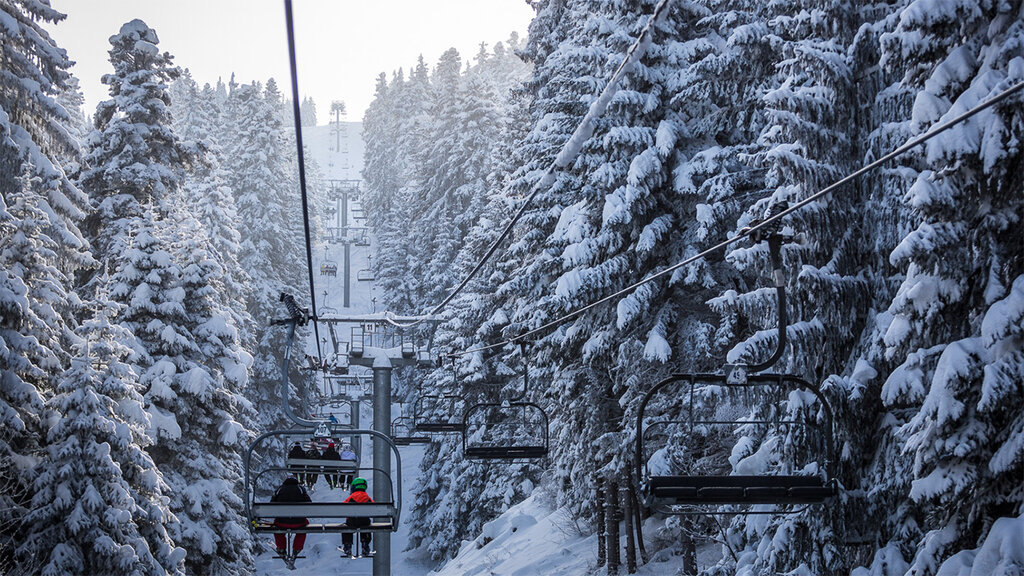
PHOTO borovets-bg.com
Snow arrived late this season, as it did across Southeast Europe, but skiing conditions remain excellent. Bulgarians make up the largest share of visitors, followed by guests from the UK and from the Balkan countries. The resort's three ski centres — Yastrebets, Markudzhik and Sitnyakovo — offer slopes for both beginner and advanced skiers. Night skiing, freeriding and snowboarding enthusiasts also enjoy top-notch facilities. Last winter, Borovets saw a 6% increase in visitors, giving reason for optimism this season.
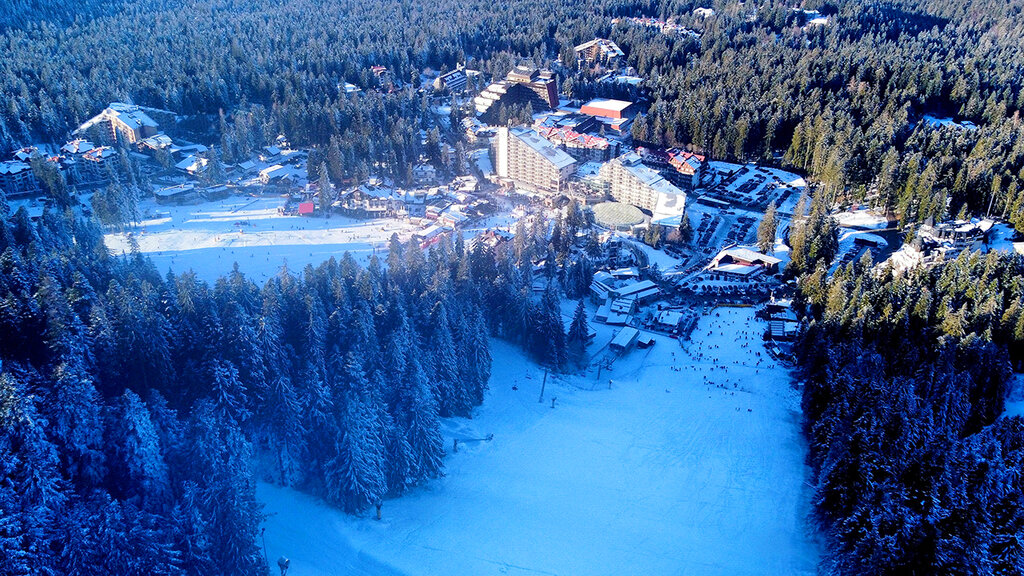
PHOTO BTA
'We are installing a large airbag for jumps in the lower part of the ski area near the Rila Hotel. This will add a new, adrenaline-filled attraction for winter sports enthusiasts and thrill-seekers. Despite rising costs, lift pass prices have only increased by 5% this year, which is below the annual inflation rate. For example, a one-day adult pass cost 100 leva (51.13 euros) last season and now costs 54 euros,” said Ivaylo Tsvetkov.
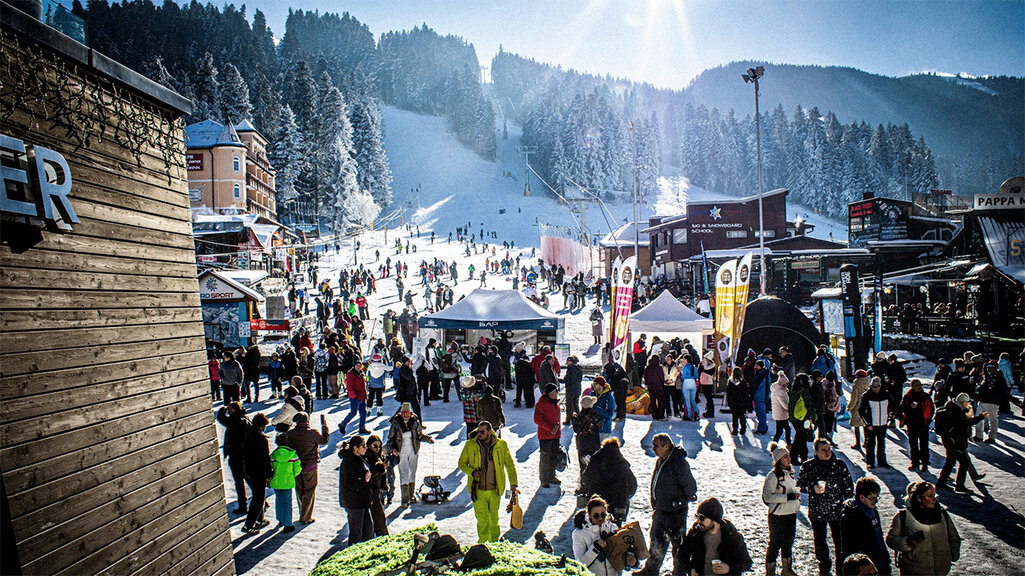
PHOTO borovets-bg.com
Editor: Elena Karkalanova
Edited and posted in English by E. Radkova
This publication was created by: Elizabet Radkova