


Author
Yoan Kolev
News
Cinema club: A Journey into the inner world of today’s students
Film education as a tool for dialogue in contemporary classrooms
Tuesday 13 January 2026 13:54
Tuesday, 13 January 2026, 13:54
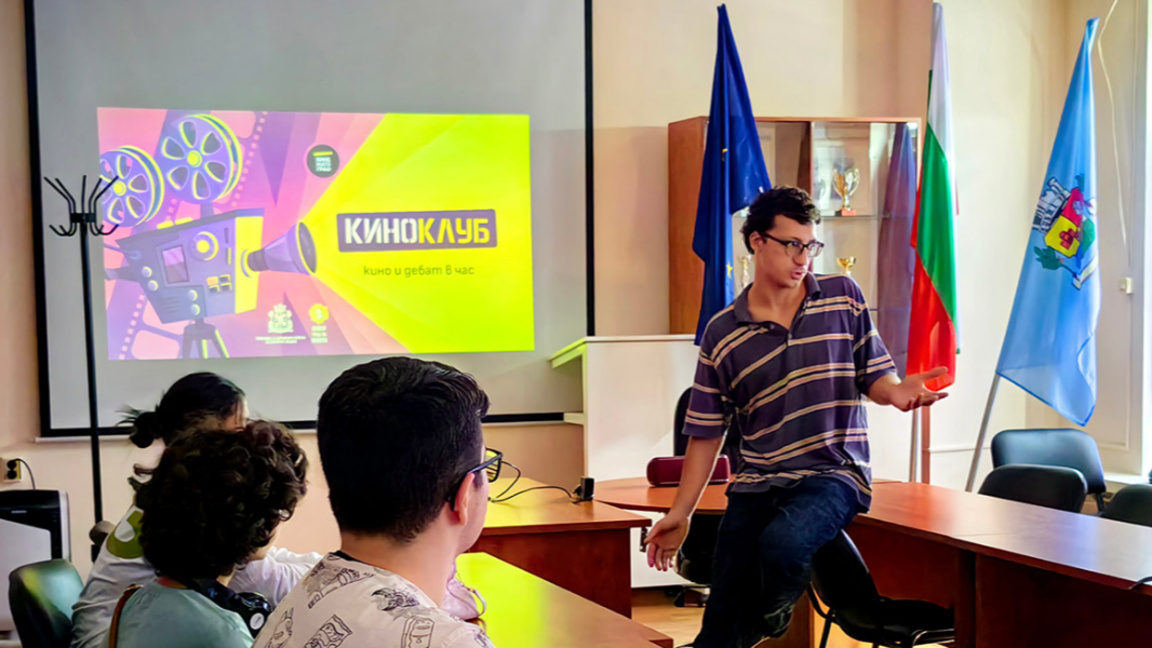
PHOTO kinoclub.bg
Font size
Provocative, unconventional, little known, and shown far too rarely, Bulgarian short films deserve to reach a wider audience and to spark reflection and discussion on the issues they portray through the language of cinema. This is also the main goal of the online platform Kinematograf, which provides free 24-hour daily access to 2,582 titles and for the past 13 years has been organizing open-air summer cinemas in Sofia and across the country, thus contributing to the decentralization of Bulgaria’s cultural life. The platform's founders include directors Yordan Mihailovski and Devina Vasileva (daughter of the popular actor Vasil 'Zueka'), as well as actress Mina Markova (daughter of actress Albena Pavlova and actor, director and screenwriter Emil Markov).
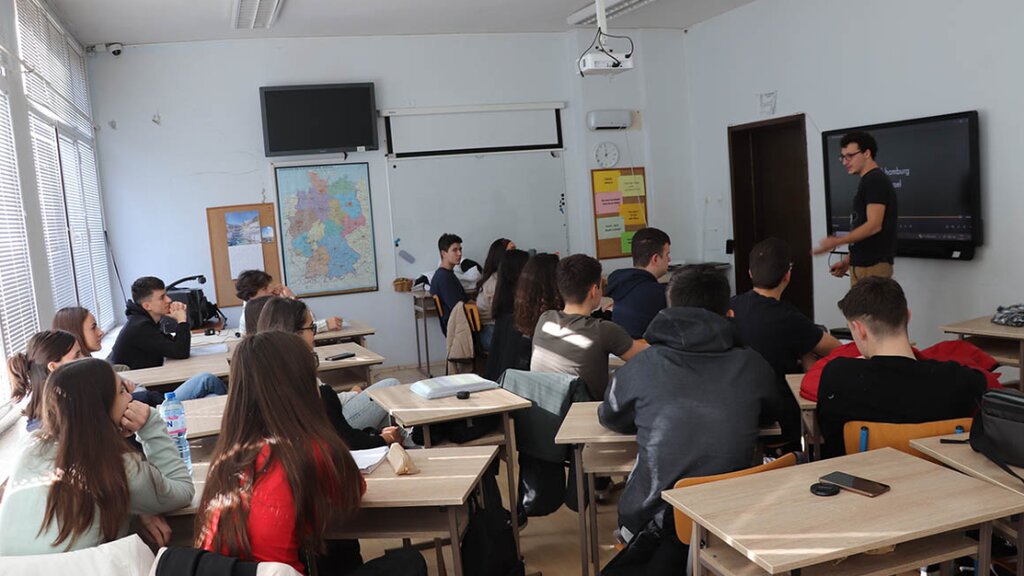
PHOTO kinoclub.bg
A special focus of their work is communication with adolescents. This is why they created the Cinema Club project, which aims to foster a conscious interest in cinema among students. They do so by giving young people the opportunity not only to watch films, but also to take the crucial next step—to discuss a variety of questions that lie at the heart of contemporary, classical, and experimental short cinema. All of this takes place at school, by prior arrangement, within the framework of homeroom classes.
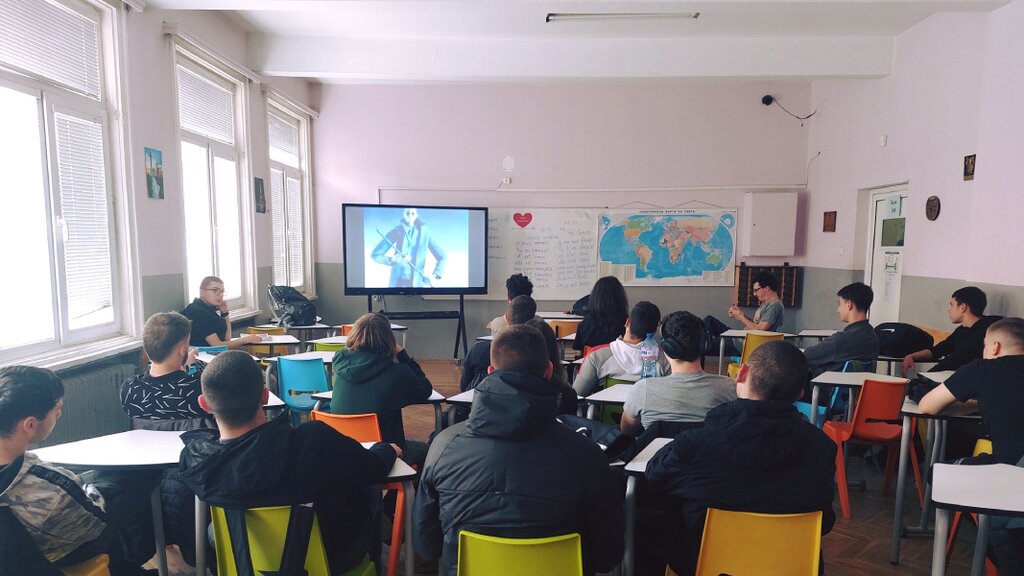
PHOTO kinoclub.bg
‘After the screenings, we discuss the films, not so much their subject matter, but how inspiring they are for the students, their thoughts and any criticism they may have, and how the film makes them feel,’ director Yordan Mihailovski explained to Radio Bulgaria. ‘We achieve this solely through questions. I don't share my personal opinions or worldview; I question theirs instead. I believe this fosters their critical thinking skills and gives them the opportunity to express their views, listen to one another and learn not to interrupt — soft skills that should be taught in school.”
Aimed at students in the 10th and 11th grades, the films often portray the stories of marginalised protagonists who, through their actions, strive to change the world—and, as a result, either succeed or fail.

Yordan Mihailovski
PHOTO Personal archive
'We discuss with the young people how realistic such aspirations are and what kind of effort is required to change the world. We ask to what extent change should involve violence, whether a revolution is necessary, and if transformation can happen peacefully. We also consider what possibilities we have as citizens to improve our own communities and make the world a better place."
Having visited 41 schools, organised 61 Cinema Clubs, and presented 79 films to 1,266 participants over the course of three years, Yordan Mihailovski has developed clear insights into what engages and provokes today’s students.
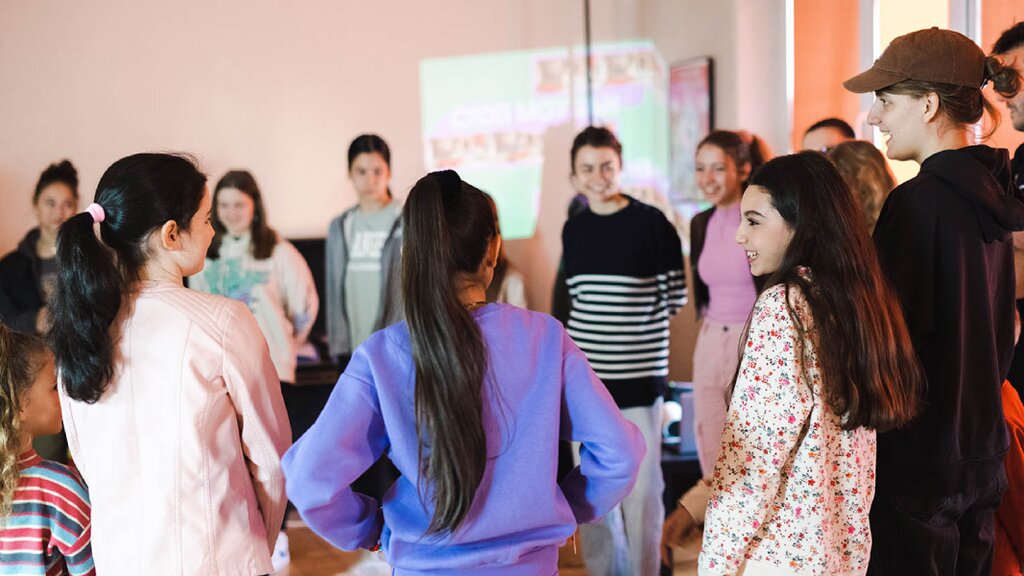
PHOTO kinoclub.bg
‘I’ve noticed that they tend to be quite polarised — they think in extremes. At this age, they are still fairly self-contained and focused on themselves, and they often struggle to accept other people’s opinions. Of course, some make the effort, while others do not.’
Mihailovski is convinced that the Cinema Club’s approach can reduce aggression in adolescents and improve their awareness of the risks posed by social media and the internet.
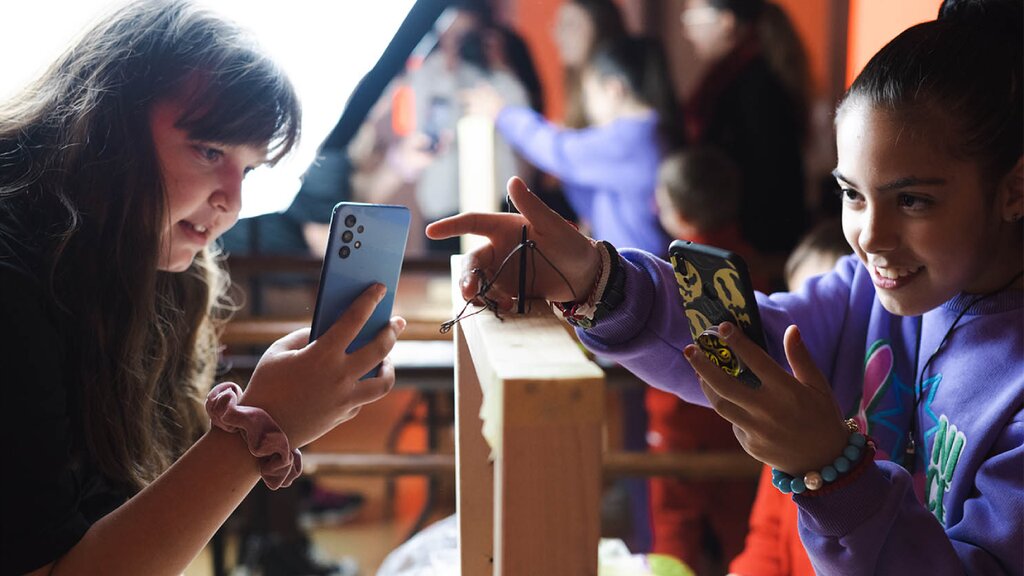
PHOTO kinoclub.bg
The next goal for the Cinema Club initiative is to seek opportunities for closer collaboration with doctors and psychologists, who can help students develop empathy and acquire soft skills.
‘At this age, young people are curious and feel free to express their opinions and emotions in discussions,’ believes the Cinema Club team, ‘which makes it possible to engage with serious topics such as addiction, road safety, civic engagement, and more through the means of art.’
Editor: Elena Karkalanova
Posted in English by E. Radkova
This publication was created by: Elizabeth Radkova