Radio Bulgaria


Author
Tsvetana Toncheva
News
Vasko Abadjiev: A forgotten giant of 20th-century music
On 14 January, we mark the 100th anniversary of the birth of the extraordinary Bulgarian violinist
Wednesday 14 January 2026 07:35
Wednesday, 14 January 2026, 07:35
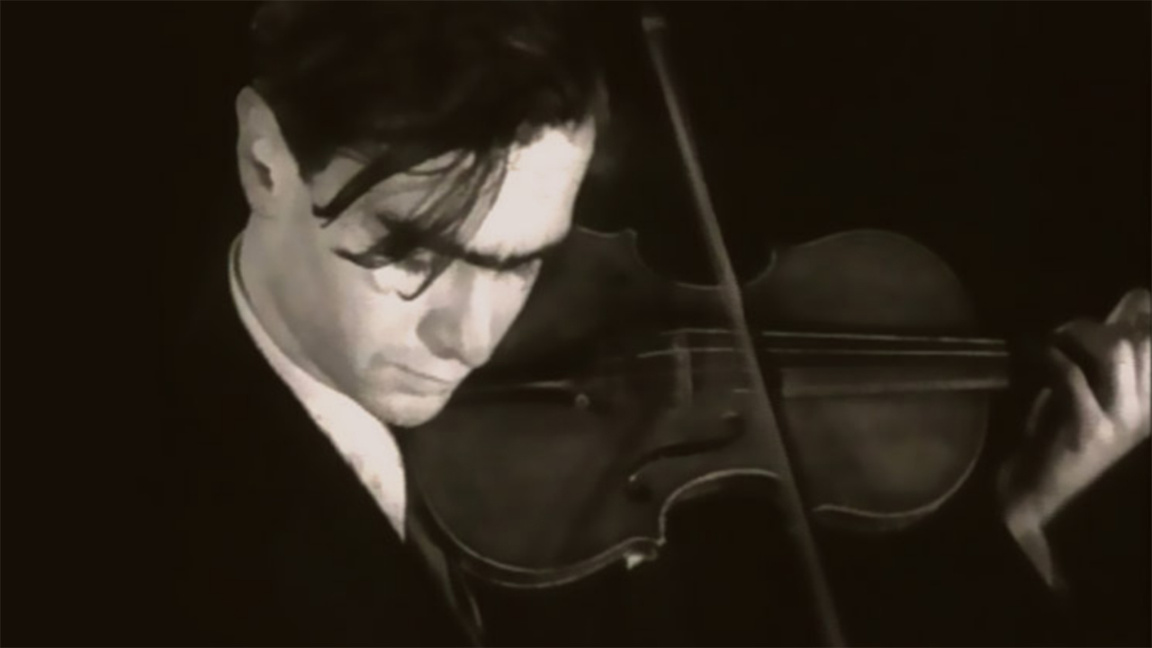
PHOTO unesco-ldv.com
Font size
Vasko Abadjiev, the virtuoso violinist, is a legendary figure in 20th-century musical art. He has been described as an interpreter who, in certain works, came close to the absolute — to what one might dream of as the ultimate performing ideal. For decades, this phenomenal musician — also an outstanding pianist, violist, composer and improviser — was almost forgotten in his homeland. Towards the end of the last century and the beginning of this one, a few elderly music lovers still remembered the brilliant concerts given by the great Abadjiev in the early 1950s. They spoke of the legends surrounding his incredible technique and the enormous queues for tickets. Sadly, in the memory of many — even those who never heard him perform live — there are also almost anecdotal stories about his eccentric behaviour.
His father, Nikola Abadjiev, who graduated from the Brussels Conservatory, was a violin professor at the State Music Academy in Sofia. Vasko’s mother, Lala Piperova, studied the piano at the Munich Conservatory. Born in Sofia on 14 January 1926, Vasko reportedly never cried as a child, preferring to listen intently to the sounds of his parents' instruments.
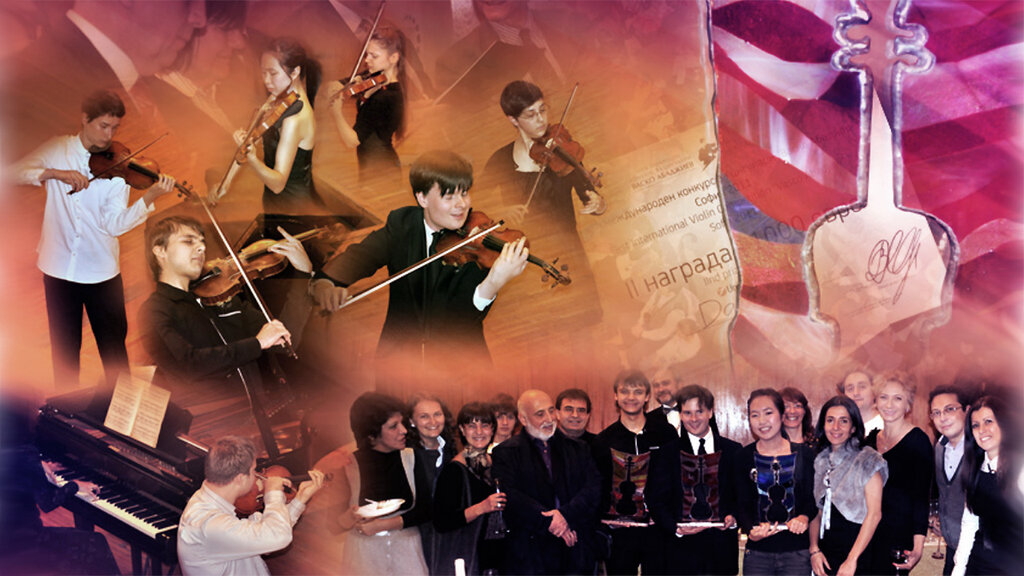
PHOTO violin-competition.com
Vasko Abadjiev's career began phenomenally. He gave his first public concert at the age of six. By the age of nine, he had completed his secondary education, and at ten he received a special prize at the Ysaÿe Competition in Brussels. He graduated with distinction from the Brussels Conservatory at twelve and won a gold medal at the Fritz Kreisler International Competition in Liège. Belgian newspapers dubbed him “the new Menuhin”, and in the years that followed, Europe applauded him as “the Paganini of the 20th century — the devilish violinist”.
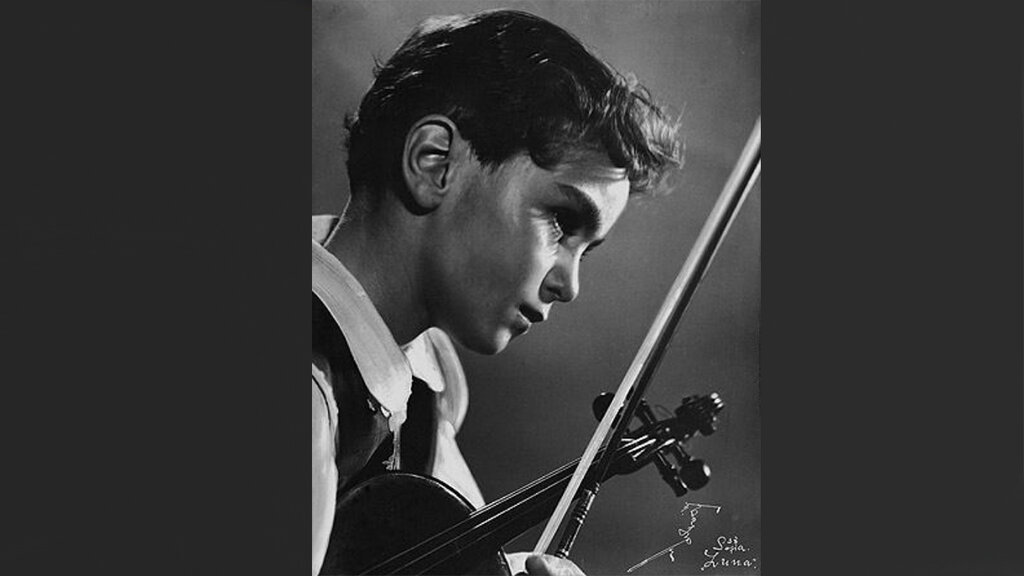
PHOTO Archive
During one such tour in 1956, Abadjiev was assaulted while travelling by train from Prague to Budapest, sustaining serious head injuries. The incident coincided with the so-called Hungarian events, after which he did not return to Bulgaria. Having remained in the West without permission from the Bulgarian authorities, his name was effectively condemned to prohibition and oblivion.
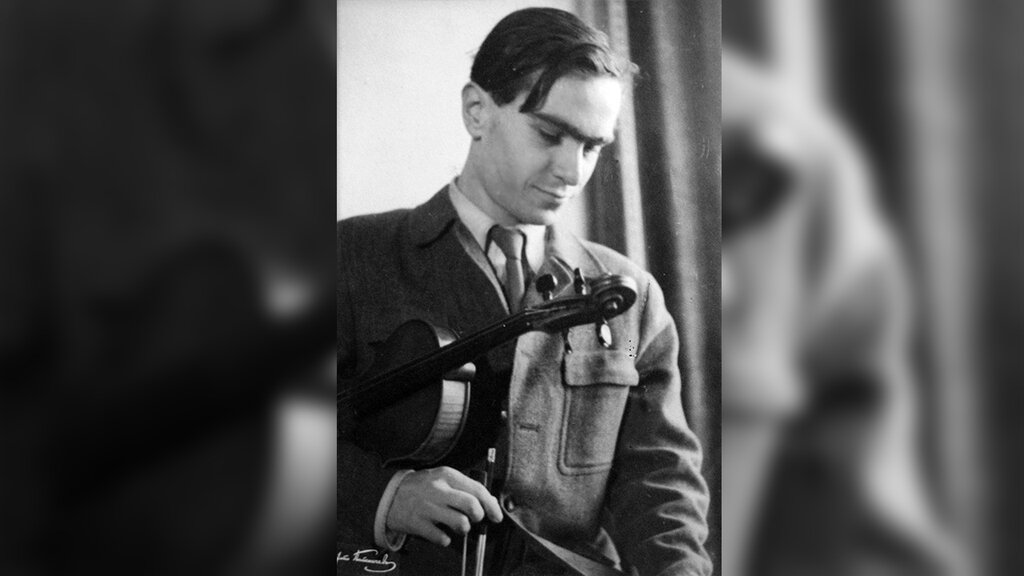
PHOTO Archive
In 1965, his mother died in Germany. After this tragic loss, Vasko Abadjiev found himself unable to care for either himself or his art. The legendary violinist died in poverty in 1974, aged 48. Only a single Hamburg newspaper reported the death of the “devilish violinist.”
Yet the memory of him did not disappear. In a 1991 interview with Bulgarian National Radio, the renowned Bulgarian violinist and pedagogue Vladimir Avramov said:
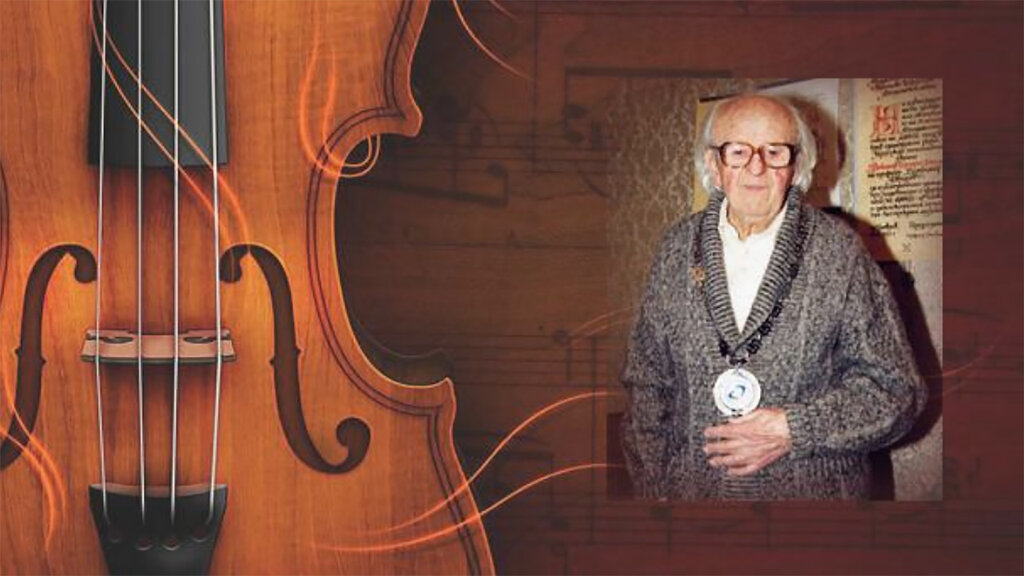
Prof. Vladimir Avramov
PHOTO BNR archive
‘I believe the memory does exist. Even when I was touring and performing concerts across the country recently, many people asked me about Vasko Abadjiev and showed a genuine interest in him. I believe that his performances and his great talent — not only as a violinist, but as a musician — left a lasting mark on our musical heritage. Even if recordings of Vasko exist, I don't think it's possible to truly appreciate his musicianship from them. In my view, he was an astonishing interpreter of Bach’s solo partitas and sonatas — works that set the standard for exceptional musicality. Quite apart from his technical abilities, which were phenomenal.”
In 2001, his cousin Nikolay Piperov recalled in an interview with Bulgarian National Radio:
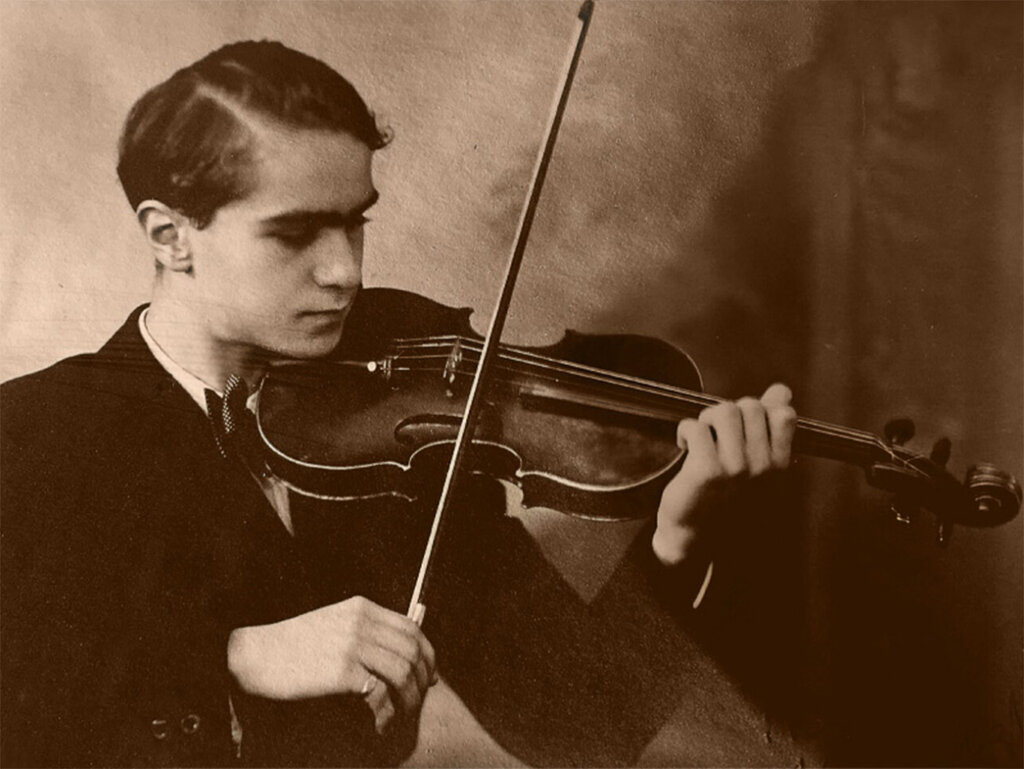
PHOTO archives.bnr.bg
‘The glow in the eyes of the people in the audience when he played, their fierce enthusiasm after the official concert ended — applauding for twenty-five minutes without pause, calling out again and again, “Vasko, Vasko, encore!” Even when he was visibly exhausted, he always responded to the audience’s wishes, proving that art came above all else for him. For me, the words of Hermann Abendroth are especially powerful. He conducted not only in Germany but also in Bulgaria and said: ‘I have conducted the greatest violinists in the world, but Vasko Abadjiev is a unique phenomenon.’”
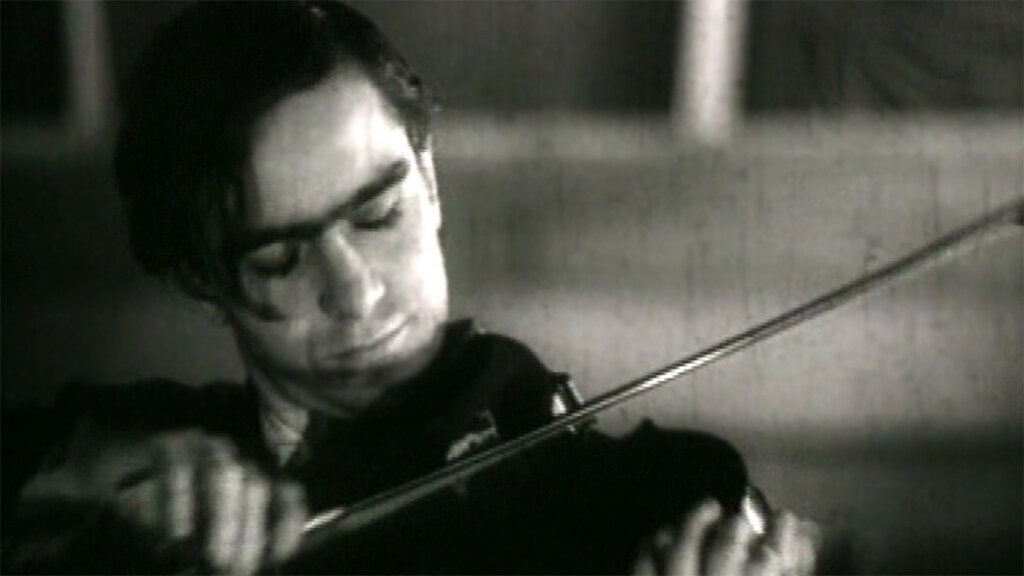
PHOTO Archive
Vasko Abadjiev, compared to Paganini who was rapturously applauded for his unrivalled virtuosity and profound musicality, in some ways shared the fate of Mozart. There was something distinctly Mozartian about him, both in his childhood as a wunderkind and in the tragic final chapter of his life, when he was abandoned and forgotten.
Editor: Elena Karkalanova
Posted in English by E. Radkova
This publication was created by: Elizabeth Radkova