


Author
Gergana Mancheva
News
Radio Bulgaria among Bulgarians in Greece
Bulgarians in Athens – close to the homeland, yet pushed away by heavy red tape
Wednesday 14 January 2026 11:31
Wednesday, 14 January 2026, 11:31
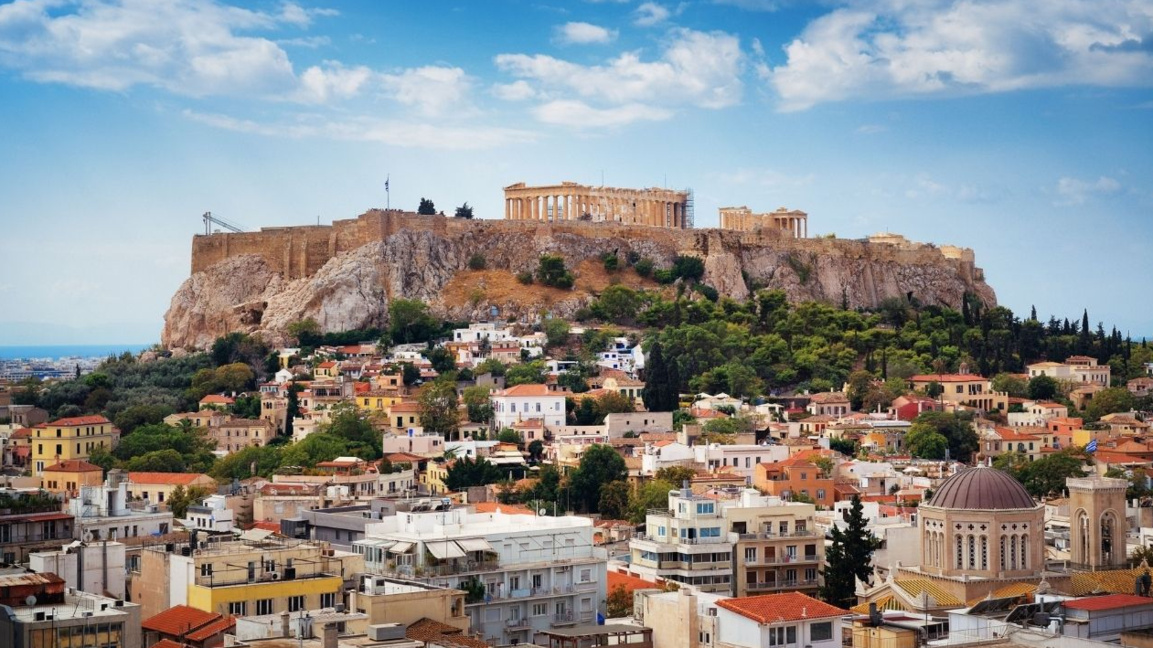
PHOTO Pexels
Font size
How many Bulgarians live around the world is a question that cannot be answered precisely, as the number fluctuates and for now cannot be fully captured by statistics. Rough estimates, however, often cite between 2 and 3 million people – about half of the population within Bulgaria’s territorial borders. The larger Bulgarian emigrant communities are found in the bigger and economically stronger European countries, but among the fastest-growing since the changes in Bulgaria is the Bulgarian diaspora in neighboring Greece.
Given the geographical proximity to Bulgaria, one might expect that our compatriots there would find it easier to resolve their administrative, everyday, and legal matters. Yet meetings with representatives of the Bulgarian community in Athens reveal that their problems do not differ much from those faced by Bulgarians in countries such as the United Kingdom, the Netherlands, Italy, and others.
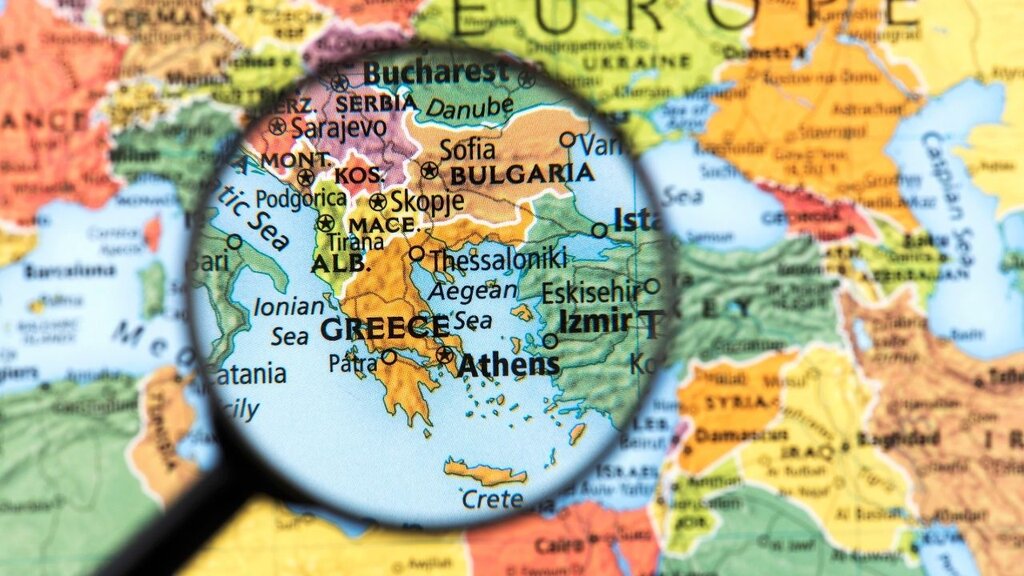
PHOTO Pixabay
Bulgarians are among the largest migrant groups in Greece. Their number likely exceeds 80,000 people, most of whom have been living there for more than 20 years. There are compatriots who have accumulated their entire professional experience in Bulgaria’s southern neighboring country. Now they are approaching retirement but fear that this will not happen under the same conditions as for Greek citizens.
“Those of us who do not have 40 years of residence in the country receive a lower pension than Greek citizens who retire – for the same length of service and the same type of work,” complains a Bulgarian woman to a representative of the Bulgarian Embassy in Athens. “They explain to me that I do not have 40 years of legal residence in the country as a foreign citizen. But since we are citizens of the European Community, don’t we have the same rights and obligations? I pay taxes here just like Greek citizens do. Yet I do not have the same rights as they do.”
It turns out, however, that in addition to dissatisfaction with Greek administrative regulations, Bulgarians there also face difficulties with the bureaucracy of their own country. The Greek health insurance system operates with different insurance units, and when people return to Bulgaria, they are required to make additional payments to equalize them.
Here is how Yuliana Vasileva, who has lived and worked in Athens for more than two decades, explains the situation:
National Security Institute of Bulgaria
PHOTO Ani Petrova
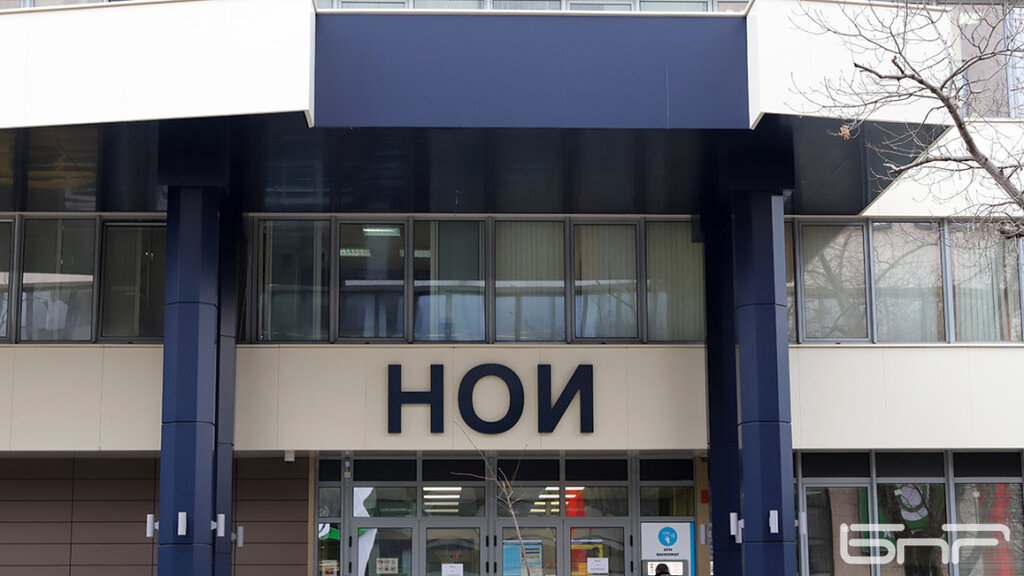
“A problem is now coming to a head – a very large part of the Bulgarians in Greece did not declare to the Bulgarian authorities, by a certain point, that they would be living outside the country. As a result, about 90% of Bulgarians here have accumulated liabilities for health insurance contributions. At the moment, unfortunately, the National Social Security Institute (NOI) does not wish to accept any kind of documents that would allow these contributions to be canceled. We live in Greece, we pay our taxes here, we are insured in some way, but when we return to Bulgaria from time to time, we are required to pay insurance contributions there as well.
In Greece you are health insured if you have 50 working days. Bulgaria then turns around and tells us: yes, but here you need to have 300 days, and since you only have 50, you have to pay for the remaining 250. The truth is that for an ordinary person who came to Greece, entered a household to work, and only has time to shop and send money and parcels to their children in Bulgaria, information about Bulgaria’s administrative requirements simply cannot reach them. These people do not follow the embassy’s website on the internet. Many of them even work here without any insurance provided by their employer. Isn’t there a way to come up with a solution?” our compatriot asks.
Sofia University
PHOTO Ani Petrova
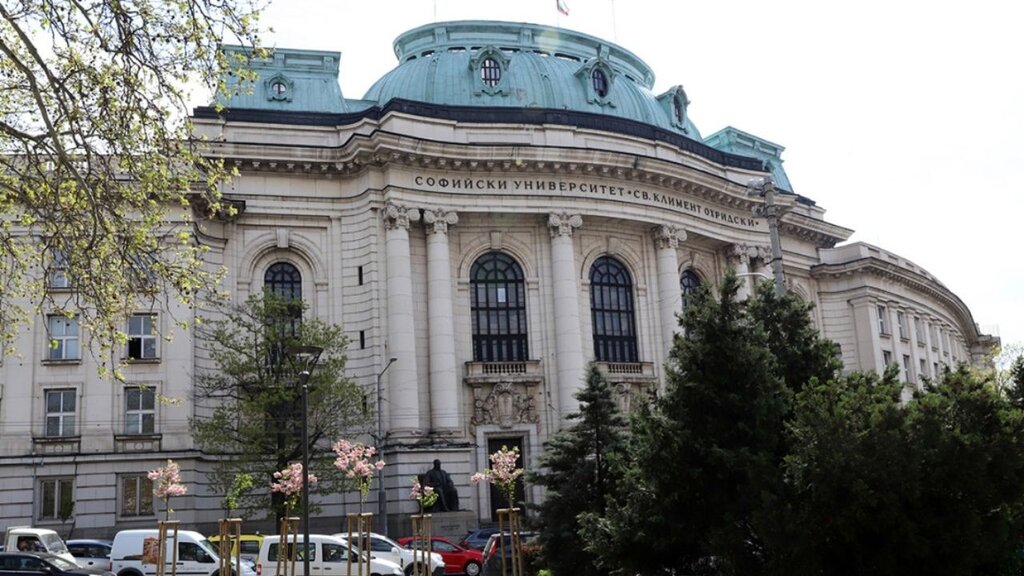
After these issues related
to labor relations come the problems faced by the children of Bulgarian
migrants when applying to Bulgarian higher education institutions. It turns out
that despite having a good command of the Bulgarian language and holding a
certificate proving this, some universities direct them to take entrance exams
as foreign citizens – not in Bulgarian, but in English.
“My son graduated from a
Sunday school, speaks Bulgarian very well, and wants to study in Bulgaria,”
explains another Bulgarian woman living in Athens, continuing:
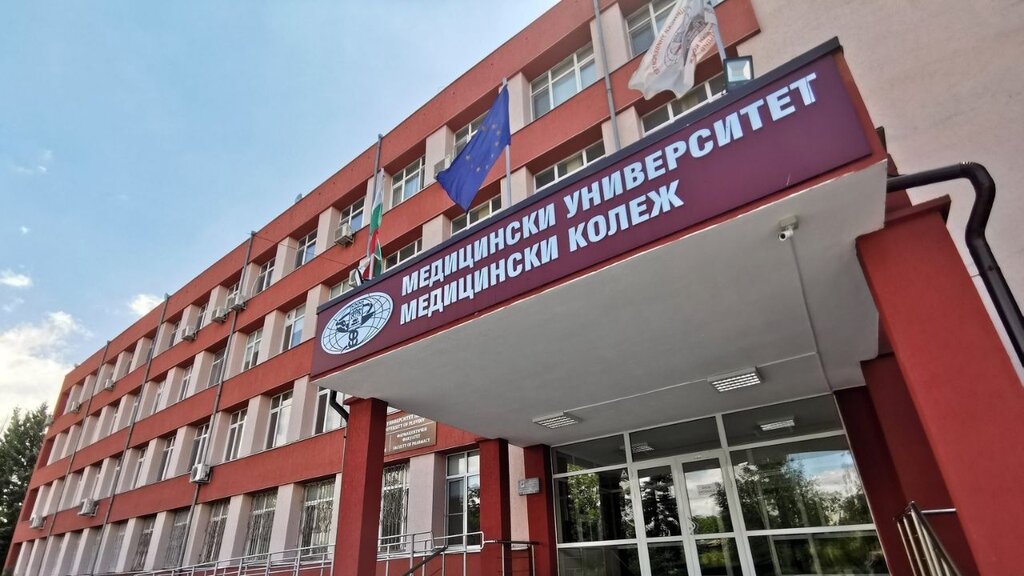
PHOTO Medical University in Plovdiv
“Unfortunately, the Medical University in Plovdiv required him, in order to be admitted, to take exams together with students who completed their secondary education in Bulgaria. You understand that this is impossible for a child who finished secondary education at a Sunday school in Greece. So we were forced to enroll him in the English-language program.”
There is also another problem related to university enrollment, connected with the deadlines for issuing diplomas in the respective countries, adds Assoc. Prof. Adriana Lyubenova from the Paisii Hilendarski University of Plovdiv.
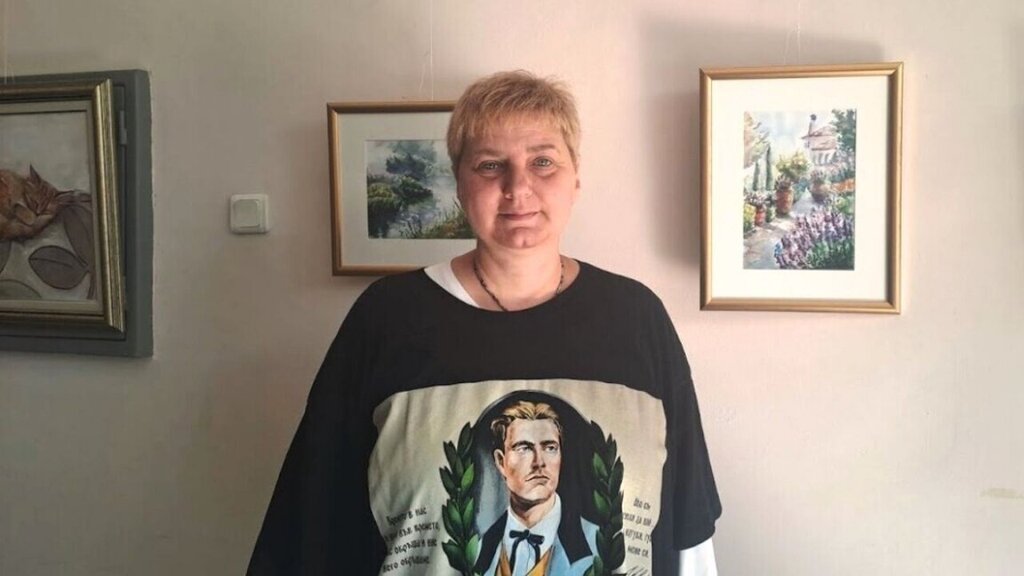
Assoc. Prof. Adriana Lyubenova
PHOTO BNR Plovdiv
“In some cases, diplomas are issued as late as September, as in the United Kingdom. Even if the students manage to sit for and pass the entrance exam, the mismatch of deadlines – between the issuance of diplomas and the exams – deprives them of the opportunity to enroll in universities afterward.”
All these problems were voiced, but whether they will be heard and resolved in the future remains to be seen.
Read also:
Dr. Radostina Todorova helps many Greeks and Bulgarians in Athens
Edited by Elena Karkalanova
English version: R. Petkova
This publication was created by: Rositsa Petkova