


Author
Vessela Krasteva
News
A Lesson on Bulgaria… with Rayna Knyaginya Bulgarian School in Burgos, Spain
Sunday 25 January 2026 08:35
Sunday, 25 January 2026, 08:35
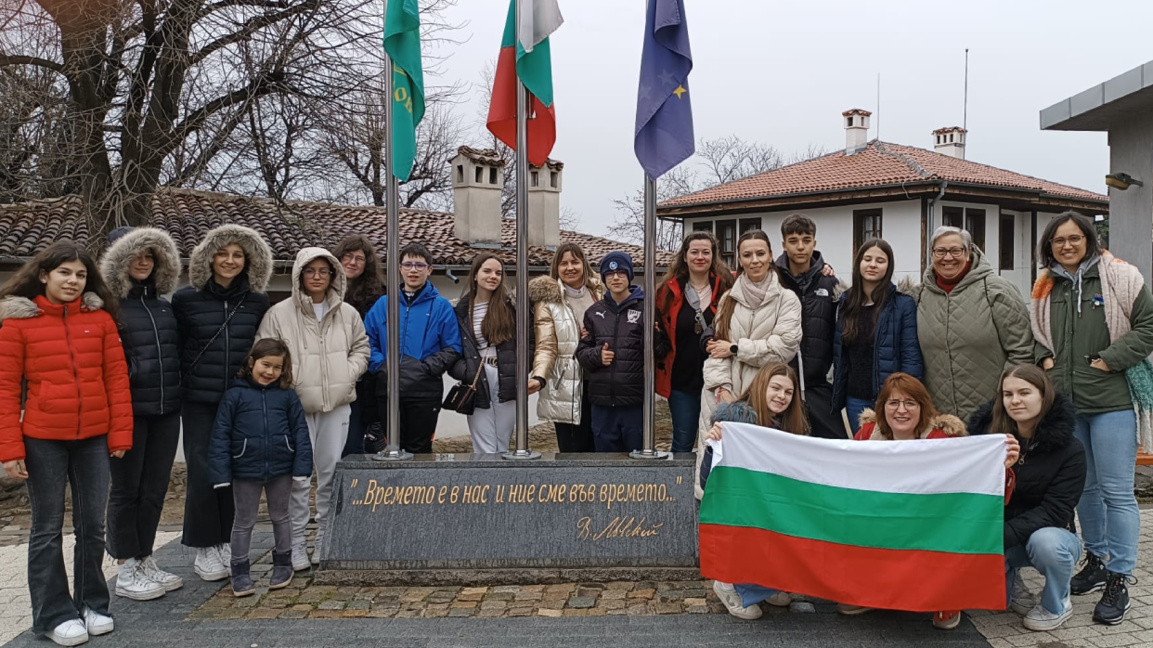
PHOTO Facebook/ Bulgarian Sunday School "Rayna Knyaginya" in Burgos, Spain
Font size
In 2026, the Bulgarian National Radio (BNR) marks 90 years since the first radio broadcasts for audiences abroad, whose successor today is Radio Bulgaria with its 11 programs in Bulgarian and 10 foreign languages.
On this occasion, Radio Bulgaria’s team has launched the initiative “A Lesson on Bulgaria,” through which we follow the footsteps and emotions of Bulgarian children from abroad who have traveled in the country under the National Program “Bulgaria - Educational Routes” of the Ministry of Education and Science. With the help of the leaders of Bulgarian Sunday schools abroad and their students who visited Bulgaria in 2025, we have the opportunity to look at our homeland in a new way - from the distance of overcome distances and generations.
We open the first page of the lesson with the Bulgarian Sunday School “Raina Knyaginya” in the city of Burgos (Spain) and its bright and curious students. The school was founded in 2013 by Dilyana Bodurova and initially functioned as a branch of another Sunday school in the country - “Sts. Cyril and Methodius” in Valladolid. Two years later, Dilyana Bodurova founded the Rila Immigrant Support Association in Burgos, and the “Raina Knyaginya” school began its independent history as an educational project of the association and part of the officially recognized Bulgarian schools approved by the Ministry of Education and Science.
In the current school year, the school already has a branch in the second-largest city in the province - Miranda de Ebro. In the 2025-2026 school year, Dilyana Bodurova’s team teaches 73 Bulgarian children aged 4 to 18 to read and write in their mother tongue.
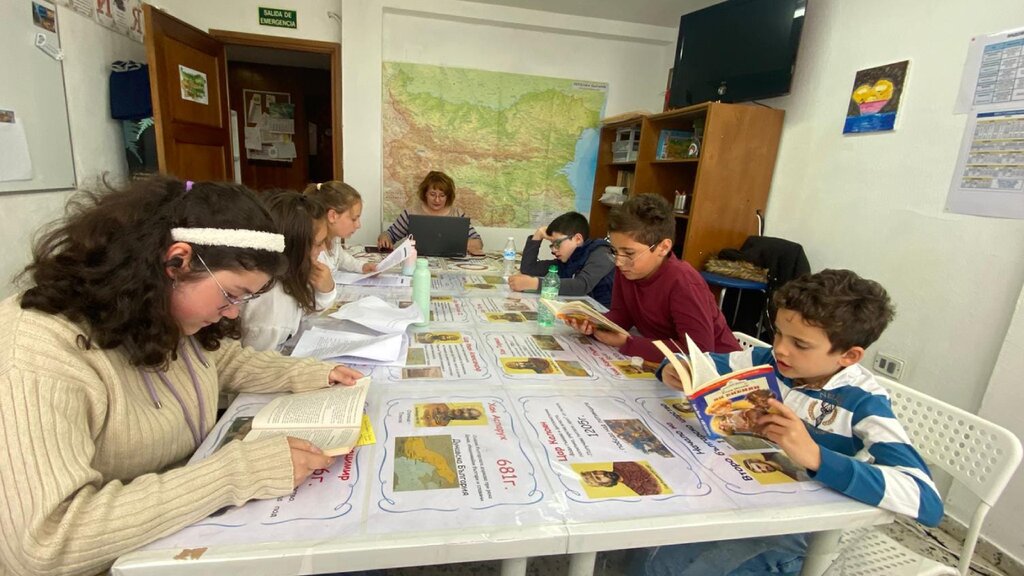
PHOTO Facebook/ Bulgarian Sunday School "Rayna Knyaginya" in Burgos, Spain
Spain, as one of the most preferred countries for living and working among Bulgarians for years, is an excellent example of the trend of new generations of Bulgarians being born abroad and more and more “Bulgarian” children being raised in mixed marriages and in an environment of a foreign culture.
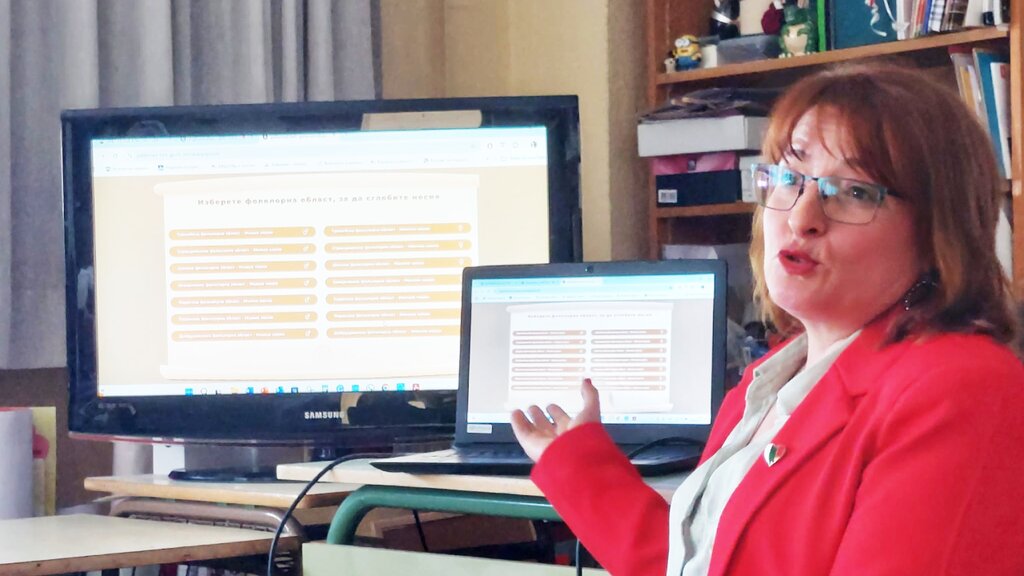
PHOTO Facebook/ Bulgarian Sunday School "Rayna Knyaginya" in Burgos, Spain
“This is a trend that is not isolated to a particular school or a particular region,” explains to Radio Bulgaria the head of the Bulgarian Sunday School “Raina Knyaginya,” Dilyana Bodurova. “I can confirm this, as I have been working in this field for 13 years now and I see the absolute change that is taking place. For example, out of these 73 children today, only one was born in Bulgaria, whose family moved because of the father’s work. All the other children were born in Spain, and for them Bulgarian is no longer truly a mother tongue. It functions as a second language, and this is even more strongly expressed in families from mixed marriages. Yes, these families are becoming more numerous, and the children initially come to us precisely to learn how to speak Bulgarian.”
This is exactly what makes every “Lesson about Bulgaria” that Bulgarian Sunday schools abroad pass on to future generations even more necessary. “And not only that,” clarifies Dilyana Bodurova:
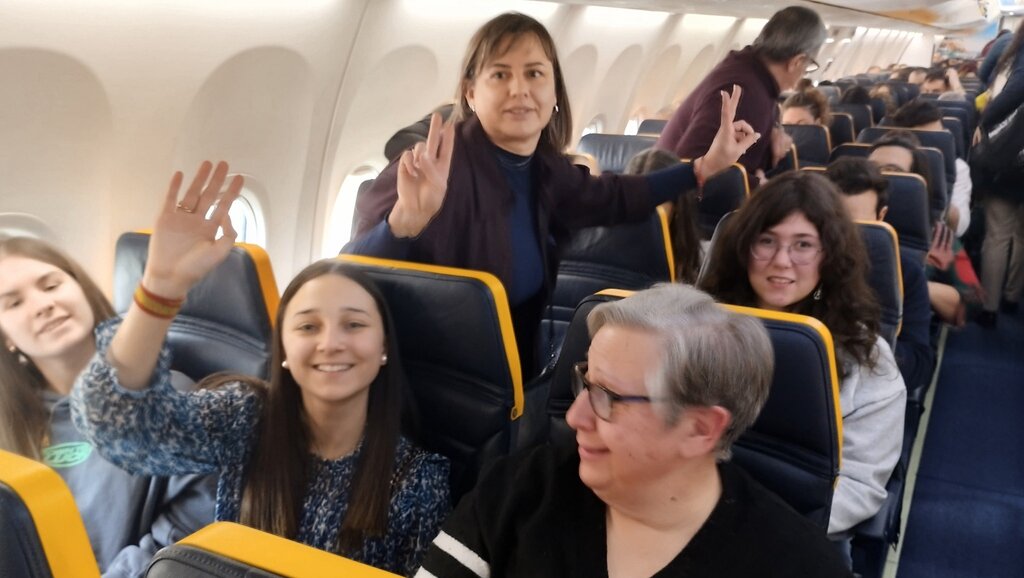
PHOTO Facebook/ Bulgarian Sunday School "Rayna Knyaginya" in Burgos, Spain
“For me, these educational routes and the opportunity provided by the Ministry of Education and Science of Bulgaria are a unique chance to consolidate and strengthen children’s ideas of what Bulgarian identity is. They help build this Bulgarian identity. Because when you live in Bulgaria, whether you want to or not, you absorb the Bulgarian spirit, worldview, even the manner of speaking, food tastes, and preferences. While with us, it is often not about preservation, but about creation. We have to create this Bulgarian identity in the children themselves. And the opportunity for such a trip under the ‘Educational Routes’ program actually plays a huge role for the children, because it is a thrill, an emotion that is different for each of them.”
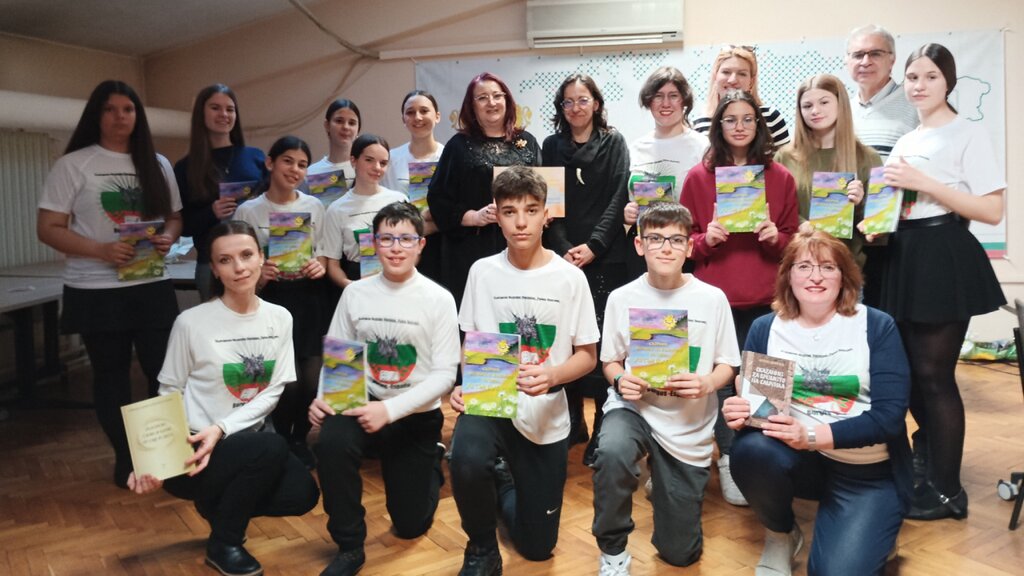
PHOTO Facebook/ Bulgarian Sunday School "Rayna Knyaginya" in Burgos, Spain
There are families who return to the homeland every year and whose children spend their summers here, but there are also those who have never been to Bulgaria, Bodurova tells us: “For these children, Bulgaria is just a story, an image, or what they have heard at school or from their family.” That is why the first trip under the Ministry’s “Educational Routes” program, realized by her students from February 28 to March 4, 2025, was a truly fulfilled dream.
The route “March 3” was chosen in the spirit of Bulgaria’s National Holiday and included visits to the cities of Sofia, Panagyurishte, Strelcha, Koprivshtitsa, Karlovo, Kalofer, Sopot, and Plovdiv.
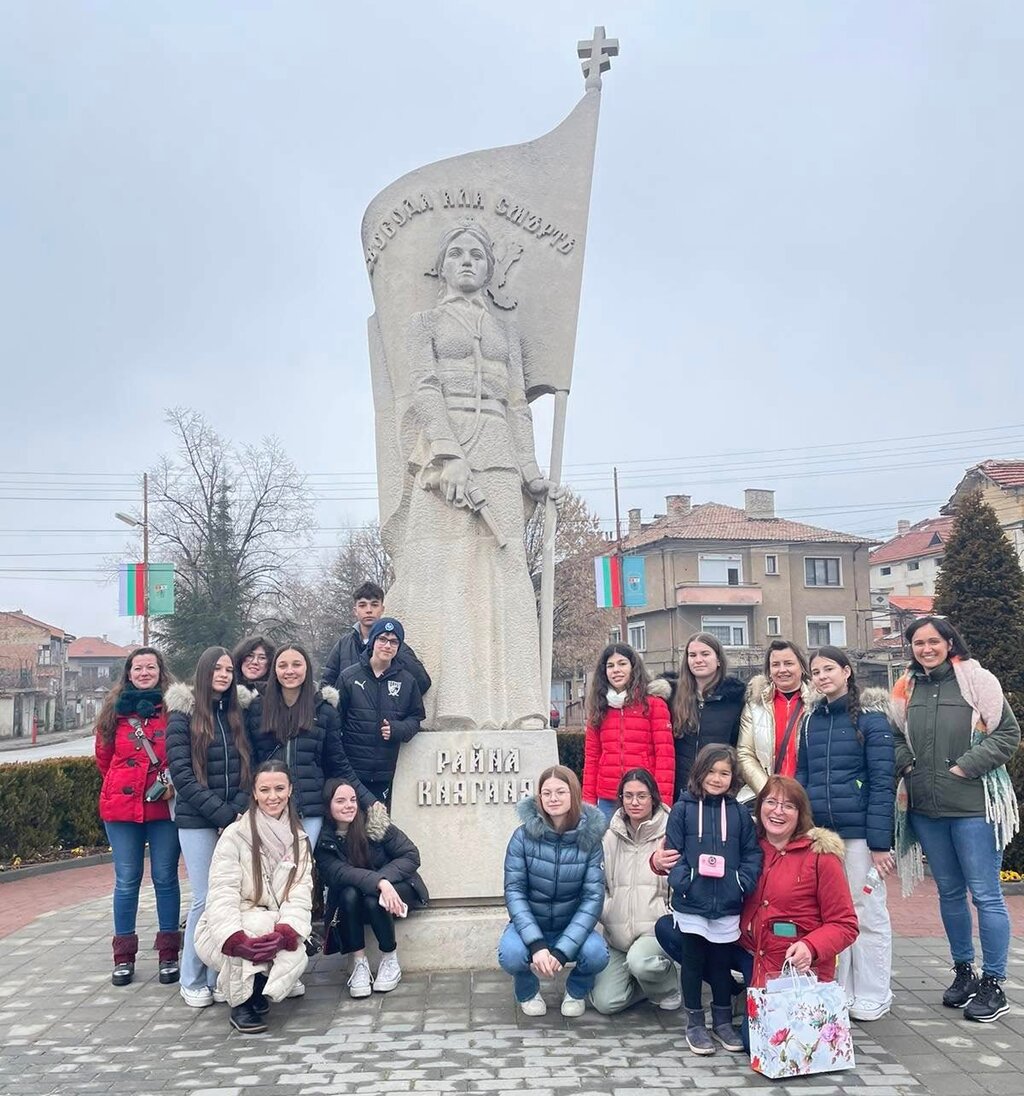
PHOTO Facebook/ Bulgarian Sunday School "Rayna Knyaginya" in Burgos, Spain
“The thing that impressed me the most was the Raina Knyaginya Museum,” says 16-year-old Sonya.
“The time with my friends and when I saw my grandmother and grandfather and met the family of a friend,” adds 15-year-old Simona, recalling unforgettable memories.
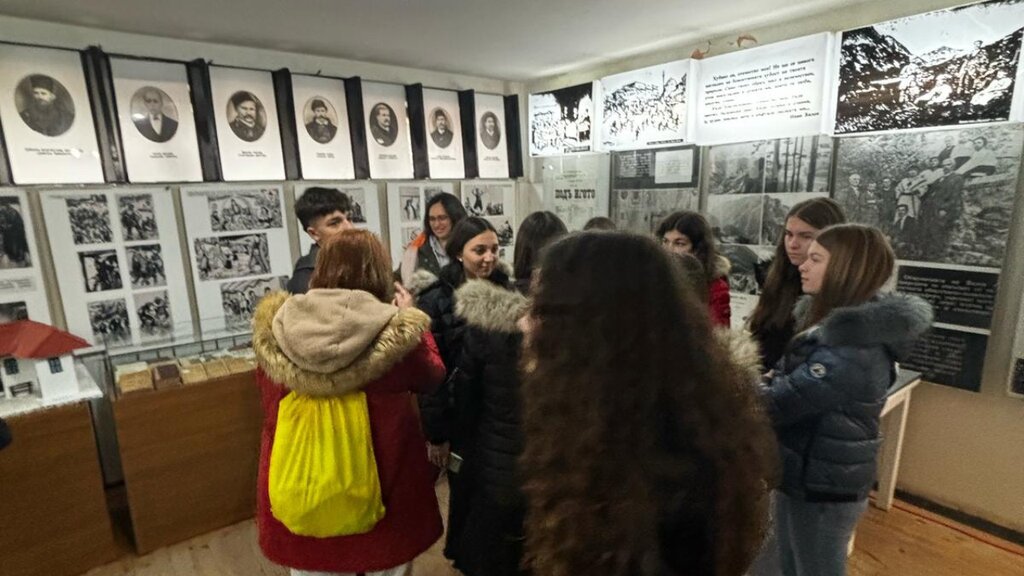
PHOTO Facebook/ Bulgarian Sunday School "Rayna Knyaginya" in Burgos, Spain
“We visited many museums, but I remember most of all the house of Vasil Levski and the Historical Museum in Panagyurishte,” says 15-year-old Katerina.
A curious moment of the experience was also the international element of the group of 60 people. “We decided to combine the trip of two Sunday schools - ours from Spain and the Bulgarian Sunday school ‘Hristo Botev’ from the Italian city of Eboli. This was also a very beautiful and interesting way to experience the excursion itself,” admits the director of the Spanish school, Dilyana Bodurova.
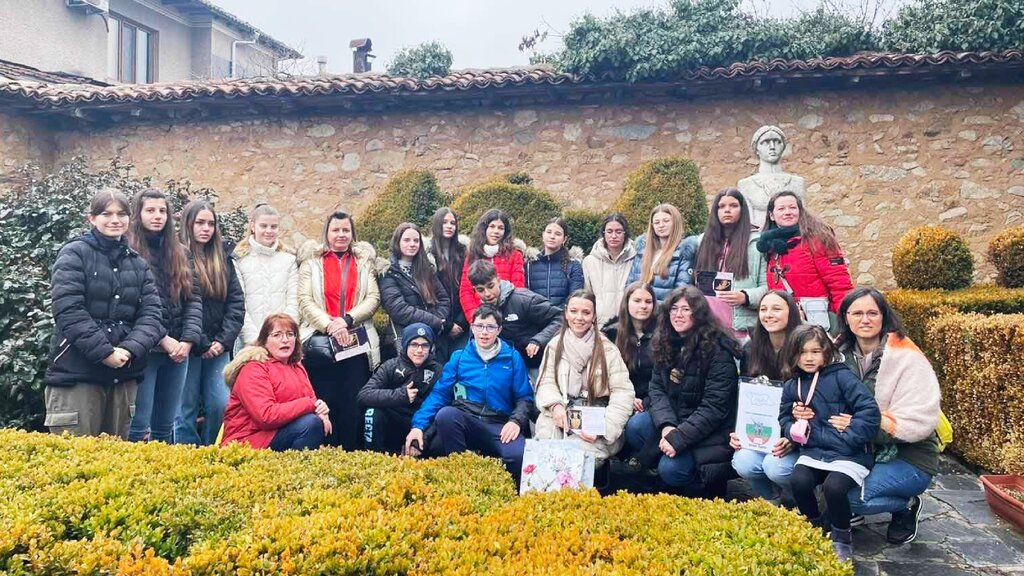
PHOTO Facebook/ Bulgarian Sunday School "Rayna Knyaginya" in Burgos, Spain
From the impressions shared with Radio Bulgaria by the children themselves, one more emotion that Bulgaria gave them stood out - the meeting with relatives, the personal embrace with grаnma and grandpa.
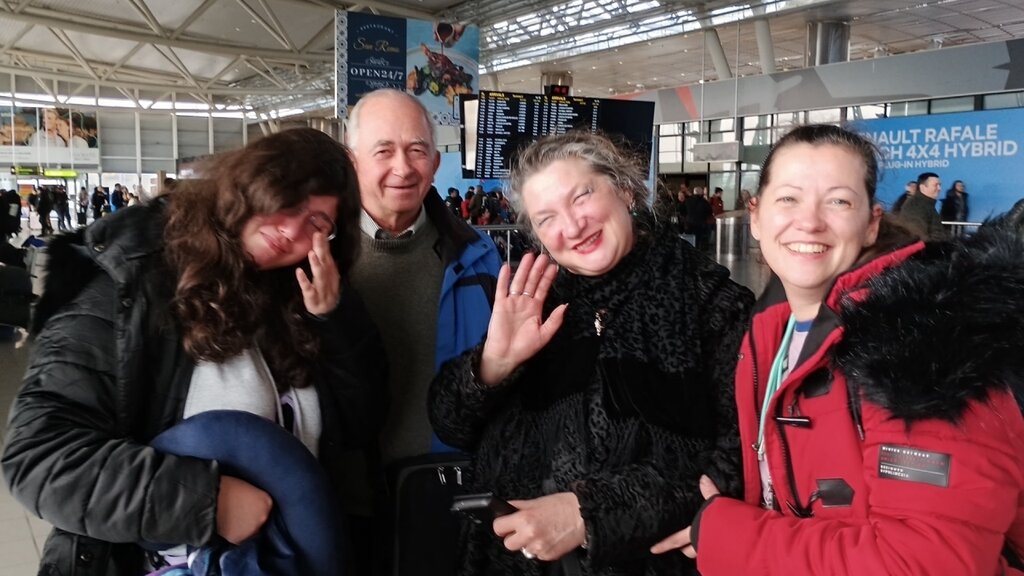
PHOTO Facebook/ Bulgarian Sunday School "Rayna Knyaginya" in Burgos, Spain
“This was perhaps one of the most beautiful things, because when we landed in Sofia, as soon as we got off the plane, there were already relatives - grandmothers and grandfathers - running toward their children with tears in their eyes to hug them. We had one family, grandparents who followed the entire group for five days and stayed in every city to be close to their grandchildren. As incredible as it may sound - we do not have a single photo in which the entire group is together, and the reason for this was the constant presence of many outside people who came to see one child or another. It was wonderful to give them the opportunity to feel the connection with family and friends. Very beautiful memories!”
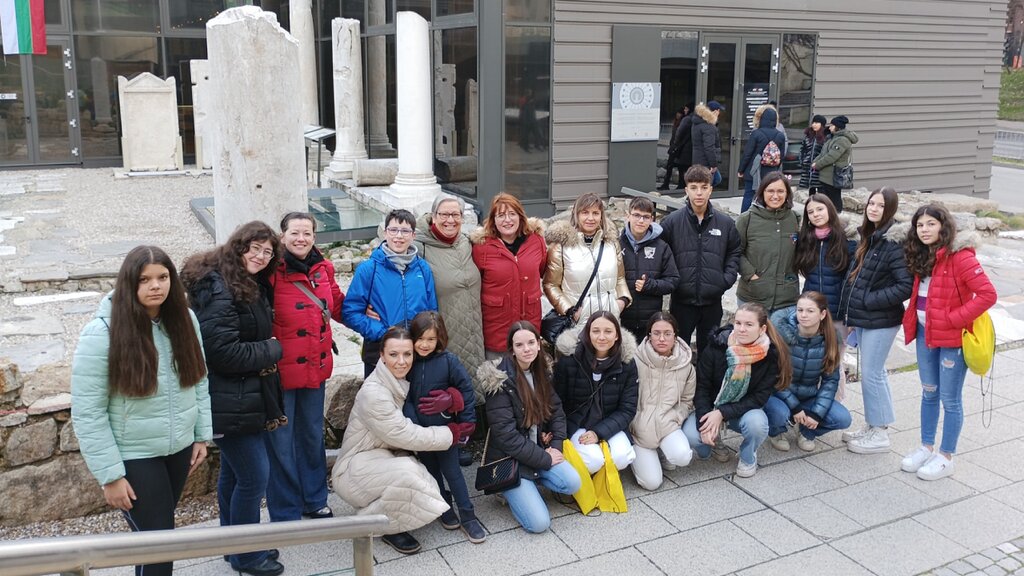
PHOTO Facebook/ Bulgarian Sunday School "Rayna Knyaginya" in Burgos, Spain
And the emotion of the personal encounter with Bulgarian cultural and historical landmarks was even stronger for the few children for whom this was their first step on Bulgarian soil. “There are families who have been in Spain for three generations already - grandparents, mother, father, and now the children who are born. And more and more often this connection with Bulgaria becomes very fragile. There are moments when it is not a matter of economic opportunity to return. The living connection that would bring the child together with relatives in Bulgaria is no longer there,” explains Dilyana Bodurova and tells about this first meeting that unfolded before her eyes.
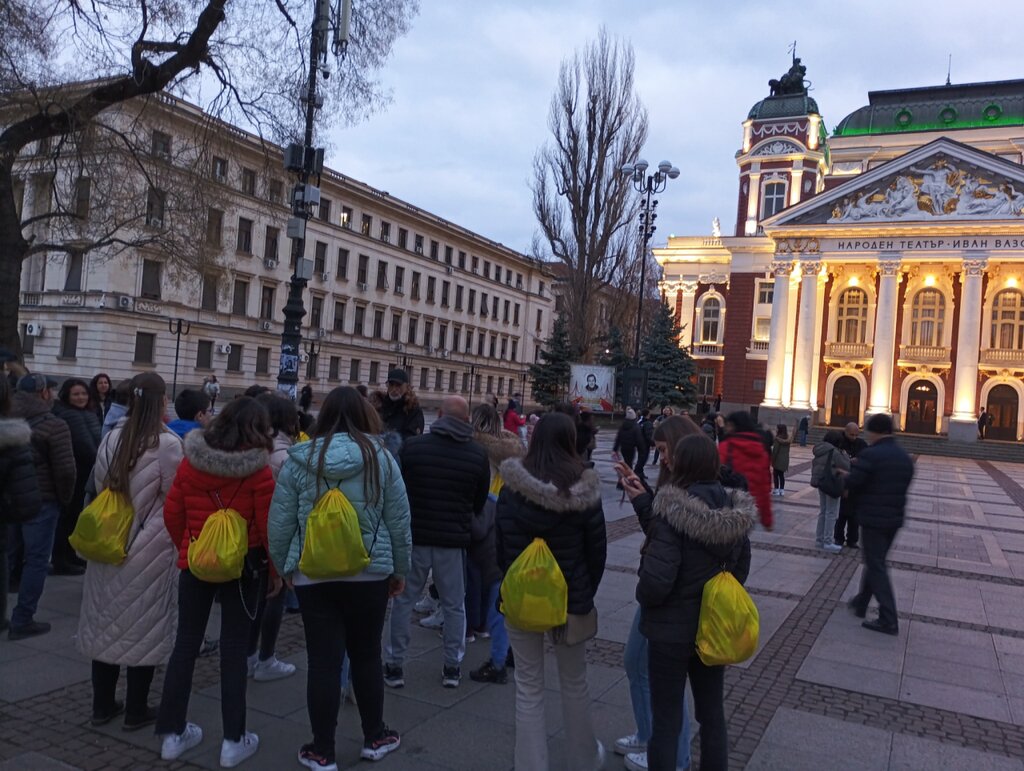
PHOTO Facebook/ Bulgarian Sunday School "Rayna Knyaginya" in Burgos, Spain
“For them, everything was new. Everything impressed them—from whether there were enough sidewalks, pedestrian crossings, or trash bins, to how big the Alexander Nevsky Cathedral is, or the Presidency with the changing of the guard. For them, everything was a new emotion.”
This is precisely how Bulgaria turns from an abstraction, from pictures in textbooks at the Bulgarian Sunday school and conversations with friends, into something real. It exists with its own aroma, taste, image…
“For me, Bulgaria is home.
For me, it is family.
Vacation.
Beauty.
Loveliness.
Homeland!”
- these are the brief children’s answers to the question “What is Bulgaria?”
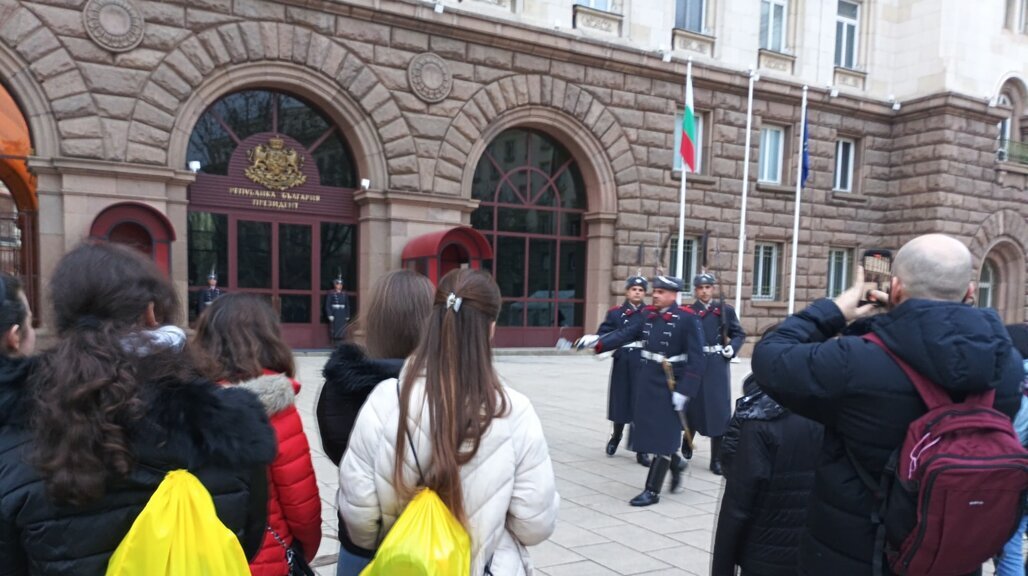
PHOTO Evelina Stoyanova
Dilyana Bodurova herself has been living in the land of Cervantes for 25 years, but every year she returns to the homeland with her family. “I didn’t think there was anything that would surprise me during the trip in March, but I was wrong,” she tells us with a smile in her voice and shares:
“By leading the children, I returned to my own childhood and relived events, memories flooded in of visiting a museum or incidents I had in one place or another. I realized how many things I have lost over these years away from Bulgaria.”
With a touch of nostalgia, but also with gratitude, “The Lesson about Bulgaria” continues - for both young and old. And its rhythm is uneven, like Bulgarian folk dances. It was precisely with a horo dance, formed in front of Vasil Levski Airport, that the teachers and students from the Sunday school “Raina Knyaginya” in Burgos, Spain, left Bulgaria in March - with a promise that they would return again.
“Even though we are thousands of kilometers away from you, we feel Bulgarian. We live with Bulgaria, we think about Bulgaria. We love you!”
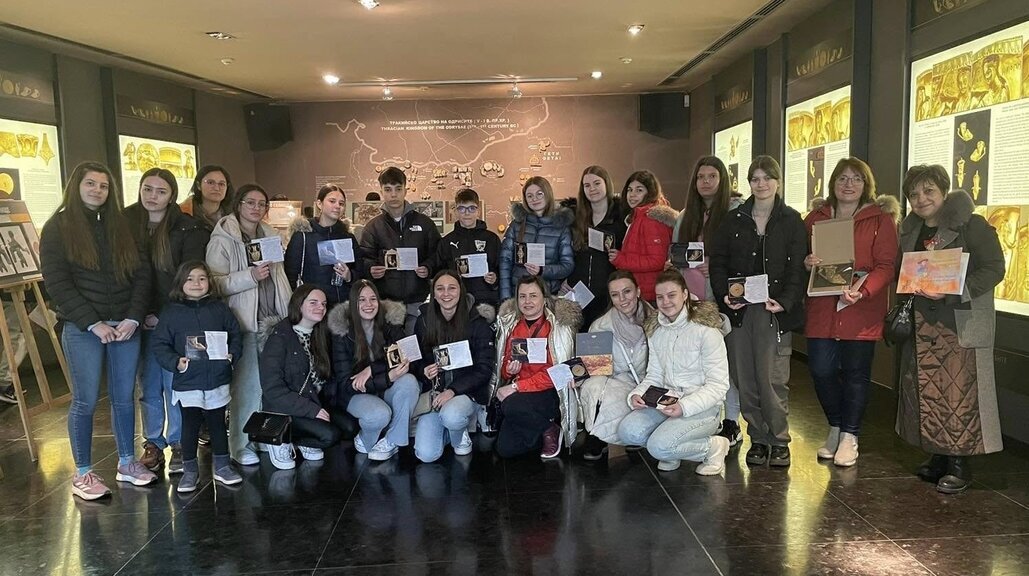
PHOTO Facebook/ Bulgarian Sunday School "Rayna Knyaginya" in Burgos, Spain
The children’s words also carry a promise of connection:
“Thank you for everything. Hopefully we will see each other soon, Bulgaria!” says 13-year-old Vanessa.
“Greetings, Bulgaria! Be alive and well and kisses to everyone,” wishes 9th-grader Nikol from Burgos, and her classmate Simona adds: “Bulgaria, I wish you lots of happiness and love, and hopefully we will see each other soon!”
All these memories, emotions, and many photos were shared with Radio Bulgaria, and we “packaged” them into a special video - watch it:
Video: Krasimir Martinov
English version: R. Petkova
This publication was created by: Rositsa Petkova