


Author
Krasimir Martinov
News
Learning Bulgarian as a foreign language - a need and a challenge
Interview with Prof. Krasimira Charakova from Plovdiv University
Sunday 1 February 2026 10:25
Sunday, 1 February 2026, 10:25
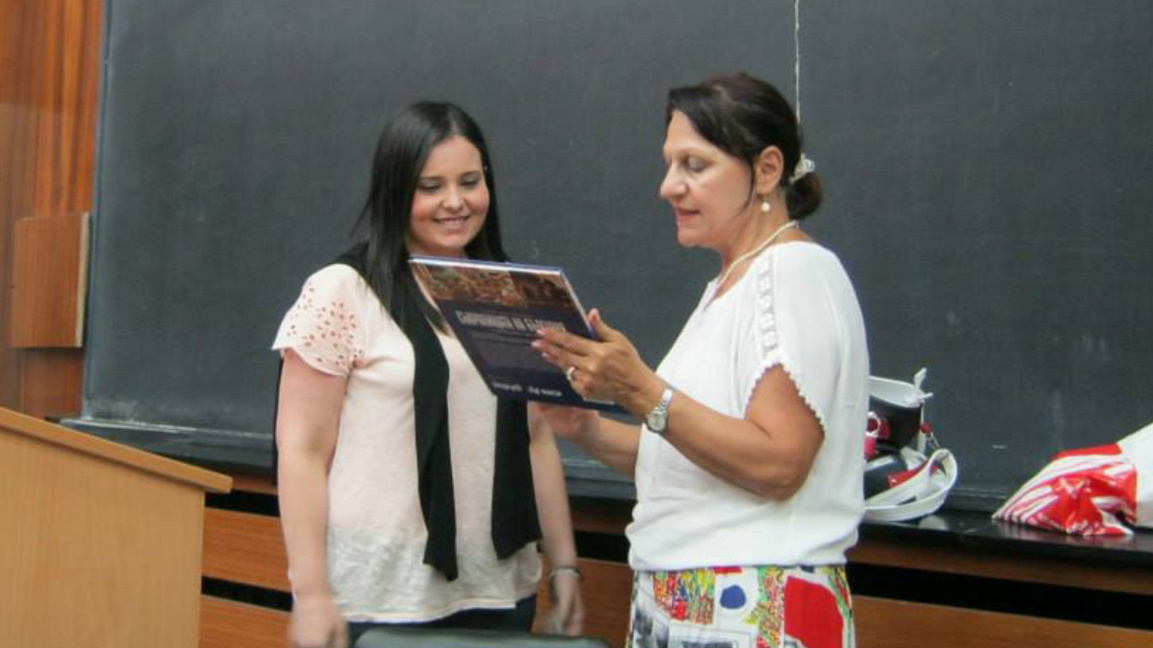
PHOTO Department of Language and Specialized Training for Foreign Students at Plovdiv University
Font size
Where in Bulgaria can you study Bulgarian as a foreign language, prepare for university studies, or receive specialized training from teachers working at Bulgarian Sunday schools abroad? One possible answer is Plovdiv - the second-largest city in Bulgaria, located in the southern part of the country.
For more than 20 years, Plovdiv University “Paisii Hilendarski” has been providing instruction in Bulgarian through its Department of Language and Specialized Training for Foreign Students. Established in 2005, the department is an associate member of ALTE (Association of Language Testers in Europe) and is soon hoping to become a full member of this prestigious European association.
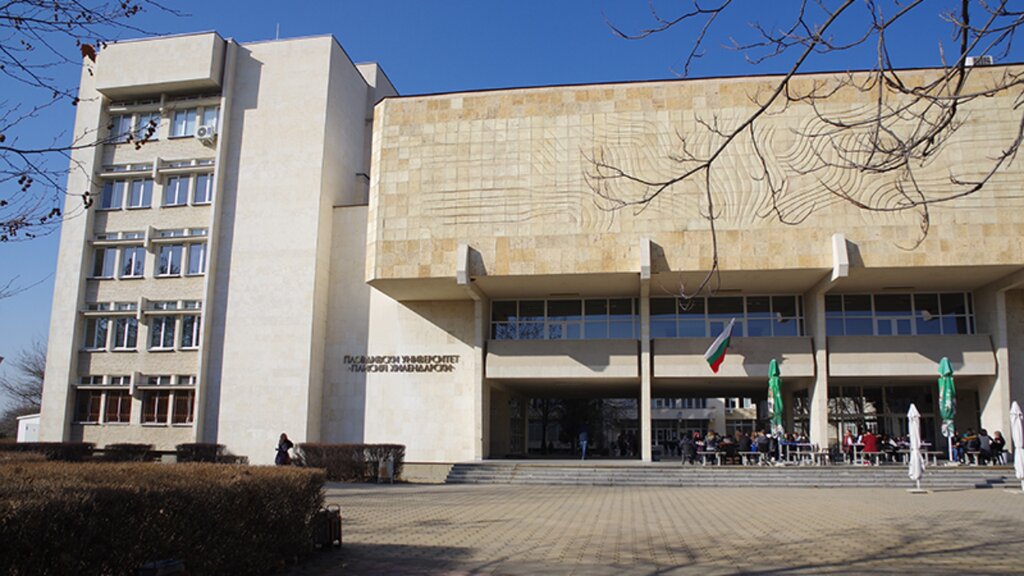
PHOTO uni-plovdiv.bg
The department offers a variety of programs for foreigners learning Bulgarian. If you are a foreign citizen who wishes to study in Bulgaria, the university’s one-year preparatory course can provide the essential basic knowledge needed to begin your studies with greater confidence. The course also includes additional activities related to familiarization with Bulgarian history and culture, such as creative workshops, film programs, excursions, visits to museums and natural landmarks, as well as theater and opera performances, among others. The expected level of language proficiency at the end of the course is B2, according to the Common European Framework of Reference for Languages.

PHOTO Department of Language and Specialized Training for Foreign Students at Plovdiv University
Plovdiv University also offers an intensive course in practical Bulgarian, suitable for foreign citizens living in Bulgaria or for students who already have a B2 level but wish to further enhance their linguistic competence. Through this intensive course, participants can reach C1 level.
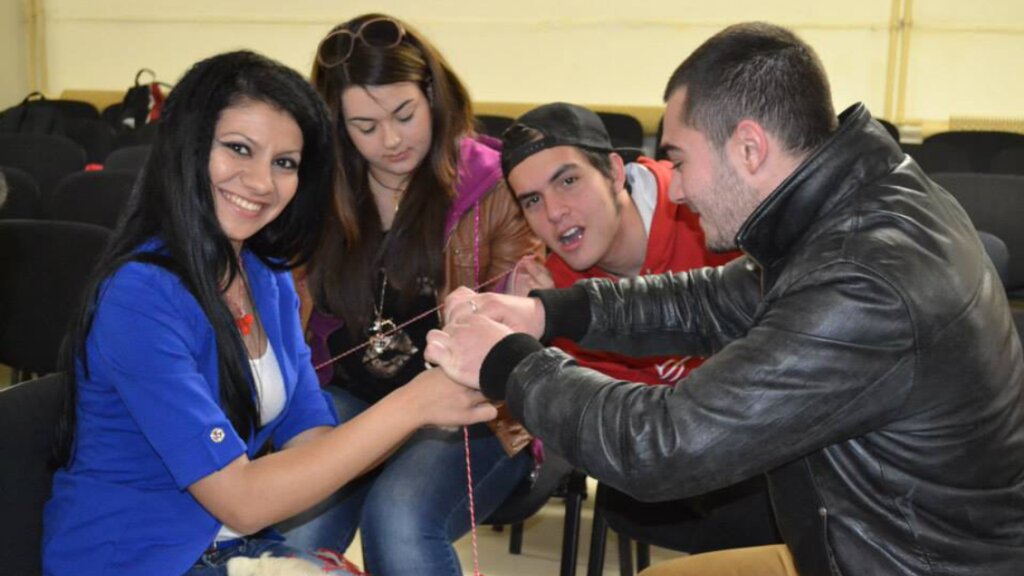
PHOTO Department of Language and Specialized Training for Foreign Students at Plovdiv University
The team of the department consists of highly qualified lecturers who regularly update curricula, improve testing methods, and develop textbooks and teaching materials, explains the department’s director, Prof. Dr. Krasimira Chakurova. When asked which aspects of Bulgarian pose the greatest difficulties for foreign students, she says:
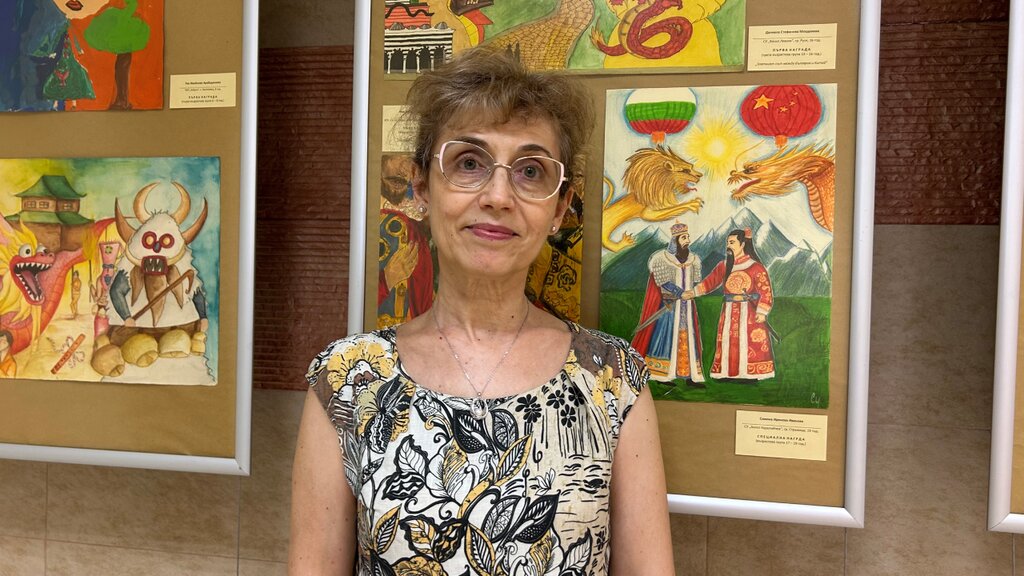
PHOTO Krasimir Martinov
“Bulgarian grammar is extremely complex for them,” says Prof. Chakurova. “Our temporal system is quite complicated. Foreigners also struggle with verbal aspect, especially when their native languages do not distinguish aspect. For example, it is very difficult for them to understand how a verb can be perfective yet in the past imperfect tense. ‘Is that even possible?’ they ask. I tell them: ‘Of course it is - these are different categories with different meanings.’
It turns out that one verb tense that is very common in Bulgarian - the past simple (aorist) - is particularly difficult for them. The reason is that it is formed according to different models, with different formal markers for various verb classes. Mastering it requires conscious effort from foreign learners. The use of participles is also challenging - there is not always a clear distinction between aorist and imperfect participles. The renarrative or inferential mood as a manifestation of a specific way of thinking, is unfamiliar to some of our students: ‘How can you renarrate someone else’s words? What is the point?’ they ask. This is also a matter of ethnopsychology. For them, however, it is interesting because it is something new.
We have taught Slavic students as well as many Greek students. The only ones who do not have problems with the inferential mood are Turkish students, because a similar phenomenon exists in their language and they understand it easily. Chinese students, on the other hand, find it quite difficult to learn how to articulate the sound ‘r’, but with more effort, this difficulty is eventually overcome. In fact, every ethnic group encounters specific challenges when learning Bulgarian, but the students’ desire to learn is strong - and that is why they succeed.”
What other programs does the Department of Language and Specialized Training for Foreign Students at Plovdiv University offer?
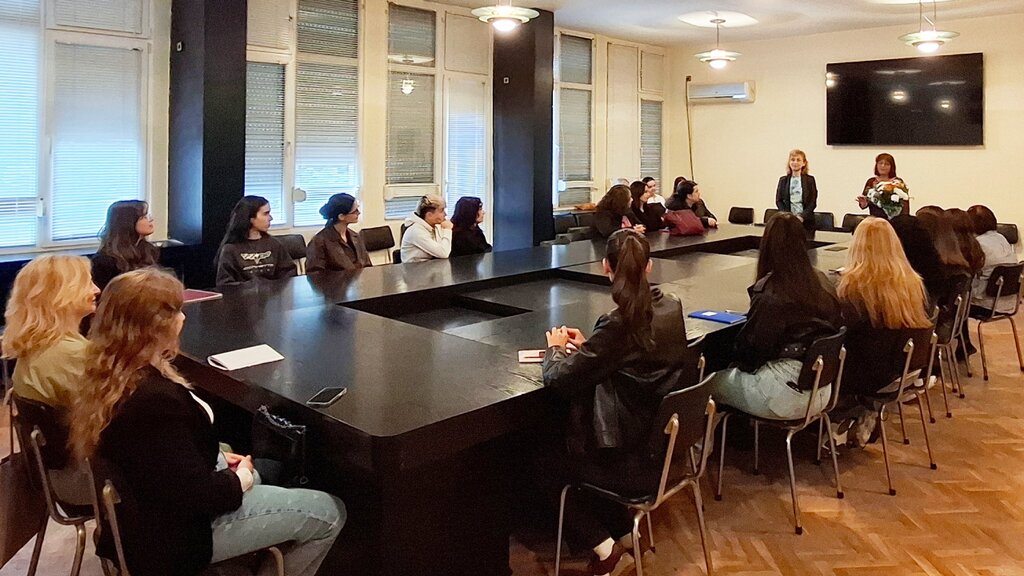
PHOTO Department of Language and Specialized Training for Foreign Students at Plovdiv University
Behind Prof. Dr. Krasimira Chakurova and her colleagues is already the first one-year course for teachers from Bulgarian Sunday schools abroad. It is divided into two groups - one for teachers with pedagogical qualifications and another for those without such training. The results of this first course have been impressive, Prof. Chakurova says.
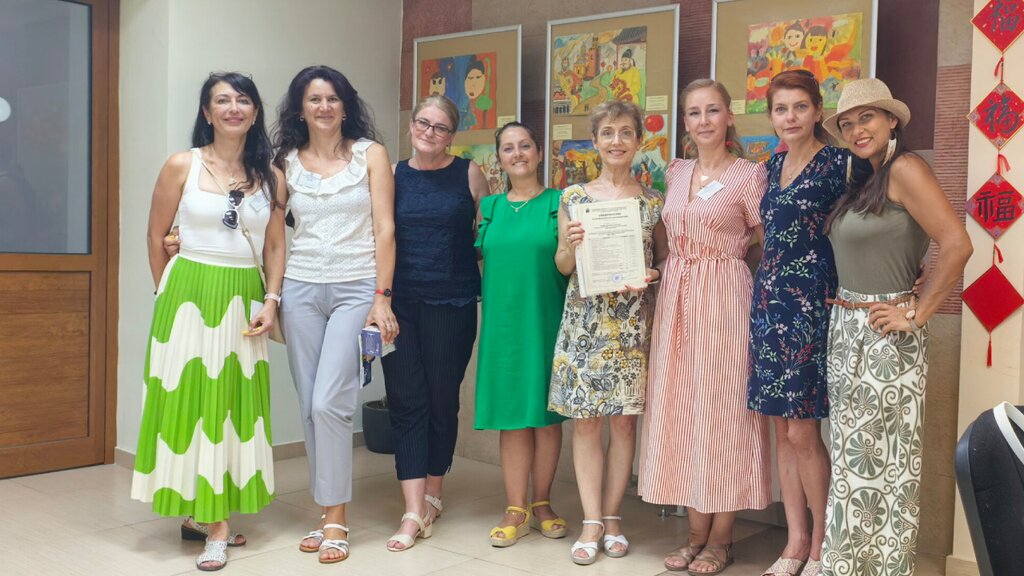
PHOTO uni-plovdiv.bg
She also shares that the department has prepared a full set of documents required for certification with ALTE’s “Q mark” quality label. This would enable the department to test learners and issue certificates valid worldwide.
“This will be very good news, because we will become the second university in Bulgaria to be not just an associate member of ALTE, but a full member of the association, with an officially awarded quality mark. During the application process, we received great support from the Association of Bulgarian Schools Abroad (ABSA). We piloted our ALTE tests with a target group from ABSA - students from Bulgarian Sunday schools. The children participated with great enthusiasm.”
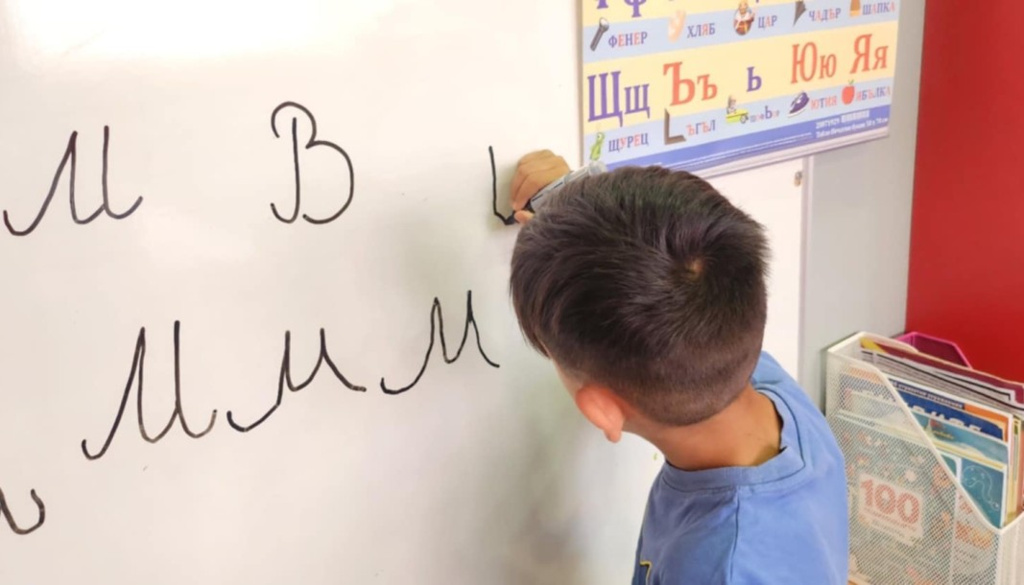
PHOTO Saints Cyril and Methodius Bulgarian school in Athens
In conclusion, it should also be noted that for representatives of Bulgarian communities abroad who are admitted as students under the state regulations for the education of students of Bulgarian origin (Council of Ministers Decrees No. 103 and No. 228), Plovdiv University “Paisii Hilendarski” offers a year-round Bulgarian language course, conducted during the first year of their studies. Depending on the results of the entry test, learners are assigned either to beginner or advanced groups.
The Department of Language and Specialized Training for Foreign Students also offers courses for students and lecturers staying at Plovdiv University under international exchange programs such as Erasmus+, CEEPUS, Fulbright, and others. Each course concludes with an exam, and the resulting grade is recorded in the academic transcript.
English version: R. Petkova
This publication was created by: Rositsa Petkova