


Friday 23 January 2026 12:44
Friday, 23 January 2026, 12:44
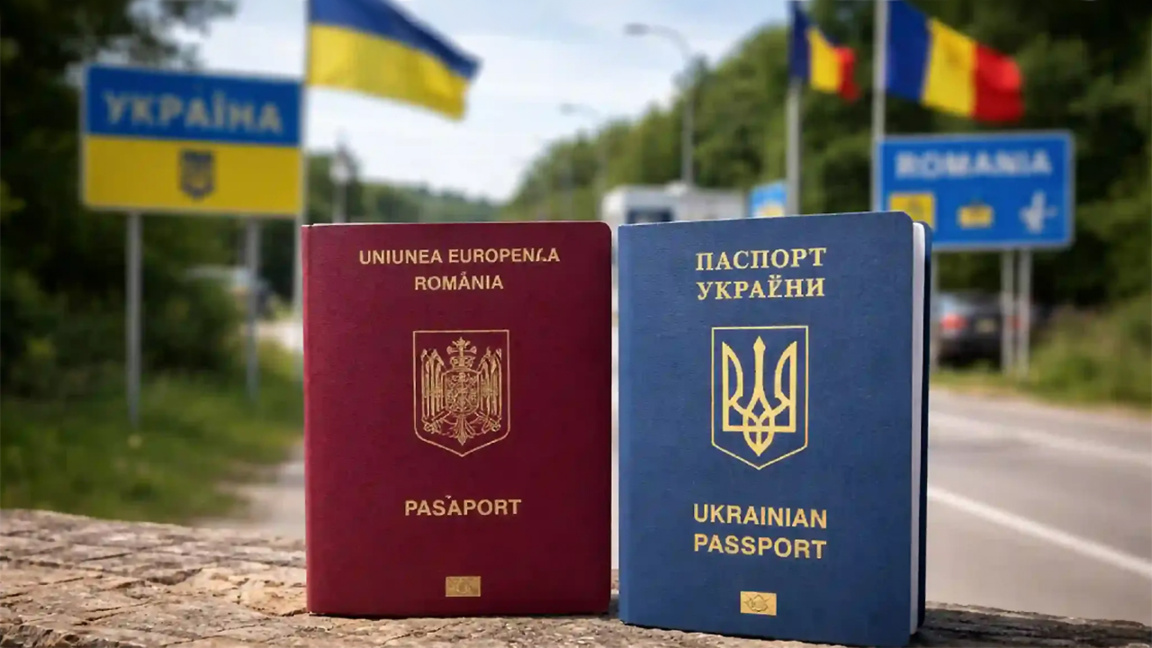
PHOTO Idevice.ro
Font size
Romanians in Ukraine will not be able to acquire dual citizenship
A new Ukrainian citizenship law, which came into force on January 16, has excluded Romania from the list of countries whose citizens are allowed to hold dual citizenship, despite Romania’s membership in the EU and NATO. The list now includes only five countries: Germany, Poland, Czechia, the United States and Canada.
The decision sparked strong reactions among ethnic Romanians in Ukraine and in Bucharest. Libertatea ran the headline: “The Romanian Community Feels Discriminated Against.” The Social Democratic Party has called on the Romanian government and presidency to take a stance on the issue.
“The Romanian community is the second largest in Ukraine after the Russian one. Given Romania’s unconditional support for Ukraine in the ongoing conflict, and the hundreds of ethnic Romanians who have died in the line of duty on the Russian-Ukrainian front, it was natural and expected for Romania to be included on this list”, said Ukrainian lawyer of Romanian descent Eugen Patrash in an interview with Agerpres.
In response to concerns, Ukraine’s Ministry of Foreign Affairs clarified that the legislative change does not affect individuals who already held Ukrainian citizenship as of January 16, 2026. The Ministry also noted that the five listed countries are home to the largest Ukrainian diaspora, reported digi24.ro.

PHOTO investmentmigration.org
10,500 applications for Greek Golden Visa are waiting to be processed
31,000 foreign citizens have received the so-called Greece Golden Visa from the start of the program in 2014 until the end of 2025. Together with renewed general visas, the total reaches around 39,000. The Greece Golden Visa is aimed at investors from non-EU countries, granting them a five-year residence permit (including for their family members), which also allows free movement within the EU. The number of visas issued peaked in 2023, when around 8,000 people received them. Currently, over 10,500 applications are still waiting to be processed, as the relevant authorities are struggling to keep up with the workload, reports Ta Nea.
According to Kathimerini, the “Golden Visa” program has brought at least EUR 8.89 billion into the country. The program was created by the government of Antonis Samaras to attract foreign investment at a time when capital was leaving Greece rapidly, while inflow was minimal.
Ta Nea notes that the largest group of investors are Chinese citizens, followed by those from Türkiye, Lebanon, Iran, Russia, Egypt, Israel, and the United Kingdom.
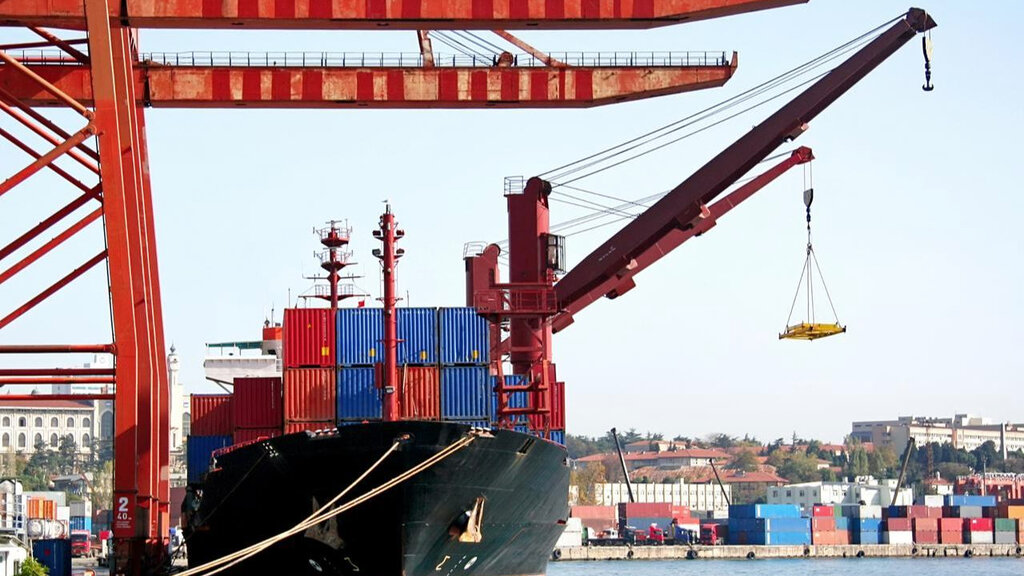
PHOTO turkiyetoday.com
Türkiye’s exports to the Balkan countries increases by 8.1%
Türkiye’s exports to the Balkan countries increased by 8.1% in 2025 compared to the previous year, reaching USD 25.258 billion, reports Anadolu Agency (Anadolu Ajansi). According to information provided to the agency by the Türkiye Exporters Assembly (TİM), Romania ranks first with exports worth around USD 7.9 billion, followed by Bulgaria (USD 4.7 billion), Greece (USD 3.5 billion), Slovenia (USD 3.2 billion), and Serbia (USD 2.0 billion).
Due to the situation in the global market, Türkiye is seeking to strengthen its economic ties with neighboring countries, the agency notes. The industrial sector led Türkiye’s exports to the Balkan region in 2025, with the automotive industry ranking first. It was followed by chemicals and chemical products, metallurgy, electronics and electrical engineering, furniture and paper.
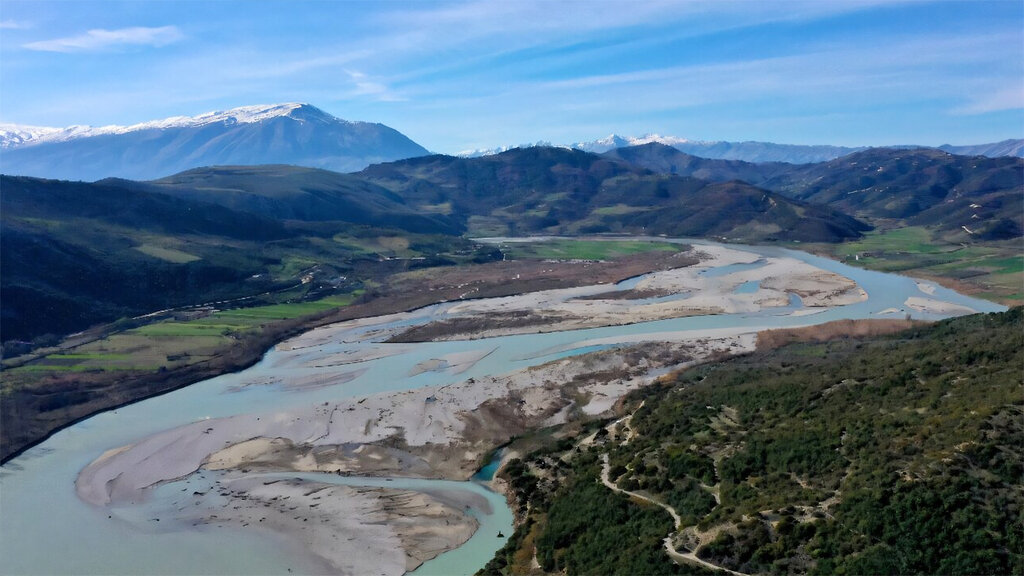
PHOTO AFP
The Balkans have lost 2,500 kilometers of rivers in recent years
Thousands of kilometers of Balkan rivers have been damaged in recent years due to the increase in small hydropower plants and excessive sediment extraction, according to a report by the non-governmental organizations River Watch and EuroNatur, BTA reported citing AFP.
The report notes that the Balkans are home to some of Europe’s cleanest and wildest rivers, which are crucial for the continent’s biodiversity and are considered its “blue heart”, warning that this valuable resource is increasingly threatened by the growth of infrastructure projects in the region.
According to a 2024 report by the same NGOs, there are around 1,800 such plants in the Balkans, with more than 3,000 additional construction projects planned. In 2012, these largely unaltered rivers accounted for 30% of the region’s waterways, while by 2025 they represent only 23%.
Edited by Miglena Ivanova
Translated by Kostadin Atanasov
This publication was created by: Kostadin Atanasow