


Author
Yoan Kolev
News
Déjà vu: Fewer polling stations and more obstacles for Bulgarians voting abroad
Bernard Konfortov from Cambridge said: “With 20 stations outside the EU, voting will be a disaster.”
Friday 23 January 2026 17:05
Friday, 23 January 2026, 17:05
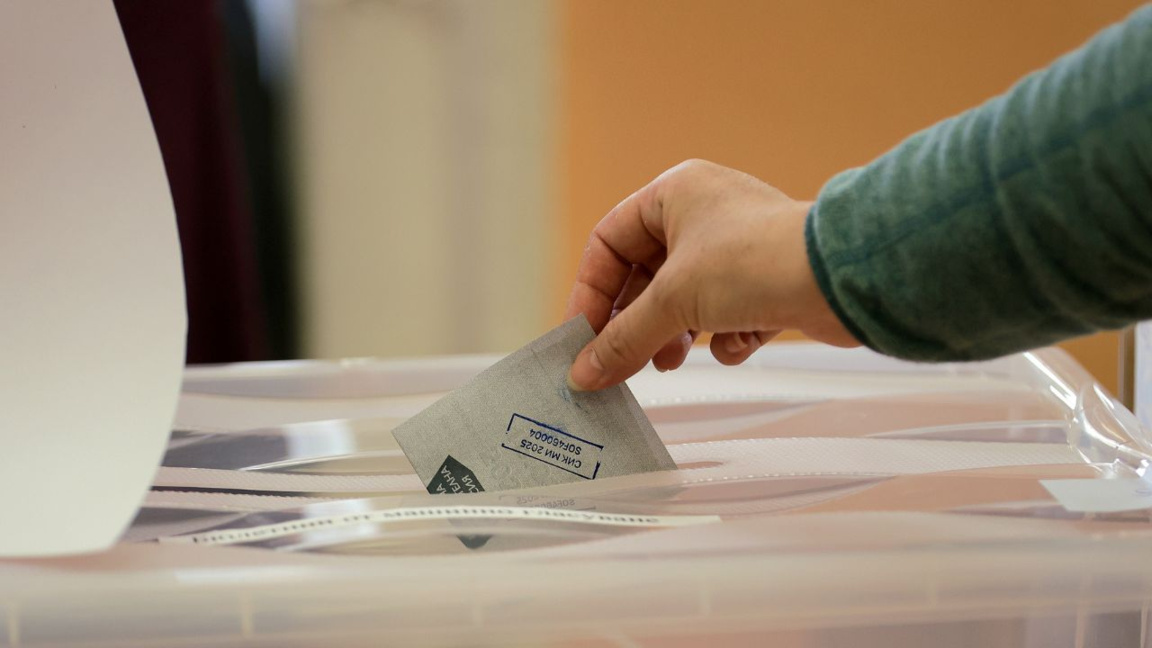
PHOTO BTA
Font size
Bulgaria is facing yet another early parliamentary election, and on the eve of the vote, MPs are preparing changes to the Electoral Code. After an urgent 14-hour session of the Parliamentary Legal Committee, during which the amendments were approved, the National Assembly failed to reach quorum on two consecutive days to debate the changes in a second reading. The amendment that has received the most attention involves replacing full machine voting with the electronic counting of paper ballots.
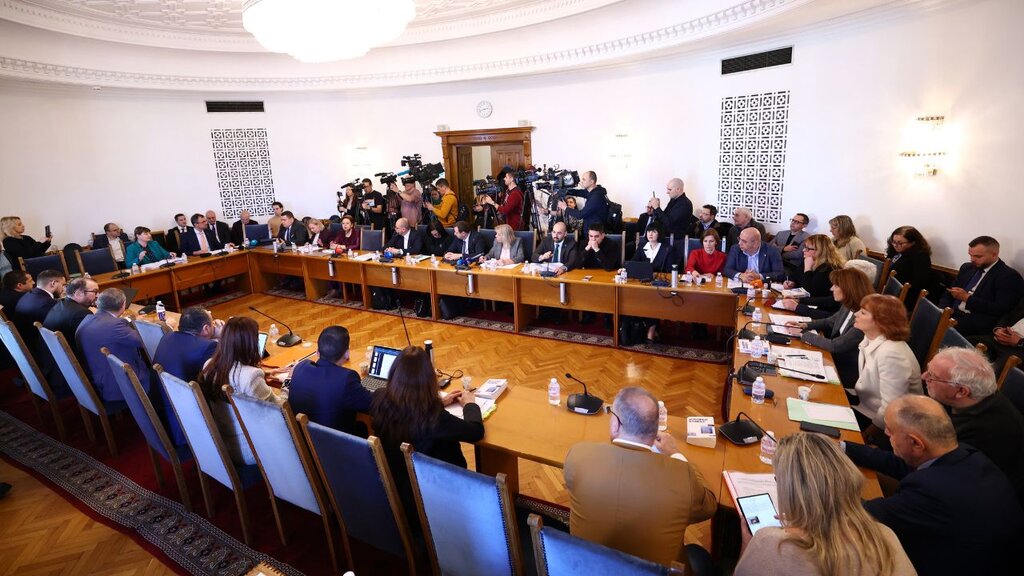
PHOTO BTA
Meanwhile, electoral volunteers organising the process in the UK, US and Canada have reacted sharply to another amendment: the proposal to limit the number of polling stations outside the EU to 20 at most, excluding diplomatic and consular missions.
"For several days now, everyone involved in the electoral process has felt a sense of déjà vu. This is not the first time it has happened,' Bernard Konfortov, a retired molecular biologist who has lived in the UK since 1991, told Radio Bulgaria. Konfortov has extensive experience in overseas voting, having volunteered since 2014.

Bernard Konfortov
PHOTO Personal archive
‘I remember that, in 2016, patriots did the same with Article 14, paragraph 5, which limited the number of stations outside the EU to 35. In recent years, there have been 120 stations abroad serving between 20,000 and 30,000 voters. Reducing this number to 20 would cut it by a factor of six, which would logically reduce the number of voters by the same proportion. Only a few thousand people will be able to vote; everyone else will effectively be disenfranchised. The reason is simple: what are the chances that someone would travel 100 kilometres to reach a polling station, only to find a two-hour queue and a minimal chance of casting a vote that day?”

PHOTO BTA
According to Konfortov, the push to reduce the number of polling stations is driven by nationalist groups’ aim to restrict voting in Turkey, where large numbers of the Bulgarian diaspora traditionally turn out. “No one talks about it openly, but it’s obvious — that’s the real issue. It has always been about that. And by limiting Turkey, the reduction impacts all other non-EU countries as well.” He adds that the move creates significant problems, preventing many citizens from voting and placing severe strain on election commissions facing long queues.
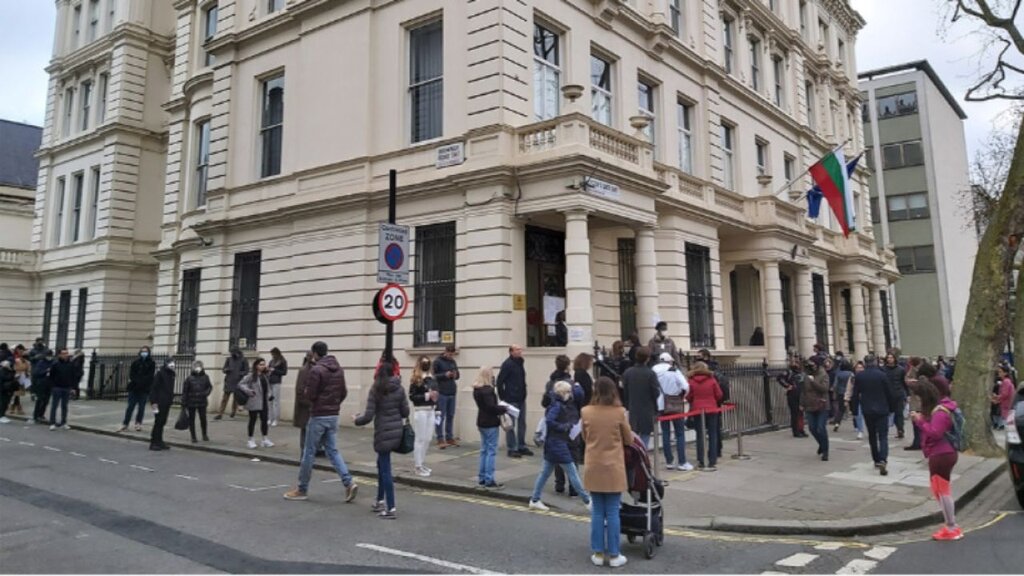
PHOTO BGNES
‘I live in eastern England, in Cambridge. In the previous elections, there were 12 polling stations in my area; in 2021, there were only three. At the Cambridge polling station where I serve on the electoral commission, 200–350 people usually vote. In April 2021, however, just over 1,300 people voted, which was a nightmare, but we managed it. Some people were unable to vote, and in London, more than 1,800 people voted per station — the queues lasted hours. This happened at 35 stations. It's not hard to imagine how close to disaster voting would be with just 20 stations. Bear in mind that of those 20 stations, at least half would be in London, leaving only about ten stations to cover the rest of the country.”

PHOTO Photo: Nikolay Petkov / Facebook – Electoral Volunteers, UK
Regarding the possibility of voting proceeding as before using the current machines if the amendments to the Electoral Code are not passed, Konfortov believes this would be preferable.
'If that’s possible, I’d say it’s a much better option. Although the existing machines are not being used to their full capacity and are functioning more like printers, it’s still better than switching entirely to paper ballots”.
Editor: Elena Karkalanova
Poster in English by E. Radkova
This publication was created by: Elizabeth Radkova