


News
A border village in Greece preserves the Rhodope Bulgarian dialect
Saturday 24 January 2026 19:08
Saturday, 24 January 2026, 19:08
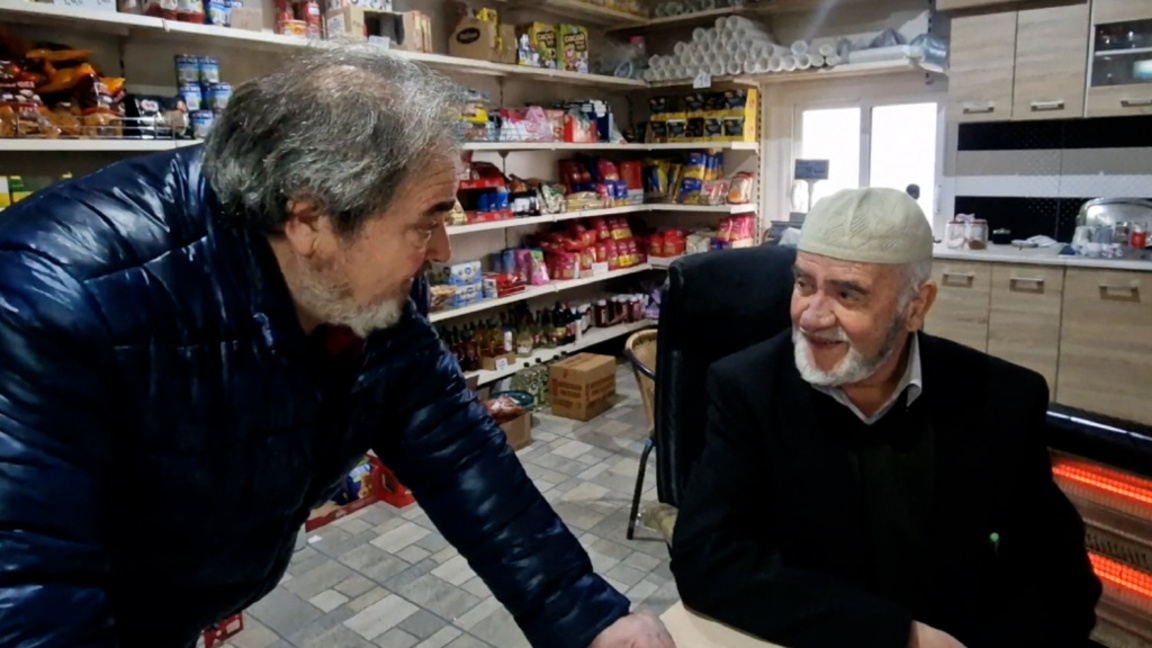
PHOTO BTA
Font size
A few kilometers from the Bulgarian border, in the Rhodope Mountains of Northern Greece, lies Dimario - a village where the Bulgarian language and the Rhodope dialect have been preserved and continue to be used in everyday communication among people, BTA reports. Life here flows calmly, far from major roads and cities, and traditions and memory are passed down from generation to generation.
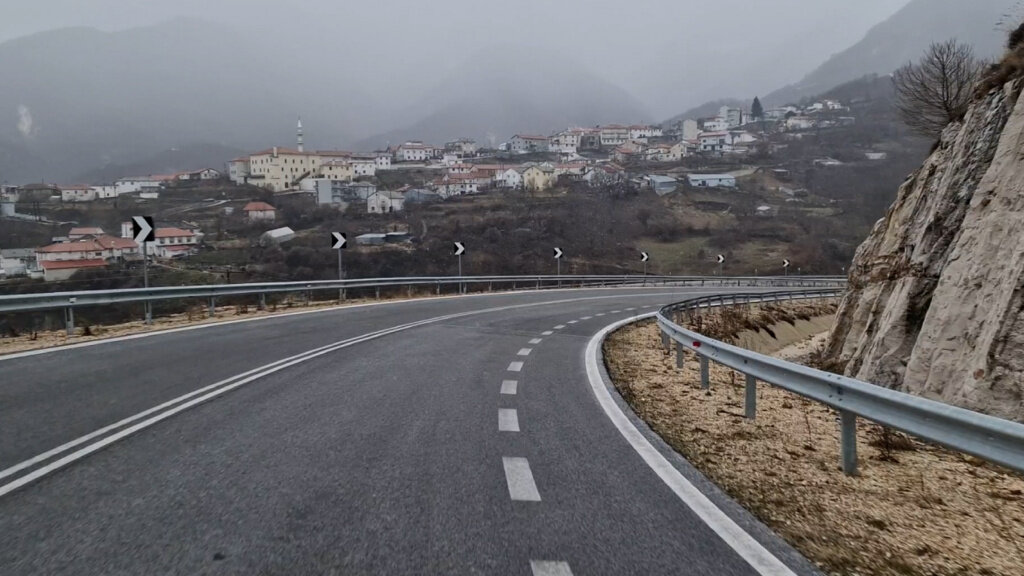
PHOTO BTA
Dimario, with its historical name Demirdzhik, is about a 10-minute drive from Bulgaria. The village is reached through 3 tunnels and 6 bridges along the new cross-border road built by Greece, which connects the two countries.
Although only 8 km from the border line, for more than 80 years the village remained inaccessible to Bulgarians living on the other side of the border. But the White Sea (Aegean) Pass has now been opened after years of waiting.
“I have acquaintances from Bulgaria in Rudozem and Smolyan,” says in Bulgarian Omer Kasim, who lives in Dimario. For local residents, the opening of the border is also a faster way to visit Bulgarian dentists, whose services are more affordable compared to those in Greece.
Kasim, however, expresses concerns about the introduction of the euro in Bulgaria. According to him, such a change leads to rising prices of services, as already happened in Greece when it switched from the drachma to the euro.
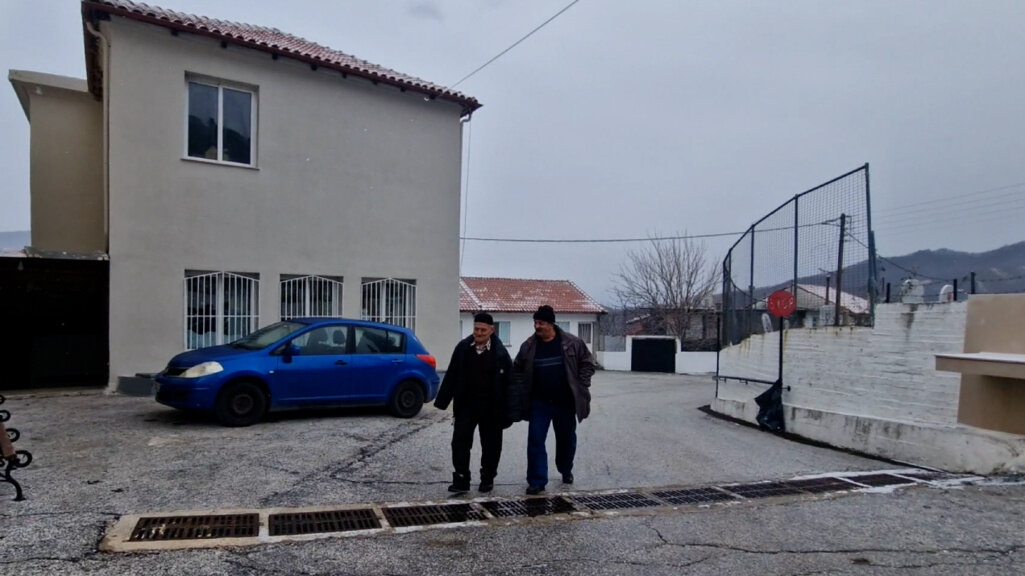
PHOTO BTA
The young surveyor Fatik, who took part in building the retaining walls along the route from the border to Dimario, also happily shares that even before the opening of the new road he had come to Bulgaria several times via the old dirt road. Most recently he was in Pamporovo with his children, where they went skiing.
As in the Bulgarian border villages in the Rhodopes, life in Dimario is not easy - there is almost no work and for many people opportunities are limited. About 300 people live in the village permanently, and in the summer the number increases to around 800. Some of the locals work in Xanthi, others are working abroad in Germany. There is a school and a kindergarten.
Edited by Ivo Ivanov
English version: R. Petkova
This publication was created by: Rositsa Petkova