


Monday 26 January 2026 14:34
Monday, 26 January 2026, 14:34
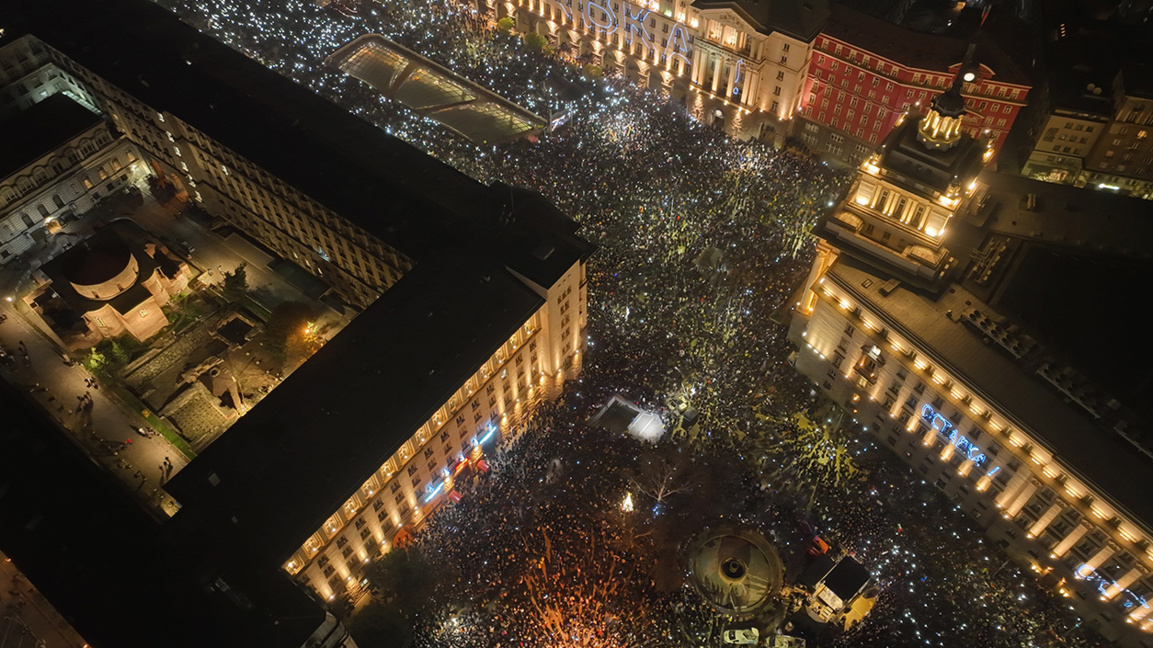
PHOTO BtA
Font size
According to data from the sociological agency Myara, Bulgaria’s social tension index, measured on a scale from 1 to 10, rose to 6.76 in the final quarter of 2025, up from 6.09 in the third quarter. This places the country firmly in a phase that researchers describe as one of “high tension, with risks that are difficult to control”.
The index is compiled jointly by Myara and the Centre for Analysis and Crisis Communications. Political disputes over the adoption of the state budget were the most significant drivers of tension during the period, triggering large-scale protests. While the subsequent resignation of the government helped to ease pressures somewhat, underlying risks remain.
A gradual rise in inflation has also weighed on public sentiment. Data from international anti-corruption organisations continue to place Bulgaria at the bottom of EU-wide rankings, while attempts by the authorities to reallocate public funds are seen as further aggravating factors.
There has been no notable change in the general crime rate per capita, although sociologists caution that this may partly reflect underreporting, particularly amid high levels of mistrust in law enforcement institutions.
Expectations among Bulgarians regarding both public and personal prosperity are increasingly marked by fear and uncertainty — a trend analysts say is likely to be linked, at least in part, to the anticipated effects of the transition from the lev to the euro.
Editor: Miglena Ivanova
Posted in English by E. Radkova
This publication was created by: Elizabeth Radkova