


Author
Gergana Mancheva
News
Bulgarian rose growers - battling climate change and unfair trade practices
Wednesday 28 January 2026 15:51
Wednesday, 28 January 2026, 15:51
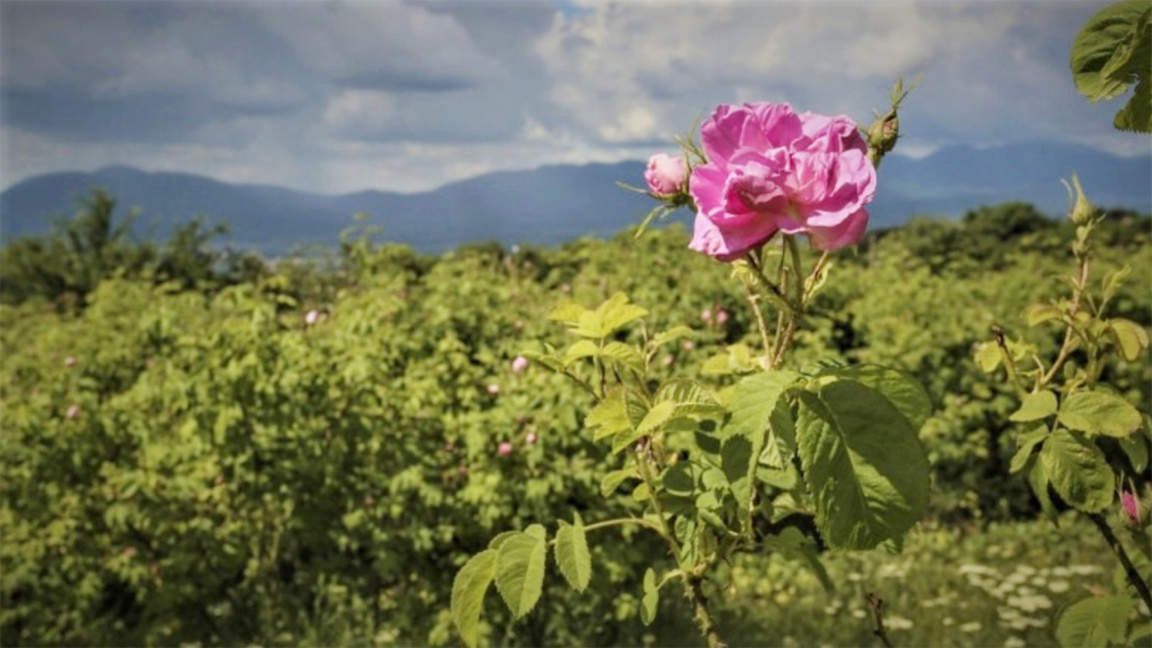
PHOTO agri.bg
Font size
The oil-bearing Rosa damascena is one of the symbols of Bulgaria. Rose oil, extracted for centuries from the country’s sunny flower gardens, has long been renowned as an exceptional product of the highest quality on global markets. However, during the prestigious Berlin exhibition “Green Week,” it became clear that the production of oil-bearing roses in Bulgaria shrank by half in 2025. The rose-growing sector has not experienced such a bad year for at least the past 30 years.
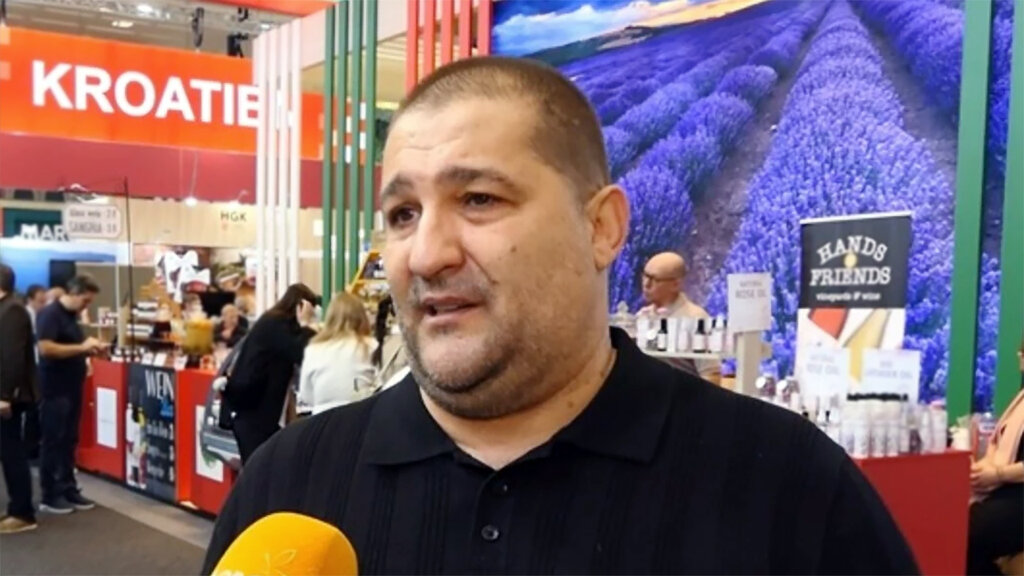
Climate change is affecting Bulgarian rose growers on a massive scale, warns Petar Simeonov, Chairman of the Professional Association of Rose Growers, in an interview with Veselina Milanova.
“The past year was the most difficult. The warm and mild winter followed by a cold spring led to more than 50% of the plantations freezing,” says Petar Simeonov, who owns rose gardens and produces organic cosmetics with his own essential substances.
Petar Simeonov
PHOTO agrotv.bg
“We see no salvation from this, but yields could be increased if there were water available for irrigation. Securing water through drilling has proven to be a difficult task for rose growers - more than half of the sector cultivates roses in mountainous areas, while the rest are in semi-mountainous regions, and drilling is done at depths of over 100 meters. This is a huge investment for every rose grower. The state does provide support - we should not complain - but something must be done about irrigation. And not only for rose growing; we must also include the vegetable and fruit sectors, because this is what we lack on the market. When there is frost damage, like last year’s, we need water in order to restore the lost plantations 100%. At present, only 1% of rose fields have an irrigation system. There is no way a rose grower with plantations of 50 to 100 decares can afford an investment of €150,000 for irrigation. Yet this would increase rose yields by 40 to 50% in the following year.”
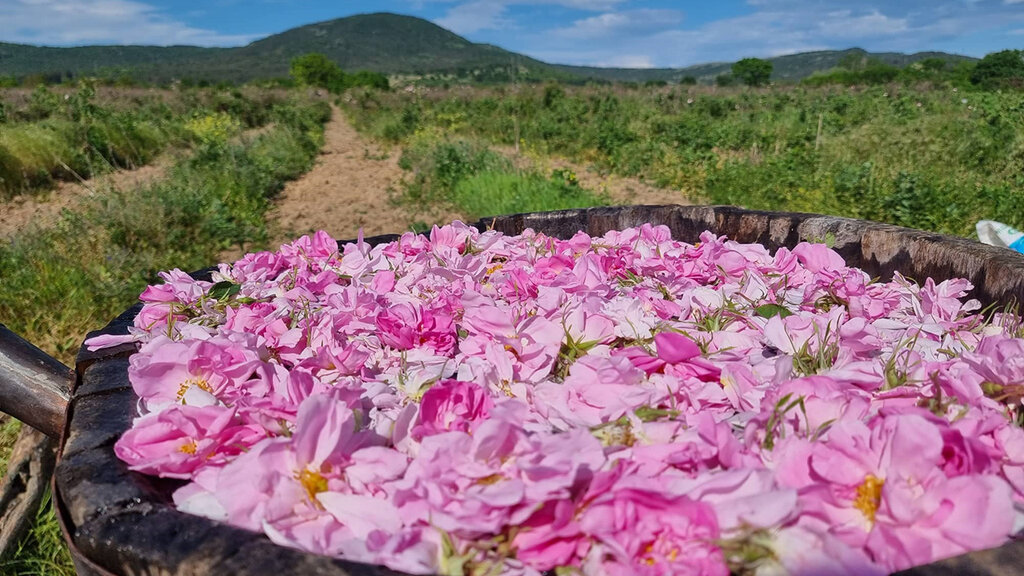
PHOTO BTA
According to the latest data from the Professional Association, around 60,000 decares of roses are cultivated in Bulgaria, with a maximum of 30,000 tonnes of rose blossoms harvested from them. Total production last year amounted to about 6,000 tonnes. By comparison, between 2018 and 2020, some 20,000 tonnes were harvested from the same areas. In 2024, production was a little over 10,000 tonnes. With each passing year, however, output from Bulgarian roses continues to decline.
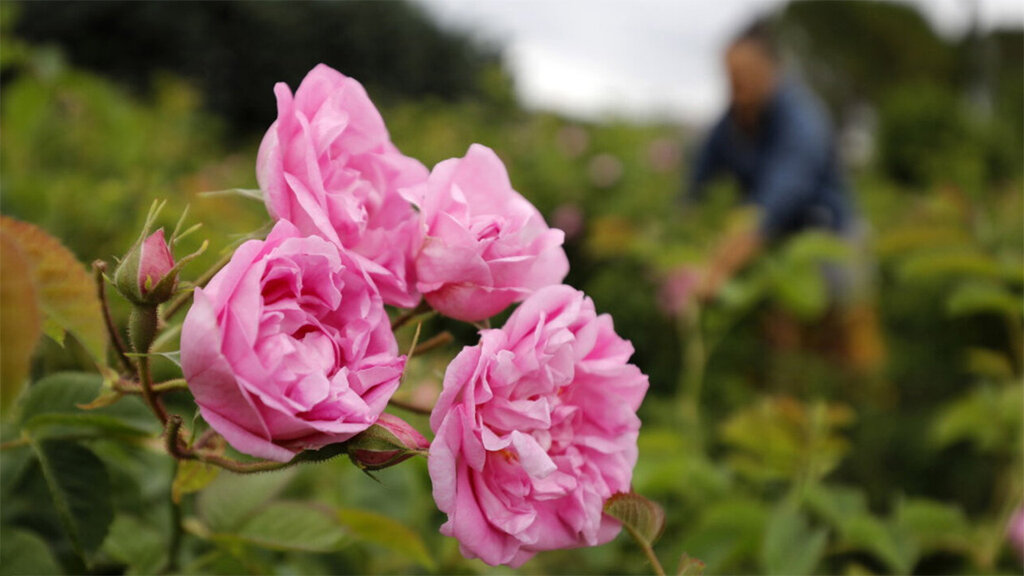
PHOTO EPA/BGNES
“Large areas of rose fields have already been abandoned, and according to our data, just in the past year perhaps 30-40% of established rose plantations are no longer being cultivated,” Petar Simeonov points out, adding further obstacles facing the sector related to unfair competition:
“Many colleagues are also concerned about competition, as there is significant import of foreign rose oil into Bulgaria - and not small quantities - mainly from Azerbaijan and Turkey. We are also worried about the export of seedlings - a trend that continues to countries outside the EU. In this way, rose growing is being exported beyond Bulgaria’s territory. For example, Azerbaijan does not have the same strict requirements as the EU regarding fertilizers and plant protection products. In addition, labour here costs ten times more than that of a rose picker in Azerbaijan. In the end, they enter the market with a much lower production cost for rose oil than ours.”
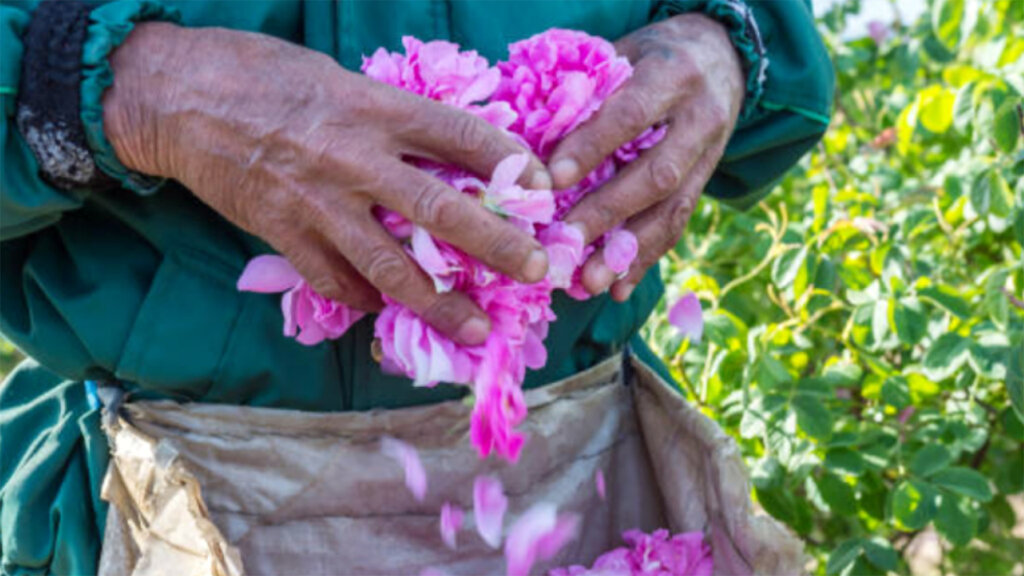
PHOTO agri.bg
There are companies that export Bulgarian seedlings to Azerbaijan purely for profit, but then the oil produced there is imported back into Bulgaria as Azerbaijani rose oil - this is the suspicion voiced by rose growers, according to the chairman of the professional association. The problem is that there is no traceability of this product - where the imported oil goes, what it is used in, and what product ultimately comes out of it; whether it bears the label “made in Bulgaria,” or whether it is labelled as Azerbaijani or Turkish production.
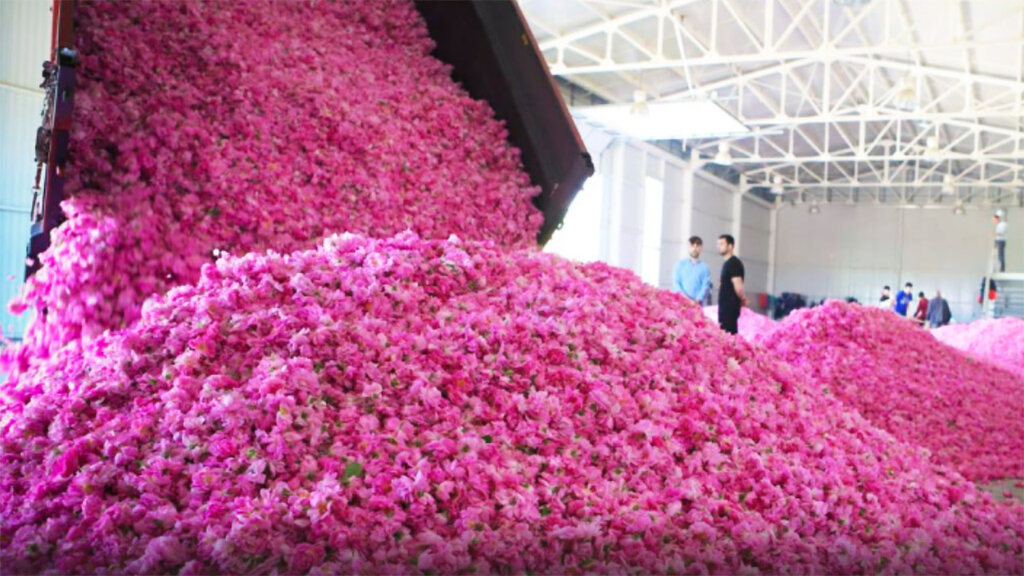
PHOTO agri.bg
As for other local problems - related to the lack of manpower, investments in fertilizers and plant protection products, and access to participation in specialized exhibitions - they remain outside the scope of today’s discussion. And hopefully, one day, if the abandoned areas with this beautiful symbol of Bulgaria are restored, it will be time to talk about the smaller and more local problems of Bulgarian rose growing as well.
Read also:
Bulgarian rose oil - high price around the world and underpaid manual labor at home
Rose Festival brings together in the Rose Valley guests from Bulgaria and abroad
Karlovo welcomes thousands for Rose Festival
English version: R. Petkova
This publication was created by: Rositsa Petkova