


News
Bulgarians now pay only in euros – what did we spend our last levs on?
Monday 2 February 2026 14:10
Monday, 2 February 2026, 14:10
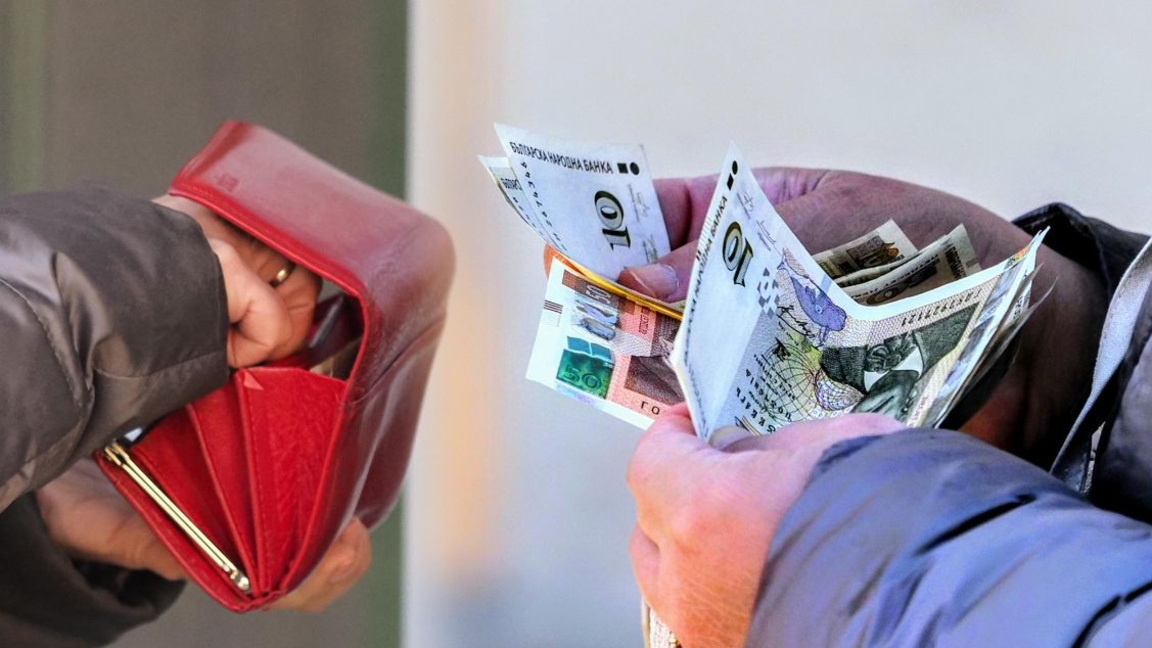
PHOTO BGNES
Font size
From 1 February 2026, the euro is the sole legal tender in Bulgaria. Although around a quarter of all levs are still in circulation, there is no need for people to worry about losing their money.
Until 30 June 2026, banknotes and coins can be exchanged free of charge from levs into euros at commercial bank branches, as well as at branches of Bulgarian Posts EAD in towns and villages without bank offices. From 1 July 2026, credit institutions and the state-owned postal operator Bulgarian Posts will be allowed to charge a fee for this service.
However, the Bulgarian National Bank will continue to provide free conversion from levs into euros, with no time limit and no restriction on the amount of banknotes and coins that can be exchanged, at the official exchange rate:
1 euro = 1.95583 levs.
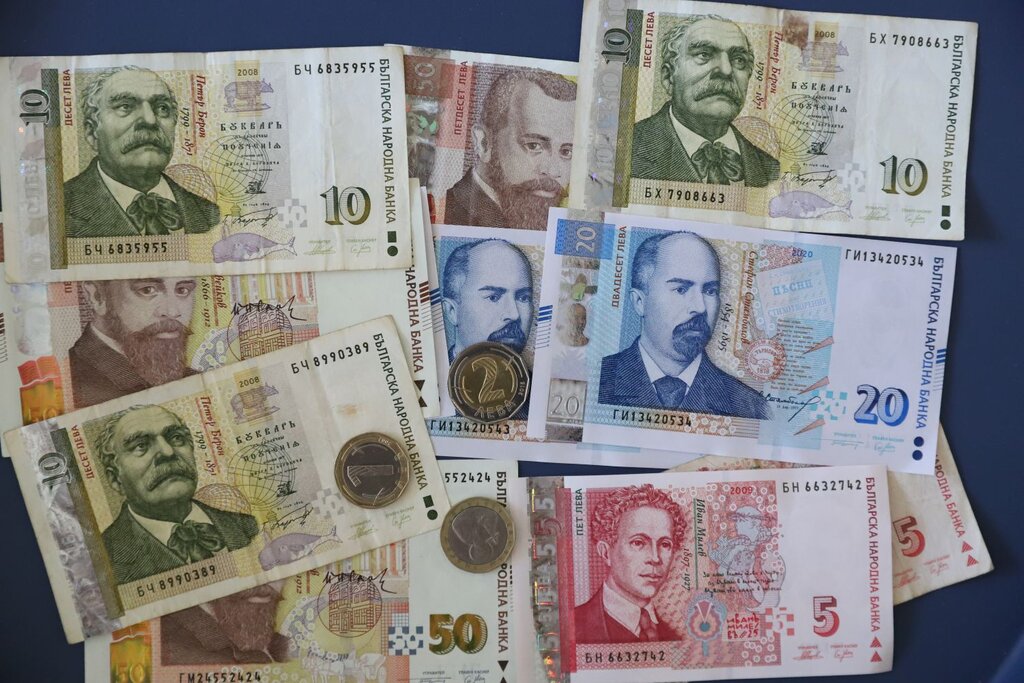
PHOTO Ani Petrova, BNR
To help consumers compare prices, goods and services will continue to be displayed in both levs and euros until 8 August. The total amount paid by the customer must be shown in both currencies on the fiscal receipt.
Although intended to ease the transition, dual price labelling has often caused initial confusion among consumers. Many people disposed of their remaining levs early in the year and now transact exclusively in euros. According to a survey by Ayshe Lyatif in the north-eastern town of Shumen, others have kept a small number of banknotes or coins as mementoes.
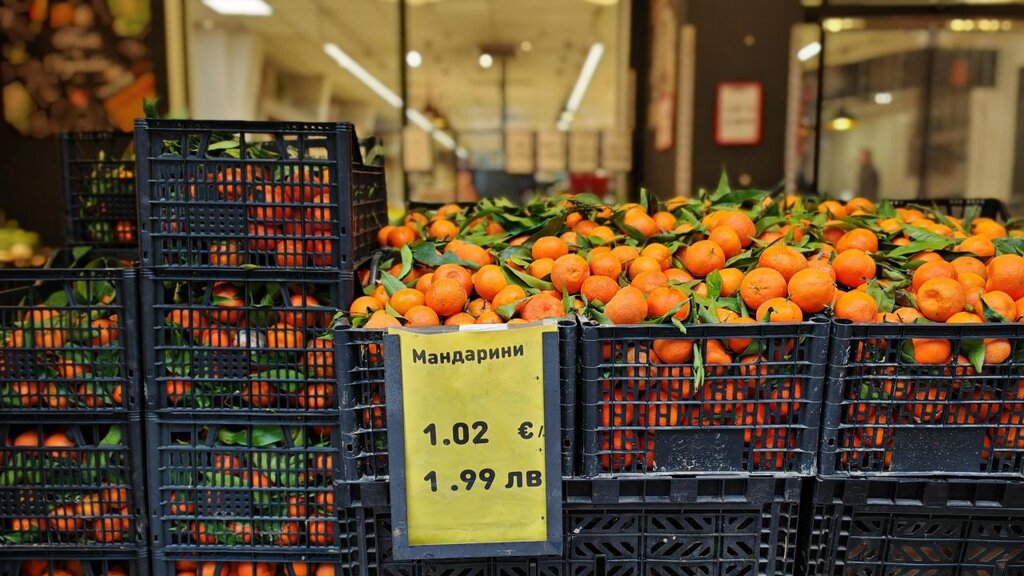
PHOTO BGNES
"I no longer have any Bulgarian levs. 'A week or so after the euro was introduced, I spent them all. Now, I only use euros,' says one of the interviewees. Like most respondents, she used her last levs to buy food and pay her electricity, heating and other household bills. However, some people still keep a few banknotes or coins in their wallets.
"I still have some levs," says an elderly man. 'The amount is too small to invest in anything. I’m old, and I’ve only ever used this money — and thanks to it, I’ve got where I am today.'
After a month of dual circulation, the Bulgarian lev has now passed into history, along with the portraits of prominent historical figures that graced our wallets for decades: Petar Beron, Aleko Konstantinov, Stefan Stambolov and Pencho Slaveykov. These faces were part of daily life, printed on the banknotes we handled every day.
Before Ayshe Lyatif, the citizens of Shumen shared their final stories of the lev — the last purchases, the last memories, and how they spent their final notes and coins. Each farewell is personal, yet there is a shared sense that a significant chapter of life spanning decades has come to an end.

PHOTO BGNES
“I bought a handbag and trainers with my last 200 leva. I’ll probably remember the Bulgarian lev with a touch of nostalgia while I’m wearing them,' says a middle-aged woman.
In the end, the final levs were spent on books, home repairs, medicines, electricity bills, donations to charity — and much more, marking both the practical and sentimental close of a long-standing currency.
"I spent my last levs on 31 December to pay some bills, and we started the new year with only euros," says one resident of Shumen. Another man adds: 'We kept a few coins to show the younger generation what they were like and give them an idea of what they were used for. But I was struck by how beautifully designed the new Bulgarian euro coins are.'

PHOTO BGNES
Many Bulgarians have kept a single lev coin or a few small coins as a memento. Others have taken a more modern approach, photographing their banknotes, while some have created entire collections to pass down to their children or grandchildren.
'I’ve kept all the banknotes — 100 leva, 50 leva, 20 leva, 10 leva and 5 leva — as well as the coins, as a keepsake,' says the last participant in Ayshe Lyatif’s BNR Shumen survey.
Posted in English by E. Radkova
This publication was created by: Elizabeth Radkova