


Author
Yoan Kolev
News
Defibrillators in public places – chance to save lives
The definition of first aid remains outside the changes to the Health Act
Wednesday 4 February 2026 16:43
Wednesday, 4 February 2026, 16:43
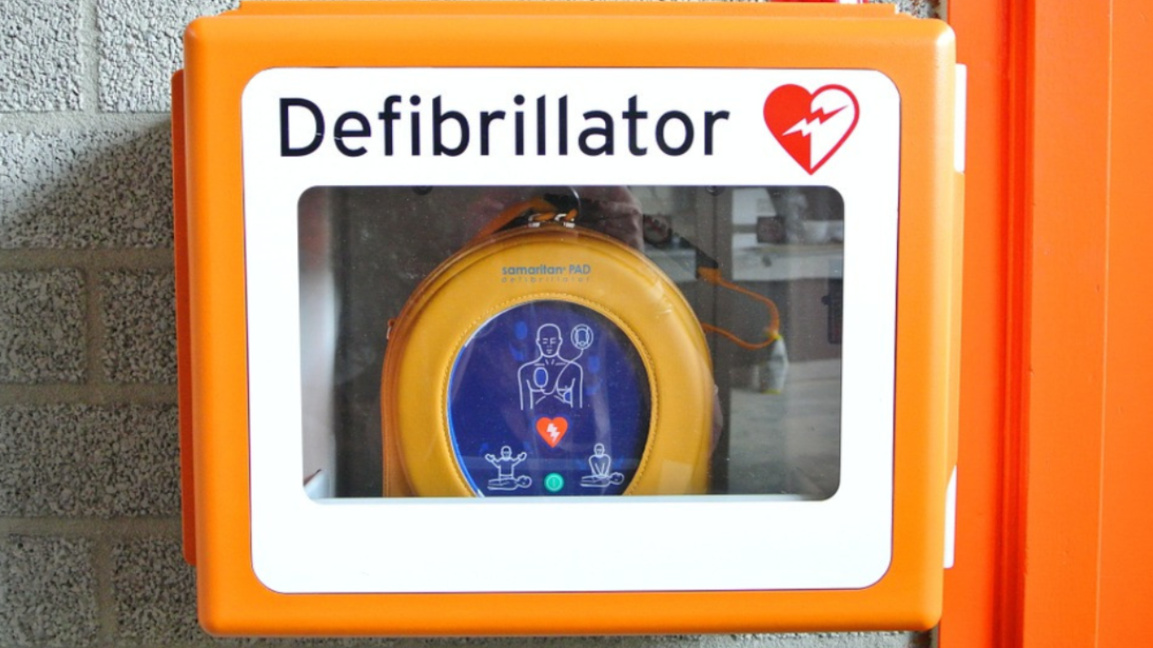
PHOTO library
Font size
Adopted amendments to the Health Act allow the placement of defibrillators in public places and their use in the event of an incident requiring first aid. This important step on the path to a safer environment and care for public health was made at the proposal of two members of parliament – Dr. Kostadin Angelov from GERB and Dr. Alexander Simidchiev from PP-DB, and received support from all parties in the plenary hall. Bulgaria lagged behind other EU countries, most of which have such regulations. That is how the possibility of saving people was hindered, Dr. Alexander Simidchiev told Radio Bulgaria and added:
Dr. Simidchiev
PHOTO Facebook/Alexander Simidchiev
"Automatic external defibrillators are a means of assisting in
cases of sudden cardiac arrest, when it is due to the so-called
ventricular fibrillation. 50% of people who fall into such a state
can be saved, but only if this is done in the first ten minutes, as
for every minute without blood supply a person loses 10% of the
chances of being saved."
This entire protocol
of actions is part of the so-called first aid, which is more often provided by people who are not
medical professionals, until the arrival of
the medical team. It usually includes external cardiac massage
and ventilation, but in the case of a heart rhythm disorder and
ventricular fibrillation that causes the heart to stop working,
defibrillation is required.
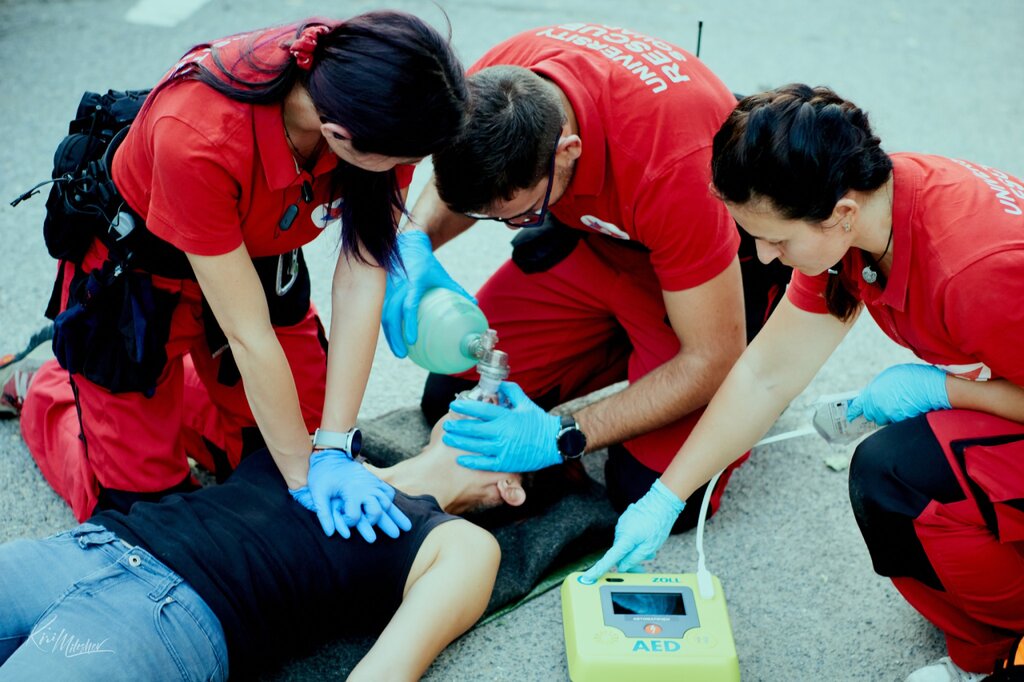
PHOTO University Rescue Squad
"Two electrodes are placed on the chest, as they assess whether
this condition is present or not and are activated only in cases
where such a condition is present. Pictures indicate how and where to
place them on the chest. The devices speak in Bulgarian in a calm
voice and explain what needs to be done and some of them even have an
acoustic metronome that shows at what frequency we should do the
indirect cardiac massage," the doctor says.
It is important
for people not to be afraid to use such devices, which can happen
after a large-scale information campaign. The MP assures that the
devices are licensed for use by untrained people and that the risks
of their use are reduced to 0%. Therefore, people can use them
without fear that in the event of a fatal outcome, someone may hold
them liable for improper first aid.
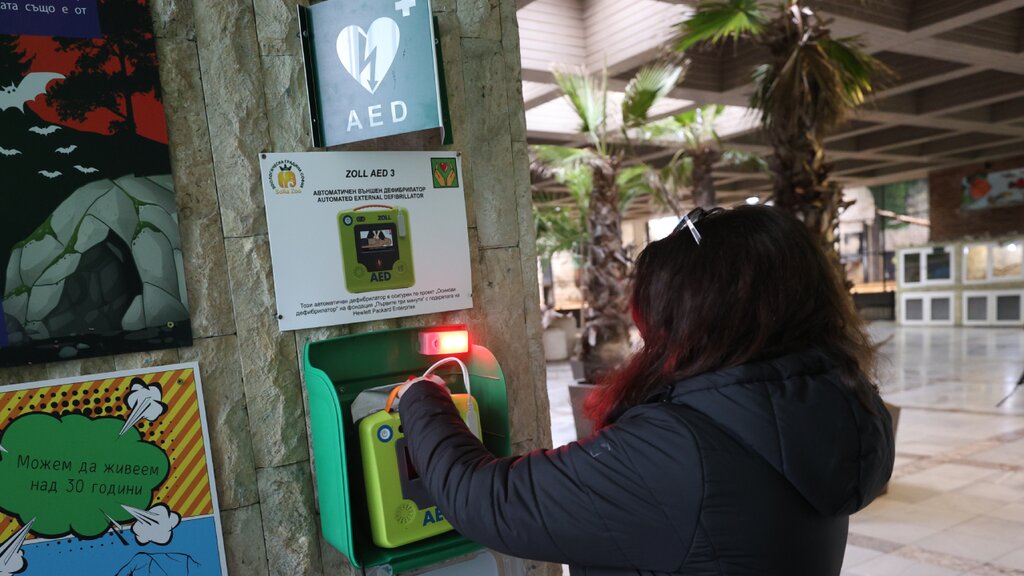
PHOTO BTA
The places where the devices will be located will be determined by an
ordinance of the Minister of Health. These are usually in locations
where many people gather. This will allow for the uniform placement
of defibrillators across Bulgaria.
According to Dr.
Simidchiev, this list of places should include metro stations and
also stadiums, as many people gather there and there have been cases
of athletes falling into ventricular fibrillation when the presence of
such a device is life-saving. The placement of defibrillators at the
entrances to the National Assembly is also a personal initiative of
the MP.
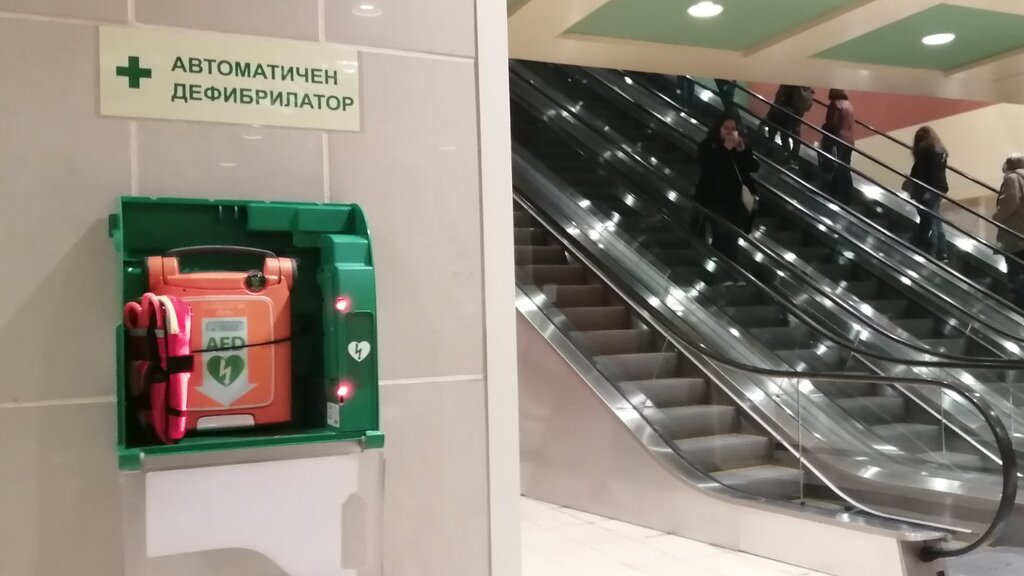
PHOTO Sofia Municipality
"When there is a mass gathering of people, such a case can occur
and if there is no device nearby, they cannot be helped. We had such
an incident a few months ago, when a policeman died during a protest.
If we had such a device then, the chance of him being saved was 50%."
One of the goals of
the draft bill proposed by Dr. Simidchiev and Dr. Angelov was to
define the concept of first aid and to distinguish it from emergency
care. The key difference is that first aid is provided in emergency
conditions, but by untrained people and it must be very limited in
scale so as not to cause harm, Dr. Simidchiev says.
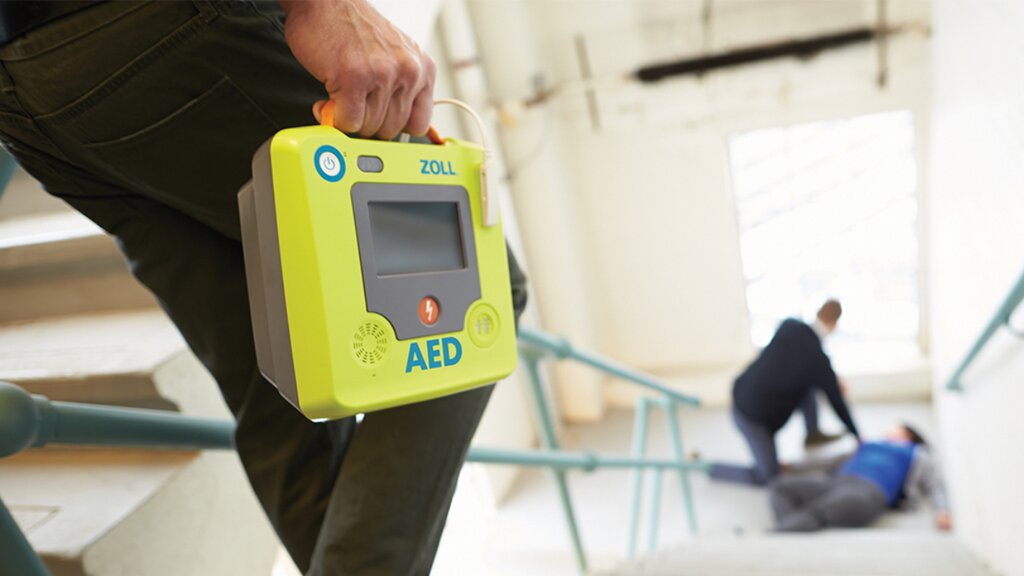
PHOTO aed-bg.com
The Bulgarian Red Cross is the organization that systematically conducts first aid training. According to Dr. Simidchiev, first aid training can also be conducted at school during health classes, which could be introduced into the students' program.
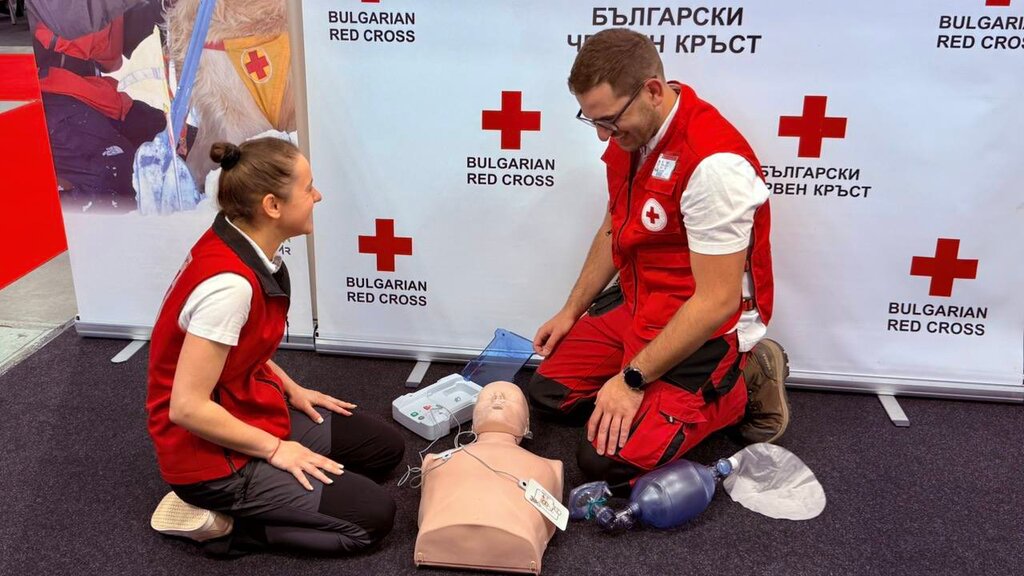
PHOTO BRC
"We have always proposed that there should be such classes, but the program of the Ministry of Education is quite heavy and in order to include something new, something old must be dropped and this is a problem... However, perhaps the biggest thing we can do for public health is to unite it with education, because all problems related to nutrition, sports and the prevention of harmful habits can be solved in the educational, not in the healthcare system," the MP says.
This publication was created by: Alexander Markov