


Author
Diana Tsankova
News
Bulgarians, Albanians and Gagauz live in harmony in Karakurt, Ukraine
Sunday 8 February 2026 10:15
Sunday, 8 February 2026, 10:15
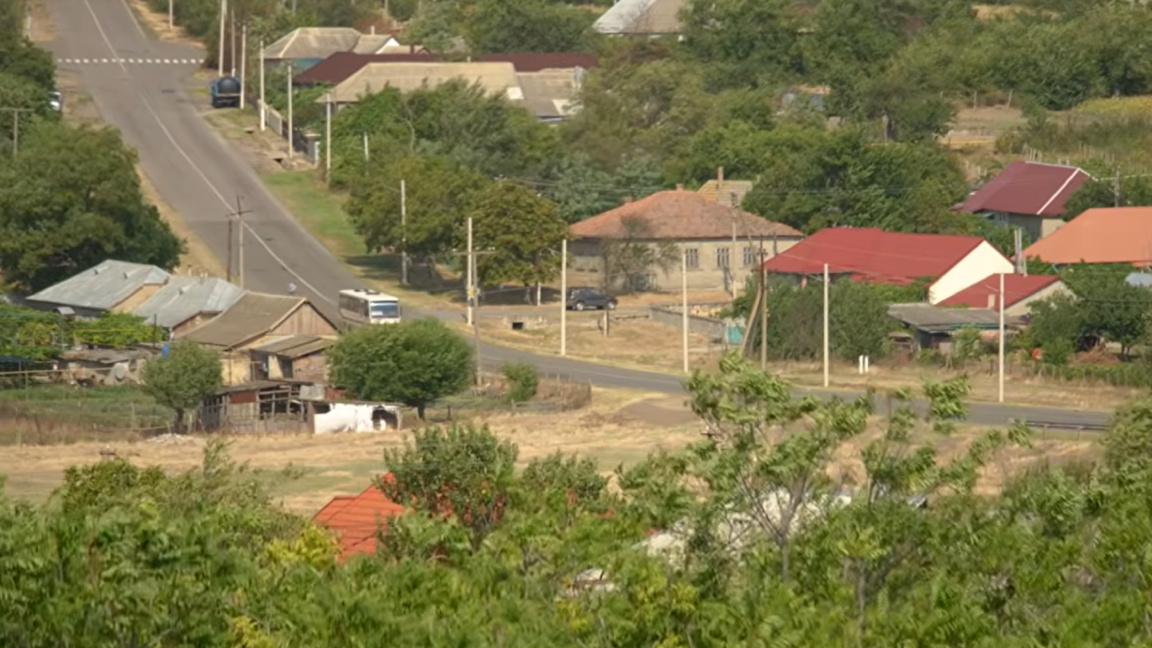
PHOTO Still from the documentary “The Village of Karakurt (Zhovtneve) in Bessarabia (Ukraine)” / YouTube
Font size
Under the shade of a venerable tree, somewhere in the steppes of Bessarabia, a few villagers are chatting with one another. In the village yard, speech floats warm and soft like a breeze from a time long past, when settlers from the Bulgarian lands brought their language, traditions, and memories, leaving behind a lasting heritage. We are in the village of Karakurt, formerly Zhovtneve, in Ukraine’s Odesa region.
“My native village is unique because it is home to people of different nationalities — Albanians, Bulgarians, and Gagauz. They settled here in 1811. Initially, the Gagauz lived on Zarechnaya Street, the Bulgarians lived on the second street, and the Albanians on the upper streets. At first, they did not marry outside their communities, but over the years, mixed marriages began to emerge”, says Anna Zhecheva-Zubrytska, immersing us in the atmosphere of a place where the houses are neat, the streets clean, and every little sprig of greenery — like the people themselves — lies untouched under the sun.
In her documentary, shown in the “Winter Garden” hall of the National Ethnographic Museum in Sofia, the author explores the diversity of nationalities and the peaceful coexistence of the villagers, as well as their ability to communicate in multiple languages. She herself preserves the memory of the past, woven into the collective history of Karakurt.
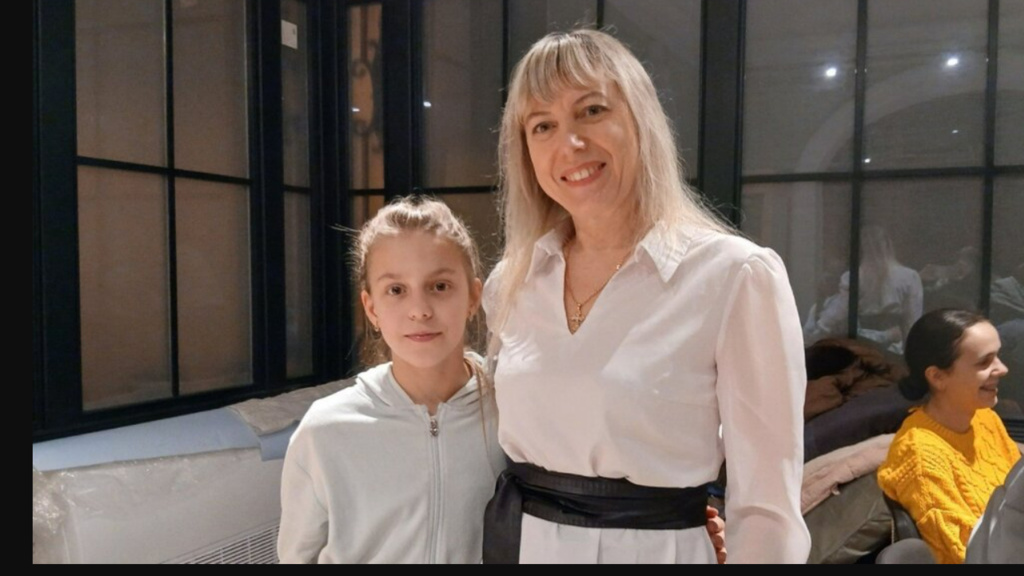
Anna Zhecheva-Zubrytska,
PHOTO Diana Tsankova
More than 200 years ago, two brothers and a sister from the Zhechev family left their native village in the Sliven district (Southeastern Bulgaria)”, recalls Anna Zhecheva. “They were young and unmarried — the boys were 18 and 16, and the girl was eleven. Their parents sent them to a distant land to save their lives and to continue the family line. In my family and in our village, Bulgarians often left their homeland to settle in places with empty lands, where they had the opportunity to build a home — to build their own houses and raise their children.”
Bulgarians, Albanians and Gagauz settled in Karakurt from various parts of Bulgaria — mainly from Dobruja, as well as the Sliven and Yambol regions. At that time, each community spoke its own language, practiced the Orthodox Christian faith, and observed their own traditions and customs. Over the years, as intermarriage began, holidays, traditions, and customs gradually intertwined. To communicate with one another, they learned each other’s languages and they continue to speak them all to this day.
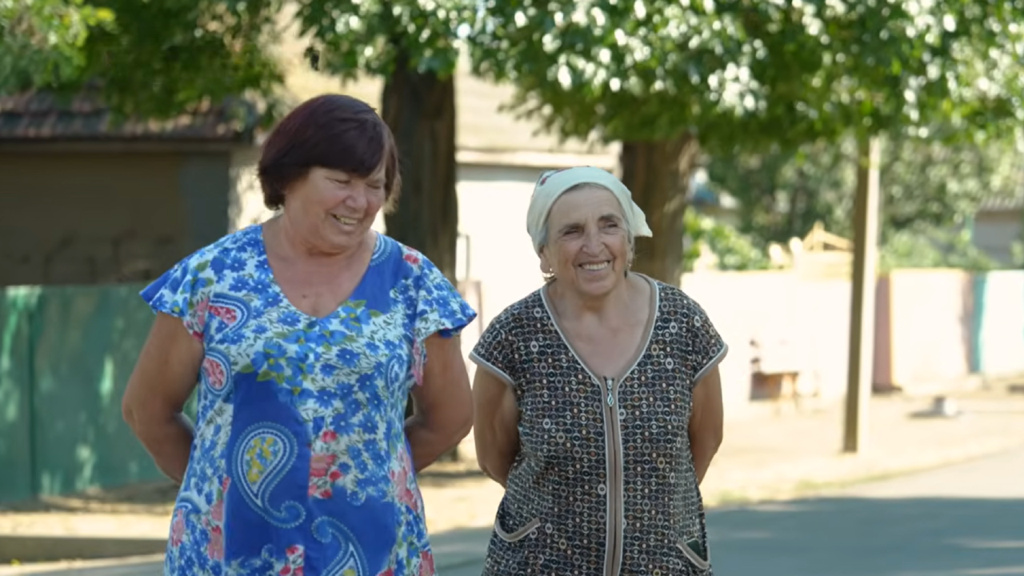
PHOTO Utube
“In the film, I wanted to show how Bulgarians, Gagauz and Albanians can live together in one family, communicate in all three languages, observe all three cultures, and enjoy each other’s company” – continues Anna Zhecheva. – When they sit at the same table and share stories, the family switches from one language to another, and no one even notices because everyone understands. It’s the same with the neighbors, who speak to each other out on the street — in recent years, even in Ukrainian and Russian. It’s a remarkable phenomenon.”
Today, around 2,300 people officially live in Karakurt. Unfortunately, half of them are no longer in the village — they have left because of the war that has been devastating their country for the past four years. Many, mostly young people, are now building new lives in Bulgaria. Those who remain live together in harmony, sharing the same land and a common destiny. They make their living mainly through farming, animal husbandry, and construction, and during holidays, everyone gathers around the table to celebrate together.
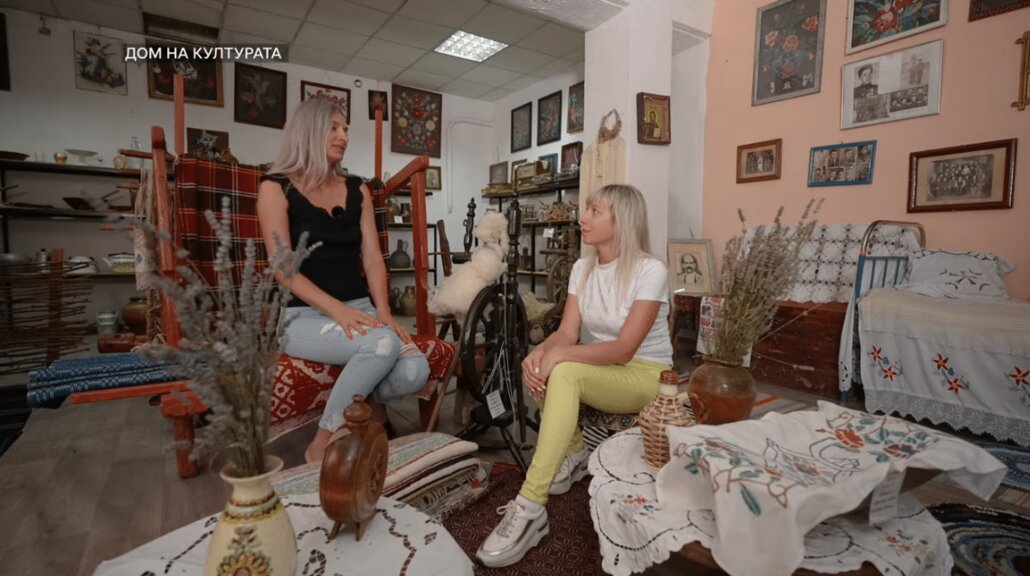
PHOTO besarabia.bg
One of the symbols of Karakurt is the so-called Museum Room, where the exhibits transport visitors back in time. "This room is the heart and soul of our village", says Anna Zhelescheva, director of the House of Culture and one of the characters in the film. There, people often gather to dance the horo chain dance, regardless of whether they are Bulgarians, Albanians, or Gagauz.
"Two hundred years ago, our ancestors came here, to this land, and made it flourishing and beautiful"- adds Anna Zhelezcheva. - And now our children go to Bulgaria, where they study, start new Bulgarian families, and settle there."
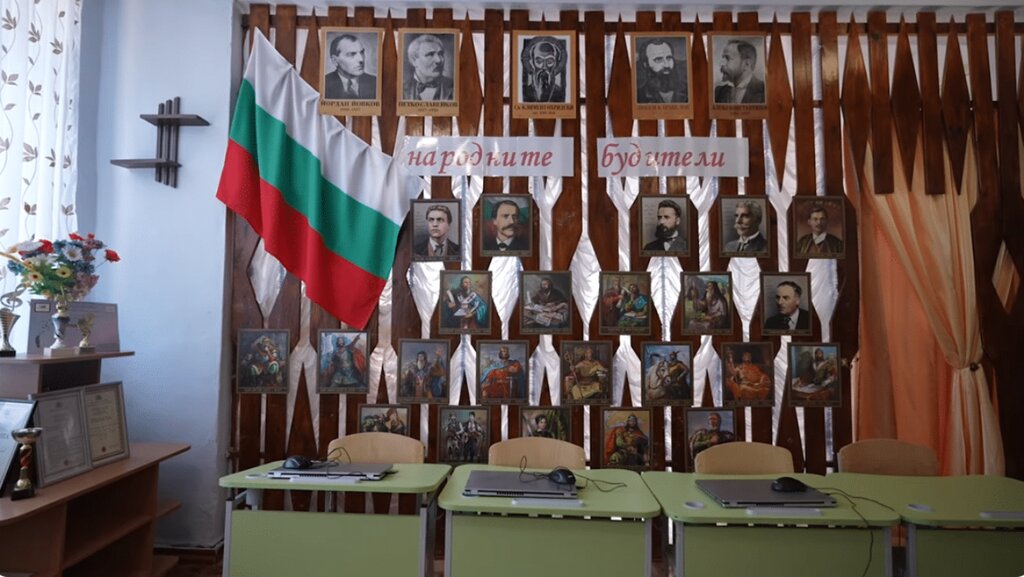
PHOTO besarabia.bg
The village of Karakurt is also home to the Bulgarian-Ukrainian Cultural and Educational Center “Media”, founded by ethnic Bulgarians, descendants of the settlers who once left their homeland. It runs a network of Sunday schools staffed by a total of 92 teachers who graduated from the leading universities in Bulgaria, Ukraine, and Moldova.
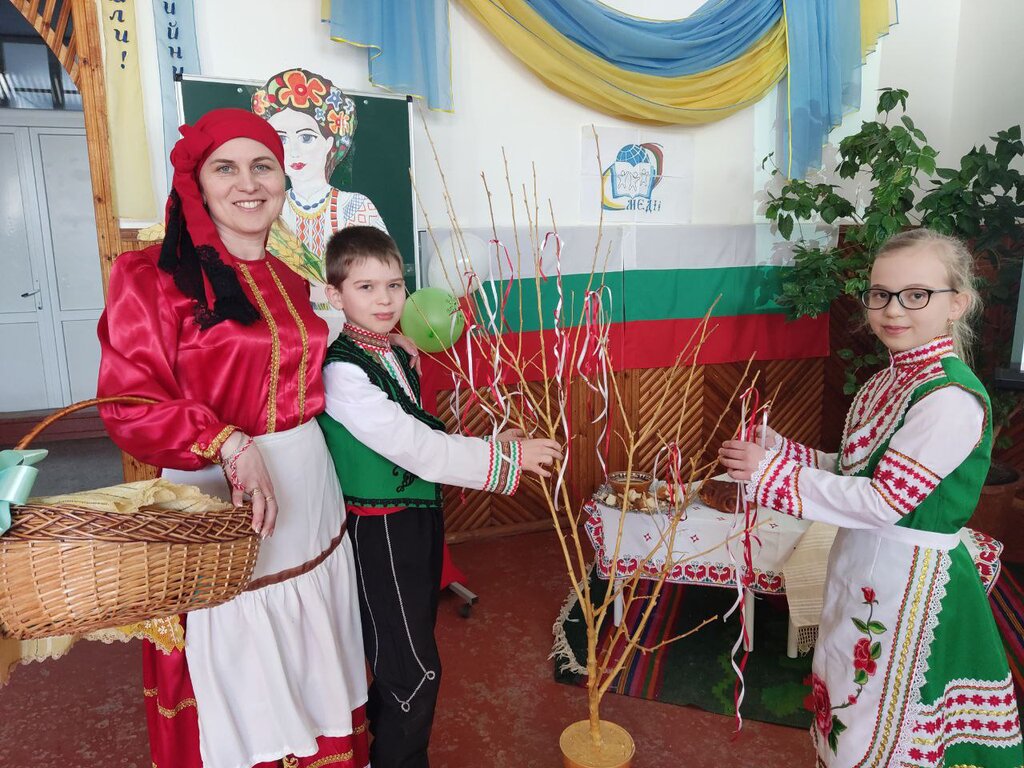
PHOTO Bulgarian-Ukrainian Cultural and Educational Center “Media”
Young people also participate in dance and vocal groups, as well as art studios. Each year, they attend training seminars in Bulgaria and win awards in various international competitions, Olympiads and festivals.
Both young and old live together in peace and harmony, proudly sharing that, even though they are descendants of three different peoples, they remain united and uphold a strong sense of togetherness.
Translated by Kostadin Atanasov
This publication was created by: Kostadin Atanasov