


Author
Tsvetana Toncheva
Sunday 8 February 2026 11:15
Sunday, 8 February 2026, 11:15
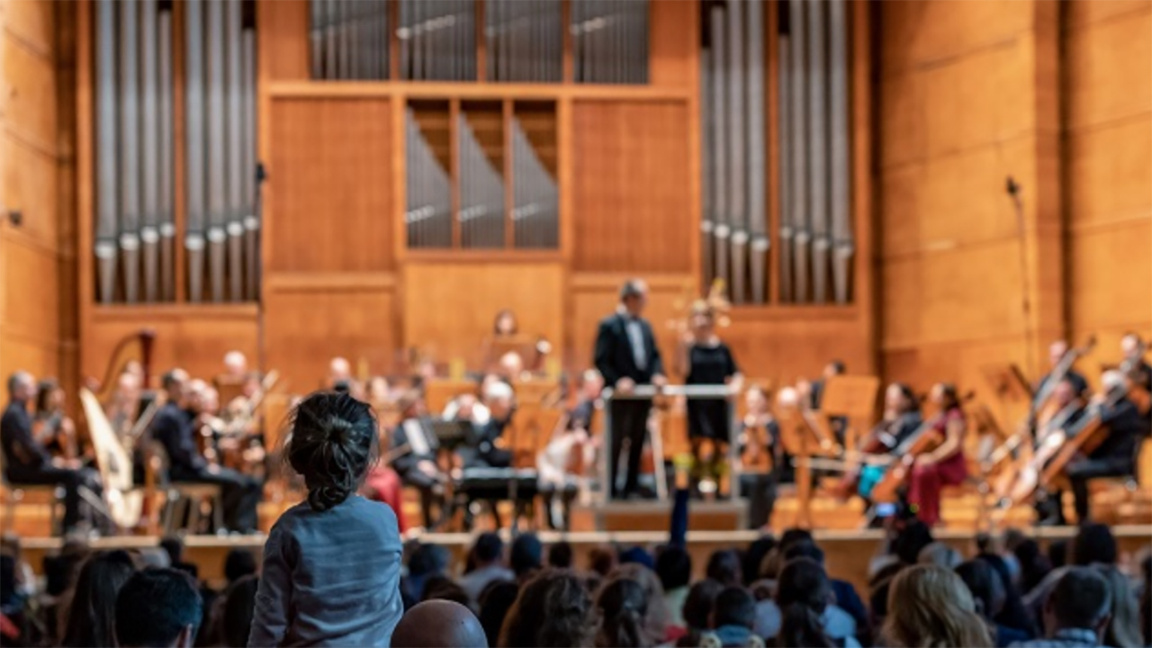
PHOTO Sofia Philharmonic Orchestra
Font size
Fortissimo, a music education initiative, was launched in 2011 by conductor Maxim Eshkenazi, with support from the America for Bulgaria Foundation. It encompasses several projects, including Fortissimo Familia, Fortissimo Fest, and Fortissimo in the Classroom. Since 2018, Fortissimo Familia has been part of the Sofia Philharmonic’s regular programme.
In early 2016, the organisers launched a concert series for adults called Fortissimo Academy. This initiative is aimed at 'grown-up classical music enthusiasts' — both those who are new to the genre and those who want to learn more about composers and works that are now considered classical.
Writer Alexander Chobanov serves as programme director and scriptwriter for Fortissimo Academy. He is the author of several short story collections, three novels and screenplays for films and popular television series, including Undercover, Fourth Power, The Tree of Life, The Mothers and Devil's Throat.
Days before the first event of the new Fortissimo Academy season — a concert featuring pianist Ivan Yankov with the Sofia Philharmonic dedicated to Sergei Rachmaninoff — Chobanov reflected on his long involvement with the programme. “I have been the dramaturg for Fortissimo from the very beginning,” he said. Eventually, I became director, and when Maestro Nayden Todorov welcomed us into the Sofia Philharmonic, I continued my work there as well.'
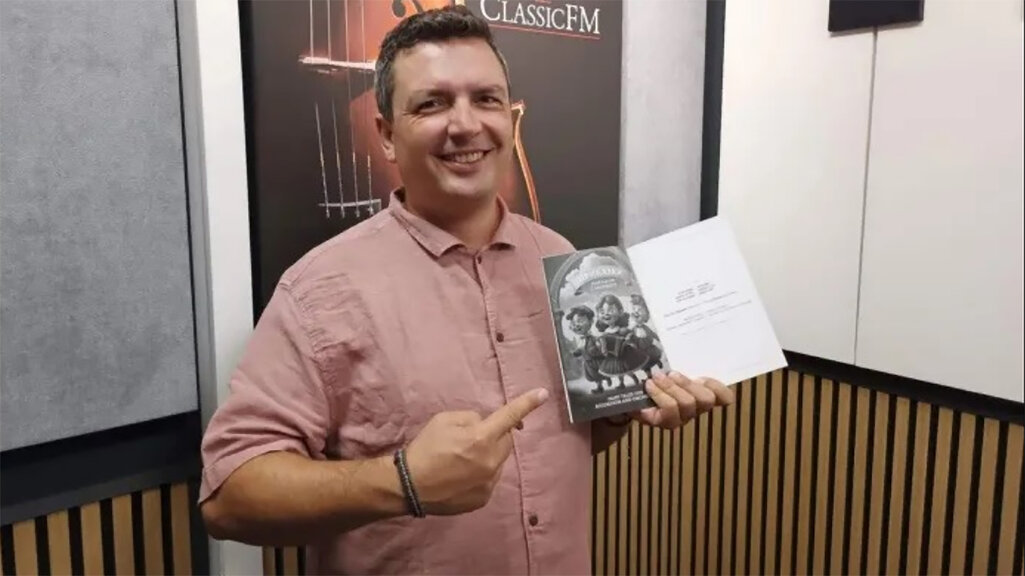
Alexander Chobanov
PHOTO Facebook/FortissimoFamily
Writer Alexander Chobanov serves as programme director and scriptwriter for Fortissimo Academy. He is the author of several short story collections, three novels and screenplays for films and popular television series, including Undercover, Fourth Power, The Tree of Life, The Mothers and Devil's Throat.
Days before the first event of the new Fortissimo Academy season — a concert featuring pianist Ivan Yankov with the Sofia Philharmonic dedicated to Sergei Rachmaninoff — Chobanov reflected on his long involvement with the programme. “I have been the dramaturg for Fortissimo from the very beginning,” he said. Eventually, I became director, and when Maestro Nayden Todorov welcomed us into the Sofia Philharmonic, I continued my work there as well.'
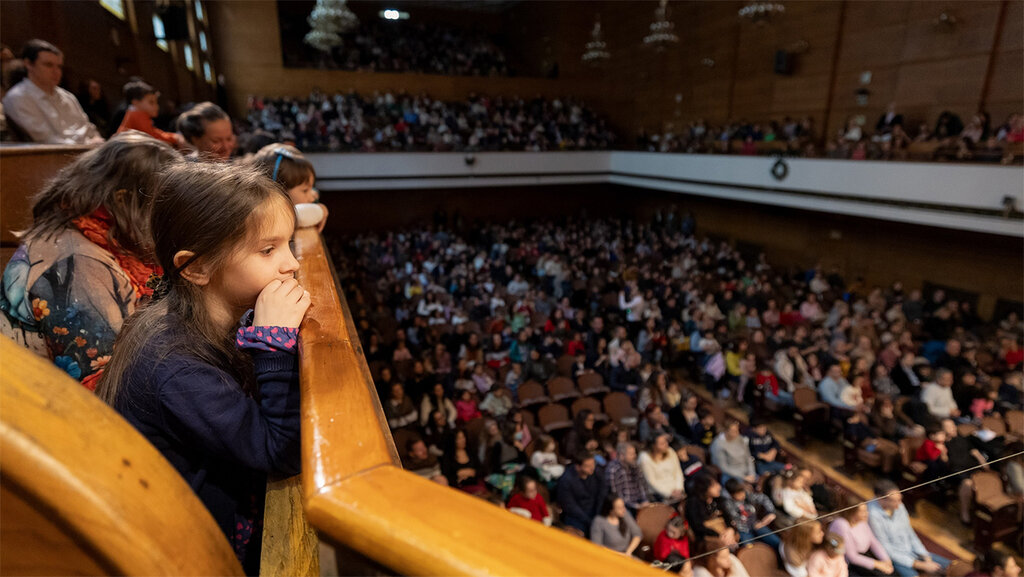
PHOTO Facebook/FortissimoFamily
Maxim Eshkenazi’s original idea was for children’s classical music events to have a strong theatrical dimension — with scripts, actors in costume, puppets and ballet dancers. Alexander Chobanov’s first dramaturgical task was to work on a concert aimed at teenagers. It sounded challenging but, as the writer puts it, “it turned out that I’m actually very comfortable with classical music”.
“I come from a musical family,” he says. “My grandfather was a conductor and my father is a pianist. I was brought up with a love of classical music.” As a child, Alexander played the violin and later the saxophone. “So it turned out I was in my element,” he adds. “My grandfather used to teach me the whole history of classical music over dinner — it was always on the agenda.”
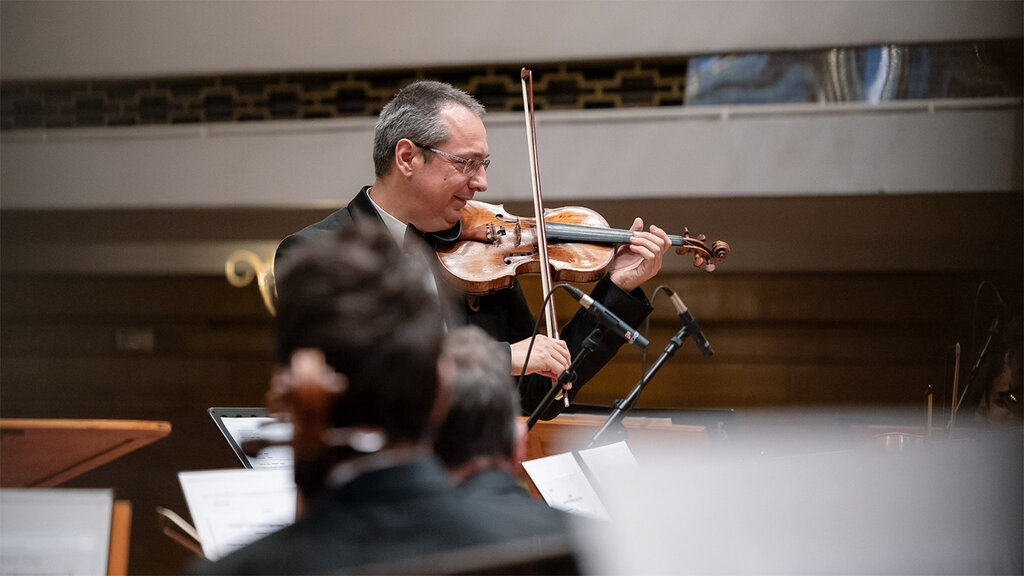
Pavel Zlatarov
PHOTO Facebook/FortissimoFamily
The composers and works featured in the programme are selected in collaboration with the renowned violinist Pavel Zlatarov, concertmaster of the Sofia Philharmonic and musical director of Fortissimo. Ideas from the Philharmonic’s director, Nayden Todorov, are also warmly welcomed.
Over the past decade, the project has presented a wide-ranging repertoire of works by some of the most popular classical composers. How does Fortissimo’s dramaturg assess the programme’s development over the years, and what attracts new audiences?
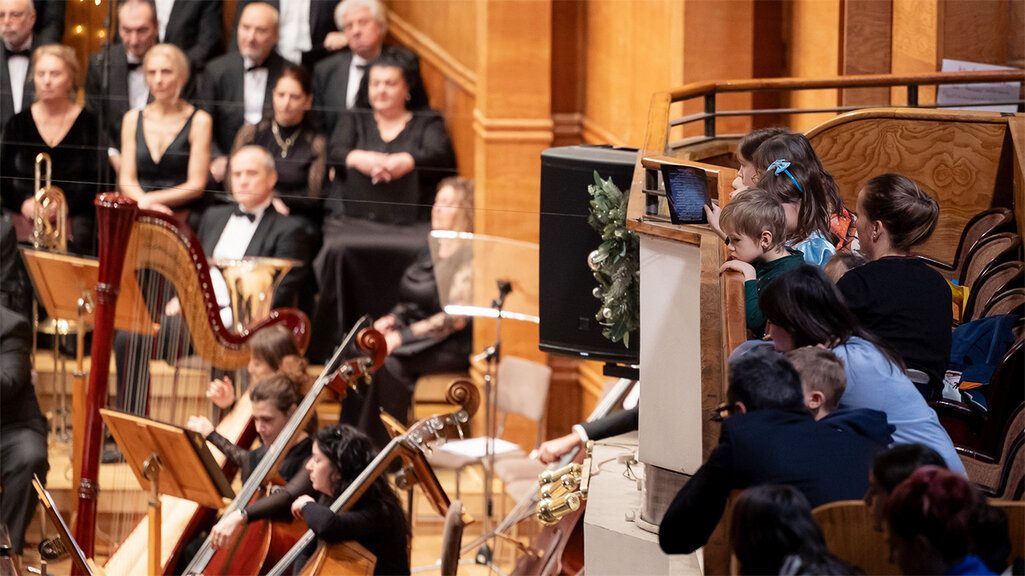
PHOTO Facebook/FortissimoFamily
“I don’t think classical music is fighting for an audience or struggling to attract people,” says Chobanov. “It existed before us, it exists now, and it will exist after us.” What matters more, he says, is that parents — especially mothers — who want their children to have a broader outlook and deeper cultural awareness can introduce them to classical music, its composers and its instruments. “If a child then develops an interest, they will find us and come back — first to our concerts for teenagers, and now to Fortissimo Academy, which offers educational concerts for adults.”
So are mothers the main target audience? “We are always focused on children, but parents find us on their own,” Chobanov says. “We never try to reach them aggressively or to sell ourselves. The programme’s aim — and the Philharmonic’s philosophy as a whole — is to provide high-quality content. People already know where to find us. We don’t rely on aggressive advertising, and nor should we.”
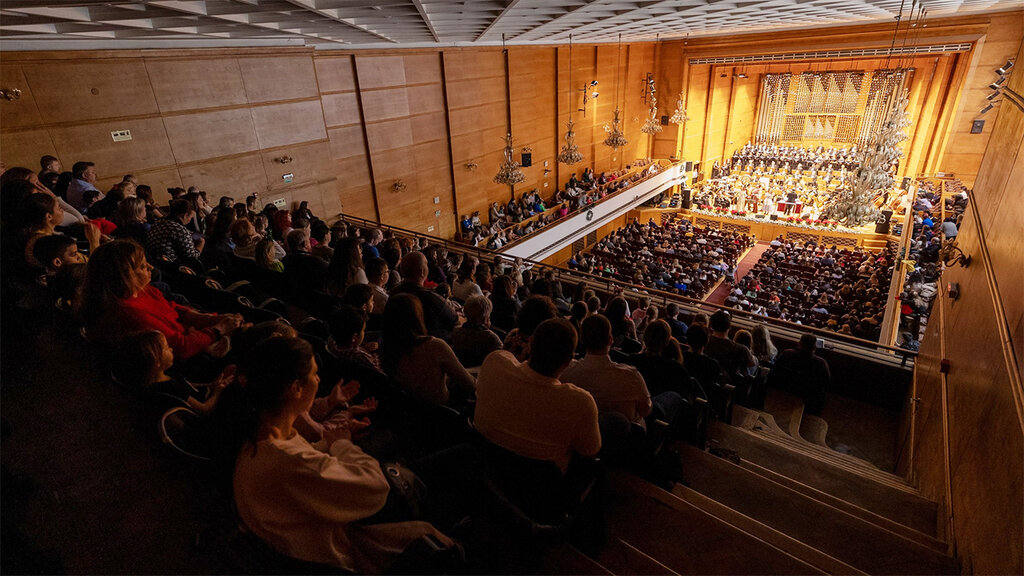
PHOTO Facebook/FortissimoFamily
Chobanov explains that Fortissimo Academy events differ significantly from Fortissimo Familia’s children’s concerts. Although they still feature a host actor to guide the audience through the composer’s biography and highlight key aspects of the music, they are presented in a more serious, genuinely academic tone. Chobanov says this lecture-style approach “allows for a much deeper listening experience and a fuller understanding of the music.”
Following the Rachmaninoff programme, upcoming educational concerts will focus on Mozart, Mendelssohn and Gershwin.
The idea for Fortissimo was originally inspired by American practice, particularly the multimedia formats developed by the cultural historian and critic Joseph Horowitz, known for experimenting with thematic programming and concert models that depart radically from tradition. So how has the multimedia aspect evolved within the programme?
“I’m not in favour of using too many digital devices in Bulgaria Hall,” Chobanov says. “It has to do with acoustics and the natural sound of the music. We have largely removed the multimedia elements from the American model. Instead, we present the programme in a more analogue way — through words and music. It’s different from what they do, but I believe it helps listeners pay closer attention and stay more focused.”
Chobanov adds that he is familiar with many European and international music-education projects, which have become increasingly popular worldwide. “But we are quite authentic,” he says. “Fortissimo Academy is an entirely homegrown Bulgarian initiative — absolutely.”
Editor: Elena Karkalanova
Posted in English by E. Radkova
This publication was created by: Elizabeth Radkova