


Author
Elena Karkalanova
News
World Radio Day is observed on February 13
How does artificial intelligence sound natural on the radio?
Friday 13 February 2026 08:15
Friday, 13 February 2026, 08:15
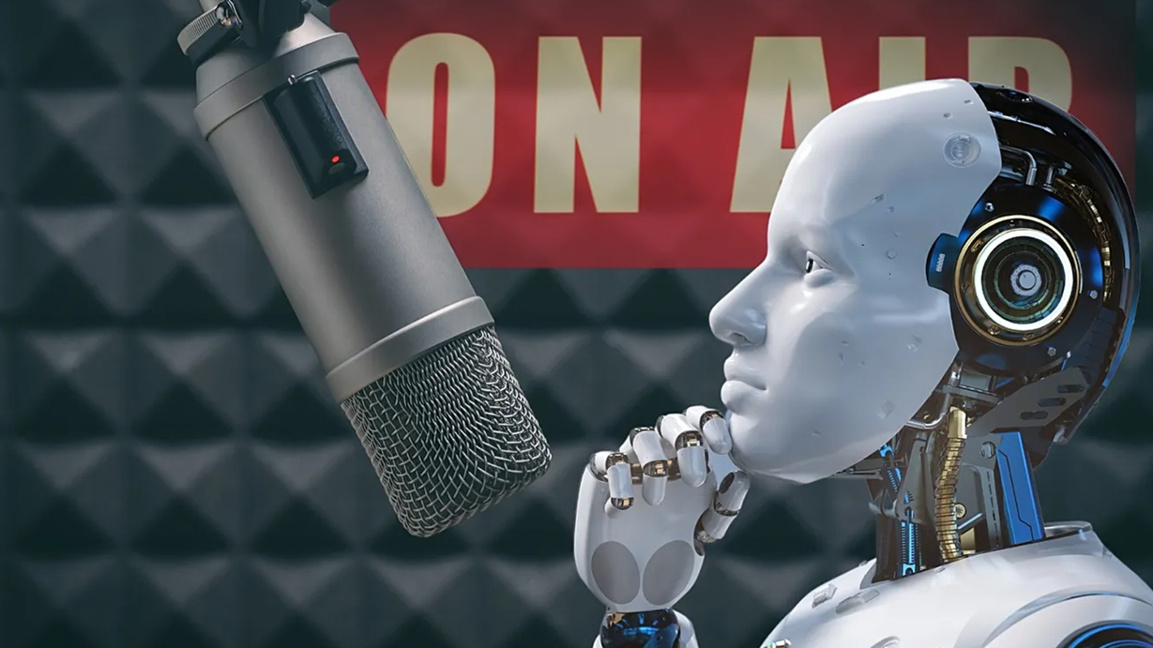
PHOTO euronews.com
Font size
Artificial intelligence is a tool, not a voice, UNESCO and the European Broadcasting Union remind us. For yet another year, the Bulgarian National Radio (BNR) is marking World Radio Day (February 13) with reports and publications on “Radio and Artificial Intelligence.”
“For more than two years, we’ve been actively working with artificial intelligence tools”, says Zlatko Zhelev from BNR’s Digital Programs Directorate. In his words, the main tools used on the public radio’s website are for converting text into sound, converting sound into video, and processing images and videos. Zlatko even “lends” his voice to the AI, which reads the news on our website.
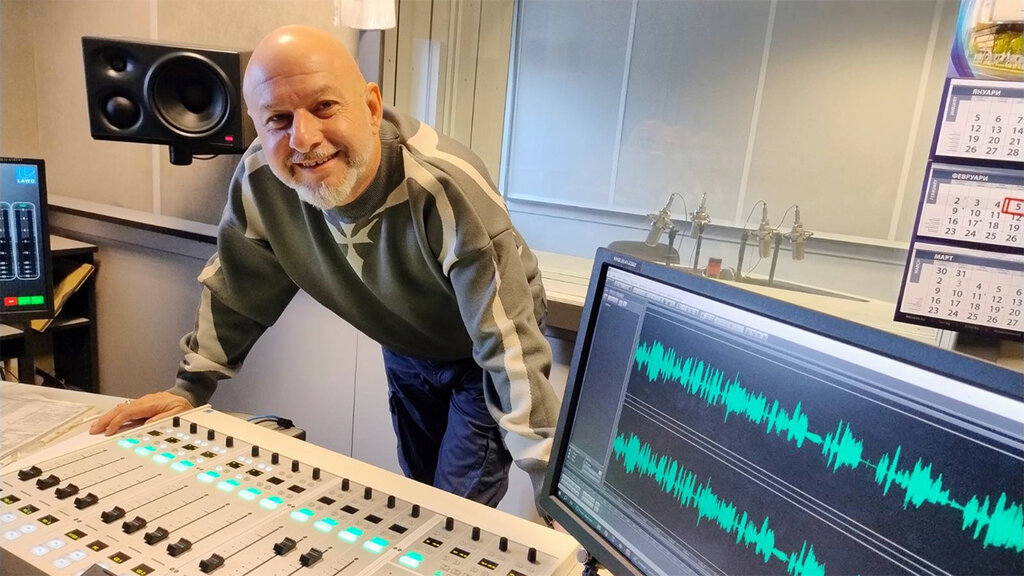
Zlatko Zhelev
PHOTO Elena Karkalanova
How is artificial intelligence trained to sound natural?
“With a lot, a lot of recordings — I read news endlessly— says Zlatko Zhelev. — With the correct word stresses, breaths, abbreviations, so that there are no illogical stresses. The recordings are fed into the artificial intelligence, which processes them. We submitted these voice-overs more than 20 times so the AI could get as close as possible to my voice, and now, I dare say, it is quite close to how I sound”, Zlatko Zhivkov went on to say.
PHOTO Unsplash
Should we be worried that technology will replace creativity in radio?
“I am far from thinking that artificial intelligence can replace the creativity of journalists. Yes, it can dig through all global search engines, but it cannot replace the experience each of us as authors has accumulated over the years, including our rich vocabulary. Artificial intelligence can be a tool, but it cannot replace us!”

PHOTO Pixabay
Does the widespread use of artificial intelligence in the media undermine the audience’s trust in journalism, in the media, and in radio? Are the values of journalism at risk?
“I believe so. Artificial intelligence is hardly being discussed in Bulgaria—the topic almost seems nonexistent for our lawmakers. The Ministries of Culture and Education, the Council for Electronic Media, as well as a larger group representing all media, need to sit at one table and have an honest discussion about things as they really are. There is a way to put this ‘intervention’ into a proper framework. The European Commission has been actively working on this topic for more than a year. It’s a fact that there are brilliant tools, including those for detecting fake news, photos and texts. But there are also frightening tools that could wipe out the work of some colleagues. With that in mind, I want to congratulate Radio Bulgaria. You have wonderful journalists. They tell stories about Bulgarians who are more or less known, in an effort to touch Bulgarians living abroad. And you do it in a truly beautiful way—with plenty of photos, conversations, and sometimes even videos, which I personally admire. A person’s experience should be complete—the text should touch the soul, the photos should give goosebumps, and the video adds another layer of emotion.”

PHOTO Pixabay
What is radio in the era of artificial intelligence?
“I don’t want to use that cliché—magic. In the BNR’s Digital Programs Directorate, we do many different things, and we always try to support any colleagues who come to us for help. I want BNR to be that island of trust for all our listeners and readers, and to be a primary source—so that the news originates with us. We have incredible journalists and editors who, over the years, have produced outstanding reports, investigations and interviews—to show that radio is a true force.”
Translated by Kostadin Atanasov
This publication was created by: Kostadin Atanasov