


Friday 13 February 2026 11:27
Friday, 13 February 2026, 11:27
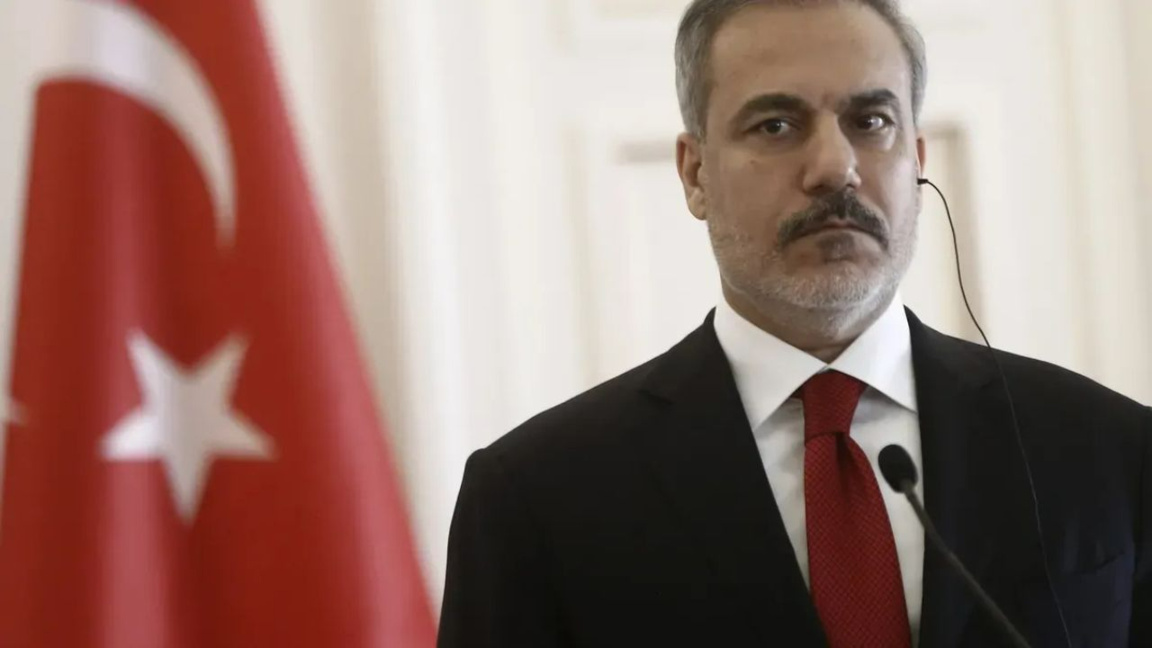
Hakan Fidan
PHOTO BGNES
Font size
Türkiye’s top diplomat does not answer whether the country should have a nuclear bomb
Turkish Foreign Minister Hakan Fidan declined to answer whether Ankara should develop its own nuclear weapons program. On February 9, in an interview with CNN TURK, Fidan noted that changes in the U.S. security doctrine and the potential removal of the American nuclear umbrella for traditional allies could lead to the emergence of new nuclear states, including in Europe.
During the interview, host Ahmet Hakan asked, “Should Türkiye have nuclear weapons?” Fidan remained silent, and after an awkward pause, the host suggested, “You can say: ‘No comment.’” When there was still no response, the host closed the topic with, “Alright, let’s move on”. The interview has also been published on the website of the Turkish Ministry of Foreign Affairs.

PHOTO Europa Liberă România
The Romanian section of Radio Free Europe to shut down again
The Romanian section of Radio Free Europe, funded by the U.S. Congress, will be officially closed on March 31, according to romania.europalibera.org. The portal digi24.ro adds that the Bulgarian section will also be closed soon.
The Romanian edition employs around 20 people and is the successor of the radio station that broadcast in Romania during the communist period and continued until 2008. In 2018, following a rise in media disinformation, Radio Free Europe resumed its presence in Romania. Since then, the outlet has published a number of investigations and reports, and in October 2025, was among the most-cited media sources in the country. In March 2025, President Donald Trump cut funding to the U.S. Agency for Global Media (USAGM), beginning the closure of American media sections in Europe.

Kimberly West
PHOTO scp-ks.org
Hague prosecutors seek 45-year prison sentences for KLA leaders
Specialist Prosecutor Kimberly West at the Kosovo Specialist Chambers has requested 45-year prison sentences for the Kosovo Liberation Army (KLA) leaders Hashim Thaçi, Kadri Veseli, Rexhep Selimi, and Jakup Krasniqi. They are charged with war crimes and crimes against humanity committed between 1998 and 1999.
The lawyers of the former prime minister, foreign minister, and president of Kosovo, 57-year-old Thaçi, claimed that he is innocent and had no real authority over the KLA or its military commanders during the armed struggle against Belgrade.
According to the defense, the prosecutors’ claims that Thaçi and the other commanders carried out a violent campaign to seize political power in Kosovo are a baseless attempt to rewrite history. The former KLA commanders have been held in detention in The Hague since November 2020.
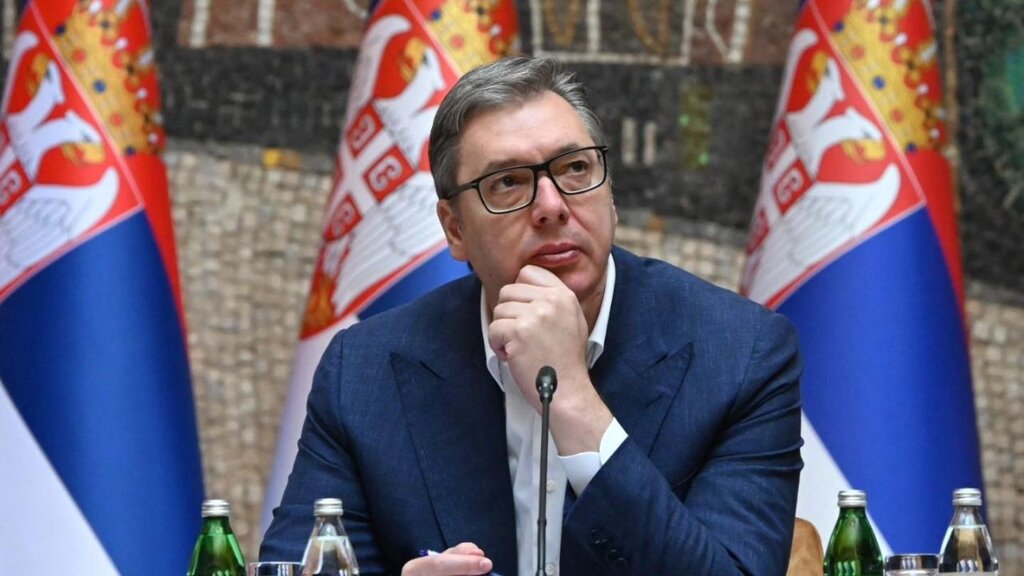
Aleksandar Vučić
PHOTO BGNES
Aleksandar Vučić wants Serbia to exports millions of bottles of wine to China
President Aleksandar Vučić stated that nothing would save Serbia’s wine industry unless it exported 15 to 30 million bottles annually to China, reports RTS.
At Lozionica, during the presentation of new financial measures to support winemakers, brewers and distilleries, Vučić said: “We need to ensure the largest possible exports to China, and then the wine industry will be able to survive.” He added that wine production in Europe is slowly declining, and Europeans are increasingly uprooting vineyards, while Serbia’s free trade agreement with Beijing opens new opportunities. “Three years ago, the wine tariff was 30%; in 2026 it will be 12%. Next year it will be 6%, and by 2028 it will be zero, so we will have an advantage”, President Vučić explained.

PHOTO Pixabay
Week of Croats living abroad to be marked every May
The Croatian government has proposed holding an annual “Week of Croats Living Abroad.” It will take place during the last week of May, coinciding with Statehood Day on May 30, reports hina.hr.
The initiative aims to increase the visibility of Croats living outside the homeland within general public in Croatia, boosting mutual ties and further fostering national unity. The week will feature a series of events organized by Croat organizations abroad, as well as by state, civic, cultural, academic, and other institutions.
According to the government, an estimated 3.2 million Croatian emigrants and their descendants live outside Croatia worldwide. The largest communities are in the United States (around 1.2 million), Germany (around 500,000), Argentina (around 300,000), and Australia and Canada (around 250,000 each).
Edited by Ivo Ivanov
Translated by Kostadin Atanasov
This publication was created by: Kostadin Atanasov