


Author
Gergana Mancheva
News
Winegrowers mark Trifon Zarezan amid irrigation concerns
“We rely heavily on the Bulgarian community. Wherever there are Bulgarians – in the United States, Germany, Spain, Italy – we sell well,” wine industry representative Yordan Chorbadzhiyski said
Saturday 14 February 2026 08:15
Saturday, 14 February 2026, 08:15
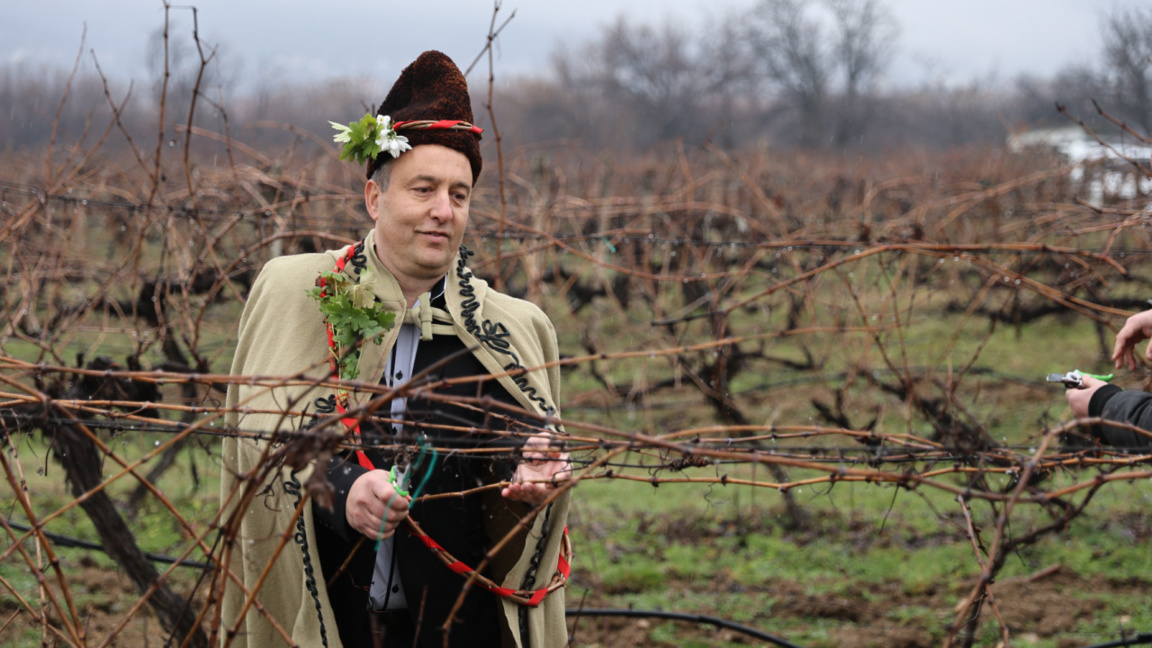
PHOTO BTA
Font size
Trifon Zarezan is a revered holiday throughout Bulgaria and is celebrated both on Feb. 1 (new style) and, according to tradition, on Feb. 14. It is the Day of the Vinegrowers and Winemakers, whose patron saint is St Tryphon. During this period, vineyards are ritually pruned, marking the start of the new agricultural cycle.
Yordan Chorbadzhiyski of the National Vine and Wine Chamber considers both the holiday and the everyday realities of the sector:
“Winegrowers and winemakers welcome the holiday with optimism and hope that the weather will be on our side, with no anomalies such as hail, frost or hurricane-force winds. The holiday is important to us, but we find ourselves in a complicated political situation once again. Just as things were moving towards restoring irrigation systems, the government resigned. I hope decisions will be taken quickly, elections will pass and we can continue restoring the irrigation systems so that we have water for irrigation. Drought affects the entire agricultural sector – without water there is no harvest.

Yordan Chorbadzhiyski
PHOTO National Vine and Wine Chamber
“Another important issue is easing regulations on drilling wells. Only then will people without nearby water reservoirs be able to drill and obtain water for irrigation. The problem has existed for years, and although a glimmer of hope appeared this year, we are going to the polls again.
“Last year there were regions where winegrowers harvested nothing because of severe frost, followed by hail, leaving no crop on the vines. Field workers are employed on one-day contracts. Grape prices have risen sharply. In 2025 grapes were around 30% more expensive than the previous year. Those growers who were not affected by hail or frost reported a very good and profitable year.”
Many Bulgarian households make their own wine and rakia. While licensed wine producers do not oppose production for home consumption, members of the association are concerned that such wine and other alcoholic beverages are being sold on the market without a licence. “Anyone who wants to sell should be licensed as a producer and be subject to the same controls that we are,” Chorbadzhiyski urged.
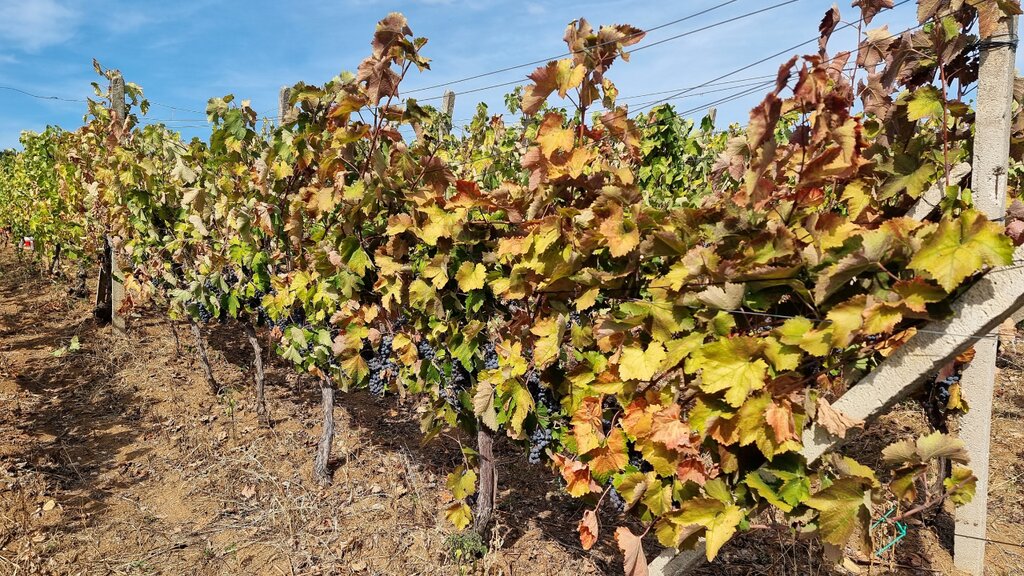
Restoring the irrigation systems is of vital importance not only to wine growers.
PHOTO BTA
'Who monitors compliance? Whether basic sanitary requirements have been observed during production – whether the grapes were of good quality, whether they were mouldy, whether other substances are added to the wine? Who monitors this when in a European country like ours, you can buy wine and high-alcohol drinks everywhere?” In terms of quality, we are excellent. Perhaps there is no other country that can rival us in terms of the quality of wine produced. The problem is that we are not competitive. Bulgarian wine exports are not increasing for several reasons. Firstly, production costs are very high. In countries such as Italy, Spain and France, subsidies are much higher than ours. When others obtain raw materials for 10–20 cents, but we have to pay 70–80 cents, we are not starting from an equal position. This is why our prices are high and we cannot export in the same volumes as others."
Chorbadzhiyski also gave examples of how consumers in different markets choose wine.
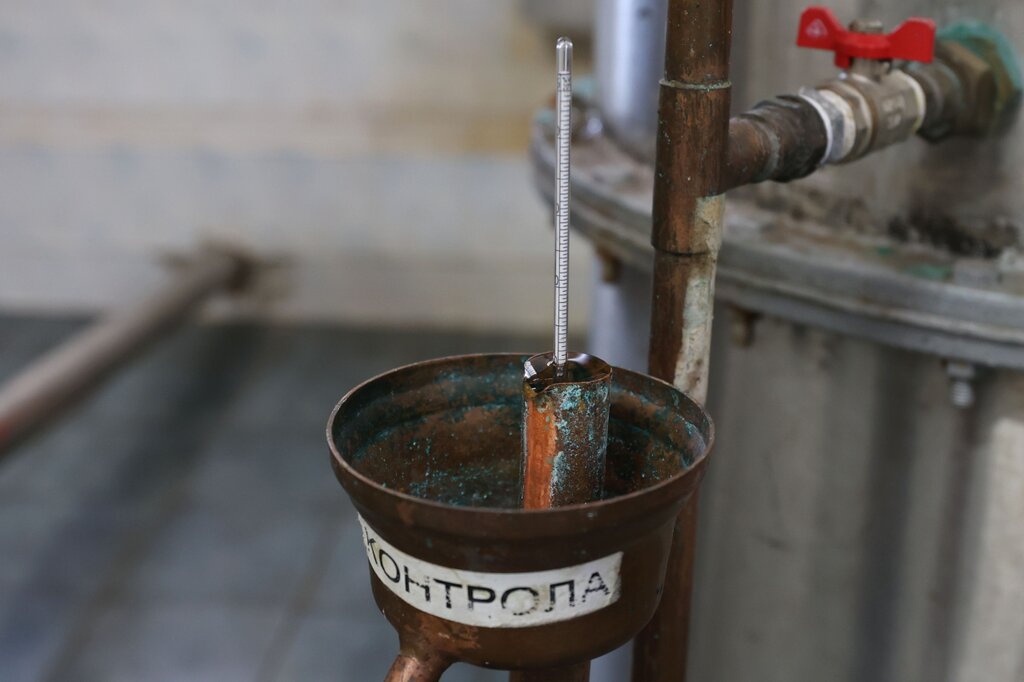
“Anyone who wants to sell should be licensed as a producer and be subject to the same controls that we are,” Chorbadzhiyski urged.
PHOTO BTA
‘When a Japanese visitor comes to Bulgaria to taste wine, they don't ask about the price. They taste it and say they like it. For them, quality comes first. On the British market, however, price is the leading factor. We have clients all over the world for both wine and rakia, but we cannot grow as exporters. We rely heavily on the Bulgarian community – wherever there are Bulgarians, for example in the United States, Germany, Spain, Italy – we sell well. The problem is that in places without a Bulgarian or Balkan community, people do not know us, and our sales in those markets are very weak.
Despite the challenges, Bulgarian soil continues to produce high-quality grapes, forming the basis of distinctive wines. Mavrud, often referred to as the 'black heart of Thrace', is perhaps the most emblematic Bulgarian red variety. It is mainly grown around Asenovgrad and Plovdiv, but can now be found across southern Bulgaria. Its wines are dark red with fresh acidity and ageing potential.
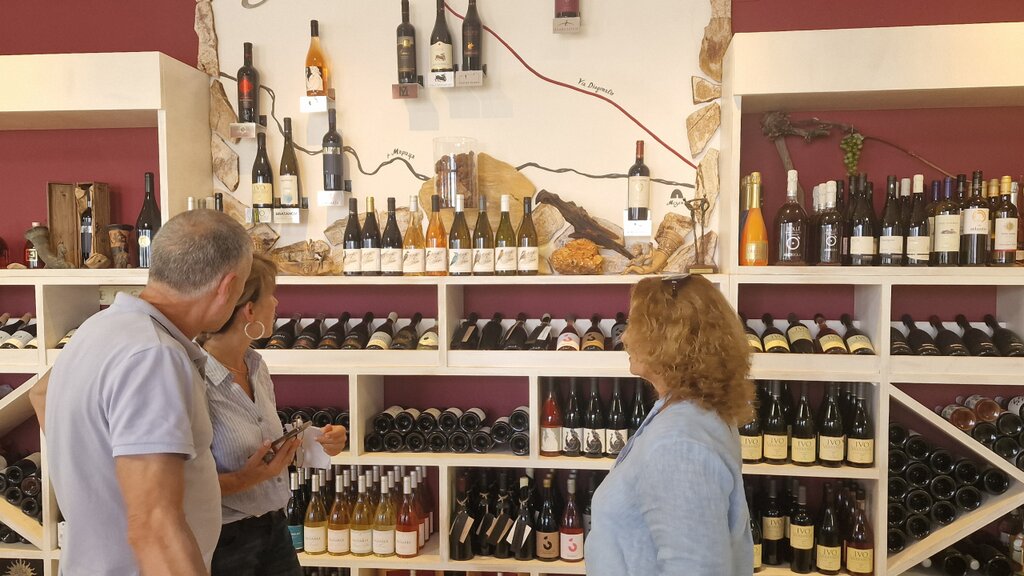
PHOTO BTA
Another traditional variety is Gamza, also known as Kadarka, which produces wines with notes of autumn fruits. The Shiroka Melnishka Loza variety, cultivated in the southern regions along the Struma River valley, yields medium to deep ruby-coloured wines with a pronounced aromatic character, often showing notes of dried herbs, black and red fruits, figs, spices and light tobacco.
Other well-known Bulgarian grape varieties include Pamid, Dimyat, Tamyanka, Red Misket and Evmolpia.
Bulgarian wine is renowned for its high quality and is often considered a premium product, making it an ideal gift for Valentine's Day, a day when both wine and love are celebrated in Bulgaria.
Editor: Elena Karkalanova
English: E. Radkova
This publication was created by: Elizabeth Radkova