


Author
Joan Kolev
News
Ministers “with expertise and decency” – expectations for Bulgaria’s new cabinet
Thursday 19 February 2026 15:25
Thursday, 19 February 2026, 15:25
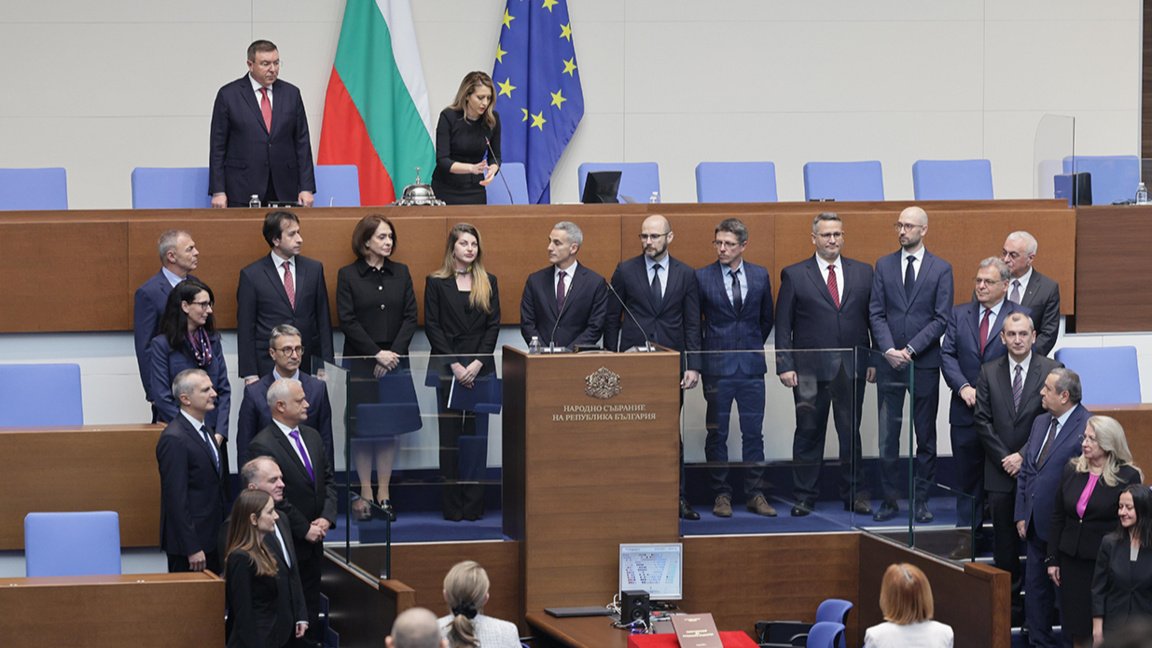
PHOTO BGNES
Font size
Bulgaria’s 106th government was sworn in before the National Assembly after the president’s nominee for prime minister, Andrey Gyurov, presented the composition of the caretaker cabinet to the head of state yesterday. The list of ministers includes a broad range of experts and well-known public figures returning to politics, such as Nadezhda Neynsky – one of the emblematic faces of the Union of Democratic Forces and Bulgaria’s foreign minister in the period 1997–2001.
The main expectation of Bulgarian citizens toward Gyurov’s team is the organization of transparent snap elections on April 19 this year. This demand was clearly voiced during the mass protests across the country at the end of 2025, which led to the fall of the coalition government formed by the 51st National Assembly. Although a caretaker government has a short time horizon - less than 100 days - there are numerous expectations that it will address long-accumulated problems in various spheres of public life. These include resolving the issue of appointing a chief prosecutor, as the current acting chief prosecutor, Borislav Sarafov, has held the post illegitimately since July 2025; untangling the tragic criminal case from early February known as the “Petrohan” case; reducing corruption levels, and more.
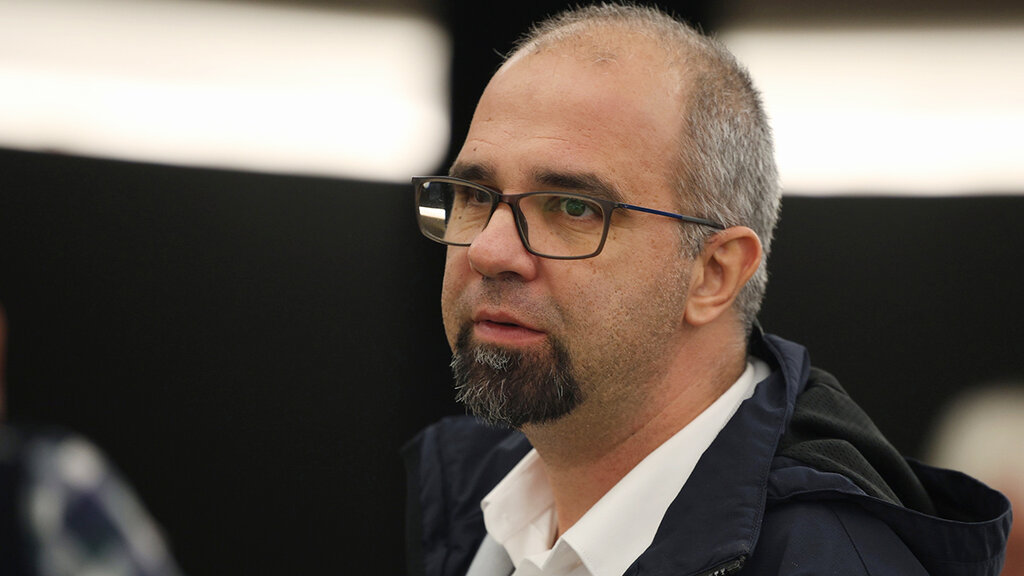
PHOTO BGNES
“There is a danger that the democratic community may see this cabinet as its chance for revenge,” warns Parvan Simeonov, sociologist from the Myara agency, in an interview for Radio Bulgaria. “I hope they do not decide that they are already in power, because that would be dangerous for them for three reasons: first, I am not sure they have the capacity to win these battles. They have the capacity to be experts, decent people who are sometimes naïve, but winners - not always. The second reason is that it is not a good idea to suddenly appear to be in power - they draw their energy from being in opposition to the status quo. The third reason is that they should not fall into revanchism, because that is always a very bad adviser.”
What stands out when observing the composition of the “Gyurov” cabinet, in which for the first time there is a deputy prime minister in charge of holding fair elections?
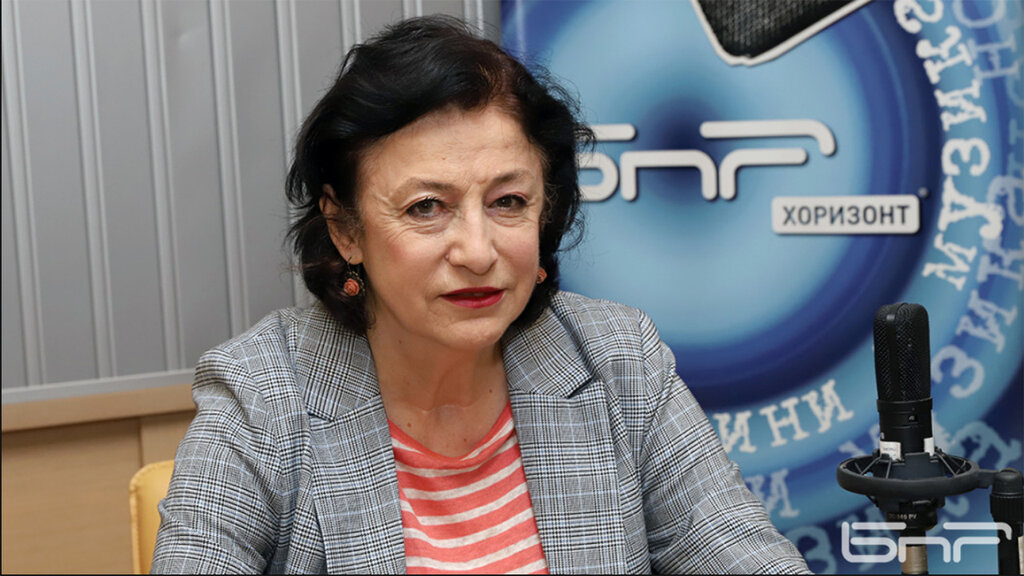
PHOTO Ani Petrova, BNR
“This government must prepare elections that proceed normally and do not lead to disputes or mass vote-buying,” recalls international analyst Zornitsa Ilieva. “The other condition, which was either concealed or said ‘between the lines’ is that it must resolve the issue of the leadership of the special services and the regional directorates of the Interior Ministry, which are extremely important for the normal conduct of elections, and in some way move forward or resolve the issue of the acting Chief Prosecutor. This was not hidden, because the person appointed as Minister of Justice (Andrey Yankulov - editor’s note) was said by the prime minister to have the main task of exerting influence on the judicial body responsible for submitting Borislav Sarafov’s resignation. He has worked on the cases of the so-called ‘Dwarfs’ (the ‘Eight Dwarfs’ scandal, which became a symbol of backstage dealings in the Prosecutor’s Office - editor’s note), which is also a signal that actions expected by society and demanded through protests will be undertaken.”
Two other ministers will be key to Andrey Gyurov’s work as prime minister - Interior Minister Emil Dechev and Deputy Prime Minister Stoil Tsitselkov (until now a member of the Public Council of the Central Election Commission), who will be directly responsible for conducting fair elections. In other words, “he must not only bear the burden of organizing and holding the snap elections, but also be their guarantor,” Ilieva points out.
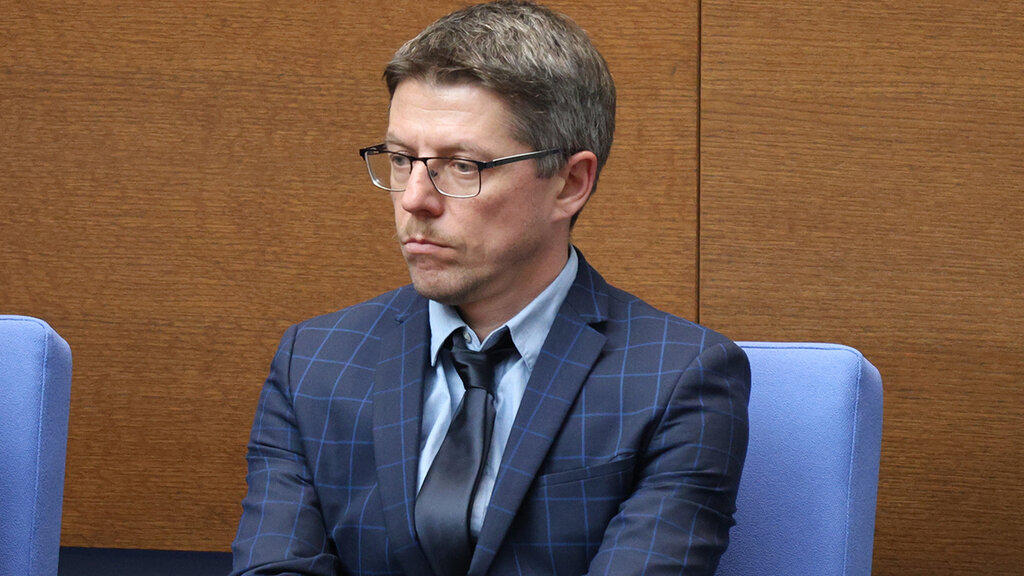
Stoil Tsitselkov
PHOTO BTA
“The prime minister has prepared a ‘right-hand man,’ and he will not deal personally with those specific functions. Gyurov has been tasked with resolving the other cardinal issues that are painful and will inevitably face resistance. Just look how quickly Delyan Peevski’s party reacted, immediately saying this was a ‘government of Soros-linked figures, of “We Continue the Change”, etc.’ In other words, they are not satisfied with the composition of this cabinet and will attempt to discredit it in every possible way. So the election campaign is already underway and the usual smear campaigns will begin to surface,” the analyst predicts.
In meeting expectations toward the caretaker cabinet, Prime Minister Andrey Gyurov will rely heavily on Interior Minister Emil Dechev - “he also comes from within the system, is well acquainted with its functioning, and this suggests that he will be relied upon for a ‘firm hand’ in that sector.”
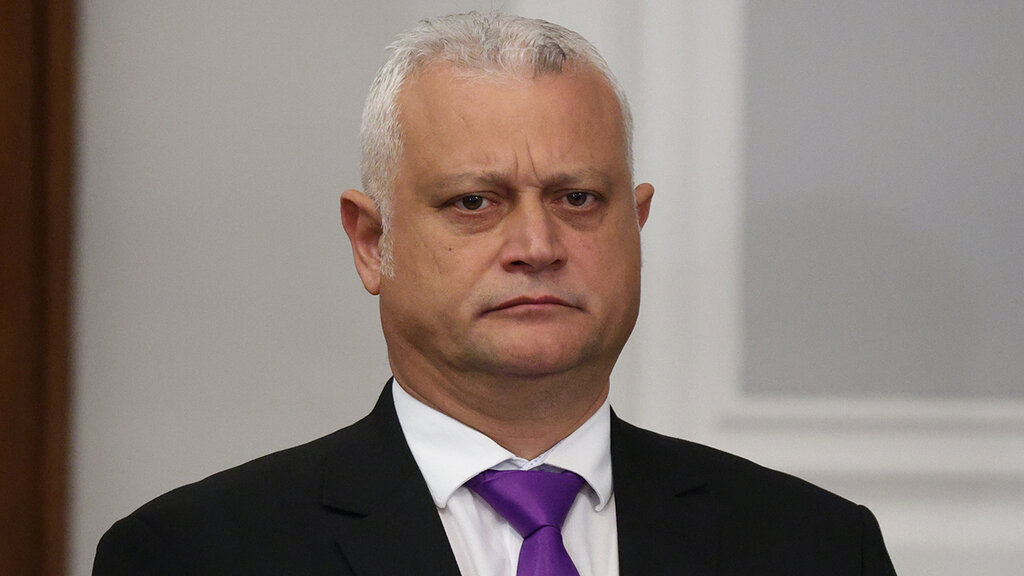
Emil Dechev
PHOTO BTA
Has Andrey Gyurov kept his promise, made when receiving the mandate from the president, that he would propose ministers “with reputation, expertise and decency”?
“I don’t know about decency, as it has long been absent both in the rhetoric and in the descriptions we hear thrown between political opponents,” says Zornitsa Ilieva, adding: “All of this disgusts ordinary citizens. But since everyone expects that former President Rumen Radev will be the one forming the government after the elections, the proposed composition of the Council of Ministers will give him the opportunity to assess and determine who, whether, and how these experts might be useful in the future.”
English: R. Petkova
This publication was created by: Rositsa Petkova