


Author
Daniela Goleminova
News
Compatriots represent Bulgaria at the Martenitsa Festival in Brussels
Monday 23 February 2026 14:57
Monday, 23 February 2026, 14:57
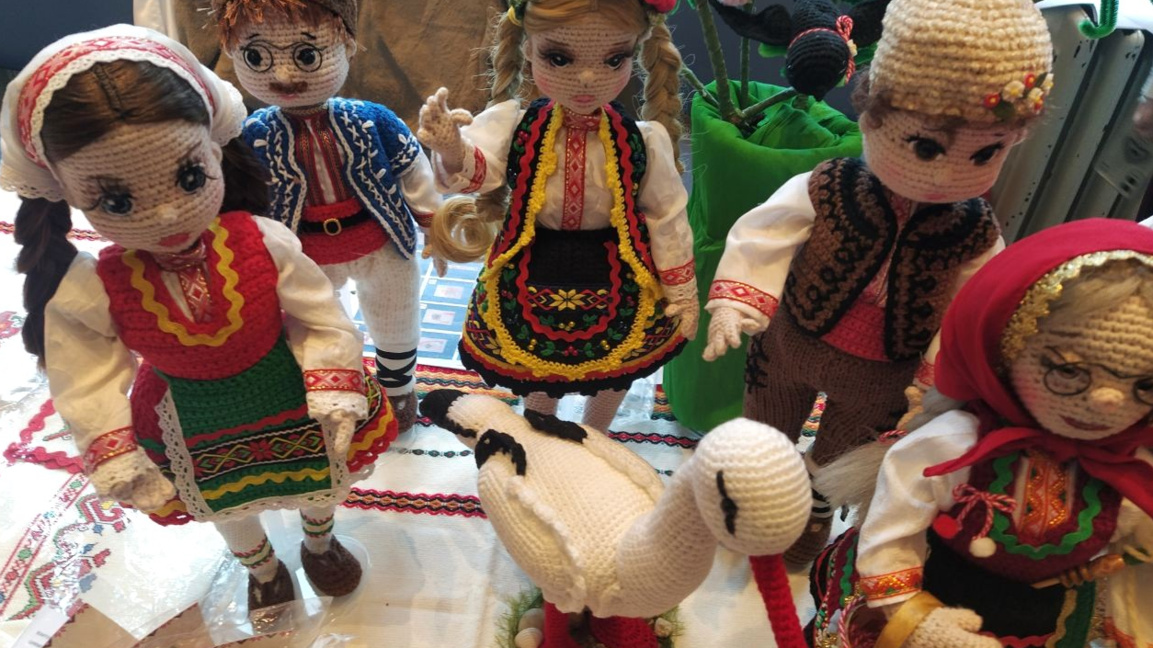
PHOTO Daniela Goleminova
Font size
For the fourth consecutive year, the Martenitsa Festival was held in Brussels with the participation of three countries - Bulgaria, Romania and Moldova. This time, the host of the event on February 22 was Romania. Bulgaria’s northern neighbour demonstrated a rich folklore program, while the Bulgarians in the Belgian capital presented unique crocheted works, we learn from the report by Daniela Goleminova.
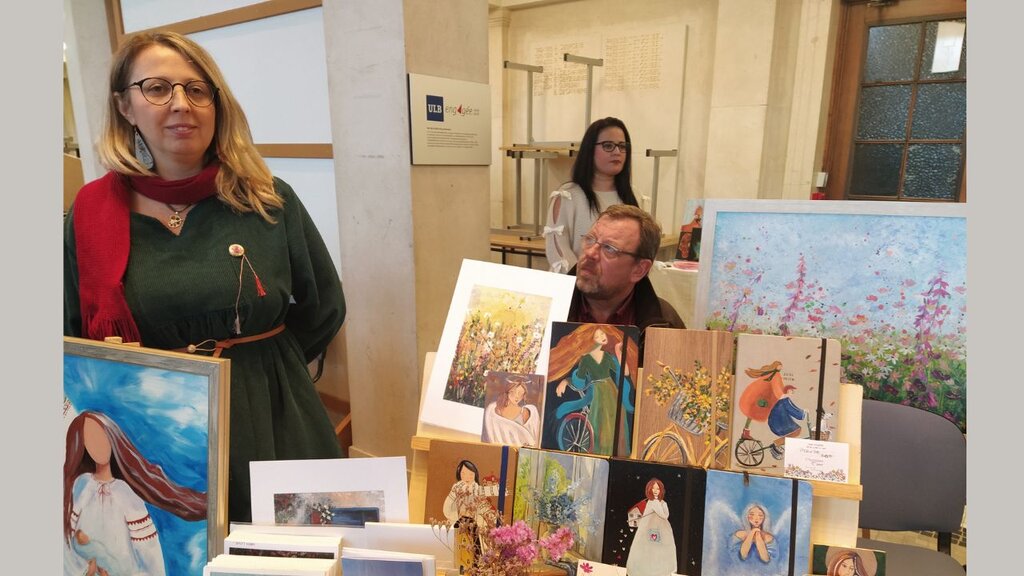
PHOTO Daniela Goleminova
Numerous stands with martenitsas, paintings, handmade jewellery, wines and delicacies filled the "Marble Hall" of the the Université libre de Bruxelles, where the Martenitsa Festival was held. For the fourth consecutive year, the Bulgarian Cultural Association in Belgium was a partner of the event. Tanya Staneva, who is president of the association, told us about the Bulgarian participation:
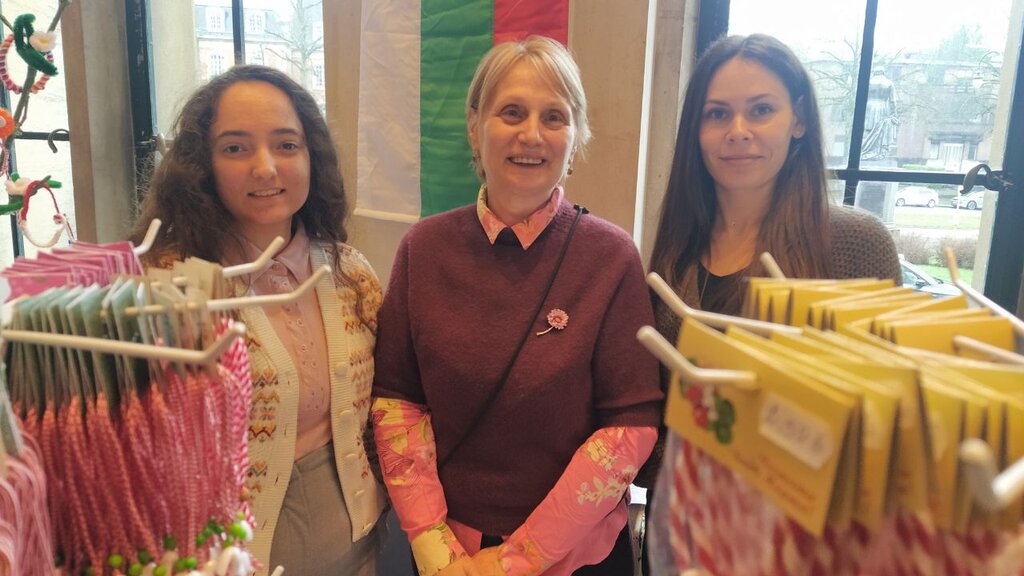
PHOTO Daniela Goleminova
"At noon we started singing, playing, dancing, and telling about the traditions of the countries. There are many stands with martenitsas. Each country has exhibited the best of its traditions. This year we have something new at our stand – an exhibition of handmade crocheted swallows, storks, Baba Marta, and others. We are constantly being asked if they are for sale but they are not for sale. This is the wealth of the Bulgarian Cultural Association.
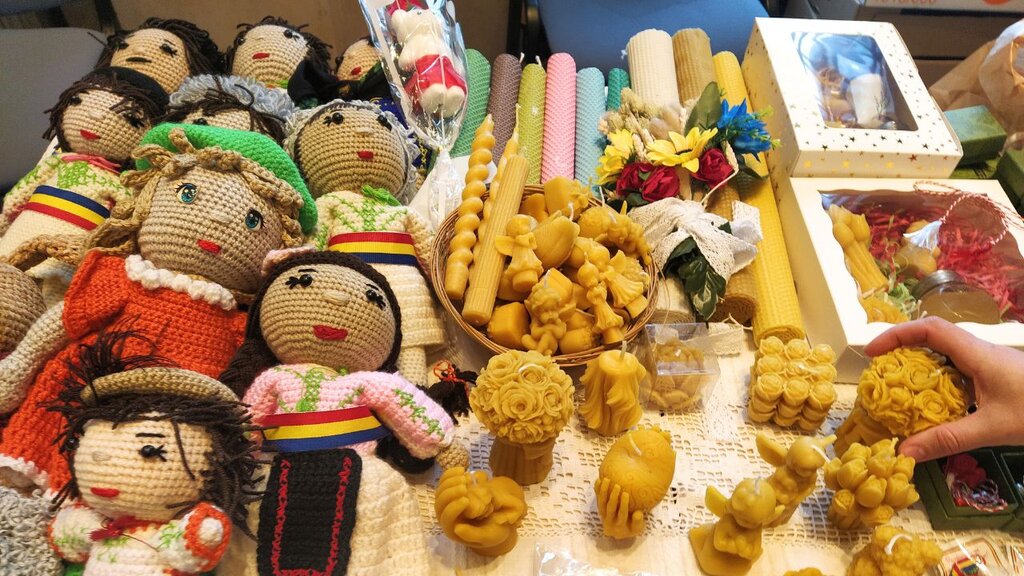
PHOTO Daniela Goleminova
The Romanians have very
interesting handmade jewellery, sweets, paintings. The Moldovans came
with their wine. In a year Bulgaria will host the festival and very
soon we will start thinking about the organisation.
This year our program was short. The children from the folklore
formation ‘Ha Tropnete’
- Antwerp participated. Children from the Bulgarian
Sunday School ‘Ran
Bosilek’ in Brussels played the roles of Pizho and Penda. We also had Baba Marta, who told our legend about the
martenitsa. It was very pleasant," Staneva told us.
Red and white – the Bulgarian spring health amulet is shrouded in legends and beliefs
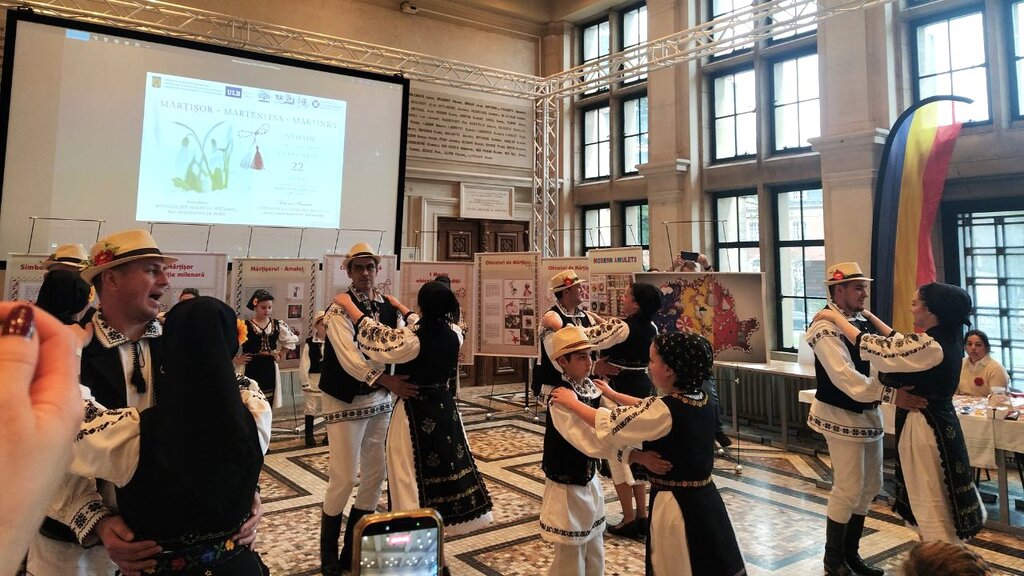
PHOTO Daniela Goleminova
Bulgarian children from the children's folklore formation "Ha Tropnete" from Antwerp, led by Alexandrina Radeva, presented some of the most iconic Bulgarian folk dances to the audience.
"The children are excited because there were many people this year. It was very solemn. They performed two dances from the Thracian folklore region, but they also know Rachenitsa and Daychovo horo. Nowadays, it is more difficult to maintain children's interest in folklore, because here the children dance once a week, but they are very friendly to each other. They really like to participate in concerts. This is not their first participation. They are prepared for the stage. They get excited when there are many people and applause," Alexandrina Radeva says.
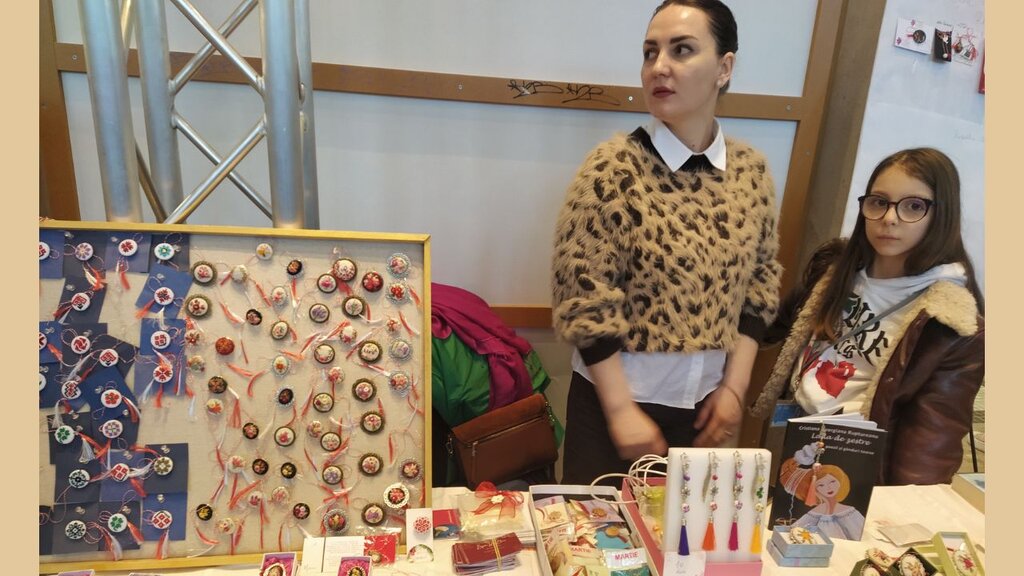
PHOTO Daniela Goleminova
The festival was most exciting for the children. Like every year, there were workshops where children made martenitsas. The more skilled ones managed to do it themselves, while others managed to knit martenitsa with the help of their mother, grandmother or volunteers from the Bulgarian Cultural Association. Mladenka Todorova is one of the volunteers who showed different techniques for making martenitsa.
"We make martenitsa every year. We explain the symbol of the white and red thread. We show techniques that we have learned from our grandmothers - how to make tassels, how to twist the thread, what it symbolizes... The children try hard and want to do it. And they are very happy when they see something come out of their little hands. The joy in their eyes is priceless," Todorova says.
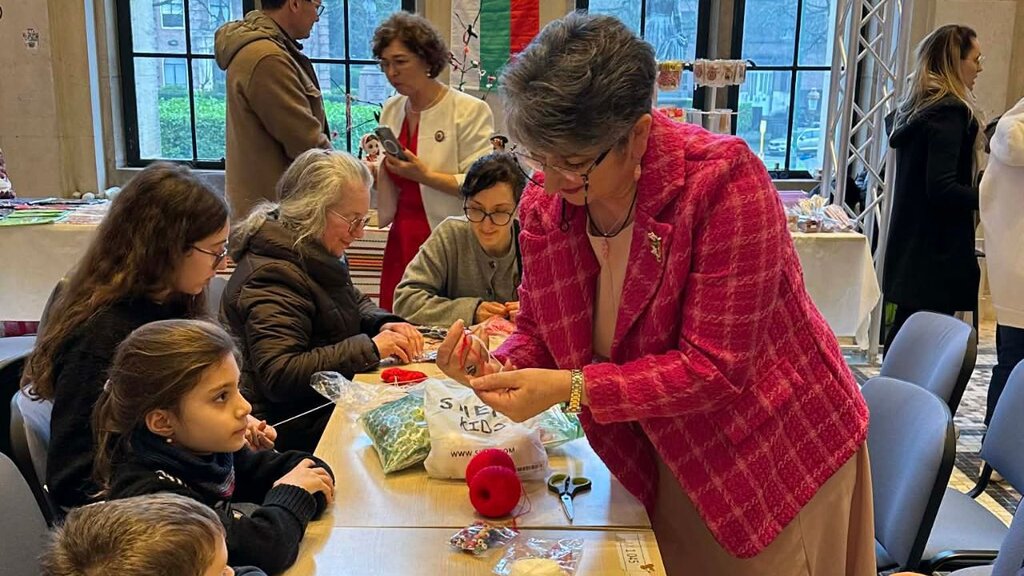
PHOTO Daniela Goleminova
"I made just two martenitsas. I didn't like them very much, but it's my first time. It's hard when you knit for the first time, but then it gets easy," little Mira said.
"I prefer to buy ready-made martenitsa," Mike tells us. He knows that martenitsa is made of white and red thread: "My grandmother makes martenitsa and on March 1st I put martenitsa on me," Mike adds.
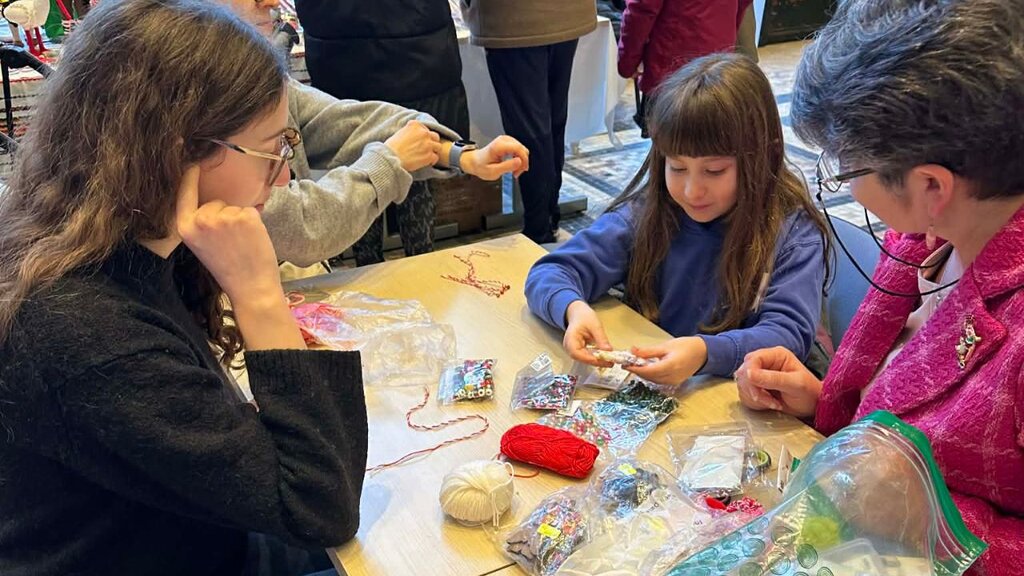
PHOTO Daniela Goleminova
"It's very important to teach children about traditions, because many of them are from mixed marriages. Many of the children were born in Belgium and if the mothers and grandmothers don't pass on the traditions to them, there's no way they'll know them," said our compatriot, sharing how she herself brought 100 martenitsas from Bulgaria, which she will distribute to relatives and acquaintances in Brussels on March 1st - just as the tradition dictates in her native Bulgaria.
This publication was created by: Alexander Markov