


Author
Joan Kolev
News
“She” - а Bessarabian Bulgarian's film about women whose men are at the front
Tuesday 24 February 2026 11:05
Tuesday, 24 February 2026, 11:05
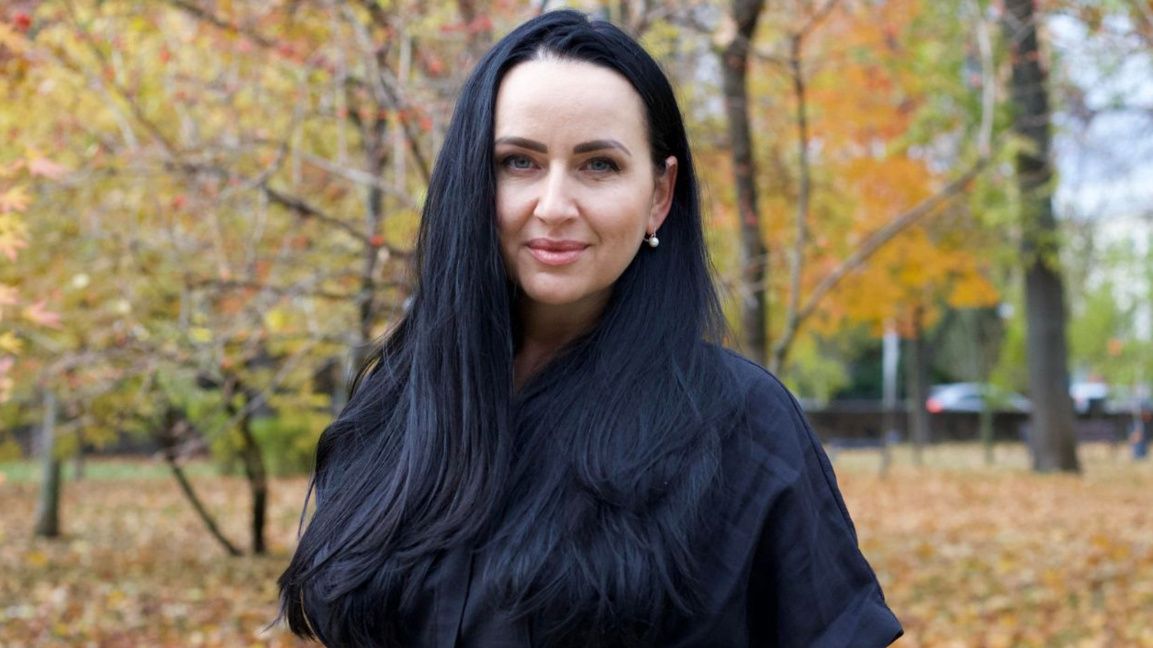
PHOTO Facebook /Tetiana Staneva
Font size
On February 24, we mark four years since the address of Russian President Vladimir Putin, in which he announced his decision to launch a “special military operation” in the eastern Ukrainian region of Donbas, claiming that the populations of Donetsk and Luhansk had appealed to Russia for help.
1,460 days later, life in Ukraine continues at the cost of an unspecified number of dead and wounded. By now, there is scarcely a family untouched in some way by this “operation,” regarded by many countries - including Bulgaria - as a full-scale war.
“I know that Bulgaria has grown weary of the topic of war. We, too, are weary - far more so. Psychologically, everyone wants to bury their head in the sand and believe that nothing is happening around us. That is the easiest path. But one must understand that even in remaining indifferent, one still participates in the processes shaping the modern world and the future. How we endure and what we do today will determine our future - and that of our children,” Ukrainian Bulgarian Tetiana Staneva says in an interview for Radio Bulgaria.
Tetiana Staneva: Don't look on the war in Ukraine as if it is some kind of show behind a glass pane
A film director whose work explores the impact of war on ordinary lives, Tetiana Staneva is presenting her latest film, “She,” in Sofia as the world marks the fourth anniversary of the outbreak of military action on her homeland’s territory.
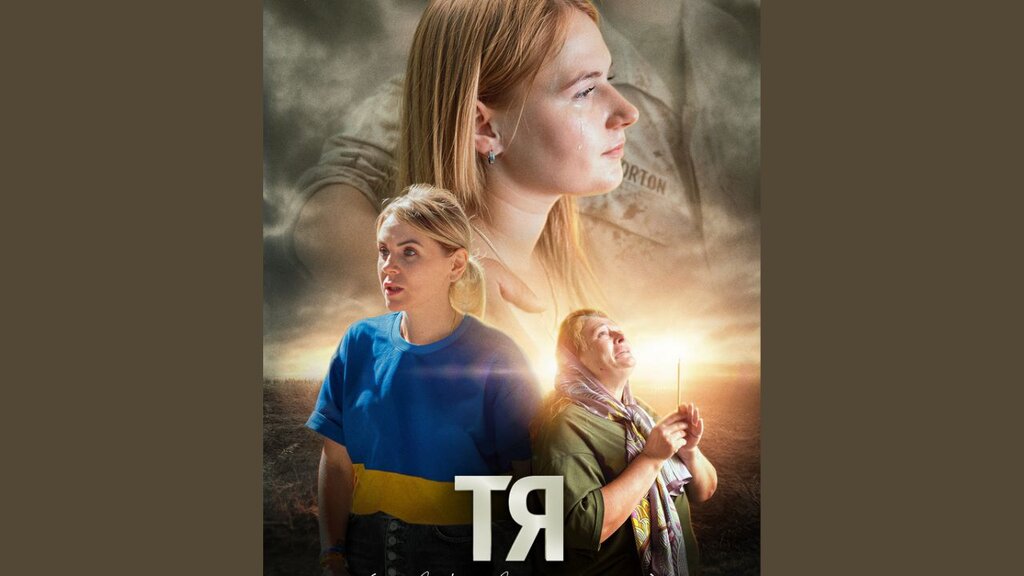
PHOTO Facebook /Tetyana Staneva
“I worked on this film for four years. It began as a report for the Bulgarian television, portraying women who had organized themselves into volunteer groups - raising funds for ammunition, hygiene supplies, and food to send to their husbands,” she recalls. “It was at the very beginning of the war, when fear and panic reigned, and no one knew how far it would go. And yet there was also a clear conviction that victory would come soon. Four years have passed since then.”
What mattered most, she says, was that she asked these women what they wished for when victory finally arrived. One longed to have a child. Another dreamed of returning to her parents. The third wanted simply to be reunited with her husband. All three women are bound by the town of Bolhrad and by the fact that their husbands serve in the so-called “Bulgarian” 88th Battalion (whose ranks include Bessarabian Bulgarians – author’s note).
But the war did not end. The report remained unfinished. Tetyana Staneva returned to the story, sensing it demanded deeper telling. She herself wished to know whether the women’s dreams would come true. She began shaping the narrative in anticipation of victory - yet victory kept receding.
“As time grew unbearably long, some dreams were realized along the way; others were not. There were tragedies. This is the first time I have observed other people’s lives so closely. There are deaths and births, losses and depressions… everything,” the film director says.
The film unfolds as a four-year act of witness which the audience in Sofia will be able to see on February 25.
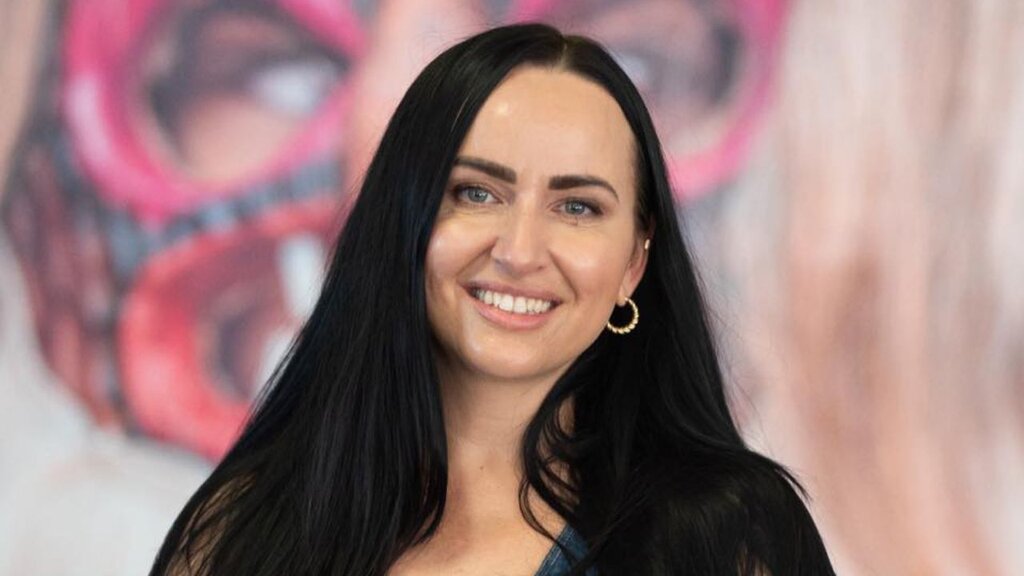
PHOTO Facebook /Tetiana Staneva
“This is not the original concept, but now viewers will feel the impatience with which, despite the endless delay, these women await their husbands’ return from the front, constantly checking their phones for messages.”
Tetyana Staneva notes that nearly all women whose husbands are at the front are on antidepressants, they fall ill often, the uncertainty makes life unbearable. The signs by which they learn that their loved ones are alive have become a code among civilians: “OK” meaning safe; “+” meaning received; “450” meaning all is calm.
“In this film, I cast light upon the female fate - one in which any Bulgarian woman might recognize herself. Yet may no one in Bulgaria ever have to endure what these women endure. Why is the film called ‘She’? Because it is not only about women, but about war and separation - both feminine nouns in our language.”
The Bessarabian Bulgarian film director believes that Ukraine is now passing through its most difficult period in these four years. Russian strikes on energy infrastructure leave large parts of cities without electricity or heating at a time when temperatures remain in double digits below zero. Many who fled other regions for the capital have nowhere else to go. Among them are elderly and immobile people.
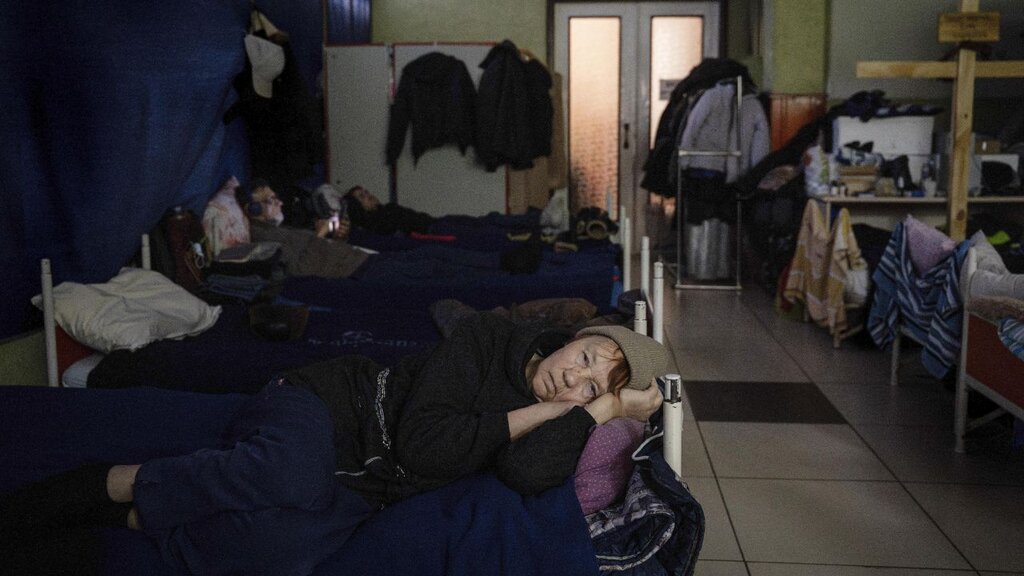
PHOTO BGNES
Tetiana Staneva returns to the conviction that has guided her devotion to documentary cinema - an art form, she says, that is not fast food. It demands time, focus, immersion.
“My idea is for the truth to be known - because only the truth makes people free. My concern is that Bulgaria should not repeat our mistakes. Some accuse me of ‘spitting’ on the country - no. When I illuminate a problem, that is not condemnation. For us, the Bessarabian Bulgarians, Bulgaria is the motherland, and we care deeply about it. When I see how little is known here about Bessarabian Bulgarians, it tells me that not enough is being said about us. That is why, through my films, I try to show our lives.”
Her film portrays Bessarabian Bulgarians serving in the 88th Battalion. And Bulgarians, she believes, cannot remain indifferent - for their brothers by blood, ethnic Bulgarians, are now fighting for the most elementary of human rights: to survive, and to defend their homes in Ukraine.
Read also:
The OKO film festival has a mission - to show Bulgarians what is happening in Ukraine
Photos: Facebook /Tetiana Staneva, BNR (Horizon), BGNES
English: R. Petkova
This publication was created by: Rositsa Petkova