


Author
Tsvetana Toncheva
News
Guest conductor from Italy, Alessandro D’Agostini, shares his admiration for the Sofia Opera’s chorus and orchestra
A fantasy thriller in gothic hues – Macbeth with a premiere at the Sofia Opera
The premiere will be on February 25, followed by four further performances through March 1
Tuesday 24 February 2026 11:24
Tuesday, 24 February 2026, 11:24
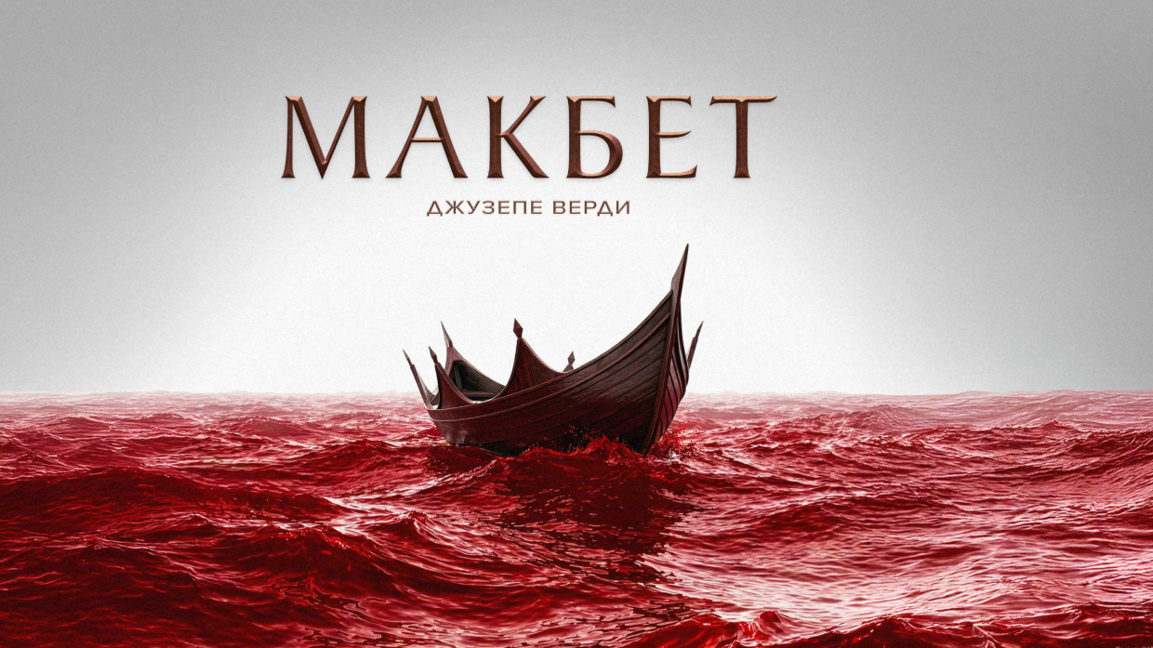
PHOTO Sofia Opera and Ballet
Font size
Opera lovers in the Bulgarian capital Sofia eagerly await the new staging of Verdi’s Macbeth, inspired by the dramatic masterpiece of William Shakespeare. The premiere in the Sofia Opera is set for February 25, followed by four further performances through March 1.
At a press conference dedicated to the forthcoming event, the production director Vera Petrova described Macbeth as “one of the most beautiful operas, among the most impassioned musical scores, with an extraordinary richness of musical color.”
In his renowned study Shakespeare, Our Contemporary, the distinguished Polish critic and theatre scholar Jan Kott observes that every historical epoch discovers in Shakespeare what it seeks - or what it longs to see. “For this very reason,” he writes, “the man of the 20th century is not horrified - one might even say not astonished - by Shakespeare’s cruelty. He regards the struggle for power and the mutual annihilation of the protagonists far more calmly than did many generations of nineteenth-century spectators and critics - more dispassionately, or at least more rationally.”
If nineteenth-century audiences were shaken, moved, and enchanted by the incomparable Bard of Avon, then Giuseppe Verdi - one of that century’s towering musical figures - harbored a particular devotion to Shakespeare’s art. The result was three operatic masterpieces: Macbeth, Otello, and Falstaff. According to Vera Petrova, in the first of these, “the astonishing symbiosis between Shakespeare’s dark sarcasm and the pathos-laden, passionately beautiful musical language of the great Verdi makes bringing the story to life an immense challenge for any creative team.”
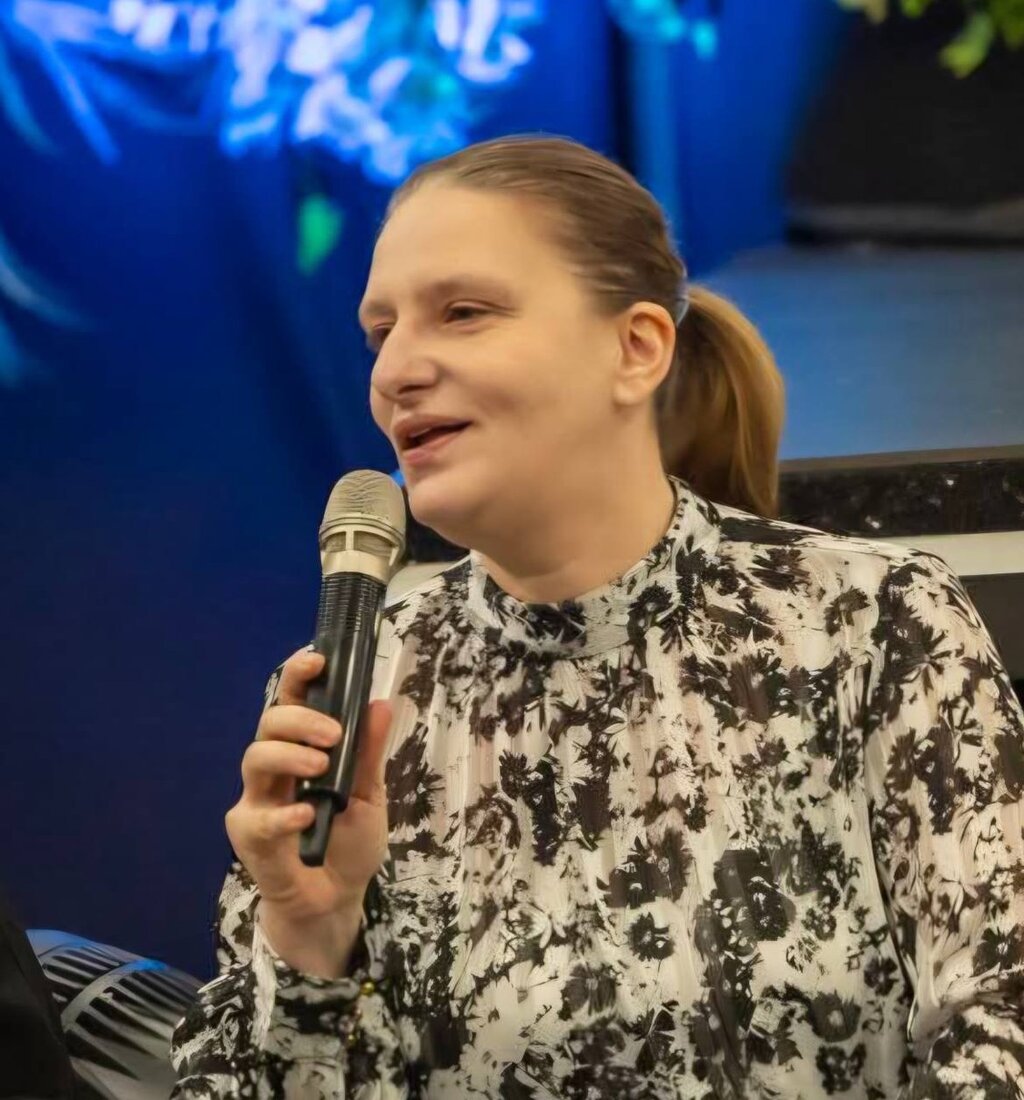
Vera Petrova, director of the Macbeth production
PHOTO Sofia Opera and Ballet
Director Vera Petrova and set designer Maria Koleva have chosen to adhere closely to Verdi’s stage directions in an interpretation that preserves the integrity of the opera’s narrative.
“The silhouettes and sets evoke the Middle Ages - somber and foreboding, much like what we regrettably witness even in our so-called enlightened daily lives: murder, ambition, power, blood. The whole world submerged in sinister blood - there is nothing new under the sun. Yet we recount it as a fantasy thriller. The aesthetic is striking - Gothic doors like blades, perpetually suggesting the danger that looms over us. We have an extraordinary character without text - though he exists in Shakespeare - portrayed by our great ballet artist Alexander Alexandrov. We hope to tell a story that is truly fantastical, while preserving the psychological thriller that unfolds between the principal characters. For me, this title offers no answers; it poses the gravest questions: Who are we? Why are we? Why have we been born? Does human life have meaning - and if so, what is it?”
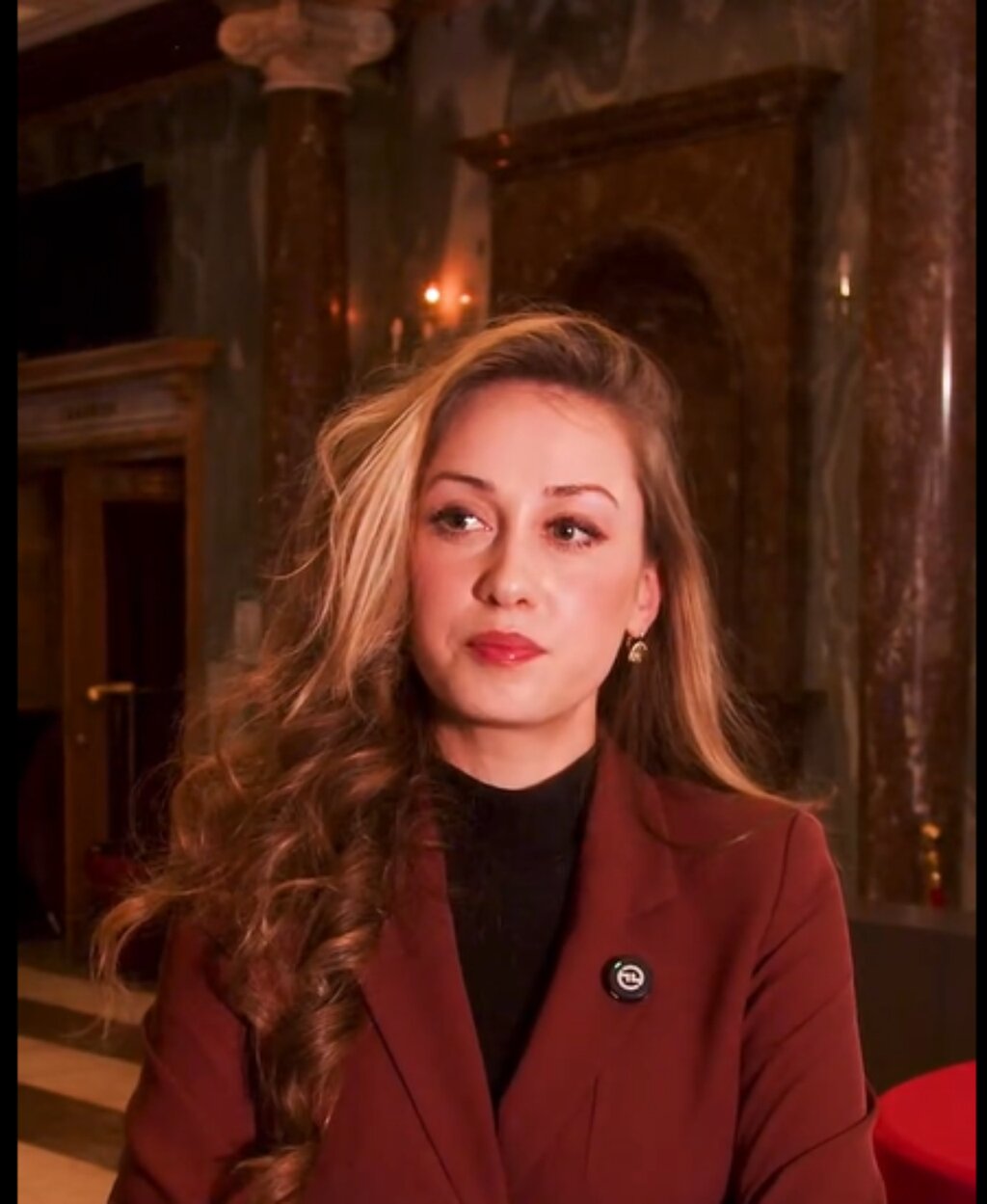
Maria Koleva, set designer
PHOTO Sofia Opera and Ballet
“We sought a stage image that would become a symbiosis between the real and the metaphysical within this text. Thus were born those massive architectural structures Vera mentioned - those blade-like forms that allude to the historical epoch without illustrating it literally. The prevailing palette is more monochrome, darker, in order to evoke an era that stands among the gloomiest in architectural history, with as little light as possible…
We are also working with highly evocative textiles which, through the witches, create the illusion of shadows wading through a vast pool of blood, as though dissolving into the very air. These are the principal silhouettes - largely fluid in nature. The witches possess extraordinary physical expressiveness, which animates the costumes and truly brings them to life. Thanks to this movement, an even more compelling stage image will emerge,” Maria Koleva concluded, making special note of the work of choreographer Riolina Topalova.
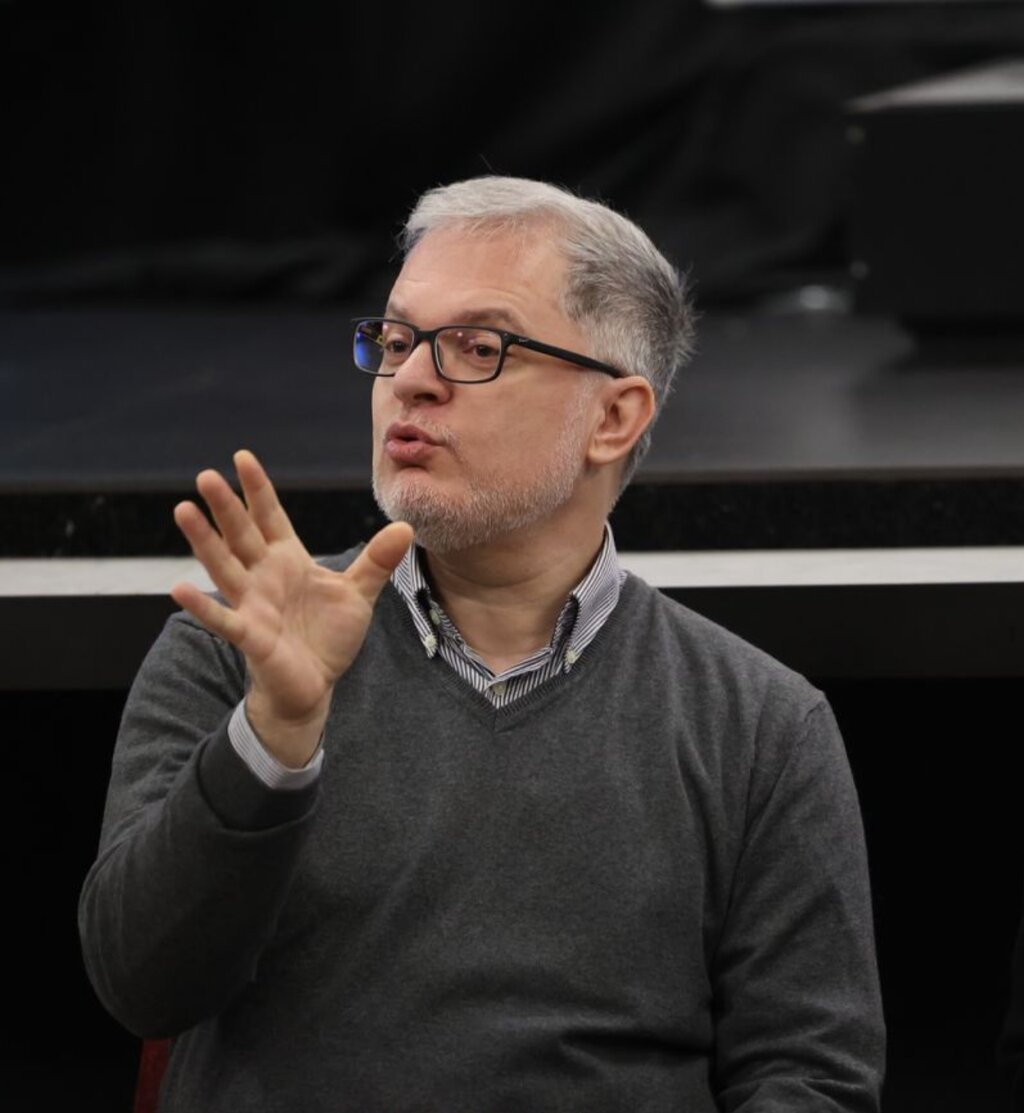
Guest conductor Alessandro D'Agostini
PHOTO Sofia Opera and Ballet
Guest conductor from Italy, Alessandro D’Agostini, shared his admiration for the Sofia Opera’s chorus and orchestra, praising their remarkable potential and expressing satisfaction with the achieved results. He described the soloists as an extraordinary ensemble - singers ready to fulfill every one of Verdi’s exacting instructions, so essential to unlocking the opera’s full splendor.
Baritone Ventseslav Anastasov, who will perform the role of Macbeth, has known the work since earliest childhood:
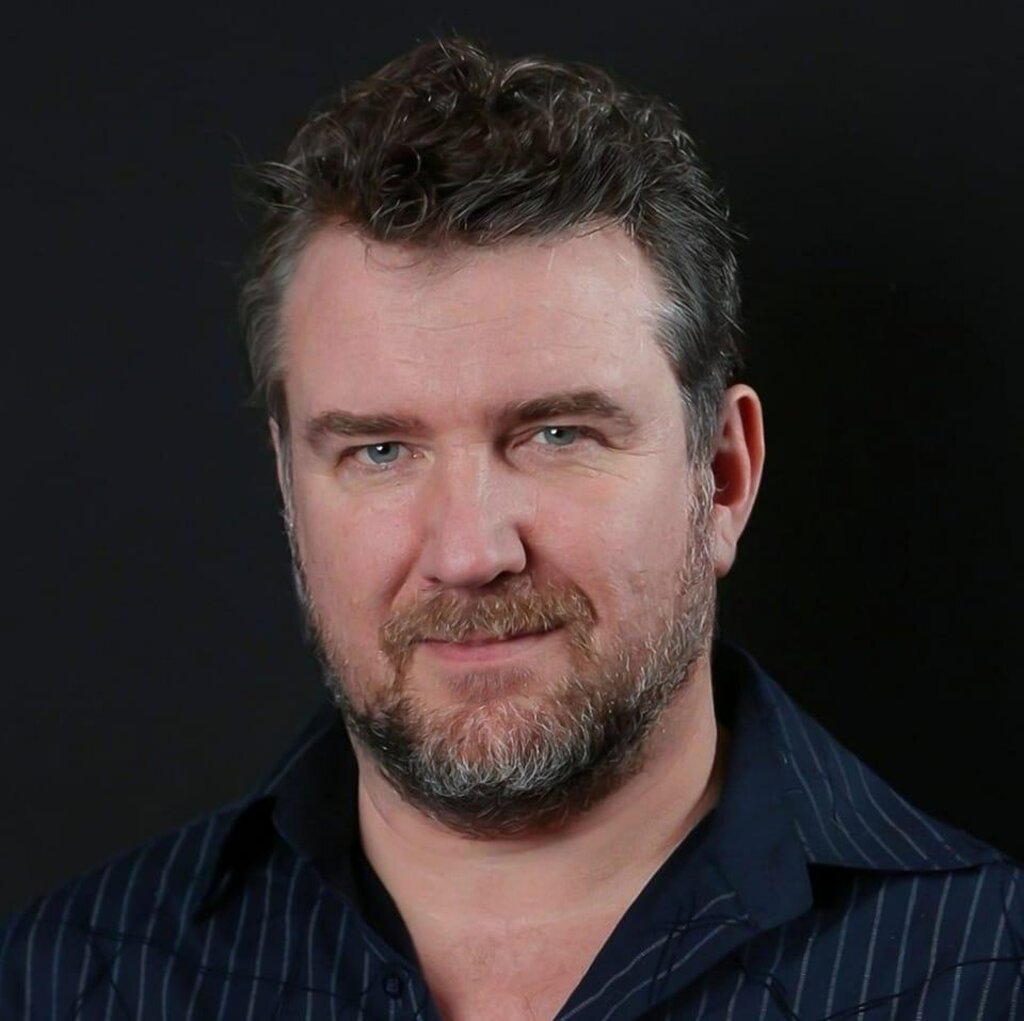
Baritone Ventseslav Anastasov
PHOTO Facebook/ Ventseslav Anastasov
“I was three years old when my parents, Maria Ventsislavova and Anastas Anastasov - leading soloists of the Ruse Opera - performed Macbeth and Lady Macbeth. That is why this opera is profoundly special to me. My father, who sang Macbeth, gave me certain insights that I still carry within me. In shaping the role, he always imagined that Macbeth and Lady Macbeth are in fact the two halves of a single being. Both live within him; and at different moments in the story, one or the other prevails - just as good and evil contend within each of us.”
One of the aspects that most resonates with the Sofia Opera’s prima Radostina Nikolaeva is that, in Vera Petrova’s interpretation, Lady Macbeth need not be portrayed as relentlessly cruel. The aim is not to foreground her brutality, but rather the opposite - to reveal her vulnerability through her love for her husband. It is precisely through this love, which becomes her weakness, that her human dimension emerges, along with her capacity to suffer.
“An extraordinarily fascinating and demanding role,” says another interpreter of Lady Macbeth, opera singer Gabriela Georgieva.
“A role of extreme contrasts - dynamically, vocally, dramatically. It is the story of a woman who is fiercely ambitious and at the same time deeply in love with her husband. A woman who does the impossible to support him, casting aside everything feminine, everything a woman might hold dear, so that she may stand beside him like a rock. She understands that he is a man who desires power - yearns for it - but lacks the strength to attain it alone. She pays with her life for having created a monster in her effort to sustain him. He becomes a tyrant, a man who steps over corpses. And perhaps it is not only her guilty conscience, but also the horror of what she has fashioned out of the man she loved, that drives her toward that final unraveling, toward madness. A profoundly compelling role…
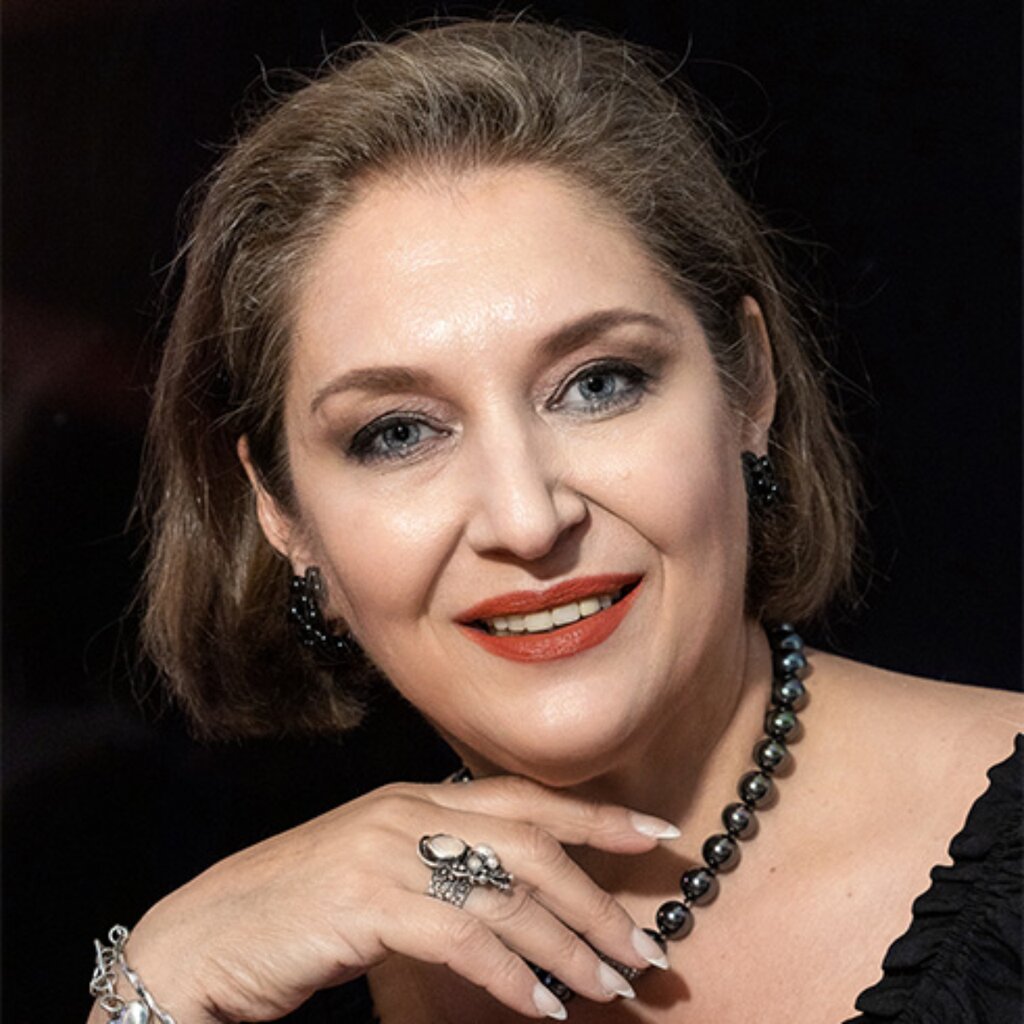
Gabriela Georgieva
PHOTO Sofia Opera and Ballet
“Come and experience Vera Petrova’s reading - so profound, so meaningful, so provocative for us as performers. I thank Maestro D’Agostini for being a conductor who loves singers, who supports us and knows how to guide the process toward the best possible result. The entire team is superb. The costumes are extraordinarily beautiful. I sincerely hope that what we present will inspire you and make you reflect on life,” says Gabriela Georgieva.
“Discovering in Shakespeare’s plays the problems of our own time, contemporary audiences often - and quite unexpectedly - realize how close they are to the people of the Elizabethan age, or at the very least how fully capable they are of understanding them. This is especially true of the history plays,” writes Jan Kott.
In the new production of Macbeth in Sofia, the grand scale of the staging, the striking scenographic vision, and the glittering cast of soloists promise one of the most significant cultural events of the season.
English: R. Petkova
This publication was created by: Rositsa Petkova