


Author
Vesela Krasteva
News
A Lesson on Bulgaria: Knowledge becomes shield for Bulgarian children in Skopje
Students from the Bulgarian Sunday School “Zdravei” in Skopje visit the old Bulgarian capitals
Wednesday 25 February 2026 09:10
Wednesday, 25 February 2026, 09:10
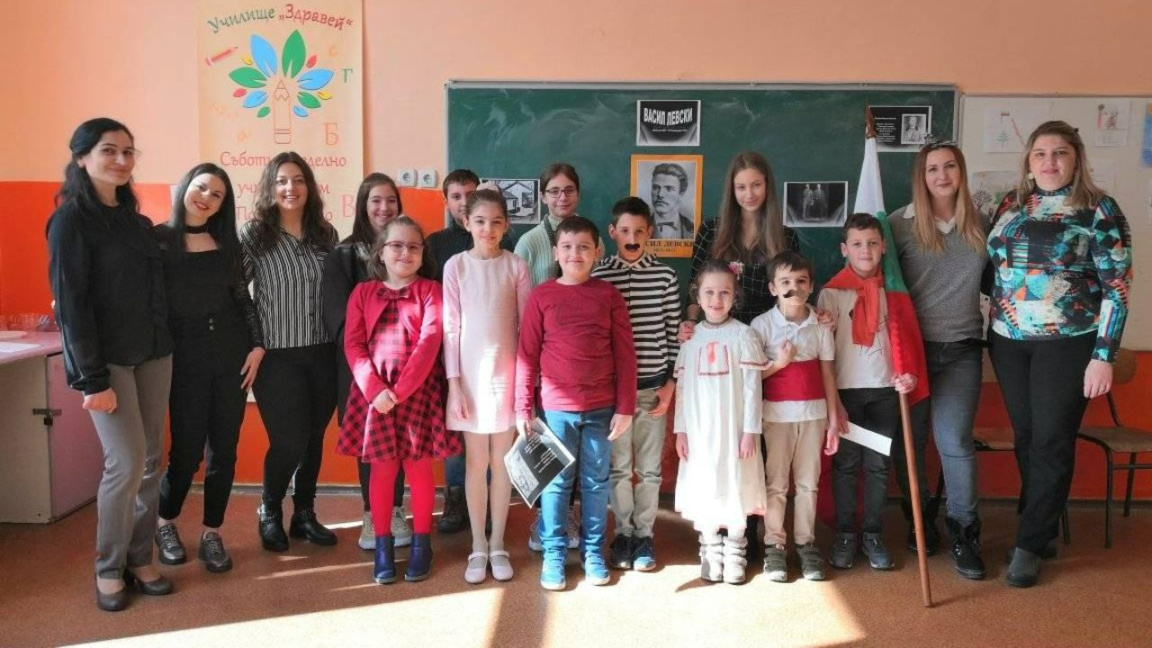
PHOTO Facebook /Bulgarian Sunday School ''Zdravei''
Font size
One of the first things Bulgarians say to each other when they meet is “Zdravei!” Informal, simple, yet heartfelt. In Macedonian, the equivalent phrase is “Zdravo!” Similar, but not quite the same. Close languages, close peoples, one border apart—but a whole human divide, judging by recent events and “incidents”. Today, however, we extend a hand and say “Zdravei!” through a special and emotional “Lesson on Bulgaria” presented by the students of Bulgarian Sunday School “Zdravei” – Academy for Innovative Education in Skopje, Republic of North Macedonia, and its director, Iliyana Atanasova.
The only functioning Bulgarian educational institution in Bulgaria’s southwestern neighbor was founded in 2017, though its activities began several years earlier. The reason is deeply personal—a strong desire by a few Bulgarian mothers to teach their children to say “Zdravei!” (Hi!) to Bulgaria— turning their roots into a source of strength rather than a vulnerability. One of these mothers is Iliyana Atanasova, who took on the mission of founding a Bulgarian school in the heart of North Macedonia, 75 years after the last one was closed.
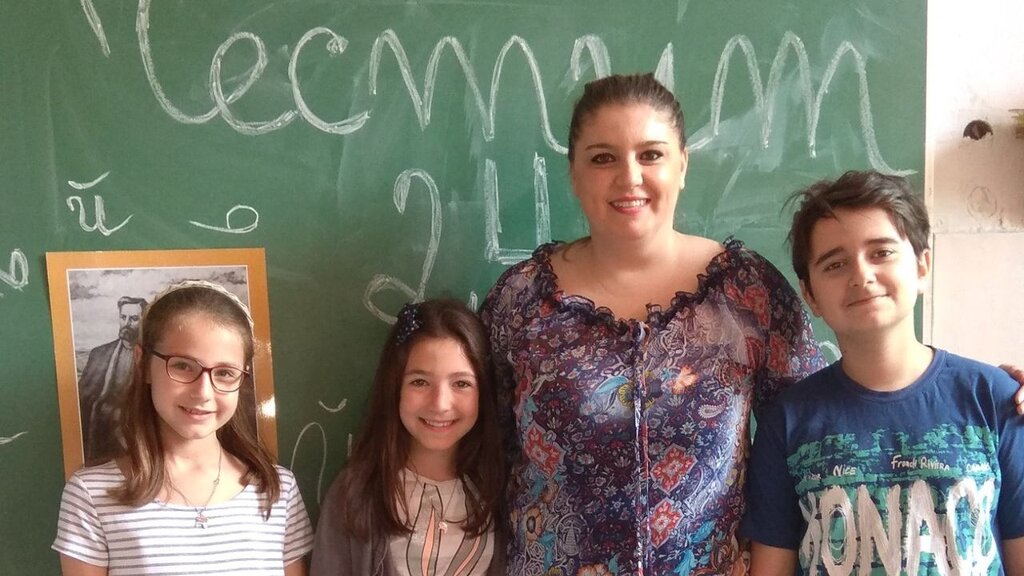
PHOTO Facebook /Bulgarian Sunday School ''Zdravei''
“The personal motivation and the strong desire for our children to be educated in their mother tongue is at the heart of creating the Sunday school in Skopje”, says Iliyana Atanasova, with the determination of someone confident in her decision.
It hasn’t been easy at all. Our compatriot’s connection to Bugaria’s western neighbor is, as she admits, “romantic and personal.” It began 25 years ago at South-West University “Neofit Rilski” in Blagoevgrad, with a love story that divided her life into “there” and “here.”
Iliyana herself is an economist and worked for many years in the private sector. For the past two decades, she and her family have lived in Skopje. Iliyana has more:
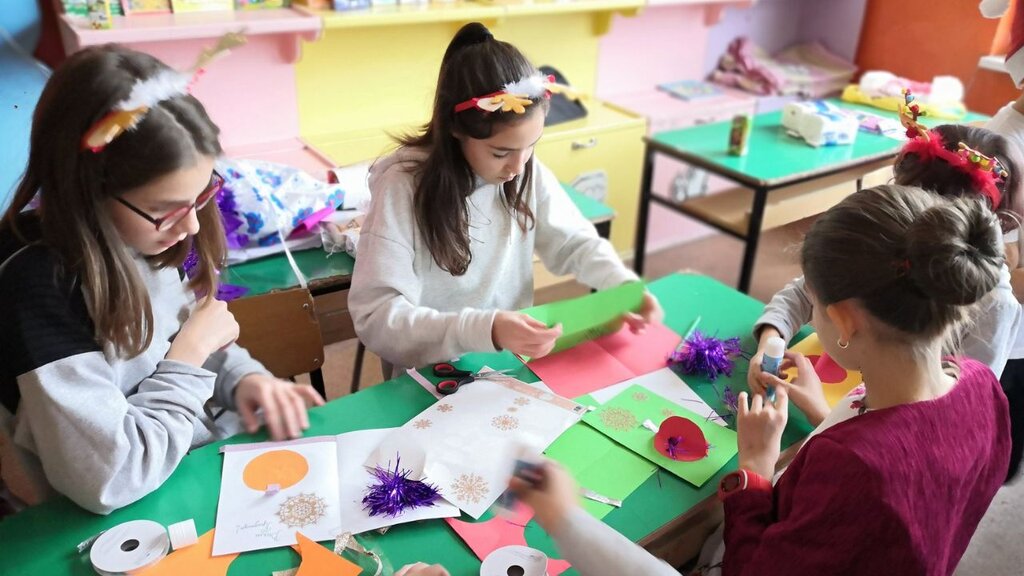
PHOTO Facebook /Bulgarian Sunday School ''Zdravei''
“You don’t need any special education to love Bulgaria and know its traditions. It’s in our genes, in our blood. Starting such a project as a non-specialist is challenging—you may not know all the nuances—but nothing is impossible. If someone truly wants to accomplish something, they will find a way”, says Iliyana Atanasova.
Today, the Bulgarian Sunday School “Zdravei” educates children from grades 1 through 12, and this school year it has also introduced a preschool group for children aged 4 to 6, which the entire staff is very proud of. The Academy for Innovative Education, as the school is also called, is particularly valuable for those who wish to continue their studies at Bulgarian universities. A specially organized preparatory course for university applicants supports this goal—over 100 children go through it each year on their way to earning their dream diploma.
Interest is high because many parents here are aware of the quality of education in Bulgaria, says the director. Traditionally, the most popular fields include medicine, dentistry, pharmacy, IT, and arts, Iliyana Atanasova explains.
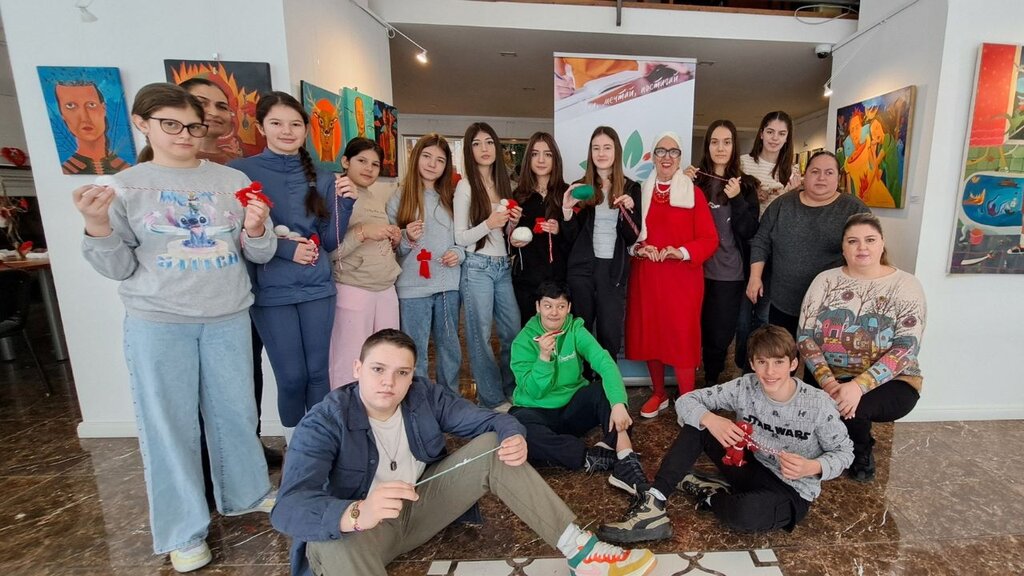
PHOTO Facebook/Bulgarian Sunday School ''Zdravei''
The conversation also touches on a number of events in recent years, including attacks on our compatriots in North Macedonia and the desecration of Bulgarian cultural centers, as well as the attitude and language of the local people and the authorities toward Bulgarians. Iliyana Atanasova admits that even after the French proposal paved the way for the start of EU accession negotiations, there was a noticeable decline in the number of prospective students wishing to study in Bulgaria. How, then, is Bulgarian language and culture taught in such an environment?
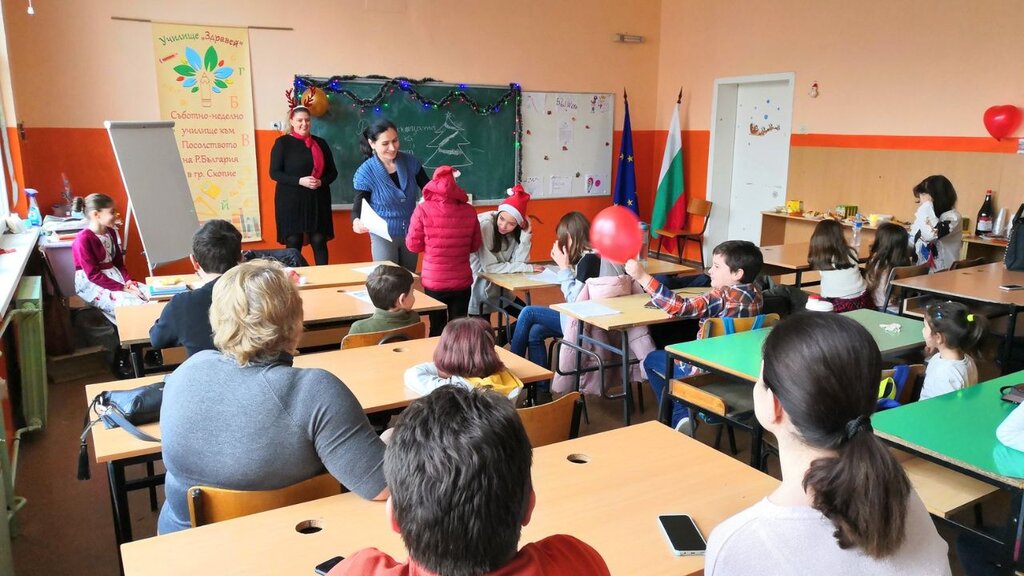
PHOTO Facebook /Bulgarian Sunday School ''Zdravei''
“It’s not easy, I won’t lie to you. Every day we face hate speech. It’s truly unpleasant! We’ve seen a slight decline in the number of Macedonian Bulgarians enrolling. There is an information blackout here—facts don’t reach people, only fragmented pieces of information, which contributes to this language of hatred and physical attacks.”
Education, critical thinking toward the information presented, and the family environment are crucial prerequisites for shaping true and fully-fledged Europeans, believes Iliyana Atanasova. She also acknowledges that the National Program “Bulgaria – Educational Routes” is extremely valuable in her work as an educator of Bulgarians. After careful consideration and some hesitation, she decided to apply to the program in 2025, and the Bulgarian Sunday School “Zdravei” was selected to carry out the route “The Old Capitals of Bulgaria.” The group included all students who wished and were able to participate, from grades 1 to 12.
They shared their impressions with Radio Bulgaria by creating a special video for our initiative “Lesson in Bulgaria,” in which they spoke about their school and their experiences during the five-day journey across the country.
“From June 17 to 21, 2025, we took part in the educational route ‘The Old Bulgarian Capitals’, which took us on a journey through Bulgaria’s history, culture and spirituality. From Sofia to Pliska, Veliko Tarnovo, and the Architectural and Ethnographic Complex Etar. The trip was a true immersion in the past—an encounter with the grandeur of the first Bulgarian capitals and with the memory of kings who were scholars and builders of the nation’s spirit”, says fifth-grader Viktor Vasilevski. The school’s director adds:
“It is very important for children to truly feel Bulgaria. It should not be some abstract concept, nor just the house, yard, or apartment of their grandparents. They need to see and experience everything they learn about. That’s why I believe this program is so important. The children experienced Bulgaria!”
Iliyana Atanasova is adamant—the children not only acquired substantial and lasting knowledge about Bulgaria, but they also had the chance to get to know one another better. Although most of them had visited Bulgaria before, the places they explored together with their classmates were completely new to them.
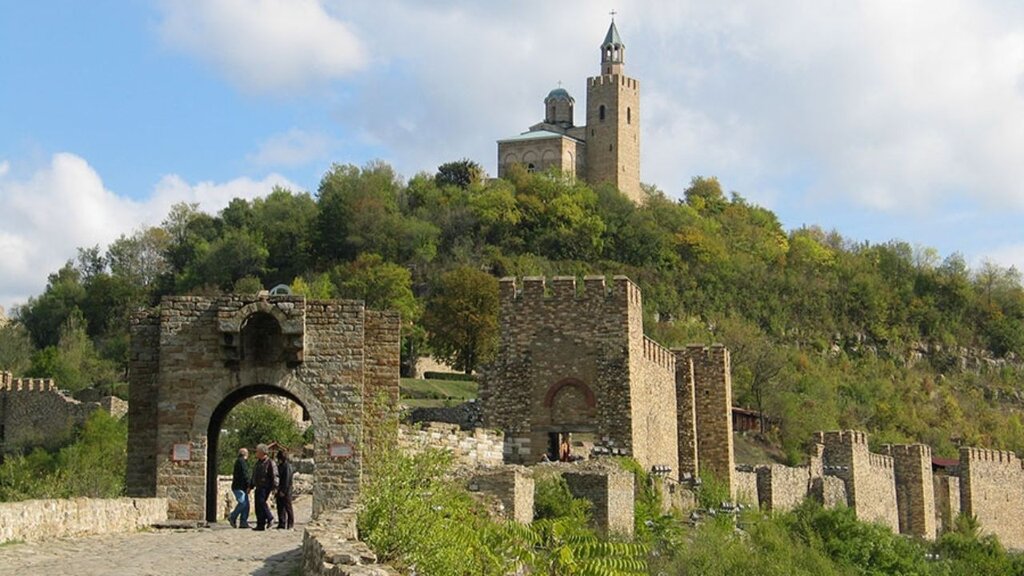
Tsarevets Fortress
PHOTO Bulgarian Tourist Union
“One of my favorite places during the trip was the Tsarevets Fortress in Veliko Tarnovo. The kings and queens of the Second Bulgarian Empire once lived there. There is also a church with very interesting frescoes. Tarnovo ceased to be the capital of Bulgaria when the country was conquered by the Ottoman Empire. That marked the end of the Second Bulgarian Empire. I really liked Tsarevets and Veliko Tarnovo in general”, says Viktor Vasilevski.
“Grandeur, knowledge, and inspiration — these are the three words that best describe our educational journey”, adds his classmate, Samira Sadiki.
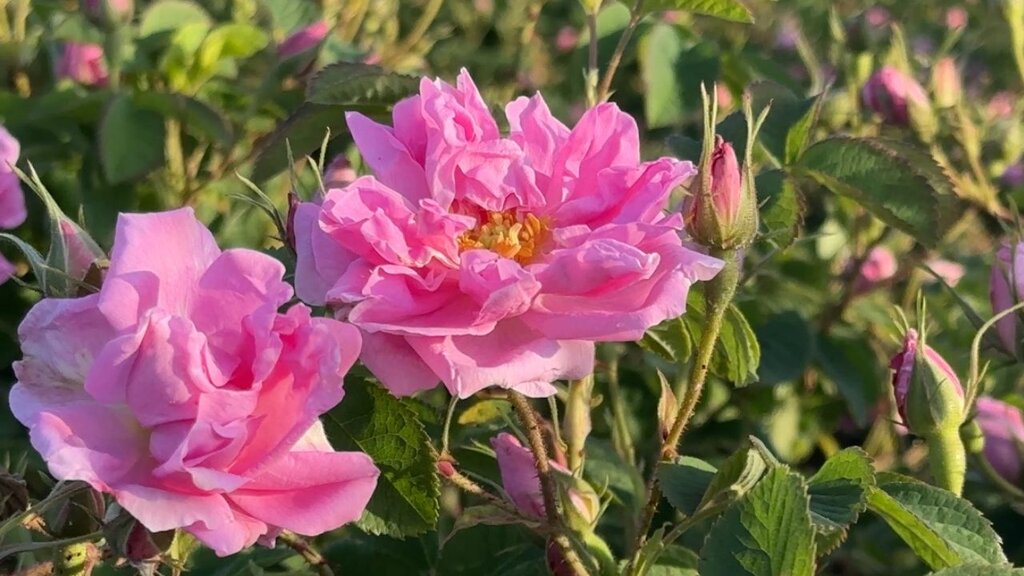
PHOTO BTA
In 2026, the Bulgarian Sunday School “Zdravey” will once again travel along the Ministry of Education’s “Educational Routes.” This time, the group will consist of 15 children, who will immerse themselves in the National Revival period and, in early June, take part in the rose-picking in the Valley of Roses.
Translated by Kostadin Atanasov