


Author
Vladimir Mitev
News
Svetlana Karadzhova is a pillar of the Banat Bulgarian community
As a teacher, activist and researcher, she sustains the cultural bridge connecting Banat Bulgarians to their ancestral roots
Thursday 26 February 2026 17:25
Thursday, 26 February 2026, 17:25
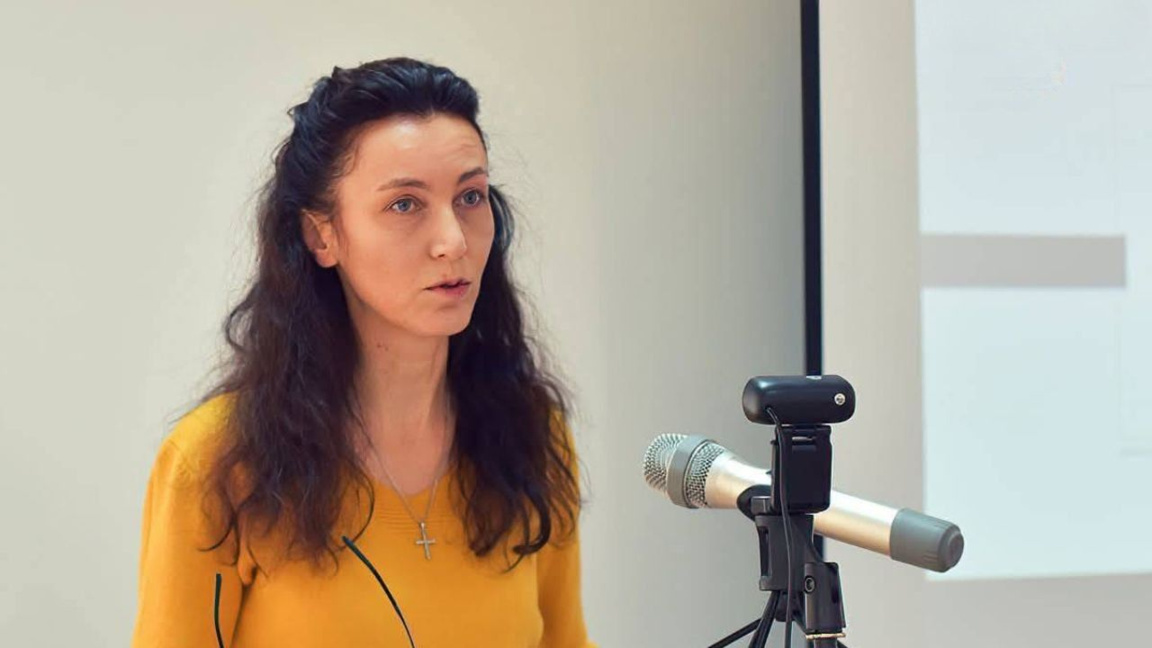
PHOTO Falmis.org
Font size
For Svetlana Karadzova, the cause of the Banat Bulgarians is not merely a subject of academic research, but a life journey she has pursued between her native village of Bardarski Geran in north-western Bulgaria, Sofia, and Timișoara in Romania. For nearly three decades, she has worked to build spiritual, linguistic and institutional bridges linking the dispersed community across Romania, Serbia and Bulgaria.
At the heart of this work lies the concept of ‘Falmis’ — a name rich in symbolism. Derived from the traditional Catholic greeting ‘Praised be Jesus’ (in the Banat Bulgarian dialect, ‘Falin budi Isus’), it has been shortened by the community to a single word: ‘Falmis’. It is the greeting exchanged in the street, a recognisable marker of identity that binds the community together.

PHOTO falmis.org
It all began in 1998 with the publication of a bulletin bearing the same name. Its design, combining Cyrillic and Latin scripts, visually reflected the two writing systems used by the Banat Bulgarian community. Today, ‘Falmis’ is far more than a publication; it is a brand under which the Banat Bulgarian Society in Bulgaria operates, together with its most vibrant branch — the dance ensemble of the same name.
Founded in Sofia in 2016, the ensemble serves as a ‘treasure chest’, preserving not only the authentic folklore of the Banat Bulgarians, but also that of Hungarians and Poles, whose cultural centres in Sofia work closely with the society. Its mission is to safeguard dances from settlements where there are no longer young people to perform them, turning the stage into a space of living memory.
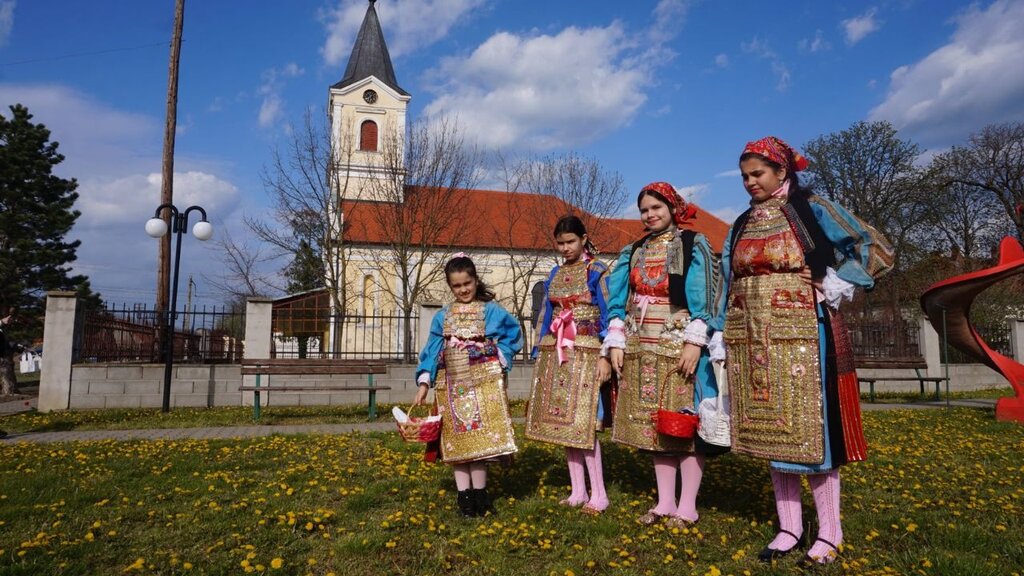
Banat Bulgarians in Stár Bišnov (Dudeştii Vechi), Romania.
PHOTO БТА
From Folklore to Scholarship and Philosophy
One of the key aspects of Svetlana Karadzhova’s work is her determination to raise the profile of the Banat Bulgarians within academia.
She is currently initiating and actively involved in large-scale research projects funded by Bulgaria’s National Science Fund, in partnership with the Institute for Bulgarian Language ‘Prof. Lyubomir Andreychin’. These projects examine in parallel the historical trajectories of the Banat and Bessarabian Bulgarians, seeking points of contact between these ‘separated branches’ of the Bulgarian people. Karadzhova emphasises the importance of grounding the subject in serious scholarship:
‘I came to realise — not without the help of others — that unless we raise the conversation about the Banat Bulgarians beyond a purely folkloric or ethnographic level, other Bulgarians will not regard this community as their equal. Scholarly work is also a bridge, as all my efforts are directed towards drawing attention to the Banat Bulgarians and fostering contact and communication with Bulgarian society as a whole.’
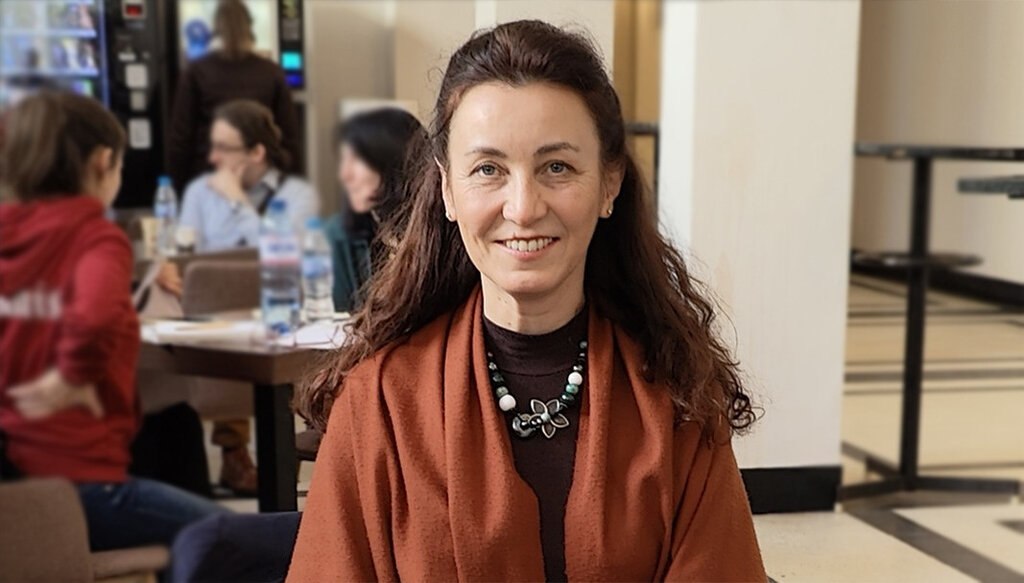
PHOTO Facebook / Svetlana Karadzhova
Now living in Timișoara and teaching Bulgarian at the West University, Karadzhova adopts a hands-on activist approach, particularly in Dudeștii Vechi — the largest Banat Bulgarian settlement in Romania.
Working with communities requires constant enthusiasm, especially in the face of the strong assimilation Karadzhova observes in settlements around Bucharest, such as Popești-Leordeni and Cioplea. She believes that setting a personal example is paramount, which is why she is actively learning Romanian in order to better understand the community’s spiritual world and to build bridges with Romanian society. This approach is already bearing fruit: her articles are being published in Romanian academic journals, and Romanian students in Timișoara are showing a keen interest in studying Bulgarian.
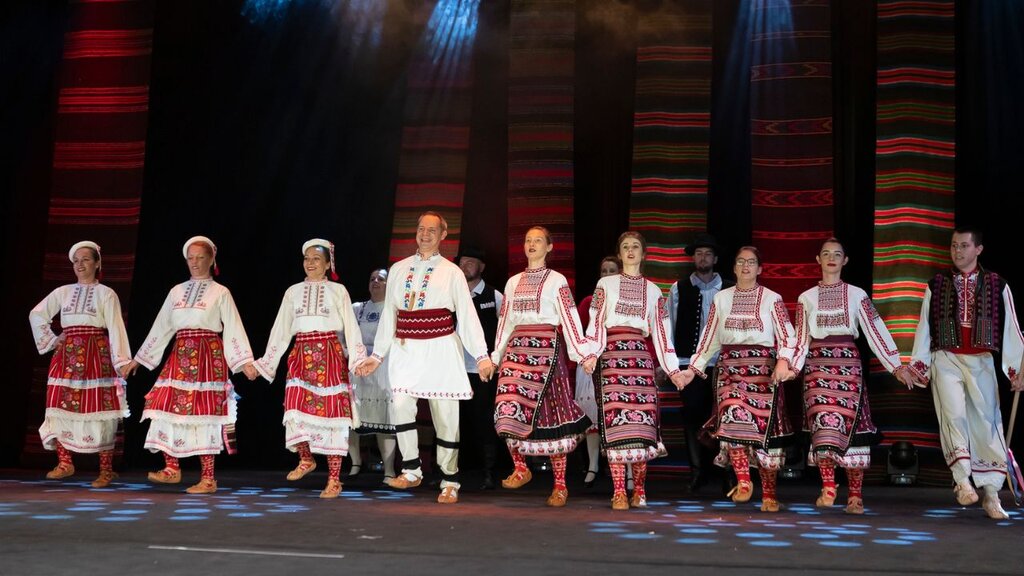
PHOTO Falmis.org
‘Culture is a process,’ she says. ‘If each of us contributes our own skills and knowledge, we enrich the whole. If we remain conscious that ideas must circulate between Romania, Bulgaria and Serbia, and that people inhabit a kind of virtual togetherness — one in which language, memory and culture coexist alongside a shared vision of our common future — then I believe we will all have fulfilled our duty.’
The Future of the Community
Despite the challenges of a “disintegrating world”, Svetlana Karadzhova remains optimistic. She sees the Banat Bulgarians as natural mediators between the countries in which they live.
The year 2026 is set to be significant: the ‘Falmis’ ensemble will mark its tenth anniversary; Karadzhova’s new book will be launched; and a major international conference bringing together scholars from Bulgaria and Romania will take place.
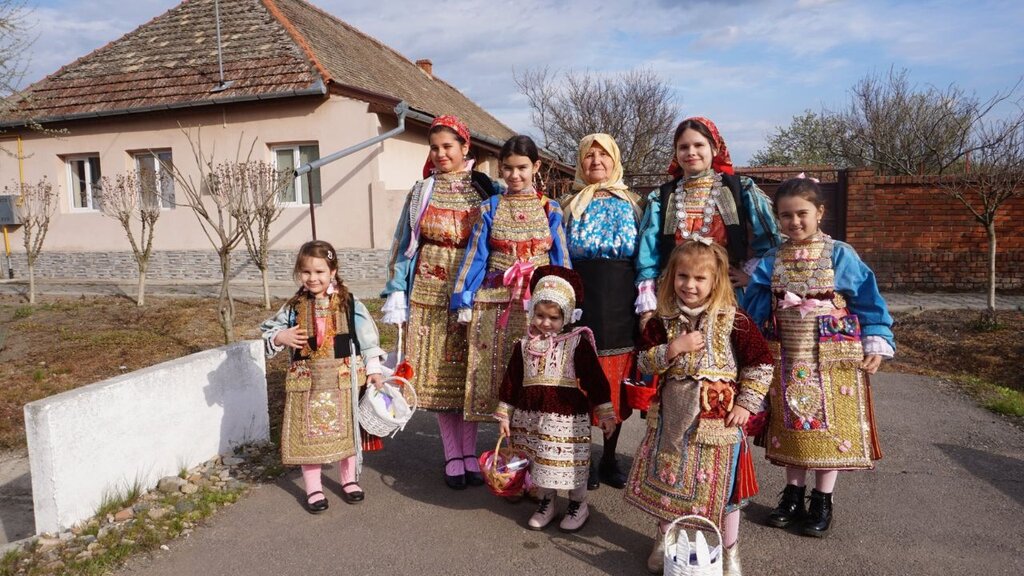
PHOTO BTA
Karadzhova describes her community’s inner motivation as follows:
“The Banat Bulgarians have a particularly strong sense of duty. Each believes they have a mission to accomplish something meaningful for the community. However self-contained they may seem at first, once you get to know them better, you realise that they truly believe they must contribute, through what they do best, to the shared process of preserving memory and language.”
By interweaving scholarship, folklore and everyday activism, Svetlana Karadzhova demonstrates that identity is not a static inheritance but a dynamic process — one that requires the continual “creation of events” and an uncompromising spirit.
Editor: Elena Karkalanova
Posted in Englisn by E. Radkova
This publication was created by: Elizabeth Radkova