


Friday 27 February 2026 12:47
Friday, 27 February 2026, 12:47

PHOTO verbraucherzentrale.de
Font size
EU proposes talks to remove roaming charges with the Western Balkans
The European Commission has proposed starting negotiations with the Western Balkan countries to join the EU’s “Roam Like at Home” scheme, the institution said in a press release. If the proposal is approved by the EU Council, Brussels will begin talks with Albania, Bosnia and Herzegovina, Kosovo, Montenegro, North Macedonia, and Serbia.
The goal is that, once the agreements are finalized and national rules are aligned with European requirements, customers from these countries will be able to use mobile services in the EU without additional roaming charges. The same will apply to EU subscribers when traveling in the region and making calls to subscribers in the Western Balkans.
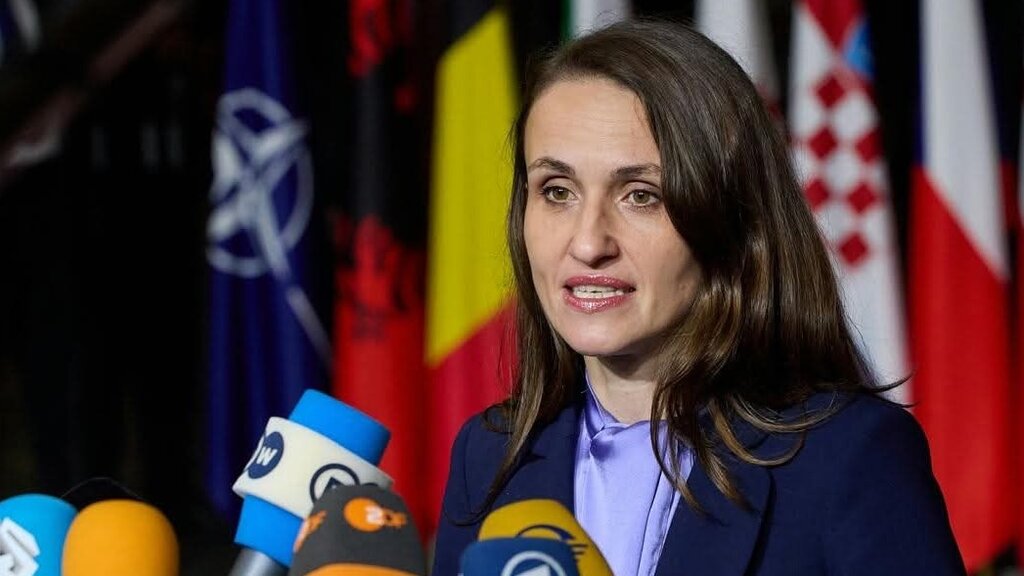
Oana Țoiu
PHOTO usr.ro
Romania calls for the withdrawal of Russian troops from Transnistria
Romania has a longstanding position that the Russian troops from Transnistria need to be withdrawn, Foreign Minister Oana Țoiu said ahead of the Foreign Affairs Council in Brussels. “This is our position for years, and we support that this has become a European position as well”, Minister Țoiu emphasized, according to Agerpres.
She noted that she has held talks with Moldovan President Maia Sandu and with the Moldovan government. According to her, there are reasons to hope that the region could be integrated into the country’s European future, but the withdrawal of Russian forces remains a necessary condition.
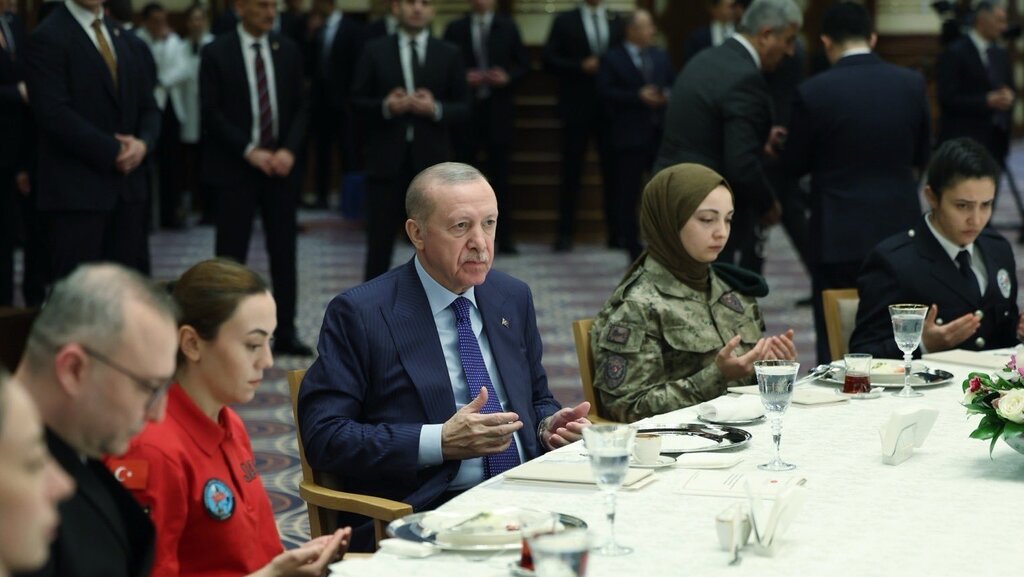
Recep Tayyip Erdoğan
PHOTO Daily Sabah
72-year-old Recep Tayyip Erdoğan seeks support for a new term
As the opposition in Türkiye pushes for early elections, the ruling Justice and Development Party has expressed support for its leader, Recep Tayyip Erdoğan, to run for another presidential term, reports Daily Sabah. So far, Erdoğan has largely remained silent about his future candidacy, though he recently admitted that he would be open to running again if the public supports him, Daily Sabah noted.
The news comes amid controversy over Erdoğan’s support for introducing Ramadan-related activities in public schools. Opposition Republican People’s Party leader, Özgür Özel, argued that religious education is a matter for parents to decide, and that introducing it in schools will create divisions among the younger generation.

Zejna Murkić
PHOTO Facebook/Zejna Murkić
The song “Jugoslavija” is a favorite to represent Serbia at Eurovision
Eurovision once again casts long political shadows, writes the German newspaper Frankfurter Rundschau. According to the publication’s Belgrade correspondent, Thomas Roser, if Serbia sends the song “Jugoslavija” by 39-year-old Roma singer Zejna Murkić to the final in Vienna in May, it could spark “a new Balkan dispute.”
“Jugoslavija is a metaphor and Jugoslavija is a dream. My song is about love, people, unity and hope,” says Murkić, known for supporting student protests.
The former Yugoslav republics do not share this view following the bloody breakup of Tito’s Yugoslavia, comments BGNES.
The song’s chorus includes the lines:‘’Yugoslavia is you and me, the prayer and heaven. They are gold and silver. I'm your last hope. Yugoslavia is you and me, destruction and silence, the light and the force. I brought you love’’.
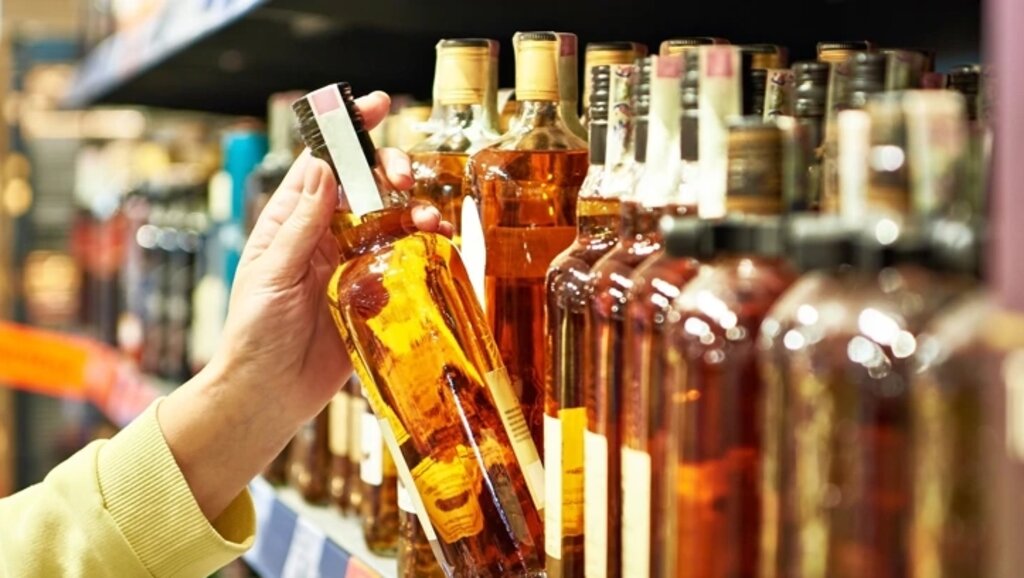
PHOTO vijesti.hrt.hr
Croatia plans to ban alcohol sales after 8 p.m.
A bill proposed by the Croatian government will ban the sale of alcoholic beverages after 8 p.m. in all retail outlets, except for catering establishments and restaurants. The survey HRejting, conducted for the state broadcaster HRT by the agency Promocija Plus, shows that over 55% of respondents support the measure, 5% have no opinion, and 40% are largely or completely opposed.
45% believe the restriction aims to reduce alcohol consumption among young people, and prevent late-night binge drinking. 17.5% think the goal is to bring more order in tourist areas, and nearly 12% believe the intention is to curb tourists’ public drinking. One-third of respondents do not expect any effect from the change.
Edited by Ivo Ivanov
Translated by Kostadin Atanasov
This publication was created by: Kostadin Atanasov