


Author
Gergana Mancheva
News
Bulgaria celebrates the Day of Amateur Arts on 1 March
For 170 years, Bulgaria's chitalishte institutions have safeguarded the country's culture and identity
Sunday 1 March 2026 14:20
Sunday, 1 March 2026, 14:20
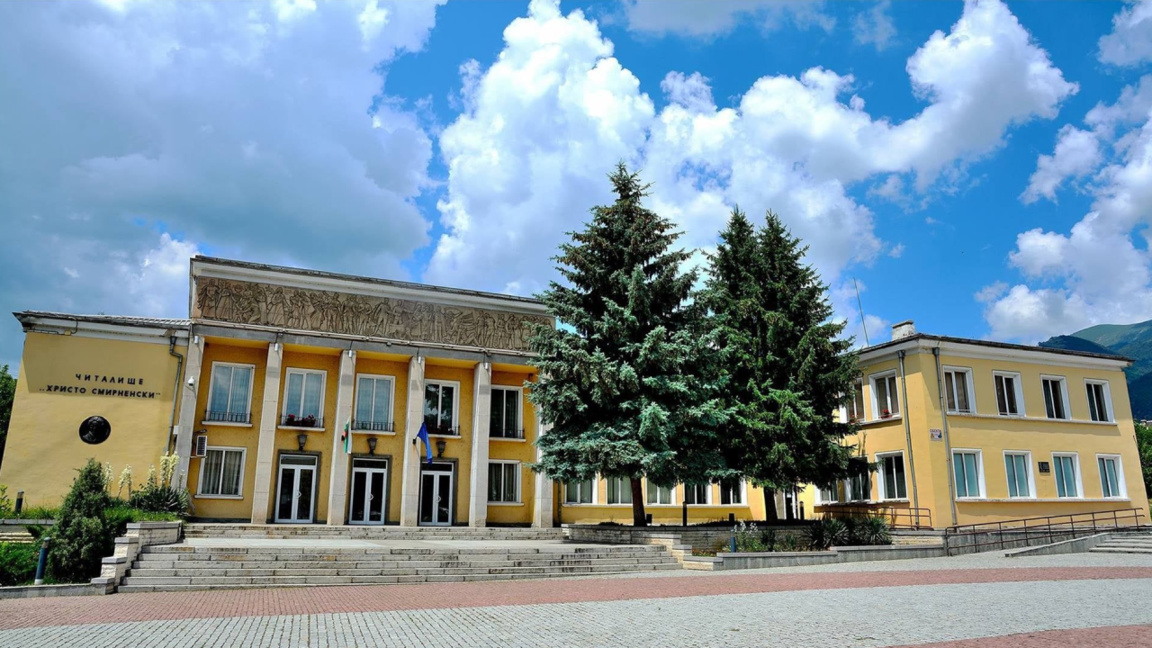
PHOTO The "Hristo Smirnenski – 1889" Chitalishte in Zlatitsa
Font size
Amateur performers are the people who breathe life into, and carry forward, one of Bulgaria’s oldest and most distinctive institutions of the National Revival period: the chitalishte. These community cultural centres emerged even before Bulgaria regained its freedom and independence after five centuries of Ottoman rule.
In 2026, Bulgaria marks 170 years since the establishment of the first Bulgarian chitalishte. For those unfamiliar with the term, a chitalishte is a unique community institution combining educational, cultural, and civic functions. The first such centre was founded in the town of Svishtov in January 1856, under the name "Elenka and Kiril D. Avramovi." Two further chitalishte centres were established that same year—in Shumen and Lom.
Today, their number across Bulgaria has reached an impressive 3,500. In towns and villages alike, these institutions remain focal points of community life. Many so-called “people’s chitalishte” still bear the year of their founding within their names. Even in today’s fast-paced, modern world, these centres have remained true to their original mission. Alongside reading rooms and libraries, they host music, dance, and theatre groups, sports activities, foreign-language classes, and literary events. Public discussions and celebrations of significant historical dates are organised there, while traditional rituals and folk customs are regularly recreated.
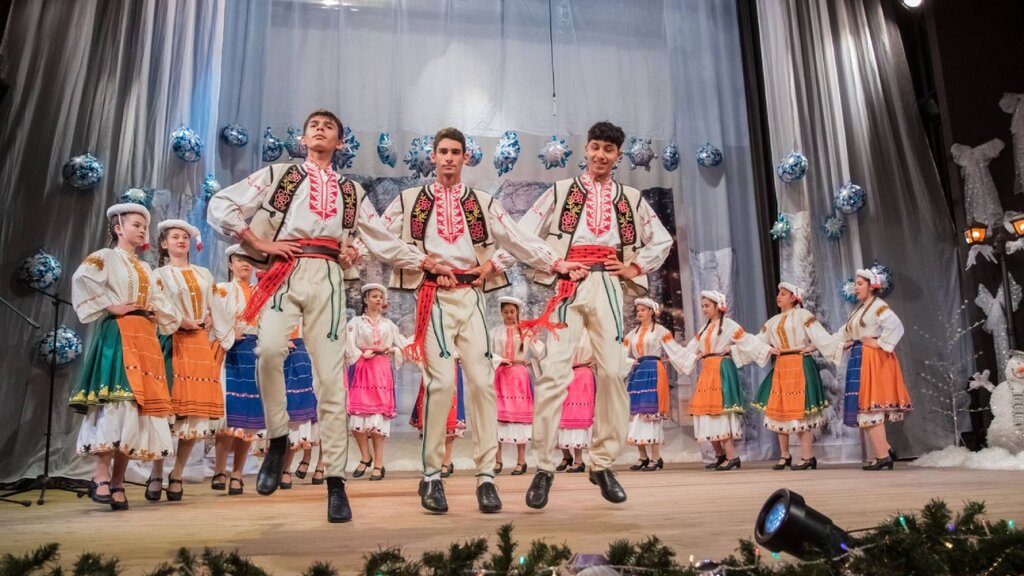
PHOTO The "Hristo Smirnenski – 1889" Chitalishte in Zlatitsa
More than once, the stage of a small-town chitalishte has been the place where a future renowned singer or actor first discovered their talent. Yet the most devoted guardians of the traditions preserved within these walls remain the amateur artists themselves. They are the keepers of folklore, bearers of the Bulgarian spirit and authentic talent, who spare neither time nor effort in preserving and passing on a rich cultural heritage.
Members of these folk ensembles are creators in their own right - both performers and researchers. They seek out old folk songs, tales, proverbs, and ritual blessings, not merely documenting them in books but reviving their sound on stage. For this reason, audiences attending amateur performances are rarely composed of people who have simply wandered in by chance; instead, the halls are filled with scholars, folklorists, and devoted admirers of traditional music.
The sparkle in the eyes of young chitalishte participants while the applause is still ringing can be compared only to the pride seen in elite athletes winning medals at prestigious competitions. It was therefore no coincidence that, in 2017, UNESCO included the Bulgarian chitalishte tradition in its Register of Good Safeguarding Practices for Intangible Cultural Heritage. The nomination noted that these institutions have no equivalent anywhere else in the world. Thus, the chitalishte joined other recognised Bulgarian treasures of intangible culture, such as the Bistritsa Babi polyphonic singers, the fire-dancing ritual of Nestinarstvo, traditional carpet weaving, and the martenitsa custom.

Dr Silvena Bayrakova
PHOTO BTA
On the day when Bulgarians follow the centuries-old tradition of wearing twisted red-and-white threads for health - a symbol of reborn life - chitalishte workers celebrate the Day of the Amateur Artist and Community Arts.
“The chitalishte is a highly complex structure, organically woven into the cultural fabric of Bulgarian society and enjoying high public authority,” Dr Silvena Bayrakova, Director of the National Chitalishte Institute, told Radio Bulgaria. Despite this, she notes that in modern conditions, these institutions face serious difficulties:
“Research shows that these centres are often neglected and undervalued, and there is a lack of proper understanding regarding the complexity of this activity. In Bulgaria, this is an institution that operates across different spheres, serving educational, informational, social, and cultural functions. People find this difficult to recognise - even the amateur performers who lead active lives within the chitalishte.
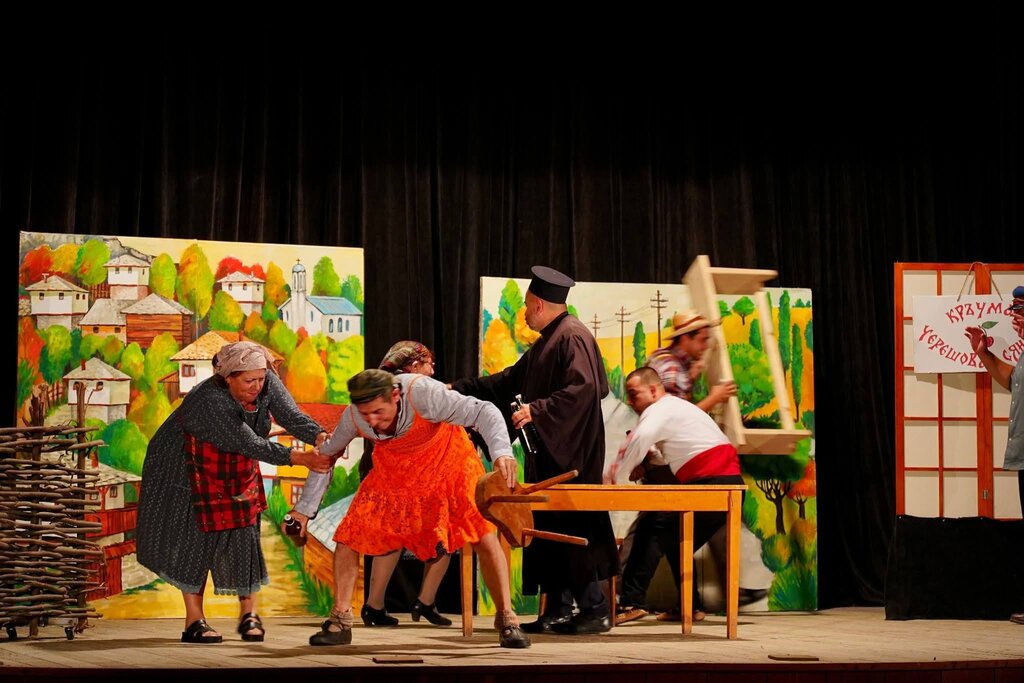
PHOTO Facebook/ National Festival of Amateur Theaters
The cultural policy regarding these centres since 1989 has lacked defined goals, priorities, or direction. Many people assume they are either state institutions or municipal structures. They fail to recognise the civic and democratic character inherent in the nature of the chitalishte - yet that is exactly where their value lies, and why they remain relevant today.
Their role changes over time in accordance with local needs. After the Liberation in 1878, priorities were different; they changed again at the start of the 20th century. After 1944, they acquired different characteristics and were transformed, but they never disappeared; they adapted. Their most specific trait is that they arise from the initiative of the communities themselves—the result of a real necessity to learn and develop spiritually. In practice, these were the first sparks that set the model for all modern professional organisations in the cultural sphere—be it libraries, museums, or theatres.”
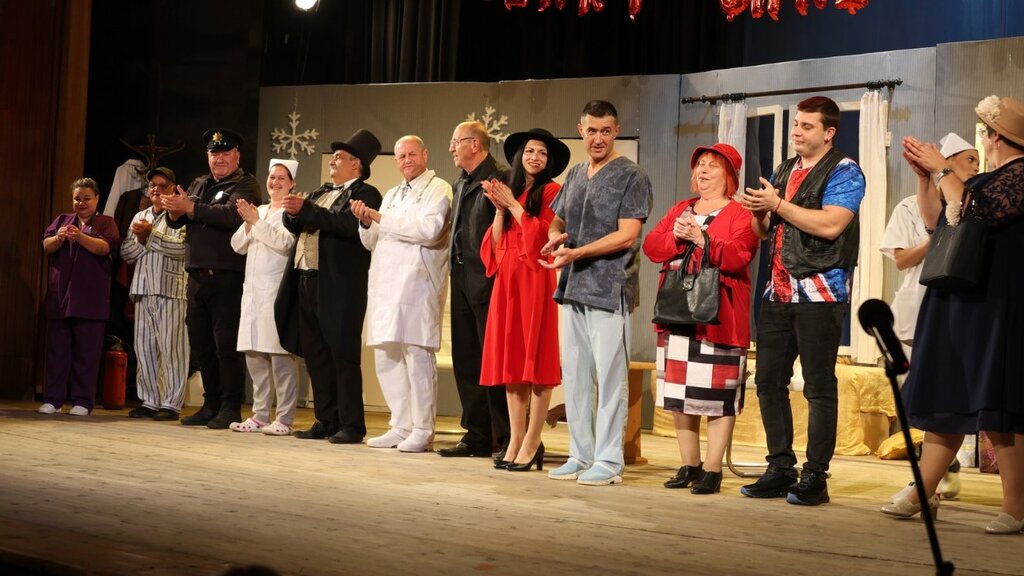
PHOTO The "Hristo Smirnenski – 1889" Chitalishte in Zlatitsa
What would these centres be without the amateur artistic activity that flourishes within them?
In itself, this is a remarkable phenomenon - not only because of the voluntary labour of the amateur performers but also because of the democratic self-governance of their structures. “It is a micro-community with a democratic spirit, and that is exactly what makes it attractive to anyone wishing to participate,” says Dr Bayrakova. She defines the amateur performers as people with excellent qualities and marked talent as singers, dancers, or musicians, but within the amateur troupe, everyone is equal; all hierarchy falls away:
“These amateurs connect as a community through non-pragmatic interests. It is not like going to work and expecting payment. Many professionals who work in this sphere as leaders are often impressed by the dedication they see in these ensembles and become intrigued by working as chitalishte activists themselves. They do not go there out of obligation, and that is exactly why the productions made by most centres are of a high level - work worthy of respect. Furthermore, involving young people in the ranks of the amateur performers is a mechanism for building a competent audience that will later have the interest and ability to appreciate a cultural product.”
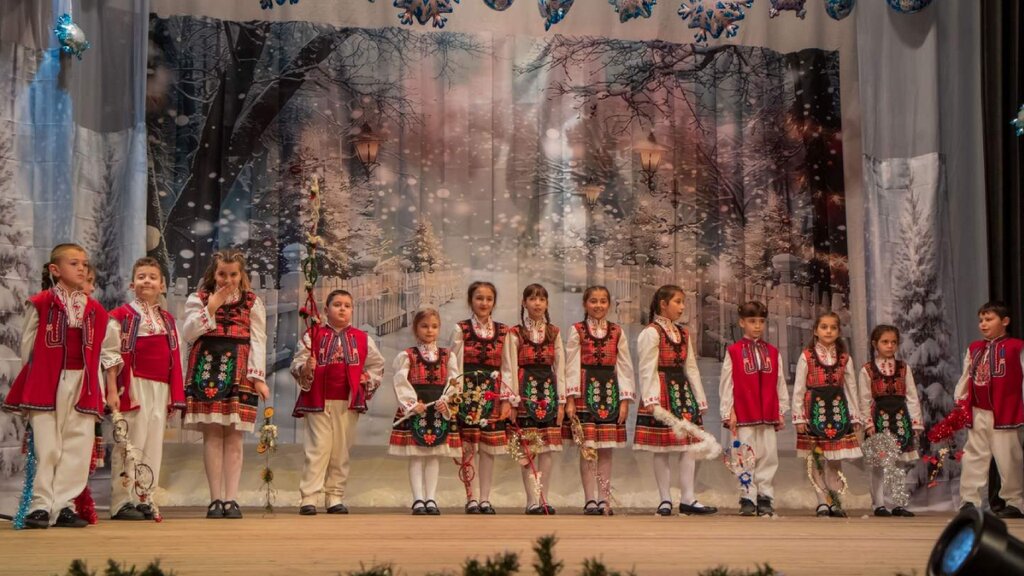
PHOTO The "Hristo Smirnenski – 1889" Chitalishte in Zlatitsa
People who have passed through these activities become active citizens and frequently return to lead cultural initiatives, Bayrakova adds. In practice, private schools and dance groups today often duplicate this work, but with one difference: the chitalishte unites all generations. In this natural way, intangible cultural heritage is passed on. “That is why we call the Bulgarian chitalishte a phenomenon without parallel in Europe; it is a nest of culture and identity,” concludes Dr Bayrakova.
Neli Mihaylova, Chair of the Public Council of a 135-year-old chitalishte in the sub-Balkan town of Zlatitsa, describes its vibrant activities: “Our centre is distinguished by a very active theatre troupe, a literary club, and a rich library.” For her, the symbolism of 1 March is deeply meaningful:
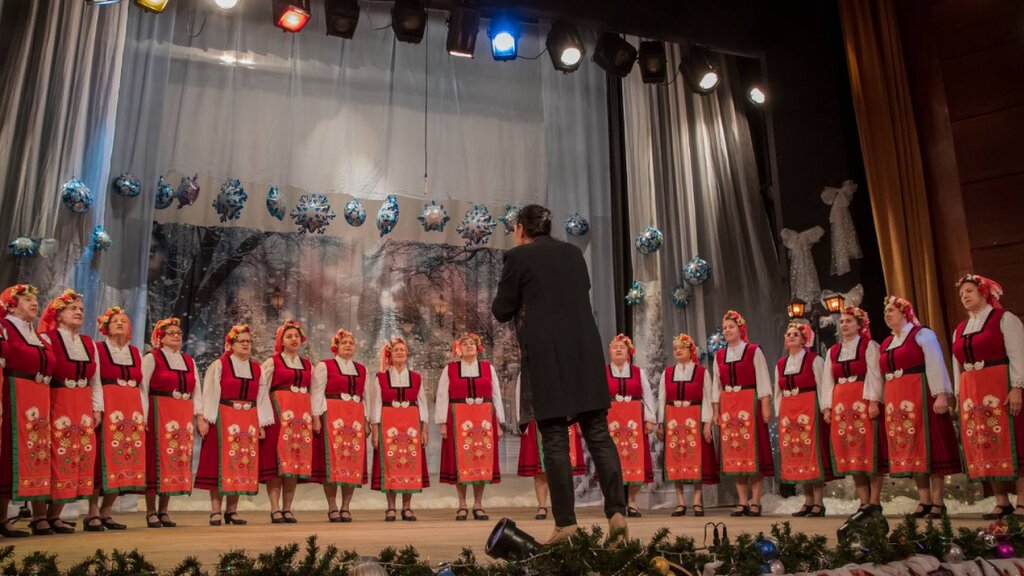
PHOTO The "Hristo Smirnenski – 1889" Chitalishte in Zlatitsa
“We associate the first of March with the martenitsas we exchange for health, with hope for nature’s spring awakening and new expectations. The symbolism is the same—amateur art brings that same renewal and life. Amateur performers are people of deep spirituality; they carry the hope for cultural awakening and national uplift. Today’s amateur artists are the modern-day narodni buditeli—the awakeners of the people. They show how you can devote time and energy to the common good, and being part of this community is something truly wonderful.”
Editor: Elena Karkalanova
This publication was created by: Elizabeth Radkova