


Author
Yoan Kolev
Interview
Government ready to begin evacuation of Bulgarians from Middle East
More than 11,000 Bulgarians remain in the region as authorities prepare evacuation plans, with consulates and embassies operating around the clock
Monday 2 March 2026 13:19
Monday, 2 March 2026, 13:19
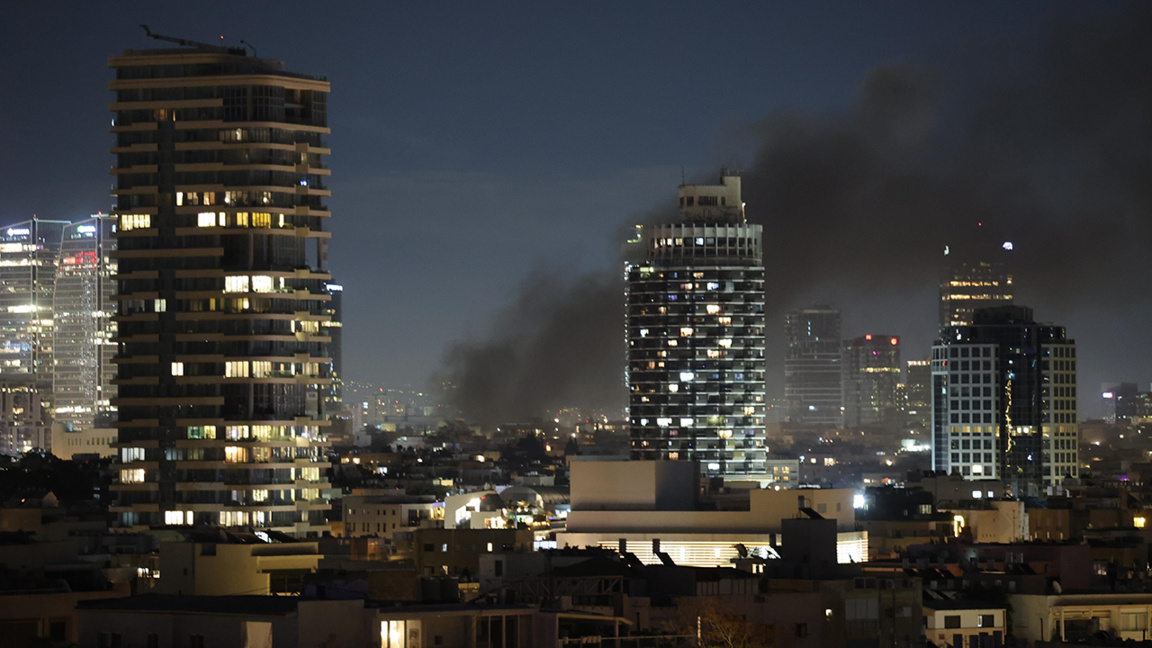
Tel Aviv after an air strike by Iran, February 28, 2026
PHOTO EPA/BGNES
Font size
A single weekend may have reshaped Iran’s future. This is perhaps the clearest way to describe the hours following “Roaring Lion” and “Epic Fury”, the joint Israeli-US operation launched to dismantle Iran’s nuclear programme.
The strikes began at 8:15 a.m. on Saturday, with the United States and Israel saying the operation was intended to counter Iran’s nuclear programme and support political change in the country.
Early reports indicate that several of the country’s most senior leaders have been killed, including Supreme Leader Ayatollah Ali Khamenei, former president Mahmoud Ahmadinejad, Defence Minister Aziz Nasirzadeh and Mohammad Pakpour, head of the Islamic Revolutionary Guard Corps.
Meanwhile, Iran has targeted not only US and Israeli military bases but also civilian sites in several neighbouring countries, including Oman, the United Arab Emirates, Jordan, Kuwait, Bahrain and Qatar.
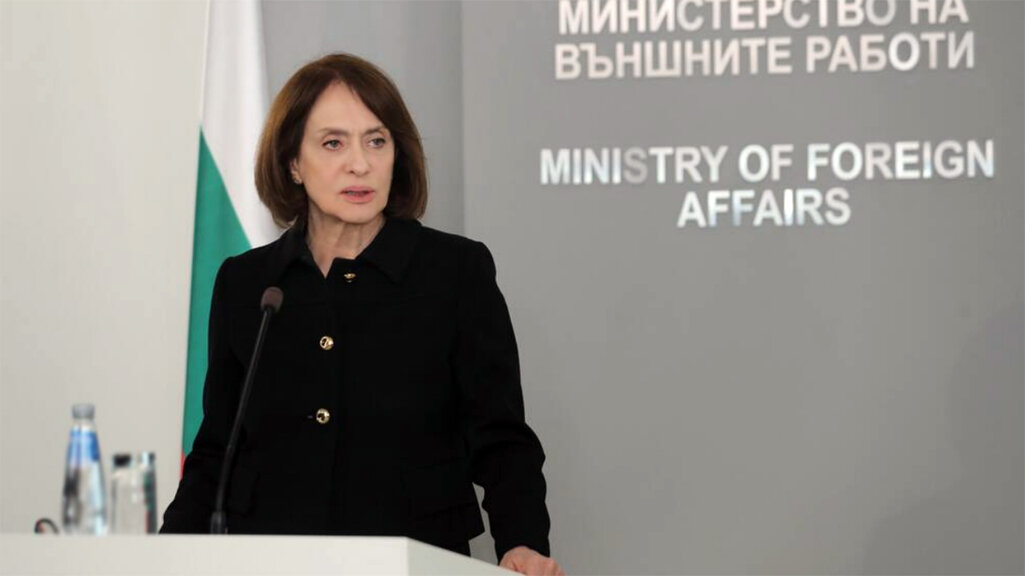
Nadezhda Neynski
PHOTO mfa.bg
‘The war that has erupted in the region has left more than 11,400 Bulgarian citizens stranded there. The Foreign Ministry’s top priority is to provide them with a safe evacuation route,’ said Foreign Minister Nadezhda Neynski during an appearance on the 120 Minutes programme on bTV. “We are fully prepared, the moment a possible window opens, to send aircraft that can begin the gradual evacuation of people who wish to leave the region. No one can predict when this will happen. We advise them to remain in secure locations and wait for instructions from the state.
I know people in Bulgaria are wondering whether the country will respond adequately to the situation, and I want to reassure them that our consulates, embassies and central offices are working around the clock. I have instructed my deputies to hold regular press briefings to inform people in the region about what steps are being taken, where they should wait and whom they should contact.”
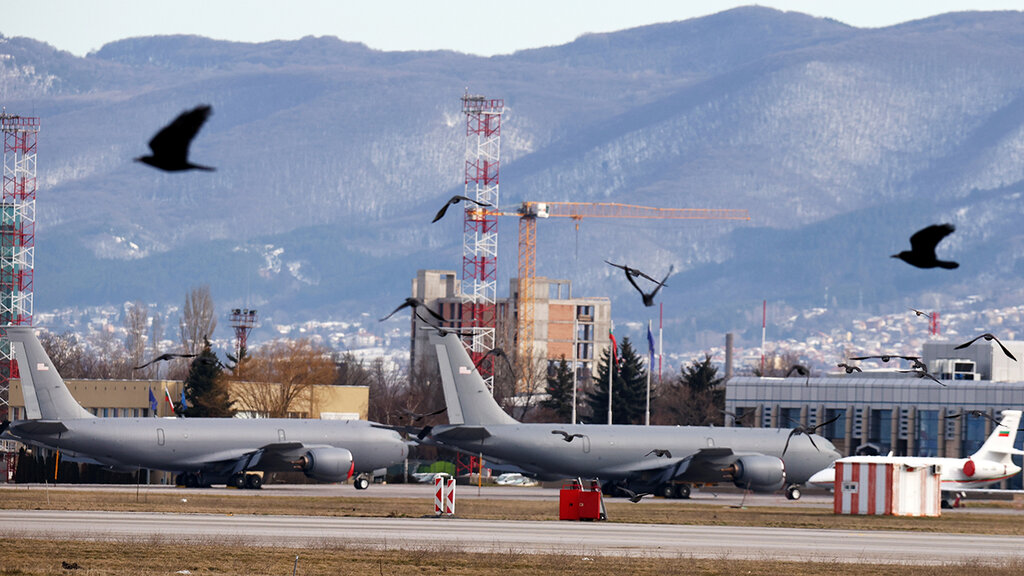
PHOTO BTA
According to her, US aircraft stationed at Sofia Airport will remain in Bulgaria until the end of May. So far, they have not taken part in the war and are not expected to be used for purposes beyond those specified in the diplomatic note submitted by the US Embassy in Sofia — namely, training activities.
The Foreign Ministry’s Situation Centre hotlines remain available to citizens around the clock: +359 2 948 24 04, +359 2 971 38 56 and +359 893 339 616.
Deputy Defence Minister Yordan Bozhilov was clear:
'Bulgaria is not and will not be part of the conflict between the United States, Israel and Iran, and nothing has been requested from us in that context.'
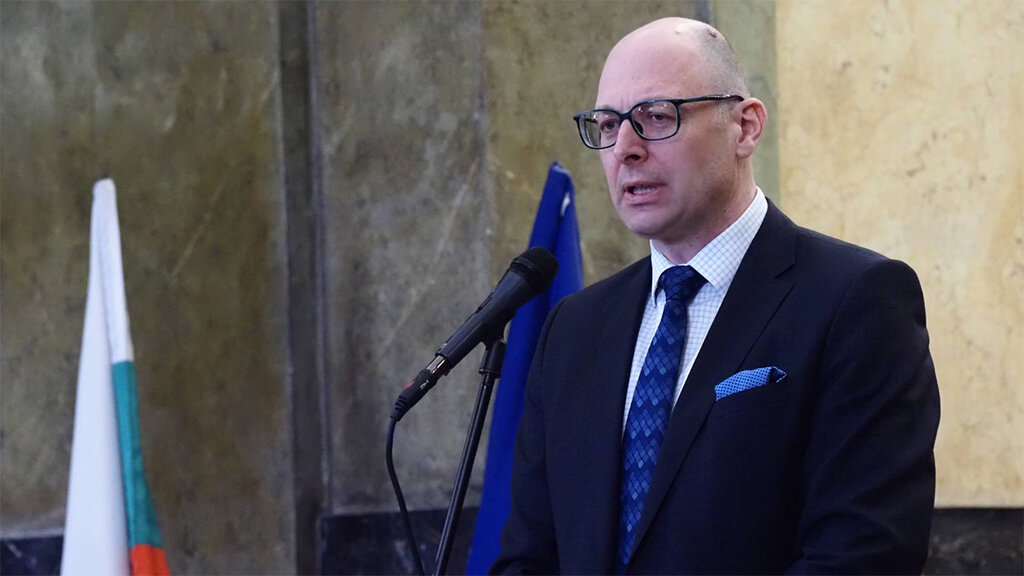
Yordan Bozhilov
PHOTO BGNES
‘The attacks on the Iranian capital are no coincidence,’ said Vesela Raytchinova, a Bulgarian national who has lived in Israel since the late 1990s.
According to her:
‘This is a continuation of the protests that the Iranian people held against their regime last year. Even then, the Iranian people were expecting concrete intervention to bring an end to the regime, and there were numerous appeals to the United States and President Donald Trump to resolve the situation. There are probably several reasons for the delay. One is that Trump is peace-minded and prefers to avoid war, seeking instead to achieve a deal through negotiations. During those negotiations, Iran was given one very important condition: not to produce ballistic missiles or nuclear weapons. However, no such commitment was made by Iran.”
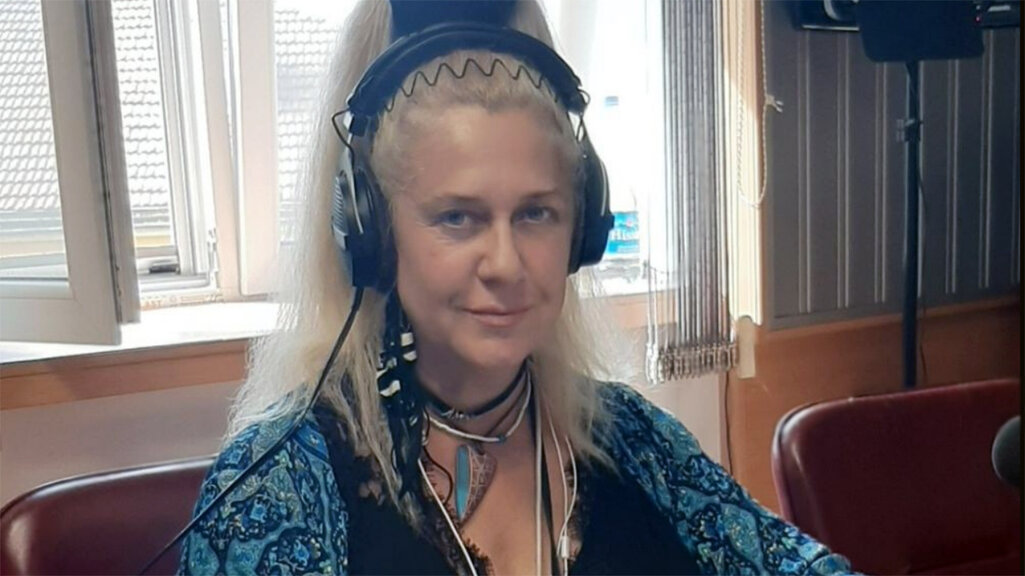
Vesela Raytchinova
PHOTO BNR
Analysts describe the situation as complex and, above all, delicate, with the potential to escalate into a conflict that could spread beyond the Middle East. There is still no clear forecast as to how the confrontation may develop.
Ms Raytchinova said the exact number of Bulgarians currently in Israel remains unclear.
She added that she had personally managed to register Bulgarian citizen Anton Andonov — deputy rector of the Academy of Music, Dance and Fine Arts in Plovdiv — on the Foreign Ministry’s website. Mr Andonov had arrived as her guest to take part in a special seminar dedicated to folk dance.
The seminar has been cancelled because of the war, and Mr Andonov will be evacuated from Israel at the earliest opportunity.
Editor: Desislava Semkovska
Edited and posted in English by E. Radkova
This publication was created by: Elizabeth Radkova