


Author
Diana Tsankova
News
“Bessarabian Necklace” almanac recounts Bulgarian migration to Brazil
Bulgarians in Taraclia have preserved their native language for 200 years and offer a platform for creative voices from the diaspora
Wednesday 4 March 2026 22:55
Wednesday, 4 March 2026, 22:55
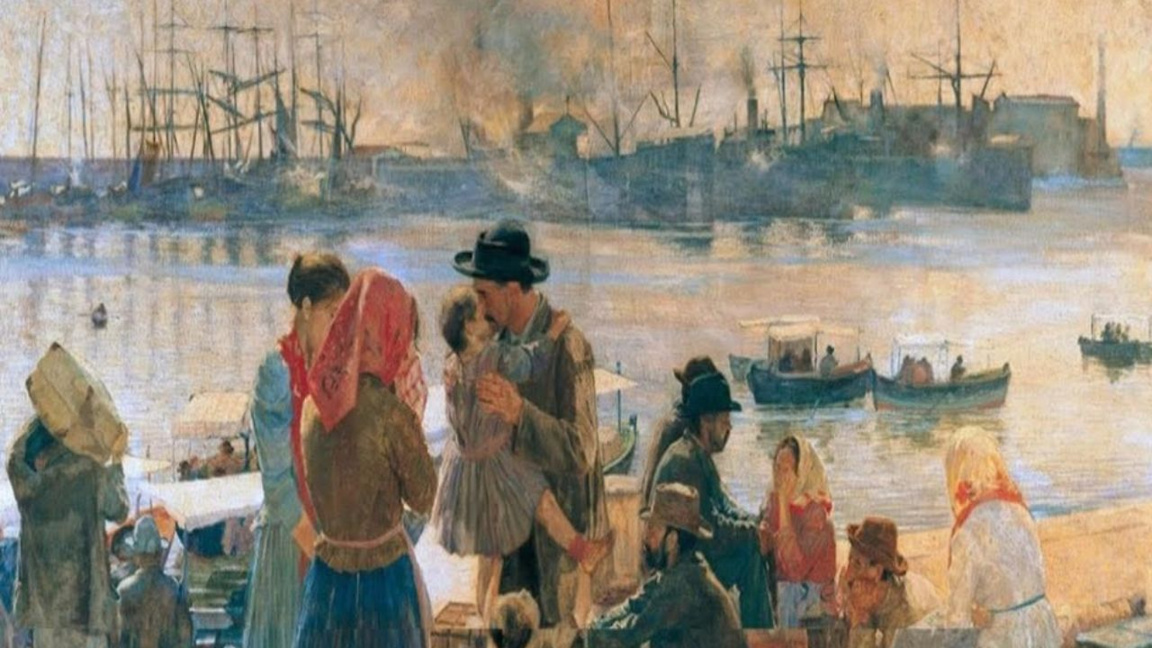
PHOTO Тhe Bulgarian Spirit Foundation
Font size
For the seventh consecutive year, the Bulgarian community in the Taraclia district of Moldova has published Bessarabian Necklace, a literary almanac celebrating regional heritage. Through this volume, the descendants of those who left Bulgaria two centuries ago express their enduring connection to their homeland and their commitment to preserving the Bulgarian language and national memory.
The almanac brings together the works of poets, writers, and translators from across Bessarabia and the Bulgarian diaspora in Moldova, Ukraine, and Russia. This collaborative effort serves as a cultural bridge between generations; while the first edition was only 100 pages long, the latest volume has grown to nearly 600 pages.
Reflecting the linguistic diversity of the region, the works are written in Bulgarian, Gagauz, Albanian, Romanian, Ukrainian, and Russian. The project was made possible with the support of the Bulgarian Spirit Foundation.
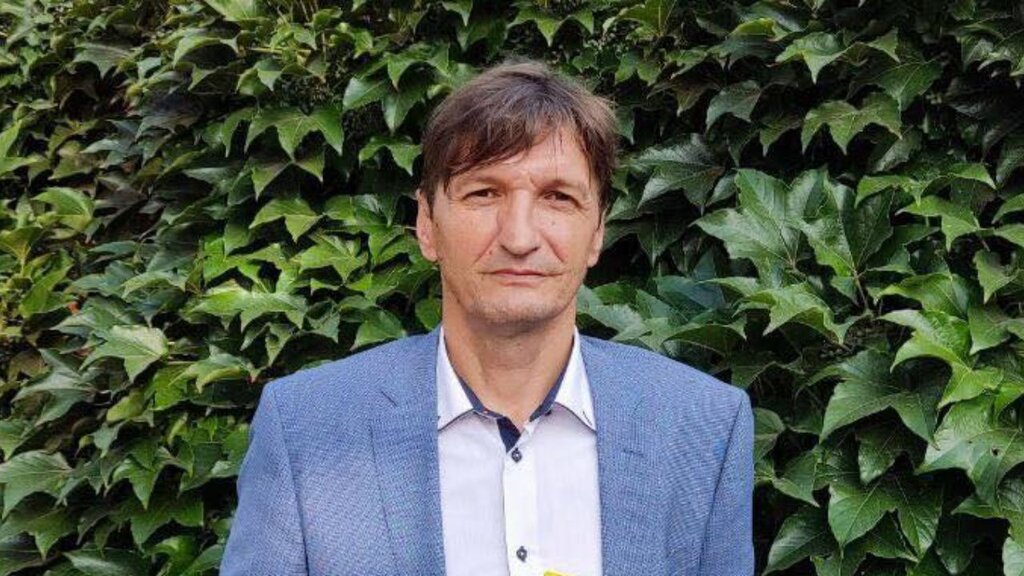
Oleg Kosih, chairman of the Bulgarian Spirit Foundation.
PHOTO The Bulgarian Spirit Foundation
“We attach great importance to the Bulgarian language because we are Bessarabian Bulgarians, and it is important to us to have authors who write in their native tongue,” says Oleg Kosih, the foundation’s chairman. ‘The content of the almanac is diverse. We have poems and theatre plays, but personally, I most enjoy reading accounts of family history and traditions, such as wedding customs and what life used to be like in our villages.’ Since we live in an increasingly urbanised world where old traditions are gradually disappearing, we want them to be recorded in print. We believe the almanac is the right place for them to remain for eternity, captured on paper.”
Mr Kosih recalls the beginning of the project and remembers Prof. Elena Nalbantova, who has devoted her life to the study of Bulgarian literature, remarking, ‘I think that in Bessarabia, the Bulgarian language is dying.’ This inspired him to create a platform where authors from the diaspora could publish their work. The team behind the initiative works selflessly, and the funds raised go towards the printing costs. Copies of the almanac are then donated to community cultural centres, schools and organisations.
“It is important to us that these books reach more people,” Oleg Kosikh tells Radio Bulgaria. “In five, ten, or twenty years' time, someone will walk into a community centre, pick up the book, open it, and read about what we were experiencing, thinking, and dreaming about at that time. I understand that the idea may not be clear to everyone, but preserving the printed word in our native language is important to a certain group of people.”
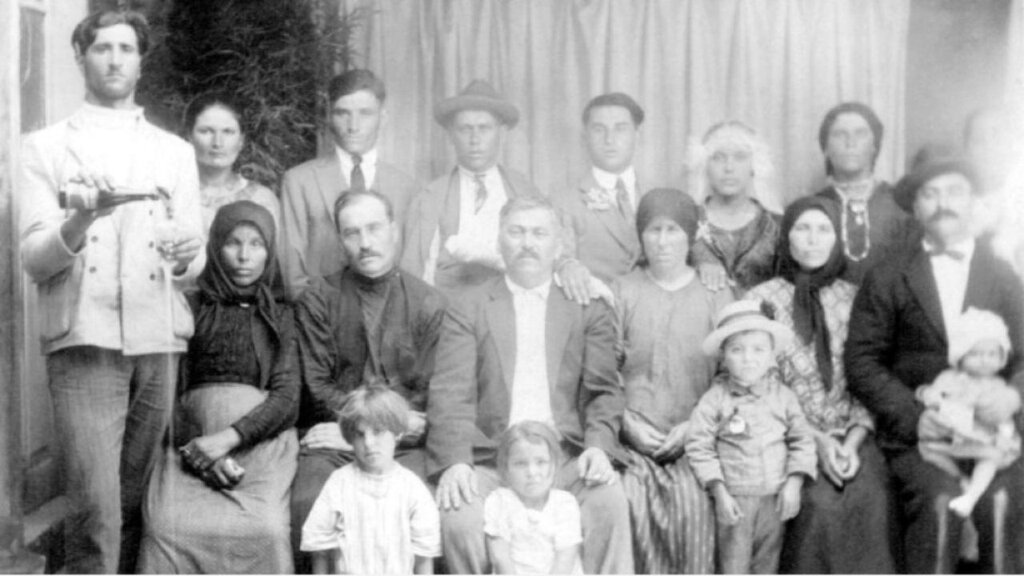
PHOTO infraestruturameioambiente.sp.gov.br
The seventh edition of Bessarabian Necklace will focus on the migration of Bessarabian Bulgarians to Brazil — an important yet largely unknown chapter in history that began with hope but ended in disappointment. Upon arriving in South America, many migrants were forced to repay the Brazilian landowners who had financed their journey by working for two years without pay.
'In 1924, a large-scale campaign began to encourage our people to move to Brazil,' Oleg Kosih recounts. "They were promised paradise on earth, and tens of thousands believed it. They sold their belongings, left their homes, and set out." They lived below deck on a ship with their children for more than a month, suffering terribly, and some lost their lives along the way. When they arrived, they were placed in quarantine. Many people died because the climate was so different.
Most of the pioneers settled in the jungle, where they first had to clear the land. Over time, however, they realised that they would not prosper through agricultural labour alone, so they moved to the cities. The main problem was that they were uneducated rural people, and by the second or third generation, they had been assimilated. Today, there are people with Bulgarian surnames who are doctors and engineers, but they are unaware of their Bulgarian origins because their ancestors travelled with Romanian documents and none of them speak Bulgarian.
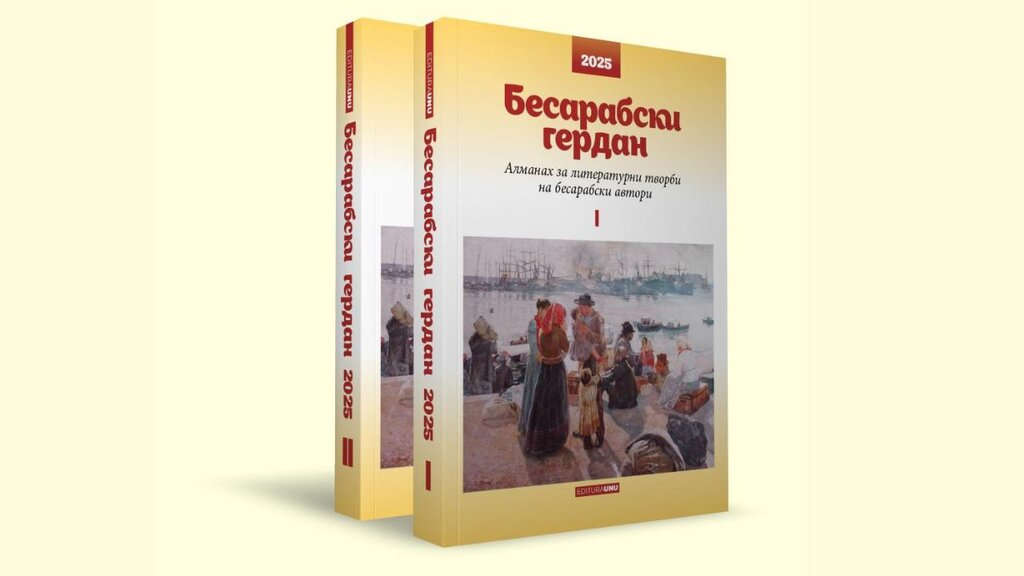
PHOTO the Bulgarian Spirit Foundation
Several years ago, Oleg Kosih discovered a relative in Brazil. As a child, he had dismissed his grandmother’s stories about some of their relatives making the long journey across the Atlantic. Yet, five generations later, he and Konstantin managed to find each other while tracing their family tree.
The Cultural Association of Bulgarians in Brazil has existed in São Paulo since 1984. There, descendants of Bessarabian Bulgarians who arrived before the Second World War celebrate Bulgarian national holidays and explore their roots and history, even though they no longer speak the language.
Opening the pages of the Bessarabian Necklace almanac, every reader can find something that transports them back to the past, making them feel part of a community — and perhaps even making them smile, as Oleg Kosih himself did.
'I laughed and could hardly believe my eyes because the author had described all sorts of street nicknames and explained where they came from,' he adds. ‘That reminded me of my own family nickname. When I was a child, you’d walk down the street and an older person wouldn’t ask your name, but would ask, 'Whose family are you from?' You’d tell them your family nickname, and they’d reply, 'Ah, your grandfather Ivan, your grandmother Ana…'
That touched me personally, but others might be moved by traditions. We have authors who write in Bessarabian Bulgarian dialects, and for those people, it is important to read such texts and remember how their grandparents used to speak.”
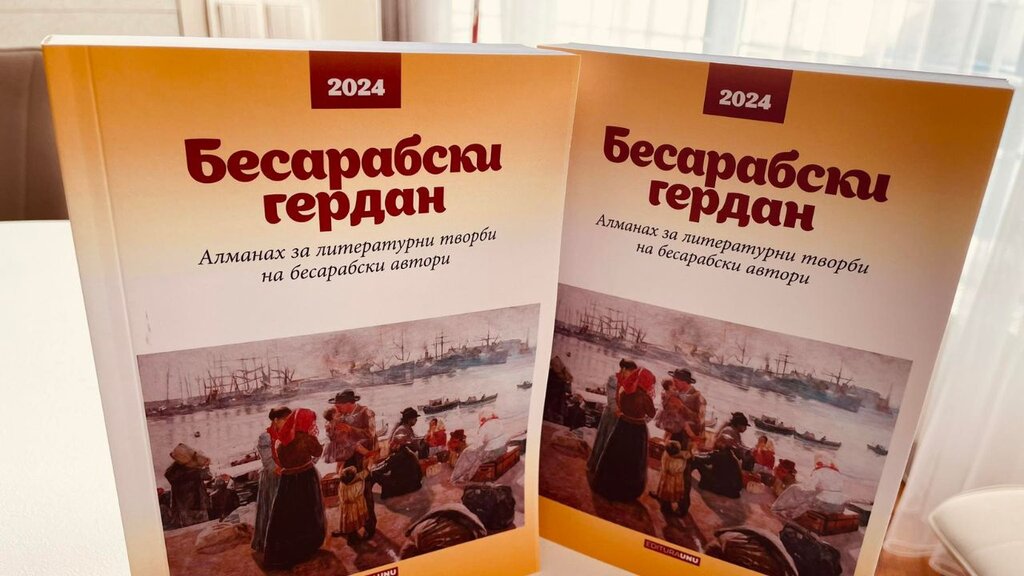
PHOTO the Bulgarian Spirit Foundation
Oleg Kosih hopes that this year’s almanac, which has already come off the printing press, will soon reach readers in Bulgaria. He also welcomes the fact that the edition includes authors from Bulgaria and that many people there have shown interest in Bessarabian Necklace.
“People in Bulgaria are genuinely surprised that we have preserved the Bulgarian language here while living in a foreign-language environment for 200 years. They want to learn more about us, and this almanac gives them that opportunity — and that makes me very happy,” he concludes.
Editor: Elena Karkalanova
This publication was created by: Elizabeth Radkova