


Author
Gergana Mancheva
News
Gas and oil prices are rising
Economists predict a rise in inflation in the second quarter of 2026
Confederation of Labor “Podkrepa” urges government to take swift crisis response measures
Tuesday 10 March 2026 11:30
Tuesday, 10 March 2026, 11:30

PHOTO Pixabay
Font size
The escalating war in the Middle East has rattled energy markets and raised concerns about prolonged supply disruptions. Clear evidence of this emerged when the markets opened on Monday, March 9, 2026, as European natural gas futures surged by 30%, reaching over EUR 69 per megawatt-hour. This is the highest level since early 2023 and indicates that the crisis is deepening, following last week’s 67% rise in gas prices.
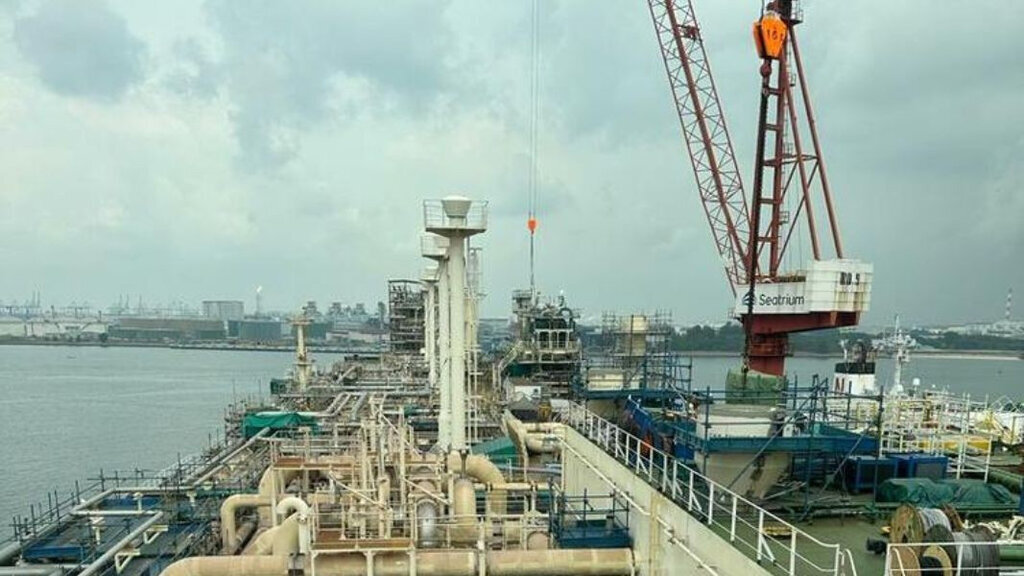
Alexandroupolis LNG Terminal
PHOTO bulgartransgaz.bg
European gas markets are particularly vulnerable, as winter is ending with significantly depleted storage levels across the EU. This means more liquefied natural gas will need to be purchased to replenish the reserves. Competition for supplies from the Middle East is intensifying, driven by demand from countries such as China, India, and Japan, according to observers of global energy trends.
“The rise in gas prices will affect us as well, but not as severely as in other countries that are heavily dependent on imported natural gas, both for industry and household consumers”, said Bulgarian economist Rumen Galabinov in an interview with Radio Bulgaria.

Rumen Galabinov
PHOTO BNR
“Since the beginning of this year, Bulgaria, as a member of the Eurozone, has been measured alongside the other Eurozone countries. For 2026, the European Commission had planned an ambitious start to structural reforms across the EU and Eurozone economies. The goal was to achieve slightly stronger economic growth in Europe and to enhance the competitiveness of European economies comparable to the United States and Asian economies. This plan was well outlined and scheduled, but developments in the last ten days have slightly shifted the focus. Attention has moved to the complex international situation and the military conflicts—primarily in Iran, but also the war in Ukraine, which unfortunately has not ended. These two factors are affecting international markets. In recent days, markets have reacted especially to the conflict in Iran, with crude oil prices rising. If the military actions continue for longer, this will affect not only Europe but also Asian economies. These economies are in a more vulnerable position. Countries such as China, India and South Korea, the leading economies in the region, will also experience difficulties”, said Rumen Galabinov.
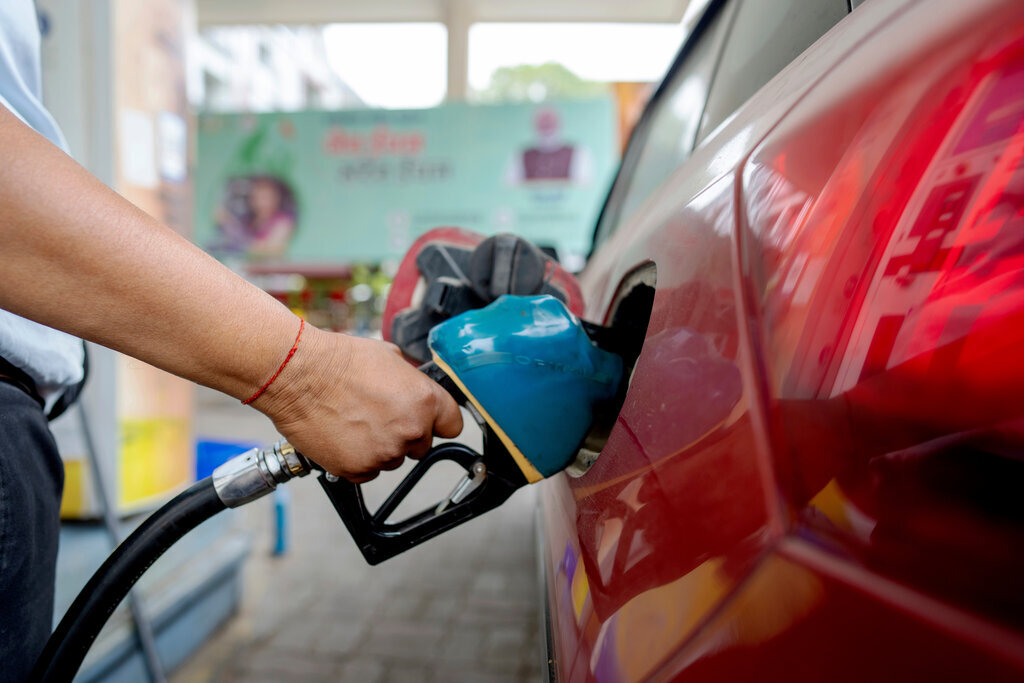
PHOTO BTA
A further rise in gasoline and diesel prices is also expected. Oil and natural gas futures show a trend over time that is likely to affect prices over the next three to six months, the expert predicted.
“Bulgaria has balancing capacities in its energy mix—for example, in electricity—that could help offset these increases in gas prices, drawing on a balance of renewable energy sources, nuclear power, and imports. And this needs to be managed carefully. Regarding crude oil imports, Bulgaria can also balance supplies with oil from the Black Sea region.The disrupted supplies of Qatari liquefied natural gas have a more peripheral impact on Bulgaria. The effect of the crisis will be felt in Bulgaria as well—a gradual and inevitable rise in inflation is expected”, Rumen Galabinov went on to say.
The trade unions monitoring prices in Bulgaria report a 13% increase in retail fuel prices at gas stations. “The mathematical relationship is that a 10% increase in fuel prices leads to a 1% rise in inflation”, said Atanas Katsarchev, chief economist of the Confederation of Labor “Podkrepa”.

Atanas Katsarchev
PHOTO Stefan Kunchev
“We can now expect prices to start rising, in light of the absence of a budget and the signals from our politicians. If, as a small country, we cannot rely on regular oil supplies, what are our backup plans, what measures will the government take, and how will it respond? There are concerns that this conflict may not end soon. The consequences are unclear, but we will certainly be affected and need to prepare. The question is how people’s incomes will be protected against rising inflation—and that will happen soon, as gas station prices are already increasing. The Consumer Protection Commission has begun inspections, so the coming days will not be easy. We expect the government and the National Assembly to address this issue, but they appear to have other priorities”, said Atanas Katsarov.
Translated by Kostadin Atanasov
This publication was created by: Kostadin Atanasov